DD
MM
YYYY

PAGES

DD
MM
YYYY

spot_img

PAGES

Home Blog Page 3632

NCAA announces reduction of International airfare for Nigerian travelers

0

The Nigerian Civil Aviation Authority (NCAA) has announced a significant breakthrough for Nigerian air travelers, as they are set to benefit from reduced prices on international flights.

This welcome development follows successful negotiations conducted by the NCAA with international airlines operating within Nigeria.

Two weeks ago, Captain Chris Najomo, the Director-General of the Nigerian Civil Aviation Authority (NCAA), announced the establishment of a high-level committee. This committee is assigned the task of examining the various factors influencing international airfare prices to reduce them.

Michael Achimugu, the Director of Public Affairs & Consumer Protection at NCAA, announced this milestone through a post on his official account on Thursday. He revealed that after a prolonged period of elevated international airfare costs burdening Nigerian travelers, international airlines have collectively agreed to reduce their ticket prices.

Achimugu explained that following a year characterized by high international airfare costs burdening Nigerian travelers, international airlines have come to a collective agreement to decrease their ticket prices. However, he pointed out that there is one carrier that has not yet adhered to this agreement to lower fares.

He disclosed that this positive change is the result of strategic meetings led by Capt. Chris Najomo, the Director-General of Civil Aviation (DGCA), held on February 12th and 13th. These meetings aimed to negotiate more affordable airfare rates from foreign airlines for Nigerians.

“I am proud to announce that, after the meetings with international airlines on the 12th and 13th of February, all of the airlines – bar one, have reopened their low-inventory tickets for Nigerians to access lower ticket prices for international flights. Recall that most of these airlines had closed the low tickets to Nigerians for about a year, subjecting our citizens to only the highest possible airfares. But the swift intervention of Capt. Chris Najomo, DGCA, has eased the situation. More wins to come,” Achimugu’s post on X read.

This move is anticipated to alleviate the financial strain on Nigerian travelers and make international travel more accessible. It signifies a proactive approach by the NCAA to address the issue of steep international airfares that Nigerian travelers have faced.

The announcement comes in the wake of Air Peace airline’s decision to lower airfares with its debut flight to the UK. Last week, Air Peace announced plans to commence flights to London Gatwick. Dr. Allen Onyema, the Chairman and CEO of Air Peace, said that the Air Peace London route was established to combat high fares from Nigeria to London, aiming to provide Nigerians with more affordable travel options.

Currently, direct flights to London from Lagos on economy class with British Airways cost approximately 788 pounds for a round trip, equivalent to about N2,357,900, while a one-way ticket is priced at 565 pounds, equivalent to N1,629,535. Similarly, Virgin Atlantic Airways offers round-trip tickets from Lagos to London at $1,460 (about N2,357,900) for the cheapest option.

Air Peace has announced that its Return Economy Class Ticket will be priced at N1,200,000, while a Return Business Class Ticket will sell for N4,000,000. Additionally, Nigerian students studying in the UK can access a special 15% rebate on the already reduced Economy fares.

Stakeholders in the aviation industry have hailed the development. They said the move by Air Peace and the collective decision of international airlines to lower ticket prices reflect a positive shift towards making air travel more affordable and accessible for Nigerians.

In a broader context, the reduction in airfare prices represents a significant victory for Nigerian travelers, who have long grappled with the financial strain of expensive international flights. High airfares have been a barrier to travel for many Nigerians, limiting opportunities for business, education, and leisure. By making air travel more affordable, these initiatives have the potential to stimulate economic growth, foster cultural exchange, and strengthen international relations.

Furthermore, the reduction in airfare prices is expected to have a ripple effect across the Nigerian aviation sector. Increased demand for air travel could lead to higher passenger volumes, which would benefit airlines, airports, and related industries. Additionally, stakeholders said they expect the affordable airfares to attract more foreign tourists to Nigeria, boosting the country’s tourism sector and contributing to job creation and revenue generation.

It is hoped that these initiatives will stimulate increased travel and positively impact the Nigerian aviation sector as a whole.
Central Bank of Nigeria Assures Clearing of FX Backlogs in Coming Days

0

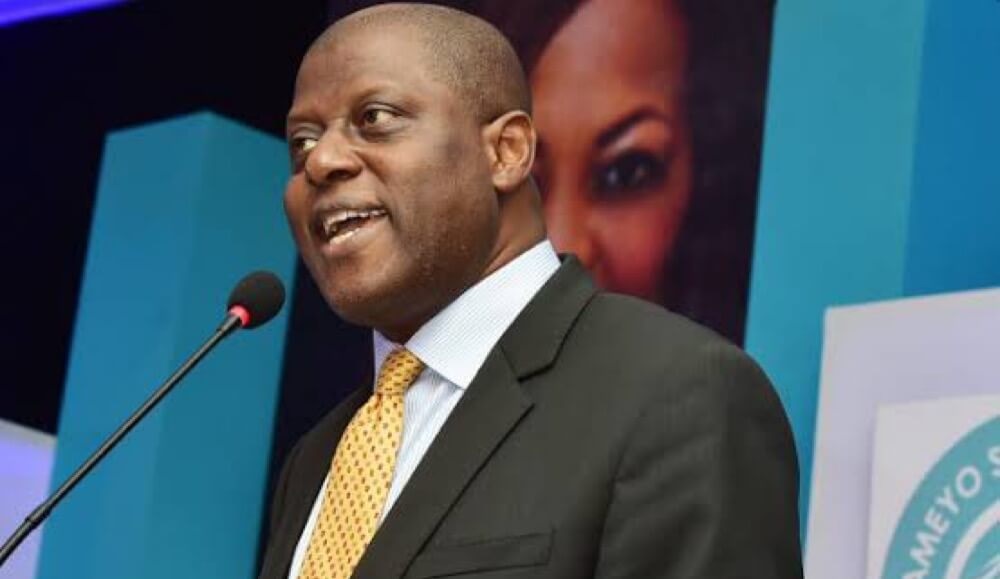
In a promising development for Nigeria’s foreign exchange market, Mr. Olayemi Cardoso, the Governor of the Central Bank of Nigeria (CBN), has announced that the remaining FX backlogs within the banking system are slated to be cleared in the next few days, potentially within a week and a half.

This announcement was made during a Foreign Portfolio Investor call organized by the Nigerian Exchange Group (NGX), where the CBN team elaborated on recent reforms aimed at rectifying distortions in the forex market.

Responding to inquiries about the current size of the FX backlogs and the steps being taken to address them, Cardoso disclosed that the CBN has already cleared its FX backlog in all banks except for five, which are expected to be resolved imminently.

“Basically what we have done with those is we have paid as much as we can to the point where we have cleared the backlog of all the banks save five. All the bank’s genuine and verifiable backlogs have been cleared save five,” he said.

The governor expressed confidence that the CBN would soon overcome the issue of forwards, indicating that within the next few days, the remaining backlogs would be resolved. He noted that he is committed to transparency and accountability, reiterating his track record of delivering on promises.

“I have tried as much as possible to be consistent on this matter. I don’t make promises I don’t fulfill. The last time I spoke on this matter, I was confident that within one month, we would be more or less out of it and I’m saying again that right now I think in the course of the next few days maybe a week and a half, this should be put behind us,” he said.

The clearance of FX backlogs has been a top priority for Cardoso, as underscored during his confirmation hearing at the Senate. Over the past several months, the CBN has made significant strides in addressing these backlogs, fulfilling the Governor’s commitment to resolving the issue.

In a previous press briefing following the first Monetary Policy Committee (MPC) meeting of the bank, Cardoso announced that the CBN had successfully cleared an additional $400 million of its FX backlog. Based on publicized figures, the remaining backlog is estimated to be approximately $1.8 billion.

Amidst the backdrop of Nigeria’s FX crisis, the announcement by Cardoso, regarding the imminent clearance of remaining FX backlogs has brought a glimmer of hope to the country’s financial sector. The FX crisis, characterized by severe shortages of foreign currency and a widening gap between the official and parallel market exchange rates, has plagued Nigeria’s economy for several years.

The FX crisis, which has set inflation at 29.90% height, has its roots in various economic factors, including declining oil prices, Nigeria’s overreliance on oil exports for revenue, and structural weaknesses in the economy.

As Africa’s largest oil producer, Nigeria’s fortunes are largely tied to the global oil market, making it vulnerable to fluctuations in oil prices. However, the nation’s misfortune has been tied to the shortfalls of its oil sector, with oil output declining significantly. The sharp decline in oil production in recent years has strained Nigeria’s foreign exchange reserves, leading to dwindling FX supply and exacerbating the crisis.

To address the FX crisis and stabilize the naira, the CBN has implemented a series of measures and interventions aimed at boosting FX liquidity and curbing speculative activities in the parallel market.

These efforts include: floating the FX market last year in a bid to create a unified exchange rate propelled by ‘willing buyer, willing seller’ policy. Also, the CBN regularly intervenes in the FX market through the sale of foreign currency to authorized dealers and end-users and arrest of perceived speculators. For instance, the apex bank recently approved the sale of $20,000 to Bureau De Change operators, following the raids conducted by joint security agents across the country.

These intervention sales aim to stabilize the naira, bridge the gap between the official and parallel market rates, and meet FX demand for critical sectors such as manufacturing, agriculture, and healthcare.

Despite these interventions, FX backlogs persisted within the banking system, posing challenges for businesses, investors, and individuals seeking access to foreign currency. The clearance of FX backlogs has thus emerged as a priority for the CBN, with Cardoso emphasizing its significance during his confirmation hearing at the Senate.

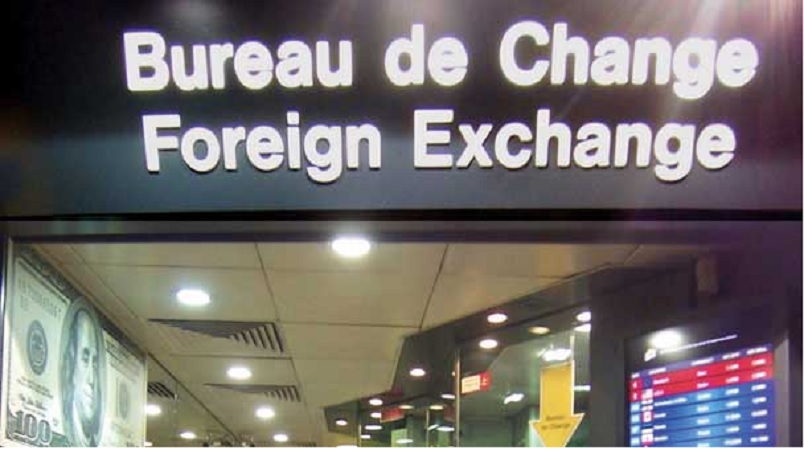
Central Bank of Nigeria Revokes Licenses of 4,173 Bureau de change operators

0

The Central Bank of Nigeria (CBN) has initiated a sweeping regulatory action, revoking the operational licenses of over 4,000 Bureau De Change (BDC) operators across the country. This bold move by the apex bank comes as a response to the failure of these entities to adhere to essential regulatory guidelines.

The decision was disclosed in a statement signed by the Director of Corporate Communications at the CBN, who emphasized the regulatory authority vested in the apex bank under the Bank and Other Financial Institutions Act (BOFIA) 2020, Act No. 5, and the Revised Operational Guidelines for Bureau De Change 2015, to take such actions.

The statement detailed the specific breaches committed by the affected BDCs, including non-payment of required fees within stipulated timelines, failure to render returns as mandated by guidelines, and non-compliance with directives and circulars issued by the CBN, particularly those relating to Anti-Money Laundering (AML), Countering the Financing of Terrorism (CFT), and Counter-Proliferation Financing (CPF) regulations.

“The Central Bank of Nigeria (CBN), in exercise of the powers conferred on it under the Bank and Other Financial Institutions Act (BOFIA) 2020, Act No. 5, and the Revised Operational Guidelines for Bureau De Change 2015 (the Guidelines), has revoked the licenses of 4,173 Bureau De Change Operators,” the statement read.

Furthermore, the CBN has made public the list of the affected BDCs on its official website (www.cbn.gov.ng), urging the public to take cognizance of this development.

In response to inquiries, the CBN provided further clarity on its actions, stating, “The affected institutions failed to observe at least one of the following regulatory provisions: Payment of all necessary fees, including licence renewal, within the stipulated period in line with the Guidelines; Rendition of returns in line with the Guidelines; Compliance with guidelines, directives and circulars of the CBN, particularly Anti-Money Laundering (AML), Countering the Financing of Terrorism (CFT) and Counter-Proliferation Financing (CPF) regulations.”

This regulatory clampdown follows the introduction of a draft guideline by the CBN aimed at strengthening the operations of BDCs nationwide. Key provisions introduced include the imposition of a minimum share capital requirement of N2 billion for Tier-1 BDCs, restrictions on cash transactions (capped at $500), and a $10,000 annual limit for school fee transactions, among others.

Under the new guideline, the CBN approved the sale of foreign exchange to eligible BDCs to cater to the demand for invisible transactions. Each BDC is entitled to purchase $20,000 at a fixed rate of N1,301/$.

“The CBN has approved the sale of foreign exchange to eligible BDCs to meet the demand for invisible transactions. The sum of $20,000 is to be sold to each BDC at the rate of N1,301/$1,” the circular introducing the guideline noted. “All BDCs are allowed to sell to end-users at a margin NOT MORE THAN one percent (1%) above the purchase rate from CBN.”

With the revocation of licenses for 4,173 BDCs, only 1,517 licensed operators remain across the country. This move is expected to streamline operations within the BDC sector and ensure better compliance with regulatory frameworks. Additionally, it will lead to a more efficient allocation of resources by the CBN, as it implements its weekly supply of foreign exchange to BDCs, amounting to $30.34 million based on the approved rate and number of licensed operators.

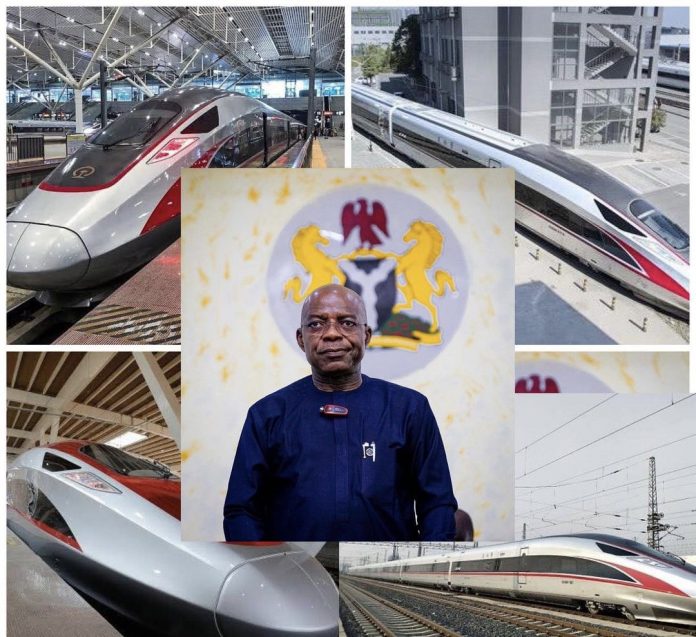
Mr. President, Mr. Governor, We Want The Light Rail System in Abia State

0

Mr. President. My Governor. It is not going to be an easy task, but we believe. Yes, “Abia State Governor, Alex Otti, has unveiled an ambitious plan to revolutionize transportation infrastructure with the proposal of a groundbreaking light rail construction project spanning the entirety of the state. This significant announcement comes hot on the heels of the inauguration of the 181-megawatt Geometric Power plant in Aba, the bustling commercial hub of Abia State.”

“Currently, the designs for the light rail project are in the process of being developed. We will move from there to address commercial issues, and at the end of the day, we will do it,” Otti asserted with confidence.

The proposed light rail project is poised to usher in a new era of economic development and connectivity for Abia State, which has long grappled with infrastructural deficits under previous administrations.

Meanwhile, Governor Otti has declared an end to the era of chronic power outages in the state following the recent commissioning of the 181-megawatt Geometric Power plant in Aba.

“Power outage will be the exception rather than the rule,” Otti declared emphatically during the interview, underscoring the transformative impact of the power generation milestone on the lives of Abia State residents.

How can these men make this happen in Abia? The power of vision. In January this year, I rode the Isuikwuato -Umuahia road; it was in bad shape. Today, the update now is that the road is being rebuilt, connecting all the way to Arochukwu. But imagine if we use trains as we used to do, from Ovim to Umuahia to Aba?

Let me leave this for Mr. President and Mr. Governor. #NigeriaMustWork. #AbiaMustWork. #believe.

Abia State Governor Proposes Statewide Light Rail Project following Power Generation Milestone

Abia State Governor Proposes Statewide Light Rail Project following Power Generation Milestone

38

Abia State Governor, Alex Otti, has unveiled an ambitious plan to revolutionize transportation infrastructure with the proposal of a groundbreaking light rail construction project spanning the entirety of the state.

This significant announcement comes hot on the heels of the inauguration of the 181-megawatt Geometric Power plant in Aba, the bustling commercial hub of Abia State.

In an exclusive interview on the Thursday edition of “Politics Today” on Channels Television, Governor Otti disclosed his administration’s ongoing discussions with a prominent Chinese company to materialize the ambitious light rail project, demonstrating his unwavering commitment to fulfilling key campaign promises.

“We are discussing with a Chinese company and the discussions are going on well. It is not going to be easy, but it is going to be done. It is not something that you will just start and finish today,” Otti affirmed during the interview.

The revelation was prompted by a question from the program’s anchor regarding Otti’s electoral pledge to initiate the construction of a light rail system if elected as governor of Abia State.

Governor Otti further expounded on the progress of the project, emphasizing that while challenges may arise, his administration is resolute in its determination to see the project through to fruition.

“Currently, the designs for the light rail project are in the process of being developed. We will move from there to address commercial issues, and at the end of the day, we will do it,” Otti asserted with confidence.

The proposed light rail project is poised to usher in a new era of economic development and connectivity for Abia State, which has long grappled with infrastructural deficits under previous administrations.

Meanwhile, Governor Otti has declared an end to the era of chronic power outages in the state following the recent commissioning of the 181-megawatt Geometric Power plant in Aba.

“Power outage will be the exception rather than the rule,” Otti declared emphatically during the interview, underscoring the transformative impact of the power generation milestone on the lives of Abia State residents.

The $800 million power project, spearheaded by Geometric Power Limited, boasts the capacity to generate and distribute sufficient electricity to significantly ameliorate the state’s power supply woes. A critical component of the project is the 27-kilometer natural gas pipeline vital for the plant’s operation.

Governor Otti recounted the project’s tumultuous history, shedding light on his involvement in securing funding for the initiative back in 2010. Despite encountering unforeseen challenges such as the sale of the Aba Invest Island and shifting priorities in gas supply, Otti remained steadfast in his commitment to overcoming obstacles and delivering on his promise of reliable electricity for Abia State.

Since assuming office in May 2023, Otti has prioritized resolving the lingering issues surrounding the power project and fostering collaboration with the Nigeria National Petroleum Company Limited (NNPCL) to ensure a consistent supply of natural gas.

Currently, the Geometric Power plant generates 141 megawatts of electricity, with plans underway to expand capacity to the full 181 megawatts upon the installation of the final turbine. Residents have already begun to experience the tangible benefits, enjoying extended periods of uninterrupted power supply.

This monumental achievement marks a turning point for Abia State, heralding a future characterized by reliable electricity and the potential for economic growth, particularly in Aba, the state’s industrial nerve center. Governor Otti has been lauded for his visionary leadership and unwavering dedication to progress position Abia State on a trajectory towards prosperity and sustainable development.