DD
MM
YYYY

PAGES

DD
MM
YYYY

spot_img

PAGES

Home Blog Page 3635

Bitwise CIO Predicts $100,000 per BTC before end of year as Spot ETFs take $8.6B to date

0

Bitcoin is the most popular and dominant cryptocurrency in the world, with a market capitalization of over $1.3 trillion and trading price at $68,724 as of 8th March 2024. It has been the subject of many price predictions, some of them optimistic and some of them pessimistic.

In this blog post, I will share my perspective on why I believe Bitcoin could reach unprecedented levels in the next few years. And also highlight price prediction postulated by the Chief Investment Officer of Bitwise, a leading provider of crypto index funds and ETFs, I have been closely following the developments and trends in the crypto space for a long time.

Here are some of the key factors that will drive Bitcoin’s price appreciation in 2024 and beyond.

Institutional adoption: More and more institutional investors, such as hedge funds, pension funds, endowments, and corporations, are entering the crypto market, either directly or indirectly through intermediaries like Bitwise.

They are attracted by the high returns, low correlation, and diversification benefits that crypto assets offer. As the institutional demand for Bitcoin grows, so will its price, as the supply is limited to 21 million coins.

Regulatory clarity: The regulatory environment for crypto is becoming more favorable and predictable, as governments and regulators around the world are recognizing the potential and innovation that crypto brings to the financial system.

For example, the SEC recently approved the first Bitcoin futures ETF in the US, which is a major milestone for the industry. As more regulatory clarity emerges, more investors will feel confident and comfortable to invest in Bitcoin.

Technological innovation: The Bitcoin network is constantly evolving and improving, thanks to the efforts of its global and decentralized community of developers, miners, and users. Some of the recent innovations include Taproot, a protocol upgrade that will enhance Bitcoin’s privacy, scalability, and functionality.

Lightning Network, a second-layer solution that will enable fast and cheap transactions on top of Bitcoin; and Bitcoin Layer 3, a third-layer solution that will enable new applications and use cases for Bitcoin.

Social and cultural impact: Bitcoin is more than just a digital currency; it is also a social and cultural phenomenon that is changing the way people think about money, value, and freedom.

Bitcoin empowers individuals to have full control and sovereignty over their own wealth, without relying on intermediaries or authorities. Bitcoin also fosters a global and inclusive community that shares a common vision and values. As more people become aware of and interested in #Bitcoin, its network effect and social impact will grow.

Based on these factors, I believe that Bitcoin could reach $100,000 – $200,000 or higher in 2024. This is not a prediction or a guarantee; it is simply my personal opinion based on my analysis and experience. Of course, there are also risks and challenges that could affect Bitcoin’s performance, such as market volatility, cyberattacks, regulatory uncertainty, or competition from other crypto assets.

Therefore, any Bitcoin price prediction for 2024 should be taken with a grain of salt and not be considered as financial advice. However, it is interesting to see how different sources view the future of BTC and what scenarios they envision for its price development. Ultimately, the Bitcoin price in 2024 will depend on the supply and demand dynamics of the market, as well as the innovation and adoption of the technology.

Spot ETFs have taken in $8.6 billion to date

Meanwhile, one of the most remarkable trends in the financial industry in the past year has been the surge of interest in spot ETFs. These exchange-traded funds track the prices of commodities, currencies, or cryptocurrencies without holding the underlying assets. They offer investors a convenient and cost-effective way to gain exposure to these markets without the hassle of storage, delivery, or custody.

According to data from ETF.com, spot crypto ETFs have attracted a whopping $8.6 billion in net inflows so far in 2024, surpassing the total amount of money that flowed into crypto ETFs in the previous three years combined. This figure represents about 10% of the total assets under management (AUM) of all crypto ETFs, which include those that invest in crypto-related companies or futures contracts.

This is a record-breaking figure that surpasses the total inflows for the entire 2022, which was $6.4 billion. The demand for spot ETFs has been driven by several factors, such as the rising popularity of digital assets, the volatility and uncertainty in the global economy, and the diversification benefits of adding alternative assets to a portfolio.

However, as impressive as these numbers are, they also reveal how small the spot ETF market still is compared to the overall ETF industry. According to ETFGI, a research and consultancy firm, the global ETF market had $7 trillion in assets under management as of Q3 2023, up from $6.2 trillion at the end of 2022. This means that spot ETFs account for only 0.12% of the total ETF market size, which is a tiny fraction.

This suggests that there is still a lot of room for growth and innovation in the spot ETF space, as more investors become aware of the advantages and opportunities that these products offer. Spot ETFs have the potential to democratize access to alternative asset classes and to create more efficient and transparent markets. They also pose some challenges and risks, such as regulatory uncertainty, liquidity issues, and tracking errors, that need to be addressed and mitigated.

What explains this surge in demand for spot crypto ETFs? There are several factors that have contributed to their popularity, such as:

The approval of the first bitcoin spot ETF by the U.S. Securities and Exchange Commission (SEC) in October 2024, after years of rejections and delays. This opened the door for other issuers to launch similar products in the U.S., the largest and most influential ETF market in the world.

The growing acceptance and adoption of cryptocurrencies by institutional investors, corporations, governments, and mainstream media, as evidenced by the increasing number of partnerships, endorsements, regulations, and coverage related to the crypto industry.

The impressive performance and resilience of cryptocurrencies, especially bitcoin, which has reached new all-time highs above $70,000 this year, despite facing various challenges such as regulatory uncertainty, environmental concerns, network upgrades, and competition from other digital assets.

The innovation and diversification of spot crypto ETFs, which now offer exposure to not only bitcoin, but also other popular cryptocurrencies such as ethereum, solana, cardano, polkadot, and more. Some ETFs also employ active management strategies or thematic approaches to capture the opportunities and risks of the crypto space.

Spot crypto ETFs have proven to be a game-changer for the crypto industry, as they provide a bridge between the traditional financial system and the emerging digital economy. They also offer benefits such as liquidity, transparency, tax efficiency, and lower fees compared to other ways of investing in crypto.

However, they are not without risks, such as market volatility, regulatory changes, operational issues, and tracking errors. Investors should be aware of these factors and do their due diligence before investing in spot crypto ETFs.

European Union, Mauritania and World Bank Parliament approves $300 million loan in Ghana

0

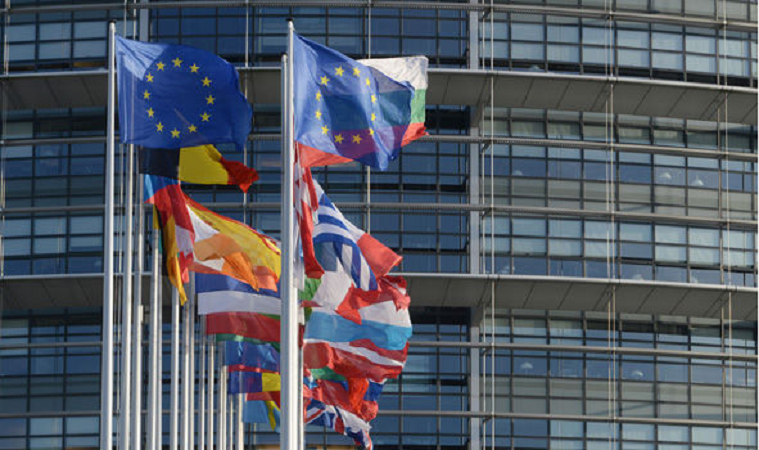
The European Union has announced a new deal with Mauritania to support the country’s efforts to prevent irregular migration from its shores to Europe. The agreement, signed on Monday by EU Commissioner for Home Affairs Ylva Johansson and Mauritanian Minister of Interior Mohamed Salem Ould Merzoug, includes a €60 million package of assistance over the next four years.

The deal aims to strengthen Mauritania’s border management and maritime security, as well as to improve the living conditions and protection of migrants and refugees in the country. It also envisages cooperation on return and readmission of migrants who do not qualify for international protection in Europe.

According to the EU, Mauritania is a key partner in the fight against irregular migration and human trafficking in the Western Mediterranean route, which saw more than 23,000 arrivals in Spain last year. The EU praised Mauritania’s role in rescuing migrants at sea and hosting them in its territory, while also acknowledging the challenges it faces as a transit and destination country for migrants from sub-Saharan Africa.

The EU-Mauritania deal is part of a broader strategy of the bloc to engage with countries of origin and transit of migration in Africa and beyond, in order to address the root causes of migration, enhance legal pathways and cooperation on returns, and prevent deaths and human rights violations along the migratory routes.

$300 million loan to finance first resilient recovery development policy financing.

The World Bank has announced that it has approved a $300 million loan to support Ghana’s first resilient recovery development policy financing. This is a landmark initiative that aims to help the country recover from the impacts of the COVID-19 pandemic and build resilience to future shocks.

The loan will support a series of policy reforms that will strengthen Ghana’s fiscal and debt sustainability, enhance transparency and accountability in public financial management, and promote a green and inclusive recovery. Some of the key reforms include:

Implementing a fiscal responsibility law and a debt management strategy to ensure fiscal discipline and debt sustainability.

Establishing a public investment management system and a fiscal risk unit to improve the efficiency and effectiveness of public spending and mitigate fiscal risks. Enhancing the transparency and oversight of state-owned enterprises and public-private partnerships to reduce contingent liabilities and improve service delivery.

Introducing a carbon tax and a green levy to mobilize domestic resources for climate action and environmental protection. Expanding social protection programs and increasing access to quality health care and education for the poor and vulnerable.

The World Bank’s Country Director for Ghana, Pierre Laporte, said that the loan will help Ghana address the urgent challenges posed by the pandemic and lay the foundations for a more resilient and sustainable future.

“The COVID-19 crisis has exposed the vulnerabilities of Ghana’s economy and society, but it also provides an opportunity to rebuild better. This operation supports the government’s efforts to implement critical reforms that will enable a faster and greener recovery, create more jobs, protect the poor and enhance governance,” he said.

The loan is part of the World Bank’s COVID-19 Crisis Response Window, which provides additional financing to help countries cope with the health, social and economic impacts of the pandemic. The World Bank has committed $12 billion to support African countries in their response to the crisis.

Namibia calls for an end to Economic Sanctions on Zimbabwe

0

Namibia, a southern African nation that shares a border with Zimbabwe, has expressed its opposition to the new economic sanctions imposed on its neighbor by the European Union and the United States. The sanctions, which target individuals and entities linked to human rights violations and corruption in Zimbabwe, were announced last week as a response to the ongoing political and economic crisis in the country.

The United States has announced new economic sanctions on Zimbabwe, targeting the country’s mining and agricultural sectors. The sanctions are aimed at pressuring the government of President Emmerson Mnangagwa to respect human rights and implement political reforms.

According to the US Treasury Department, the sanctions will freeze the assets of 10 individuals and 10 entities linked to the Zimbabwean government and prohibit US citizens from doing business with them. The sanctioned individuals include senior officials, military officers, businessmen and state-owned enterprises.

The US said the sanctions were a response to the “violent repression” of peaceful protesters, journalists and civil society activists in Zimbabwe, as well as the “corruption and mismanagement” of the economy. The US also accused the Zimbabwean government of using the COVID-19 pandemic as an excuse to crack down on dissent and restrict freedoms.

The Zimbabwean government has condemned the sanctions as “illegal and unjustified” and accused the US of interfering in its internal affairs. It said the sanctions were hurting ordinary Zimbabweans, who are already suffering from high inflation, food shortages and a collapsing health system. It also claimed that the sanctions were undermining its efforts to engage with the international community and attract foreign investment.

Nandi-Ndaitwah said that Namibia and Zimbabwe have a long history of friendship and solidarity, dating back to the liberation struggle against colonialism and apartheid. She said that Namibia stands ready to assist Zimbabwe in addressing its challenges and achieving its development goals. She called on the EU and the US to lift the sanctions and engage constructively with Zimbabwe.

The new sanctions come amid growing tensions between Zimbabwe and the US, which have been strained since the 2002 presidential election, when former President Robert Mugabe was accused of rigging the vote. The US has imposed several rounds of sanctions on Zimbabwe since then, citing human rights violations and democratic backsliding. The US has also supported the opposition Movement for Democratic Change (MDC), which has challenged Mnangagwa’s legitimacy and called for a national dialogue.

Namibia’s foreign minister, Netumbo Nandi-Ndaitwah, said that the sanctions were counterproductive and would only worsen the situation in Zimbabwe. She said that Namibia supports the efforts of the African Union and the Southern African Development Community (SADC) to facilitate dialogue and cooperation among Zimbabwe’s political actors. She also urged the international community to respect Zimbabwe’s sovereignty and territorial integrity.

The new sanctions have also been condemned by other African countries, such as South Africa, Zambia, Mozambique, and Tanzania, as well as by regional organizations such as SADC and the African Union. They have argued that the sanctions violate the principles of international law and interfere with Zimbabwe’s internal affairs. They have also warned that the sanctions could undermine the prospects of peace and stability in the region.

The impact of the new sanctions on Zimbabwe’s economy is likely to be significant, as the mining and agricultural sectors are the main sources of export revenue and employment. The sanctions could also affect Zimbabwe’s relations with other countries, especially China and Russia, which have been supportive of Mnangagwa’s government and have invested heavily in its infrastructure and energy projects.

The sanctions could also increase the pressure on Mnangagwa to engage with the opposition and civil society, and to implement political and economic reforms that could pave the way for a more inclusive and prosperous future for Zimbabwe.

Overseas Remittances surged to $1.3bn in February – Central Bank of Nigeria

0

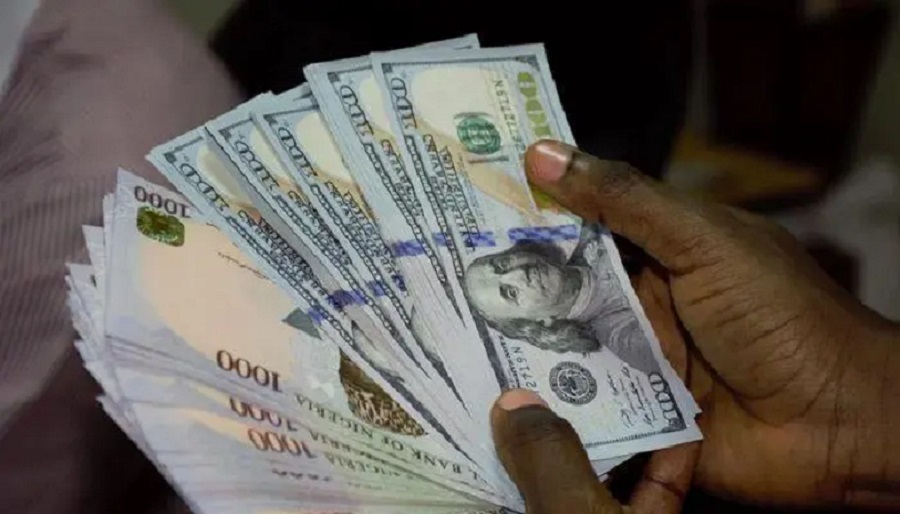
The Central Bank of Nigeria (CBN) has revealed a substantial increase in overseas remittances, indicating a rise to $1.3 billion in February compared to a mere $300 million in the previous month.

Mrs. Hakama Sidi Ali, the acting Director of the Corporate Communications Department at the CBN, shared this information with journalists, highlighting a significant uptick in foreign investor activity in Nigerian assets.

According to Mrs. Ali, foreign investors injected over $1 billion into Nigerian assets last month alone, contributing to a total portfolio flow of approximately $2.3 billion since the beginning of the year. While this figure represents a decline from the $3.9 billion recorded in 2023, it underscores a notable resurgence in investor confidence amidst ongoing economic reforms.

The CBN also reported a notable surge in foreign exchange inflows into the economy during February, attributed primarily to heightened remittance payments by Nigerians abroad and increased purchases of naira-denominated assets by foreign portfolio investors. This trend continued into March, driven by amplified investor interest in short-term sovereign debt following recent adjustments to benchmark interest rates.

Notably, government securities issuances witnessed significant oversubscription, with foreign investors accounting for over 75% of bids received at auctions conducted on March 1 and 6, 2024. This influx of foreign capital underscores growing confidence in Nigeria’s economic prospects and the efficacy of recent policy interventions.

CBN Governor, Mr. Olayemi Cardoso, outlined a comprehensive strategy aimed at curbing inflation, stabilizing the exchange rate, and bolstering confidence in the banking system and the broader economy. Speaking after the Monetary Policy Committee (MPC) meeting, he emphasized the importance of sustained increases in Nigeria’s foreign currency reserves and enhanced liquidity in the FX market to achieve these objectives. Mr. Cardoso reiterated the effectiveness of recent measures implemented by the CBN, attributing the positive outcomes to a clear strategy and plan.

He said, “All the different measures we have taken to boost reserves and create more liquidity in the markets have started to pay off.

“When people understand the real issues and see a strategy and a plan, things tend to calm down. Our objective today is to ensure that the market has supply, that the market functions, and that investors can come in and go out.”

In a bold move to address soaring inflation, the CBN MPC raised the Monetary Policy Rate (MPR) by 400 basis points to 22.75%, alongside adjustments to the asymmetric corridor and banks’ Cash Reserve Requirement (CRR). These measures aim to curb inflationary pressures and restore macroeconomic stability, reflecting the committee’s commitment to reversing the upward trajectory of inflation.

While acknowledging the inherent trade-offs between output growth and inflation containment, Mr. Cardoso emphasized the need to maintain low and stable inflation for sustained economic expansion. The significant policy rate hike seeks to drive down inflation substantially, according to the CBN governor.

He said the MPC remains steadfast in its commitment to fostering an environment conducive to robust economic growth while safeguarding price stability and financial resilience.

The central bank has been actively addressing the FX issue in the country with some reforms, such as clearing the backlog of forex obligations which it said would be fully cleared in days.

Also, the apex bank plans to establish a singular foreign currency (FCY) gateway bank that will centralize all correspondent banking activities and provide incentives to individuals who hold foreign currencies outside the formal banking system.

Other measures include investigating and resolving FX backlogs, restricting forex allocation for overseas education and medical trips, augmenting the minimum share capital for BDCs, and targeting FX market speculators.

Nigerian Government Launches Indigenous Satellite Pay Television, SLTV

0

In a bid to offer Nigerians alternatives and enhance competition in the satellite pay television sector, the Federal Government has unveiled Silver Lake Television (SLTV), an indigenous satellite pay television.

The launch event, held at the Shehu Yar’Adua Centre, Abuja, saw the Secretary to the Government of the Federation, George Akume, affirming that SLTV would provide Nigerians with real value for their money.

Represented by his Senior Special Assistant (Technical), Prof. Babatunde Bernard, Akume highlighted the need for the SLTV’s establishment to meet the aspirations of Nigerians to benefit from the opportunities inherent in the Nigerian economy. He commended Metrodigital Limited, the operators of SLTV, for their patriotic initiative and expressed the Federal Government’s full support for the venture.

“In recent times, Nigerians have been yearning for alternatives to Satellite PayTV that can serve as an alternative to the existing ones,” he said.

“SLTV has responded very loudly and clearly, and from the information made available to me, they are willing to give their fellow compatriots real value for their money in terms of service quality and affordability.

“Nigeria is an opportunity that is impossible to replicate or find elsewhere in any part of the world. The Federal Government wishes to assure the management of SLTV of her full backing as they continue to do legitimate business in Nigeria’s broadcast industry.”

Dr. Ifeanyi Nwafor, the Managing Director of Metrodigital Limited, lamented the impediments faced by the pay-TV industry in Nigeria due to policies and legal frameworks promoting monopoly. However, he expressed optimism, noting that recent positive steps taken by the government had encouraged investment in the sector.

Nwafor emphasized SLTV’s commitment to affordability and quality of service, offering packages for as low as N2,500 hosting over 55 stations.

Speaking at the launch, Dr. Charles Ebuebu, the Director General and Chief Executive Officer of the National Broadcasting Commission (NBC), addressed calls for the introduction of pay-per-view options for Nigerian pay satellite television subscribers.

While acknowledging the validity of such requests, Ebuebu highlighted the need for renegotiating existing contracts with content providers to accommodate the new model.

He assured Nigerians of NBC’s commitment to addressing issues of overpricing and exploitation in the broadcasting sector. He emphasized the commission’s efforts to create a competitive ecosystem where market forces determine prices, ensuring that consumers have choices and are not subjected to exploitative practices.

“The NBC is reviewing policies and regulations to create a viable competitive ecosystem in broadcasting where consumers will be the ones to choose, and therefore, market forces determine prices, and it’s not exploitative,” affirmed Ebuebu.

He however acknowledged potential obstacles to achieving a successful pay-per-view system. He said, “There are two sides to that coin; the first part to it is that with the current economic situation of the country, inflation and all of that, it’s not just broadcasting that is affected, all businesses are affected, so when you have prices being reviewed upwards, it’s not located only within the broadcast sector.

“However, we do acknowledge the fact that in some cases, there has been exploitation in certain areas and as NBC, we’re looking at it.

“As I said, we’re reviewing our policies and regulations so as to create a viable competitive ecosystem in broadcasting where the consumers will be the ones who’ll have to choose and therefore, market forces determined prices and it’s not exploitative.”

The launch of SLTV marks a significant milestone in Nigeria’s broadcasting industry, heralding increased competition, choice, and affordability for consumers.

It comes against the backdrop of longstanding tensions between the Nigerian government and Multichoice, the parent company of DStv, the dominant player in the country’s pay TV market. Incessant squabbles over pricing and regulatory issues have characterized the relationship between the two parties, with accusations of monopolistic practices and exploitation leveled against DStv.

Critics argue that DStv’s dominance has stifled competition and limited consumer options, resulting in exorbitant subscription fees and subpar service quality. The government has been under pressure to address these concerns and create a more level playing field for emerging players like SLTV.

Nigerian lawmakers had repeatedly, moved to force Multichoice to reverse the price hike, citing exploitation of subscribers.