DD
MM
YYYY

PAGES

DD
MM
YYYY

spot_img

PAGES

Home Blog Page 3639

Uniswap (UNI), Near Protocol (NEAR) and KangaMoon (KANG) Surging, KANG Produces 125% ROI in Few Weeks

0

Uniswap (UNI) and Near Protocol (NEAR) are at the zenith of the crypto market upturn after experiencing a huge price increase in the past few months. With the bull market just starting, both tokens may be heading for a massive rally soon. Meanwhile, KangaMoon (KANG) is arguably one of the best cryptos to invest in right now after returning a significant ROI of 125% within a few weeks of the presale. With the current trajectory of this meme coin, analysts expect a more significant surge in the coming months.

KangaMoon (KANG) Presale Reach New Heights, Gives Investors 125% ROI

Although Uniswap and Near Protocol are following the uptrend, investors are inclining toward KangaMoon as the best crypto to invest in. KangaMoon is building a social-fi model with P2E elements by creating meme coin leagues where players showcase their qualities. As such, users can design unique characters, compete with counterparts, and engage with the KangaMoon community for more rewards.

After the end of stage 2, where investors pocketed 50% ROI, KangaMoon is now in stage 3 with the ERC20 token KANG price skyrocketing to $0.01125, representing a 125% ROI for early investors. The project has already raised over 650k and is on course to surpass 700k before the end of stage 3 of presale. Spectators on KangaMoon can also earn more by betting on the outcome of gaming duels among players.

Holders of KangaMoon can earn extra rewards while the project is still at presale by participating in community activities such as sharing tweets, commenting on posts, and all other activities aimed at promoting the project. There is also a referral program where investors invite their friends and ensure they purchase the KANG token to earn more profit.

With KangaMoon tapping into the $200B NFT market, an early investment could bring substantial gains for investors. At this stage, users can also explore the KangaMoon Meme Lord contest and potentially earn up to $150 worth of $KANG. With these exciting opportunities, KangaMoon is one of the best cryptos to invest in 2024.

Uniswap (UNI) Edges Closer to $15 as Token Makes Highest Gains in One Year

After the 2021 bull market that saw Uniswap (UNI) set a new all-time high of $44.97, the token has fallen below the expected threshold since then. However, Uniswap is back under the bullish radar, posting significant price improvements in recent months.

Uniswap token price has gone from $5 in early February to about $15 in the last few days, with the monthly trading chart showing a price value increase of 141%. Meanwhile, with the Uniswap price also witnessing a 34% increase in the past 7 days, the next few weeks will be pivotal for the token in its quest to reach the $20 price mark.

Near Protocol (NEAR) Eye $6 as Market Momentum Builds

With the market momentum building, Near Protocol (NEAR) is at the zenith of bullish momentum. The Near Protocol token has experienced a significant 62% price increase in the past 30 days as the bulls continue their recent resurgence.

However, Near Protocol may encounter a snag in its quest to reach $6 because it has to contend with the resistance zone of $5. If Near Protocol survives this zone, analysts believe a rise to $6 is possible for the token before the end of Q1 of 2024.

Discover the Exciting Opportunities of the KangaMoon (KANG) Presale Today!

Website: https://KangaMoon.com/

Join Our Telegram Community: https://t.me/KangaMoonofficial

SPECIAL REPORT: 5 Years of Sponsoring Concerns on Drug Abuse in Nigeria

0

Like other countries throughout the world, Nigeria is not immune to the influx and outflow of various illicit narcotics. From the United Nations Office on Drugs and Crime to the National Drug Law Enforcement Agency, a large number of illicit substances have reportedly been confiscated and burned during the last three decades. Several arrests and prosecutions have also been made. Despite these efforts, the drug addiction problem has yet to be reduced or eliminated completely. This has resulted in diverse reactions from various stakeholders around the country. 

Mutiu Iyanda Lasisi, a master student in the Critical Media Studies programme at the Media Communications Department of the Faculty of Creative Industries, National Research University Higher School of Economics, Russian Federation, Moscow, and his colleague at the Department of Population and Development, Mustapha Adeniyi Adeitan, conducted media analysis of stakeholder concerns between 2016 and 2020. 

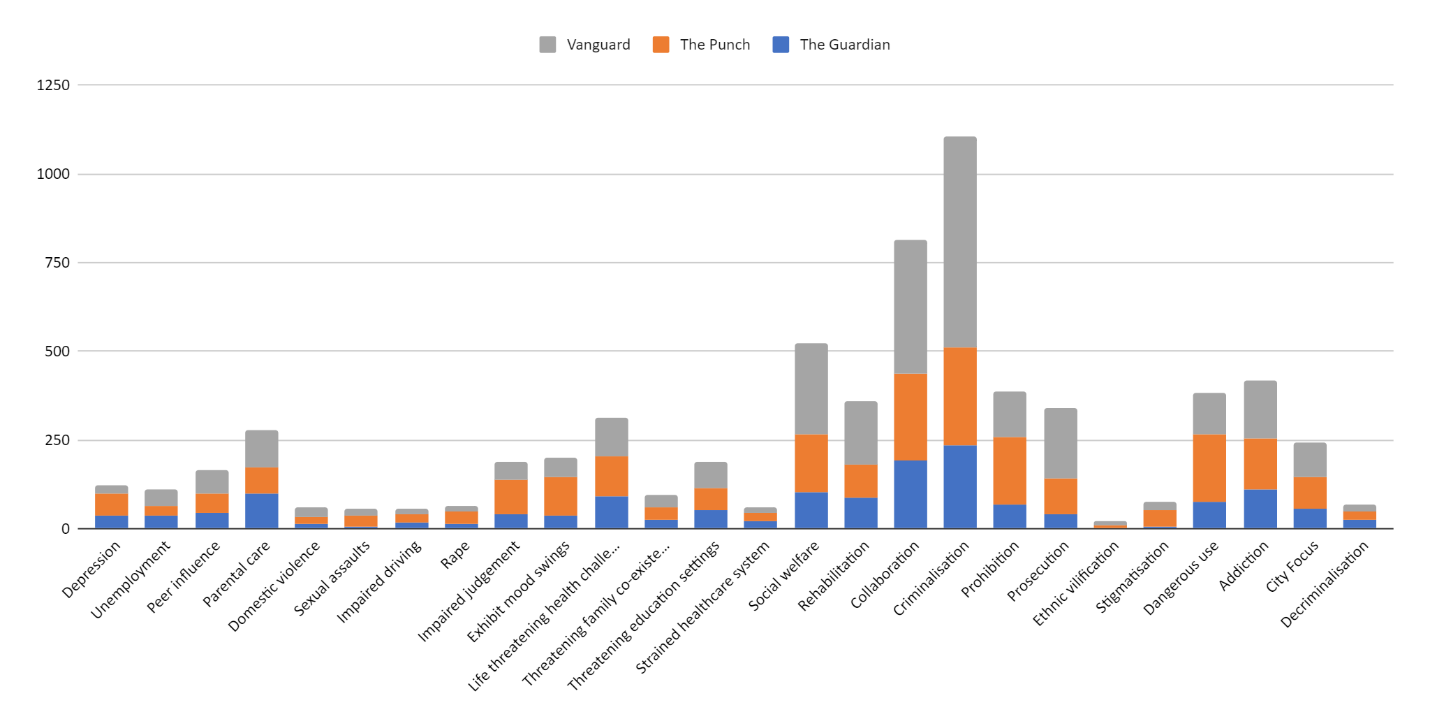
The duo used three major national dailies as data sources, The Guardian, The Punch, and The Vanguard, and focused on cause, consequence, solution, and treatment concerns, as well as narcotics categories stated by stakeholders in relation to the concerns. From the three newspapers, a total of 6, 565 concerns were identified from 4, 767 quotes collected from 1, 214 news stories covering the study period. Peer influence, parental care, unemployment, and depression were identified as cause concerns. Domestic violence, sexual assaults, impaired driving, rape, impaired judgment, exhibiting mood swings, life-threatening health problem, strained healthcare system, threatening family coexistence, and endangering educational settings are all potential consequences.  

Throughout the period, stakeholders focused their attention on social welfare, rehabilitation, collaboration, criminalization, prohibition and prosecution, and decriminalization as solution concerns, while ethnic vilification, stigmatization, dangerous use, addiction, and city focus served as treatments. Looking at various concerns, researchers concluded that stakeholders-sponsored concerns tend to fix users and other actors in illicit drug use and trading rather than addressing the problem holistically. In other words, stakeholders and the three newspapers expressed concerns about the likelihood of increased antagonism against users and traders. 

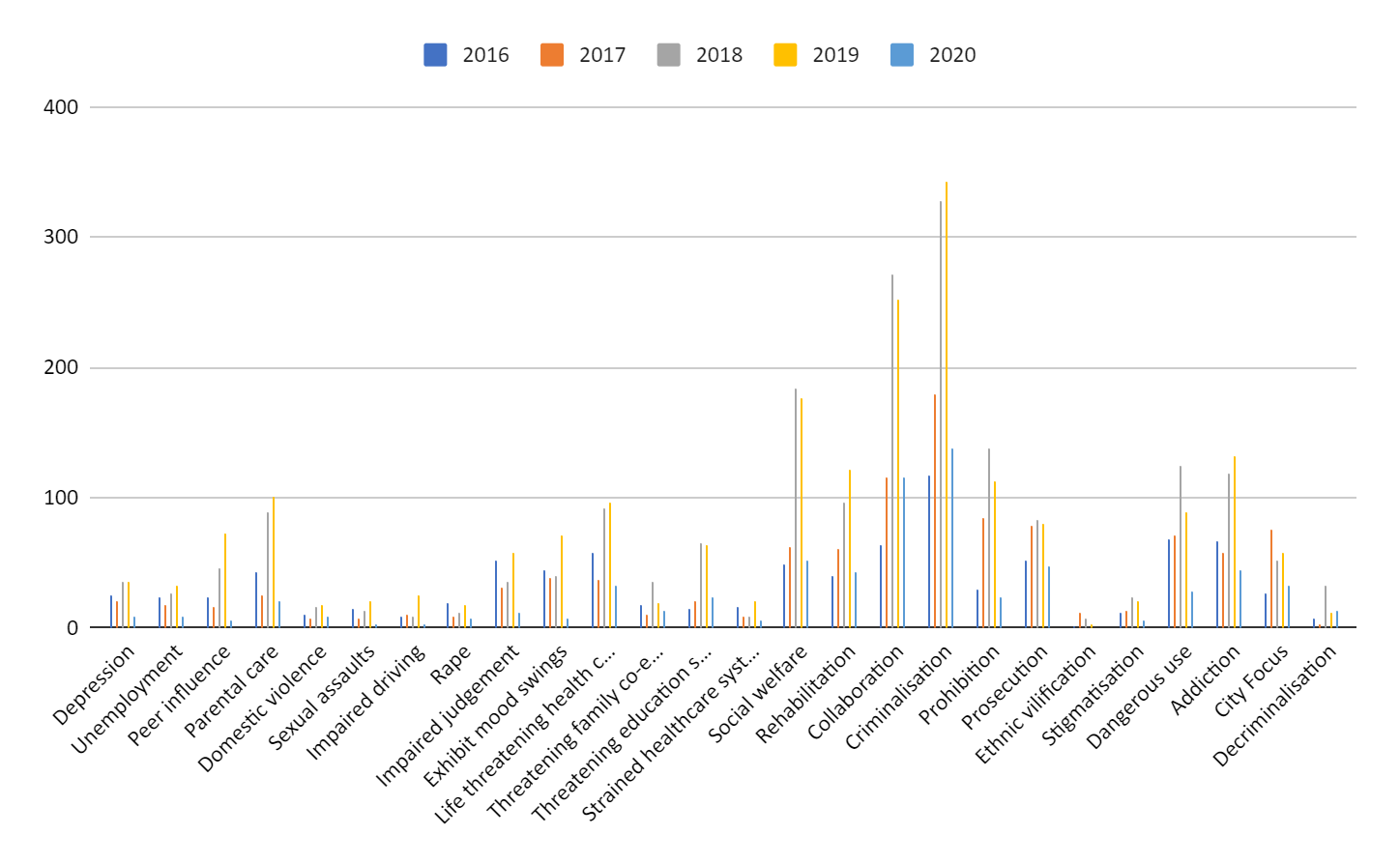
The examination of the data indicates that the journey begins with a panoramic view of the dominant concerns that pervade the narrative. Depression, unemployment, and peer influence emerge as formidable factors interwoven with the fabric of drug abuse. The newspapers and stakeholders, it seems, recognize the intricate dance between societal challenges, mental health, and external pressures that contribute to the vulnerability of individuals.

Exhibit 1: Concerns sponsored by year

Note: The chart is publicly available for interaction [here]

Familial Dynamics and Legal Philosophies

Amidst the myriad of concerns, one spotlight shines brightly on parental care. Here, the newspapers and stakeholders cast parents as pivotal influencers in the fight against drug abuse. This concern, like a guiding beacon, emphasizes the importance of proactive measures within families, advocating for a nurturing environment as the cornerstone of prevention. As the narrative unfolds, a tension surfaces in the opposing concerns of criminalization and decriminalization. The fervent debate echoes through the pages, mirroring a societal struggle between strict legal measures and a more lenient, rehabilitative approach. The dichotomy leaves policymakers at a crossroads, pondering the delicate balance between punishment and healing.

Exhibit 2: Specific concerns sponsored by stakeholder in the newspapers

Note: The chart is publicly available for interaction [here]

Exploring Social Realms and Collaborative Symphony

Venturing further, the social concerns come into focus. Social welfare and rehabilitation emerge as poignant concerns, underscoring the newspapers’ call for comprehensive approaches. Here, society is urged to extend a helping hand, recognizing that drug abuse is not merely a legal issue but a complex societal challenge requiring multifaceted solutions. A harmonious note resonates through the concern of collaboration. Newspapers and stakeholders articulate a powerful melody, advocating for the synergy of governmental bodies, communities, and non-governmental organizations. In this symphony, unity becomes the key to effective intervention and prevention, transcending individual efforts.

Confronting Prejudices

In this narrative wall-hanging, stigmatization and ethnic vilification emerge as darker threads. The newspapers shine a light on societal biases, urging for a narrative shift. The call is clear – combat stigma, avoid unfair vilification of specific ethnic groups, and foster a more compassionate understanding of those grappling with drug abuse.

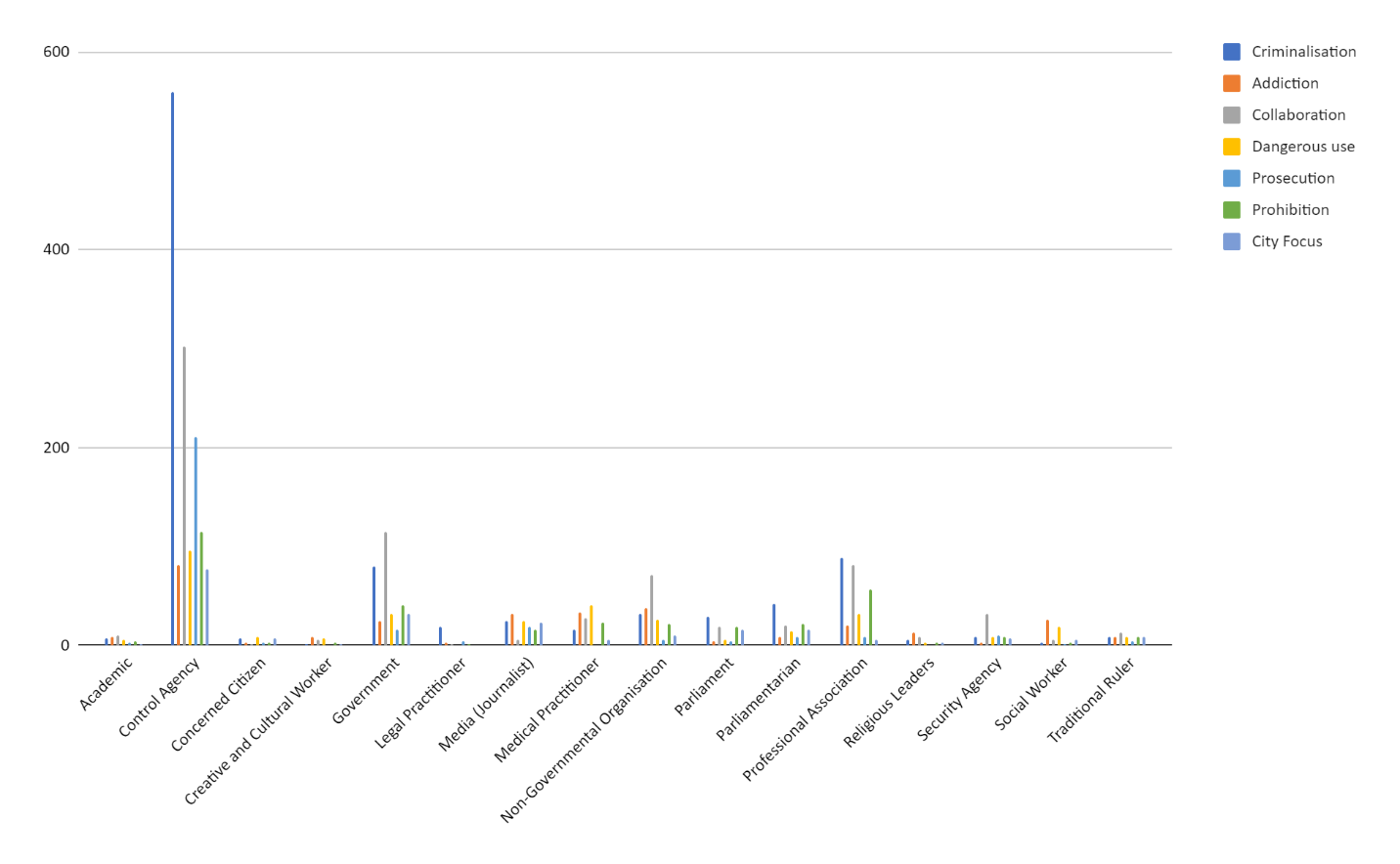
Exhibit 3: Dominant aspects of the social reality accentuated by stakeholder using fixing deviants approach

Note: The chart is publicly available for interaction [here]

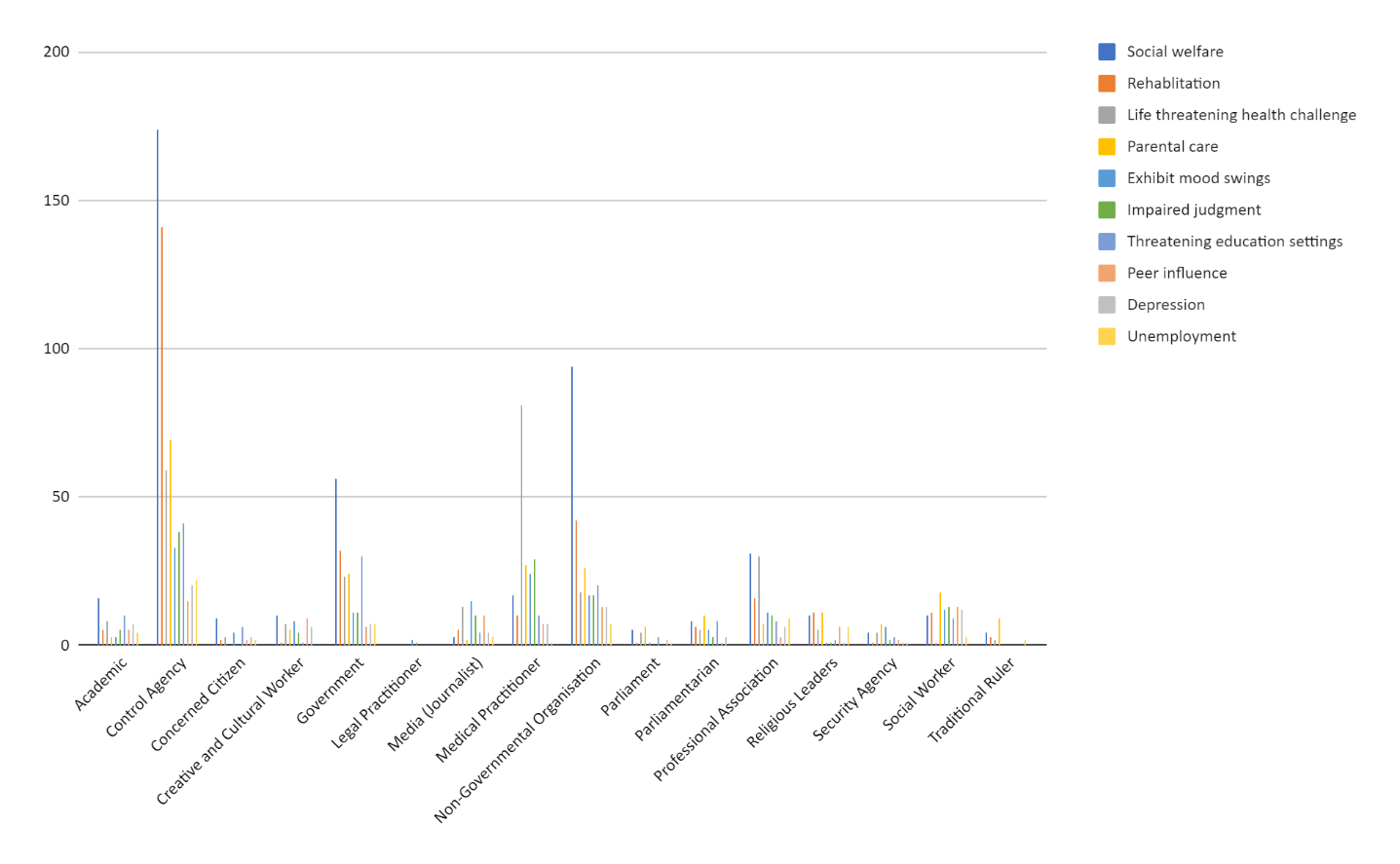
Exhibit 4: Dominant aspects of the social reality accentuated by stakeholder using solution approach

Note: The chart is publicly available for interaction [here]

Policy Crossroads

The narrative reaches a critical juncture when traversing the concerns of prosecution and prohibition. While stakeholders and newspapers advocate for stringent legal actions, the ongoing discourse on decriminalization hints at a potential paradigm shift. Policymakers are left to grapple with the complexities, weighing the scales between punitive measures and a more rehabilitative ethos.

As we conclude this narrative exploration, the call echoes for a holistic approach. Through collaboration, the dismantling of societal prejudices, and a commitment to evidence-based interventions, Nigeria can navigate the complex mosaic of drug abuse. This journey invites policymakers, communities, and individuals to engage in a collective effort, forging a narrative that embraces resilience, rehabilitation, and compassion in the face of the challenges posed by substance misuse.

Nigeria Suspends The Expatriate Employment Levy; We Must Discard It

1

If you read AO Lawal’s Economics textbook for secondary school students, you would not have seen “Knowledge” as a factor of production. It was not that Mr Lawal did not get the memo, what happened was that when he wrote his books, knowledge had not assumed a huge positioning in the market system. 

Fast-forward to this era, we are not just discussing knowledge within the context of factors of production, but as an economic anchor of itself; yes, knowledge-based economies where knowledge is supreme among all the other factors of production like land, capital, entrepreneur and workers. Fascinatingly, knowledge drives national competitiveness at scale.

So, when Nigeria wanted to monetize “Knowledge” via the Expatriate Employment Levy, not via its application, but its transaction, I noted that it was a bad policy. Good enough, the government has flipped and muted that policy:

 “The Federal Government of Nigeria has opted to suspend the implementation of the Expatriate Employment Levy (EEL) following intense deliberations with key stakeholders…EEL is a mandatory annual levy targeting organizations employing expatriate workers. Under this new regulation, companies are required to pay $15,000 for directors and $10,000 for other expatriate employees.” 

Sure, I get it: you want to protect local jobs and also make money from these expatriates. But what happens if the companies cannot even afford them, considering that you are already taxing whatever they’re coming to do in Nigeria? I have argued here that Nigeria needs more knowledge and technology transfer, and we must invest efforts to make that happen. 

How would that happen? More Google Design Centers and Microsoft Labs instead of sales offices in Nigeria. If we decide to tax those knowledge workers, and not just their outputs, many of these firms will not make Nigeria a destination for its best. 

So, we must NOT just suspend EEL, we need to discard it.

Nigeria Suspends Implementation of Expatriate Employment Levy Following Stakeholder Consultations

0

The Federal Government of Nigeria has opted to suspend the implementation of the Expatriate Employment Levy (EEL) following intense deliberations with key stakeholders.

The decision, disclosed in a statement by the National President of the Nigerian Association of Chambers of Commerce, Industry, Mines, and Agriculture (NACCIMA), Dele Kelvin Oye, marks a pivotal moment in the ongoing discourse surrounding economic policies impacting the nation.

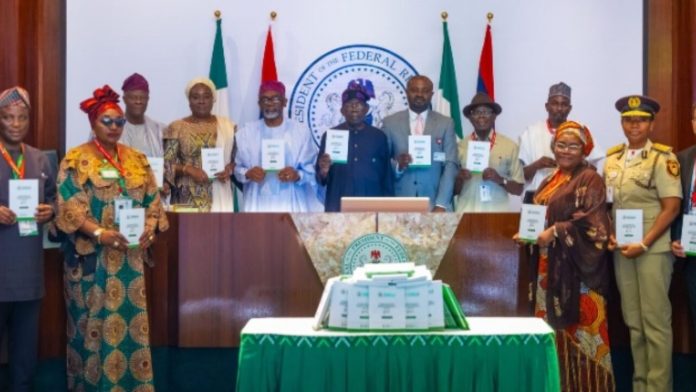
The suspension, announced on Friday, comes on the heels of a fruitful Trade and Investment outreach spearheaded by President Bola Ahmed Tinubu in Qatar. This outreach paved the way for a constructive meeting between high-ranking officials, including the Minister of Industry, Trade and Investment, Doris Aniete, and the Minister of Interior, Olubunmi Tunji-Ojo. Noteworthy attendees included representatives from various industry bodies such as the Petroleum Technology Association and the Special Economic Zones Association, the Director General of the Nigerian Turkiye Business Council, the European Union Trade delegation head, the NACCIMA Chair of Digital Trade Group, and the representatives of the National Association of Small and Medium Scale Enterprises.

Addressing the press, Oye elucidated on the rationale behind the temporary halt in the implementation of the EEL: “The Nigerian Association of Chambers of Commerce, Industry, Mines, and Agriculture, in collaboration with key stakeholders, announces a temporary step down of the recently enacted Expatriate Employment Levy by the Federal Ministry of Interior, as administered by the Nigerian Immigration Service,” he said.

The decision to suspend the levy comes in response to mounting concerns raised by private sector entities, who warned of adverse effects on Foreign Direct Investment (FDI) and the stability of the national currency. Criticism against the levy gained traction, prompting a reassessment of its implications by the government.

Highlighting the significance of the suspension, Oye noted the need for further consultations with relevant stakeholders.

“It was unanimously agreed that the implementation of the Expatriate Employment Levy will be paused, allowing for further consultations with NACCIMA and other vital stakeholders,” he said.

Moreover, Oye disclosed plans to establish a joint committee comprising representatives from the Ministry of Industry, Trade and Investment, the Ministry of Interior, NACCIMA, and other stakeholders. This committee will undertake a comprehensive review of the EEL policy, ensuring that it aligns with the nation’s economic objectives and fosters an environment conducive to investment.

Expressing gratitude towards the Federal Government and the ministries involved, Oye underscored their willingness to engage in dialogue and consider the concerns of the business community. “This is indicative of their commitment to creating an inviting atmosphere for both local and international investors,” he remarked.

In light of the decision to suspend the EEL, the NACCIMA boss offered reassurances to investors, urging them to maintain confidence in Nigeria’s investment landscape.

“We advise all investors, both current and prospective, to continue with their business activities and investment plans in Nigeria with confidence,” he affirmed.

The statements made by Oye signal a collaborative effort between the government and private sector stakeholders to navigate economic challenges and foster sustainable growth. Stakeholders said Nigeria’s suspension of the EEL reflects its determination to position itself as a prime destination for investments through recalibration of policies to support long-term economic growth.

Happy International Women’s Month

0

It’s International Women’s Month. I think this is an excellent time to celebrate women pushing past workplace barriers, combining the demands of their careers with the other competing demands in their lives. And I thought this should be an excellent time to discuss remote work culture as a feminist issue.

While we have hailed remote work for its flexibility and convenience, it has also emerged recently as a feminist issue, prompting a re-examination of traditional workplace norms and their impact on gender equality.

As professionals across various industries embrace remote work, let’s see how this trend intersects with feminism and its implications for gender equality in the workplace.

Historically, women have faced numerous barriers in the workplace, from the gender pay gap to limited opportunities for career advancement.

Traditional office environments often perpetuate these inequalities, with rigid schedules and expectations that may disproportionately affect women, particularly those with caregiving responsibilities.Remote work comes with an opportunity to challenge these norms and create a more inclusive and equitable work environment. One of the most significant ways in which remote work intersects with feminism is through its potential to mitigate the challenges faced by working mothers.

In industries such as technology and finance, where long hours and demanding schedules have traditionally been the norm, remote work offers a lifeline for women balancing professional ambitions with familial obligations.

Now, women need not sacrifice family demands for their career progression, or vice versa. By allowing employees to work from home, remote work can provide greater flexibility in managing childcare and household responsibilities, enabling women to remain active participants in the workforce longer than they might have otherwise without sacrificing their personal lives.

In a way also, remote work has the potential to level the playing field for women in male-dominated industries.Take, for example, the field of software engineering, where women continue to be underrepresented.

By eliminating the need for physical presence in the office, remote work allows women to contribute to projects and collaborate with colleagues regardless of their geographical location.

This can help overcome the isolation and exclusion that women in male-dominated fields often experience, fostering a more inclusive and supportive work environment. This does not suggest that remote work has become the panacea for gender inequality in the workplace. In some cases, remote work arrangements may even exacerbate existing disparities.

For example, women in lower-income industries, such as retail and hospitality, may be unable to work remotely due to the nature of their jobs.

Similarly, women from marginalized communities may lack access to the resources and infrastructure necessary to support remote work, such as reliable internet connectivity or a dedicated workspace.

Remote work has challenges for women, particularly those in leadership roles. Without the visibility and face-to-face interaction afforded by traditional office environments, it may not be as easy to assert authority and influence within the organizations, especially for women taking on leadership roles for the first time.

A 100% remote work arrangement can also starve them of the opportunity to shadow and learn under the guidance of other leaders. This can perpetuate gender stereotypes and ultimately hinder the woman’s career progression, undermining the potential benefits of remote work for gender equality.

To address these challenges, organizations that adopt remote work must adopt a holistic approach and be ready to tweak their remote work into one that prioritizes inclusivity and equity. This could involve implementing policies and practices that support work-life balance, such as flexible scheduling.

They could also invest in technology and infrastructure to ensure that all employees, regardless of their circumstances, can fully participate in remote work arrangements.

The goal is to eventually dismantle the systemic barriers that perpetuate gender inequality in the workplace. This includes addressing unconscious bias in hiring and promotion processes, providing mentorship and professional development opportunities for women, and promoting a culture of respect and inclusivity at all levels of the organization.

The theme for this year’s International Women’s Day Celebration is “Inspiring Inclusion,” it would be nice to begin to address across industries those barriers that cause women to be excluded at different stages of their careers.

Happy International Women’s Day.

Happy International Women’s Month