DD
MM
YYYY

PAGES

DD
MM
YYYY

spot_img

PAGES

Home Blog Page 3643

Benefits of Climate-Smart Agriculture in Nigeria

0

Climate change is one of the most pressing challenges facing the world today, especially for developing countries like Nigeria that depend largely on agriculture for food security, income, and employment. According to the World Bank, Nigeria is among the most vulnerable countries to climate change impacts, such as rising temperatures, erratic rainfall, droughts, floods, and pest infestations.

These impacts threaten to undermine the productivity and profitability of the agricultural sector, which contributes about 25% of the country’s GDP and employs about 70% of the labor force.

To cope with these challenges and ensure sustainable development, Nigeria needs to adopt climate-smart agriculture (CSA), an integrated approach that aims to increase agricultural productivity, enhance resilience to climate variability and change, and reduce greenhouse gas emissions.

CSA is not a one-size-fits-all solution, but rather a context-specific set of practices and technologies that can be tailored to different agro-ecological zones and socio-economic conditions. Some examples of CSA practices and technologies include:

Climate-resilient crop varieties: These are crops that have been bred or genetically modified to withstand drought, heat, salinity, pests, and diseases. For instance, researchers from the International Institute of Tropical Agriculture (IITA) have developed improved varieties of cassava, maize, cowpea, yam, and banana that can cope with climate stress and yield more than conventional varieties.

Conservation agriculture: This is a set of techniques that aim to conserve soil health and water resources by minimizing soil disturbance, maintaining soil cover, and diversifying crop rotations. Conservation agriculture can improve soil fertility, water retention, erosion control, and carbon sequestration, while reducing labor and input costs.

Agroforestry: This is a system that integrates trees with crops and/or livestock on the same land. Agroforestry can provide multiple benefits such as enhancing soil quality, diversifying income sources, providing fodder and fuelwood, creating microclimates, and sequestering carbon.

Precision farming: This is a system that uses information and communication technologies (ICTs) such as sensors, drones, satellites, mobile phones, and artificial intelligence to monitor and manage crop production. Precision farming can help farmers optimize inputs such as seeds, fertilizers, pesticides, and water, while increasing yields and reducing environmental impacts.

Water management: This is a set of strategies that aim to improve water availability and efficiency for irrigation and other purposes. Water management can include rainwater harvesting, drip irrigation, mulching, water recycling, and watershed management.

The benefits of CSA in Nigeria are manifold. First, CSA can boost food production and security by increasing crop yields and quality, diversifying food sources, and reducing post-harvest losses. According to a study by the International Food Policy Research Institute (IFPRI), CSA could increase Nigeria’s cereal production by 24% by 2050 compared to a business-as-usual scenario.

Second, CSA can enhance resilience and adaptation by reducing exposure and sensitivity to climate risks, strengthening coping and recovery capacities, and diversifying livelihood options. For example, a project by the World Bank-supported West Africa Agricultural Productivity Program (WAAPP) has helped over 200,000 farmers in Nigeria adopt CSA practices such as improved seeds, conservation agriculture, and agroforestry, resulting in increased incomes and reduced vulnerability to climate shocks.

Third, CSA can mitigate greenhouse gas emissions by reducing deforestation, enhancing carbon sinks in soils and biomass, and promoting low-carbon energy sources. According to a report by the Food and Agriculture Organization (FAO), Nigeria has the potential to reduce its agricultural emissions by 34% by 2030 through CSA interventions.

However, despite these benefits, CSA adoption in Nigeria faces several barriers such as lack of awareness among farmers and policymakers; lack of supportive policies and incentives; lack of access to finance; lack of extension services; lack of infrastructure; lack of markets; lack of research; lack of coordination; and socio-cultural factors. To overcome these barriers and promote uptake and integration of CSA into policy and practice in Nigeria.
Flutterwave Shuts Down Barter, Shifts Focus to Enterprise And Remittance Business Segments

0

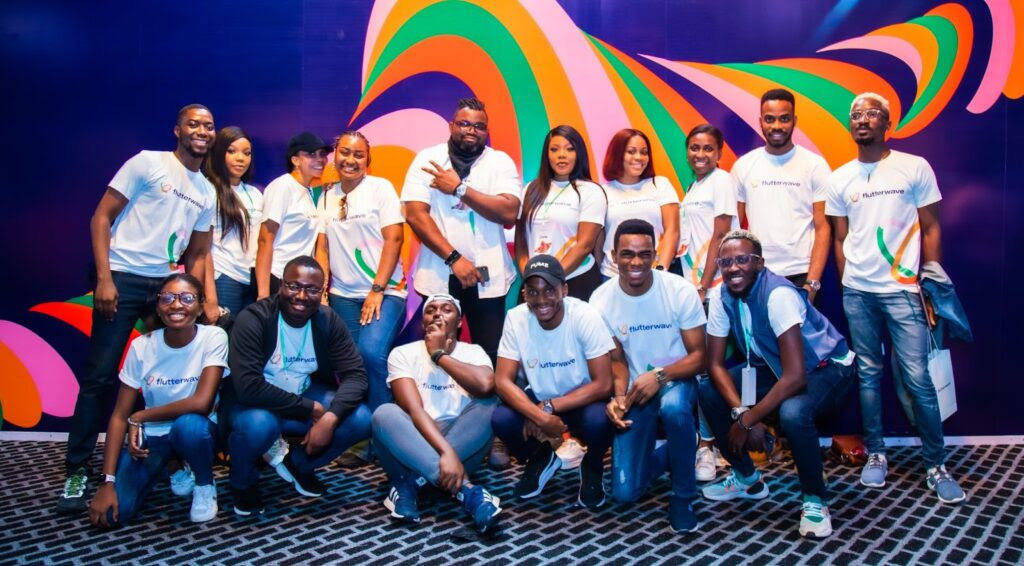
Nigerian fintech Unicorn Flutterwave has shut down its consumer payment platform Barter, as it shifts focus on its business and remittance segments.

While retail remains important to us, our immediate focus is optimizing services for businesses and remittance solutions”, the startup said.

In 2017, Flutterwave launched Barter as a consumer product that facilitated personal and small merchant payments within Africa and across its borders. Flutterwave was one of the first tech startups to offer Nigerians the ability to make international payments following the roll out of Barter.

According to the startup CEO Olugbenga Agboola, he said during the launch call that the app was rolled out to simplify digital payments so that more Africans can be included in the payment revolution. This was evident in the design of the app, which helped users manage their finances and earn endless benefits from merchants.

The shutdown of Barter is coming after Flutterwave in 2022, announced plans to revamp Barter to become a platform servicing platform and money transfer needs.

In July 2022, a temporary halt occurred due to internal issues at its card provider Union54. Reports revealed that startups who had previously issued virtual Visa dollar cards provided by Barter noted that it was not reliable enough.

Last month, in an email to customers the fintech notified users to withdraw their money stating that their Barter accounts will become inactive and accessing their funds will be impossible.

Before the shutdown of Barter, the app was a lifestyle payment solution that operated globally with an initial user base in Nigeria, Kenya, Ghana, and South Africa.

The app enabled Visa cardholders to initiate payments within the app and make online and mobile payments by attaching their card details to their GetBarter app profile while non-card carriers can generate a virtual card upon registration.

The app also enabled Visa users to receive money from any Visa card account either domestic or international.

With the shutdown of Barter, Flutterwave is doubling down on proven winners by focusing on remittance and enterprise. In October last year, the fintech disclosed that its biggest revenue driver was the enterprise segment. In comparison, Barter only accounted for about 1% of the company’s $2 billion worth of transactions.

Over the last few years, Flutterwave has doubled down on consumer payment services with new products such as Send App and Swap. The fintech remittance product aims to capture a significant market share in Africa’s $54 billion remittance market. It however remains unclear how much progress both products have made.

Tribalism is Unfortunately a Reason Why Identity Politics has Found Success

0

One of the challenges that modern societies face is the rise of identity politics, which is the tendency to form groups based on shared characteristics such as race, gender, religion, or ideology.

Identity politics is a term that refers to the political movements and ideologies that are based on the social identities of certain groups, such as race, gender, sexuality, religion, etc. Identity politics aims to empower and represent the interests and perspectives of these groups, especially those that have been marginalized or oppressed by the dominant culture.

Identity politics can have positive effects, such as empowering marginalized communities and promoting diversity and inclusion. However, it can also have negative consequences, such as creating divisions, conflicts, and polarization among different groups.

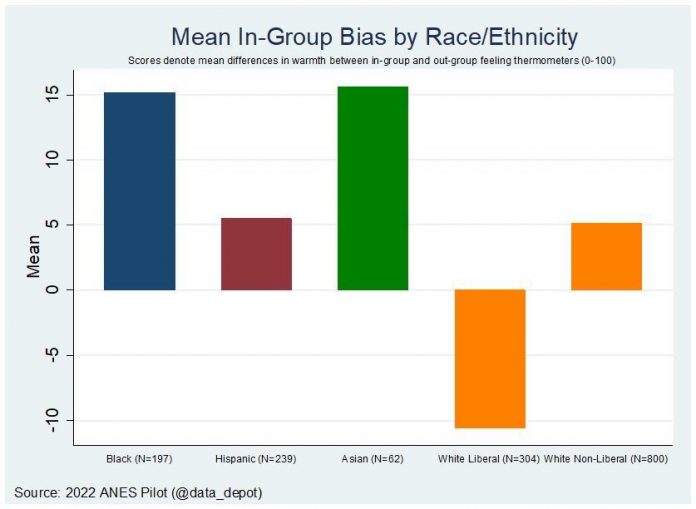
One of the factors that contributes to the emergence and success of identity politics is tribalism, which is the instinctive loyalty to one’s own group and hostility to others. Tribalism is a natural and ancient human behavior that evolved to help us survive in a hostile environment.

However, in today’s complex and interconnected world, tribalism can be counterproductive and harmful. It can prevent us from seeing the common humanity and interests that we share with others, and it can blind us to the flaws and biases of our own group.

Tribalism can also distort our perception of reality and make us more susceptible to misinformation and propaganda. It can make us ignore or dismiss facts and evidence that contradict our group’s beliefs or narratives, and it can make us accept or amplify claims and rumors that support our group’s agenda or identity. Tribalism can also make us more intolerant and aggressive towards those who disagree with us or challenge our group’s views or values.

Therefore, it is important to recognize and overcome the influence of tribalism on our thinking and behavior. We should not let our identity define our entire personality or worldview, nor should we let it determine who we associate with or oppose.

Some examples of identity politics are:

The civil rights movement in the United States, which fought for the legal and social equality of African Americans and other racial minorities.

The feminist movement, which advocated for the rights and opportunities of women in various spheres of life, such as education, work, health, and politics.

The LGBTQ+ movement, which campaigned for the recognition and acceptance of diverse sexual orientations and gender identities. The indigenous rights movement, which sought to protect the cultural heritage and autonomy of native peoples around the world.

The environmental movement, which raised awareness and action on issues such as climate change, pollution, biodiversity, and sustainability.

We should be open-minded and curious about other perspectives and experiences, and we should seek to understand and respect the differences and similarities among different groups. We should also be critical and humble about our own opinions and assumptions, and we should be willing to revise them when new information or evidence emerges.

By doing so, we can foster a more constructive and cooperative dialogue among different groups, and we can find common ground and solutions for the challenges that we face as a society. We can also enrich our own knowledge and experience by learning from others and appreciating their contributions. Ultimately, we can transcend the limitations of tribalism and identity politics, and we can embrace a more inclusive and universal vision of humanity.

How Bitcoin Has Performed Since the FTX Bankruptcy

0

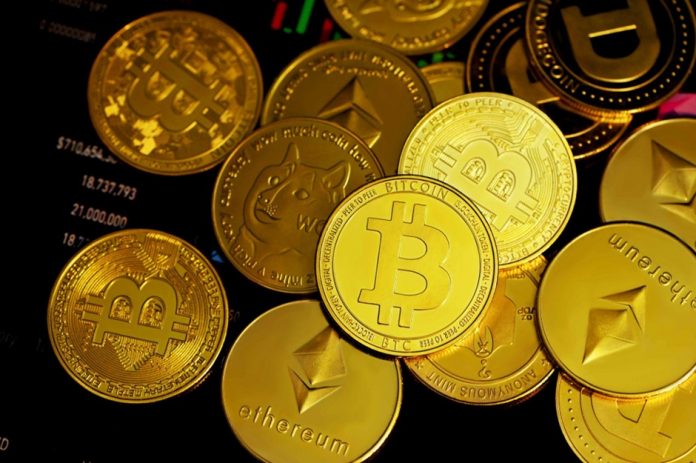
Bitcoin, the world’s largest cryptocurrency, has reached a new all-time high of over $69,000 on March 5, 2024, according to CoinMarketCap. This remarkable achievement comes less than two years after the infamous FTX scandal that rocked the crypto industry and sent prices tumbling.

What was the FTX scandal?

FTX was one of the largest and most popular crypto exchanges in the world, offering a variety of services such as spot trading, futures contracts, options, leveraged tokens, and more. It had millions of users and processed billions of dollars in daily volume.

However, in February 2022, FTX announced that it had filed for bankruptcy after suffering massive losses due to a series of cyberattacks, frauds, and lawsuits. The exchange claimed that it was unable to access its cold wallets, where most of its funds were stored, and that it had no other option but to cease operations.

The FTX collapse triggered a wave of panic and uncertainty in the crypto market, as many investors feared that their funds were lost or inaccessible. The price of Bitcoin dropped from nearly $69,000 in November 2021 to less than $17,000 in March 2022, a decline of more than 75%. Other cryptocurrencies also suffered heavy losses, as the market capitalization of the entire crypto sector shrunk by more than $1 trillion.

How did Bitcoin bounce back?

Despite the FTX disaster, Bitcoin proved to be resilient and adaptable, as it gradually regained its momentum and popularity over the next two years. Several factors contributed to Bitcoin’s recovery, such as:

The approval of spot Bitcoin ETFs in January 2024 by the U.S. Securities and Exchange Commission (SEC). These ETFs allow investors to buy and sell shares that track the price of Bitcoin without having to deal with the complexities and risks of owning or storing the actual cryptocurrency.

The approval of Bitcoin ETFs was seen as a major milestone for the crypto industry, as it signaled a higher level of legitimacy and acceptance by regulators and mainstream investors.

The anticipation and occurrence of the Bitcoin halving in April 2024. The halving is an event that occurs every four years, where the reward for mining new blocks of Bitcoin is cut in half. This reduces the supply of new Bitcoins entering the market, creating a scarcity effect that tends to drive up the price.

The halving also increases the difficulty and cost of mining, making it more profitable for miners to hold rather than sell their Bitcoins. Historically, Bitcoin has experienced significant price increases in the months leading up to and following each halving.

The diversification and innovation of the crypto ecosystem. Despite the FTX setback, the crypto industry continued to grow and evolve, offering new products and services that catered to different needs and preferences of users.

For example, decentralized finance (DeFi) platforms emerged as a popular alternative to traditional financial institutions, providing users with access to lending, borrowing, trading, saving, and more without intermediaries or centralized control.

Similarly, non-fungible tokens (NFTs) became a hot trend in the digital art and entertainment space, allowing creators and collectors to buy and sell unique digital assets that represent ownership and authenticity.

The increased adoption and awareness of Bitcoin by various sectors and segments of society. Bitcoin gained more exposure and recognition as a viable form of money and investment by various entities such as governments, corporations, celebrities, institutions, and individuals.

For example, some countries such as El Salvador and Ukraine legalized Bitcoin as a legal tender or an asset class, respectively. Some companies such as Tesla and MicroStrategy added Bitcoin to their balance sheets or accepted it as a payment method. Some celebrities such as Jack Dorsey and Paris Hilton endorsed or promoted Bitcoin on their social media platforms.

Some institutions such as Harvard University and BlackRock invested in Bitcoin or offered crypto-related services to their clients. Some individuals such as Michael Saylor and Chamath Palihapitiya became vocal advocates and influencers of Bitcoin.

What are the challenges and opportunities for Bitcoin?

Bitcoin has come a long way since the FTX fiasco, but it still faces some challenges and uncertainties that could affect its future performance. Some of these include:

The regulatory environment. While some regulators have shown a more favorable attitude towards Bitcoin and crypto in general, others have remained skeptical or hostile.

For example, China has banned all crypto-related activities within its borders, while India has proposed a bill that would criminalize the possession or use of cryptocurrencies. These actions could have negative impacts on the demand and supply of Bitcoin, as well as its reputation and credibility.

The technical issues. Bitcoin relies on a network of computers, or nodes, that validate and record transactions on a public ledger, or blockchain. However, this network is not immune to glitches, errors, or attacks that could compromise its security, functionality, or scalability.

For example, in May 2020, a software bug caused a temporary split in the Bitcoin network, creating confusion and uncertainty among users. In October 2021, a massive, distributed denial-of-service (DDoS) attack targeted several Bitcoin nodes, slowing down the network and disrupting transactions.

The competition. Bitcoin is not the only cryptocurrency in the market, nor is it the most advanced or efficient. There are thousands of other cryptocurrencies that offer different features, benefits, and trade-offs that could appeal to different users.

For example, Ethereum is a platform that enables smart contracts and decentralized applications that can perform complex functions beyond just transferring value.

Litecoin is a cryptocurrency that offers faster and cheaper transactions than Bitcoin. Cardano is a cryptocurrency that aims to solve some of the challenges of scalability, interoperability, and sustainability that plague Bitcoin and other cryptocurrencies.

On the other hand, Bitcoin also has some unique advantages and opportunities that could enhance its value and adoption in the long run. Some of these include:

The network effect. Bitcoin is the oldest, largest, and most widely used cryptocurrency in the world, with millions of users and supporters across the globe. It has established itself as the leader and standard-bearer of the crypto industry, enjoying a high level of trust, recognition, and influence. It also has a vibrant and diverse community of developers, miners, investors, enthusiasts, and advocates who contribute to its innovation and improvement. The network effect creates a positive feedback loop that makes Bitcoin more valuable and attractive as more people join and use it.

  • The scarcity factor. Bitcoin has a fixed supply of 21 million coins that will ever be created, making it a scarce and deflationary asset. This means that as the demand for Bitcoin increases over time, its price will tend to rise as well. Unlike fiat currencies that can be printed or manipulated by governments or central banks, Bitcoin is immune to inflation or devaluation. It also has a predictable and transparent monetary policy that is governed by mathematical rules rather than human whims.

The hedge factor. Bitcoin has often been compared to gold as a store of value and a hedge against inflation, currency debasement, or geopolitical risks. As the world faces unprecedented challenges such as the COVID-19 pandemic, climate change, social unrest, and political instability, many people are looking for alternative ways to preserve and protect their wealth and purchasing power.

Bitcoin offers an attractive option for those who seek to diversify their portfolios and reduce their exposure to traditional assets such as stocks, bonds, or commodities.

Bitcoin has demonstrated remarkable resilience and adaptability since the FTX bankruptcy that shook the crypto world in 2022. It has bounced back to new heights thanks to various factors such as regulatory approval of ETFs, halving events, ecosystem diversification and innovation, and increased adoption and awareness.

However, Bitcoin is not without challenges and uncertainties that could pose threats or obstacles to its growth and stability. It also faces competition from other cryptocurrencies that offer different value propositions and solutions.

Ultimately, Bitcoin’s future will depend on how well it can overcome these challenges and leverage these opportunities to maintain its relevance and dominance in the crypto space.

Crypto Market has Grown into a Sophisticated and Diverse Asset Class in the last Three Years

0

The crypto market has undergone a remarkable transformation in the last three years. From being a niche and volatile sector dominated by Bitcoin, it has evolved into a sophisticated and diverse asset class that offers a range of opportunities for investors, traders, developers and entrepreneurs.

One of the main drivers of this change has been the emergence and adoption of decentralized finance (DeFi), which is a set of protocols and applications that aim to provide financial services without intermediaries, using blockchain technology and smart contracts. DeFi has enabled users to access lending, borrowing, trading, investing, insurance and more in a permissionless and transparent way, creating new possibilities for innovation and inclusion.

Another key factor has been the growth and diversification of the crypto ecosystem, which now includes thousands of different tokens, platforms and projects, each with its own value proposition, use case and community.

Some of the most prominent examples are Ethereum, which is the leading platform for smart contracts and decentralized applications; Binance Coin, which is the native token of the largest crypto exchange by volume; Cardano, which is a scalable and sustainable platform for smart contracts and governance; and Polkadot, which is a network that connects and secures different blockchains.

The crypto market has also attracted more attention and participation from institutional investors, regulators, media and mainstream audiences, as it has demonstrated its resilience, innovation and potential. The market capitalization of all cryptocurrencies has increased from around $200 billion in March 2018 to over $2 trillion in March 2021, reaching new highs and lows along the way.

The crypto market has also witnessed some historic events, such as the launch of Bitcoin futures and options, the emergence of stablecoins and central bank digital currencies, the rise of non-fungible tokens (NFTs) and the adoption of crypto by major companies like Tesla, PayPal and MicroStrategy.

The crypto market is not without its challenges and risks, however. It still faces issues such as volatility, security breaches, regulatory uncertainty, scalability limitations and environmental concerns. Moreover, it is constantly evolving and changing, requiring constant learning and adaptation from its participants. The crypto market is not for the faint-hearted or the uninformed, but for those who are willing to embrace its opportunities and challenges with curiosity, creativity and courage.

One of the most interesting trends in the crypto space lately is the shift in attention from the big-picture narratives to the actual market dynamics. Instead of debating how DeFi or Web3 will disrupt the legacy financial system, many crypto enthusiasts are now more focused on the supply and demand factors that drive the price movements of various tokens and coins.

This is a sign of maturity and pragmatism, as well as a recognition that crypto is not just a theoretical concept, but a real and evolving market with its own rules and patterns.

Hong Kong Monetary Authority Announces New Wholesale CBDC Project

Meawnhile, the Hong Kong Monetary Authority (HKMA), the central bank of Hong Kong, has announced a new project to explore the use of a wholesale central bank digital currency (CBDC) for cross-border payments and tokenization of assets. The project, named e-HKD, aims to provide a fast, secure and efficient platform for financial institutions and corporates to conduct transactions using digital tokens backed by the Hong Kong dollar.

According to a press release issued by the HKMA on March 7, 2024, the e-HKD project will be conducted in two phases. The first phase will focus on the design and technical feasibility of the e-HKD system, while the second phase will involve testing and evaluation of the system with selected banks and payment service providers. The HKMA expects to complete the first phase by the end of 2024 and launch the second phase in early 2025.

The e-HKD will be issued by the HKMA and backed by its reserves, ensuring its stability and credibility. The e-HKD will be distributed through a network of authorized institutions, such as banks and payment service providers, who will provide digital wallets and other services to users.

The e-HKD will be interoperable with other payment systems, such as Faster Payment System (FPS) and Octopus, and can be used for various types of transactions, such as retail purchases, cross-border remittances and peer-to-peer transfers.

The e-HKD will also have several features that distinguish it from other forms of digital money, such as cryptocurrencies and stablecoins. For example, the e-HKD will be fully compliant with the legal and regulatory frameworks of Hong Kong, ensuring its safety and reliability.

The e-HKD will also respect the privacy and data protection rights of users, while adhering to the anti-money laundering and counter-terrorist financing standards. Moreover, the e-HKD will be designed to minimize the environmental impact of its operation, by using energy-efficient technologies and processes.

The e-HKD project is part of the HKMA’s ongoing efforts to promote innovation and financial inclusion in Hong Kong, as well as to enhance its role as an international financial hub. The HKMA has been actively exploring the potential of CBDCs since 2017, when it launched a joint research project with the Bank of Thailand to study the application of CBDCs for cross-border payments.

The project, known as Project Inthanon-Lionrock, successfully demonstrated the feasibility and benefits of using CBDCs for cross-border fund transfers, foreign exchange transactions and regulatory compliance.

The e-HKD project will build on the findings and experience of Project Inthanon-LionRock, but will also extend its scope to cover the tokenization of assets. The HKMA believes that tokenization, which refers to the process of converting physical or digital assets into digital tokens that can be traded on a blockchain or distributed ledger platform, can offer significant advantages for the financial sector, such as improved liquidity, transparency and security.

The HKMA also hopes that the e-HKD project will foster collaboration and interoperability among different jurisdictions and platforms that are developing or adopting CBDCs or digital tokens. The HKMA plans to work closely with other central banks and international organizations, such as the Bank for International Settlements and the Financial Stability Board, to ensure that the e-HKD system is aligned with global standards and best practices.

The HKMA’s Chief Executive, Mr Eddie Yue, said in a statement: “The e-HKD project is a strategic initiative that will position Hong Kong as a leader in the digital economy.

By leveraging our strengths in fintech and innovation, we aim to provide a cutting-edge solution for cross-border payments and tokenization that will enhance efficiency, security and convenience for our financial sector and our society. We look forward to working with our partners and stakeholders to make this vision a reality.”

The e-HKD project is a bold and visionary initiative that reflects the HKMA’s commitment to foster a more innovative, inclusive and sustainable financial system in Hong Kong. The e-HKD will not only offer a new choice of payment instrument for users, but also create new opportunities for businesses and society. The e-HKD will also enhance Hong Kong’s status as an international financial center and a hub for digital finance in Asia.