DD
MM
YYYY

PAGES

DD
MM
YYYY

spot_img

PAGES

Home Blog Page 3670

Egyptian President ‘astonished’ by World’s Silence on Collective Punishment in Gaza’; Israel is withdrawing its diplomats from Turkey

0

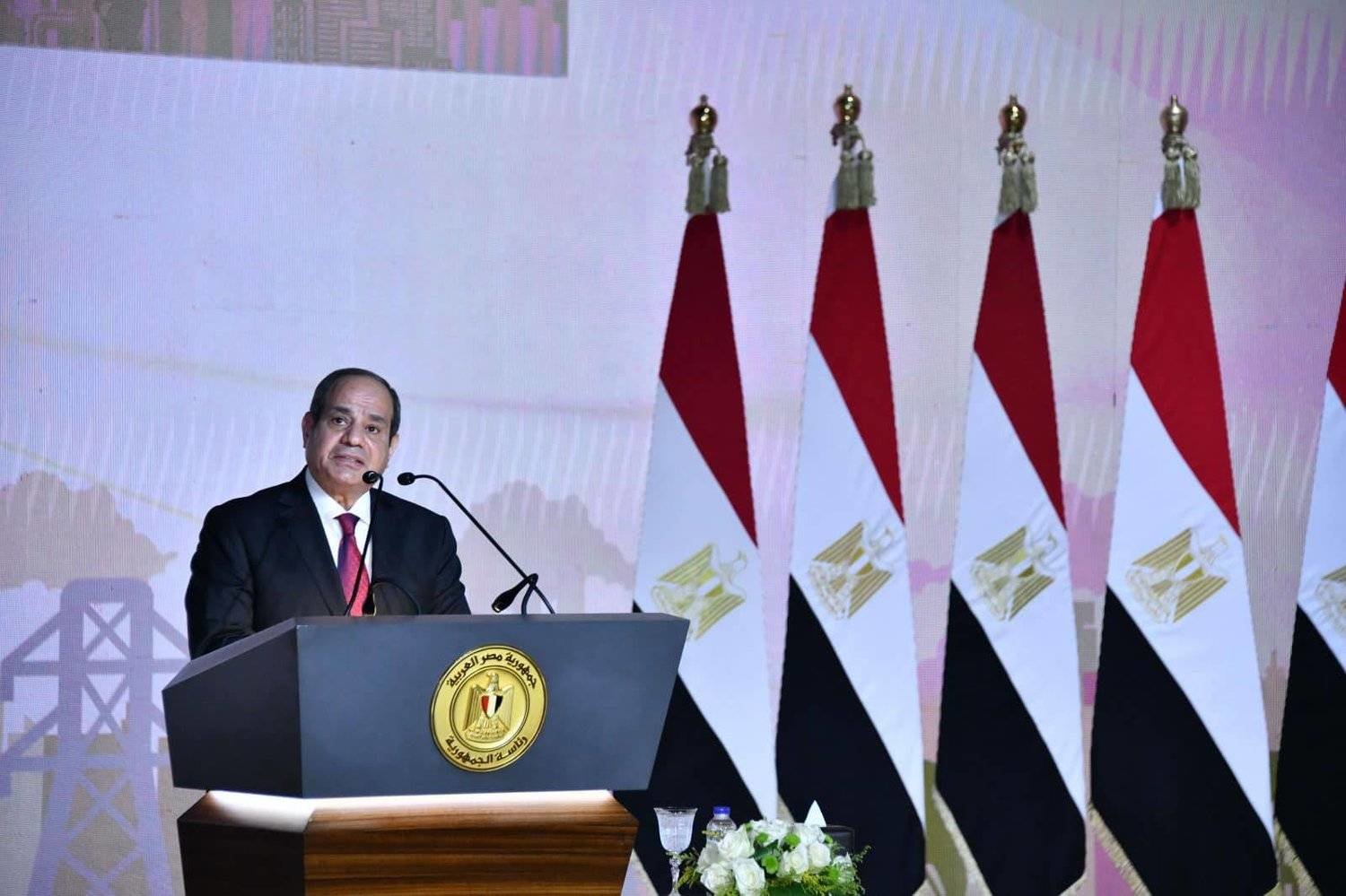
Egypt’s president Abdel Fattah el-Sisi has expressed his dismay at the lack of international response to the humanitarian crisis in Gaza, where Israel has imposed a blockade since 2007. In a televised speech, el-Sisi said he was “astonished” that the world was silent about the “collective punishment” of the Palestinian people in Gaza, who are suffering from shortages of food, water, electricity and medicine.

El-Sisi said that Egypt, which shares a border with Gaza, has been trying to mediate between Israel and Hamas, the Islamist group that controls the enclave, to reach a lasting ceasefire and lift the siege. He said that Egypt has also been providing humanitarian aid to Gaza, including opening its Rafah crossing to allow the passage of goods and people.

El-Sisi urged the international community, especially the United Nations, to take action to end the suffering of the Gazans and to support the efforts to achieve peace and stability in the region. He said that Egypt supports the two-state solution, which would grant an independent state to the Palestinians alongside Israel, with East Jerusalem as its capital.

Egyptian President Abdel Fattah El-Sisi called on the international community, especially the United Nations, to intervene in the Gaza Strip and end the humanitarian crisis there. He also expressed his support for the efforts to achieve peace and stability in the region and urged all parties to respect the ceasefire agreement.

El-Sisi said that Egypt is committed to helping the people of Gaza and facilitating the reconstruction process. He praised the role of Egypt in mediating between Israel and Hamas and stressed the importance of dialogue and cooperation to resolve the conflict. He also reiterated his support for the two-state solution and the rights of the Palestinian people.

El-Sisi’s statement reflects his concern for the situation in Gaza, which has been under siege by Israel for more than a decade. The recent escalation of violence in 2023 resulted in hundreds of casualties and widespread destruction. The UN has warned that Gaza is facing a humanitarian catastrophe, with shortages of food, water, electricity and medical supplies.

El-Sisi’s statement also shows his desire to play a leading role in the region, and to enhance Egypt’s relations with both Israel and the Palestinian Authority. Egypt has a strategic interest in maintaining stability and security in the region and preventing further escalation of violence. Egypt also hopes to boost its economic and diplomatic ties with Israel, while maintaining its support for the Palestinian cause.

He also called on the Palestinian factions to unite and reconcile, saying that their division only serves the interests of their enemies. He said that Egypt is ready to host a dialogue between the Palestinian groups to end their disputes and form a national unity government.

El-Sisi’s speech comes amid renewed tensions between Israel and Hamas, which have exchanged rocket fire and airstrikes in recent weeks. The violence has raised fears of another war in Gaza, which has already witnessed four conflicts since 2008, resulting in thousands of deaths and widespread destruction.

Israel is withdrawing its diplomats from Turkey

In a surprising move, Israel has announced that it is withdrawing its diplomats from Turkey, citing security concerns and diplomatic tensions. This decision comes amid growing hostility between the two countries, which have been allies for decades.

The Israeli Foreign Ministry said in a statement that it has instructed its embassy staff in Ankara and its consulate staff in Istanbul to return to Israel as soon as possible. The statement did not specify how long the withdrawal would last but said that it was a “temporary measure” until the situation improves.

The statement also said that Israel regrets the deterioration of relations with Turkey and hopes to restore them to their previous level of cooperation and friendship. It added that Israel values its ties with the Turkish people and will continue to provide consular services to Israeli citizens in Turkey through other channels.

Israel and Turkey have a long and complex history of relations, which have gone through several phases of cooperation and confrontation. The two countries established diplomatic ties in 1949, shortly after Israel’s creation, and became strategic allies in the Middle East, sharing common interests and threats.

The relations reached their peak in the 1990s, when the two countries signed several agreements on military, economic, cultural, and intelligence cooperation. They also coordinated their policies on regional issues, such as the Arab Israeli peace process, the Kurdish question, and the Iranian nuclear program.

However, the relations began to deteriorate in the 2000s, as Turkey’s ruling Justice and Development Party (AKP) adopted a more Islamist and nationalist agenda and shifted its foreign policy from a pro-Western orientation to a more assertive and independent stance. The AKP also sought to increase Turkey’s influence and leadership in the Muslim world, and to challenge Israel’s role and legitimacy in the region.

The relations reached a breaking point in 2010, when Israeli commandos killed nine Turkish activists on board a ship that was trying to break the Israeli blockade of Gaza. Turkey expelled the Israeli ambassador, suspended military and trade ties, and demanded an apology and compensation from Israel. The two countries normalized relations in 2016, after Israel met Turkey’s demands, but the trust and friendship were never fully restored.

The relations have continued to deteriorate since then, as new disputes and conflicts have emerged over various regional issues, such as the Israeli-Palestinian conflict, the Syrian civil war, the Libyan civil war, the Eastern Mediterranean gas dispute, and the normalization of ties between Israel and some Arab states.

The relations reached a new low last week, when Turkish President Recep Tayyip Erdogan called Israel a “terrorist state” and a “murderer of children” in a speech at the United Nations General Assembly. He also accused Israel of “ethnic cleansing” and “apartheid” against the Palestinians.

In response, Israeli Prime Minister Naftali Bennett called Erdogan’s remarks “antisemitic” and “hypocritical” and said that Turkey was “the last country that can preach to Israel”. He also said that Erdogan was “obsessed” with Israel and should focus on solving his own problems.

The withdrawal of diplomats is the latest escalation in a series of disputes between Israel and Turkey, which have been strained by several issues, including the Israeli-Palestinian conflict, the Turkish invasion of northern Syria, and the Turkish support for Hamas and other Islamist groups.

Turkey has repeatedly condemned Israel for its policies and actions in the occupied territories and has accused it of committing war crimes and human rights violations. Turkey has also expressed solidarity with the Palestinians and has hosted several Hamas leaders in Ankara.

However, the reconciliation was short-lived, as new tensions emerged over various regional issues. The withdrawal of diplomats is likely to further damage the prospects of cooperation between Israel and Turkey, which have shared interests in areas such as energy, trade, tourism, and security.

The withdrawal of diplomats is also likely to have implications for the wider Middle East, where both countries play influential roles. The move could affect the balance of power and alliances in the region, and could create new challenges for the United States, which considers both countries as strategic partners.

SERAP Takes Legal Action to Prevent Nigerian Lawmakers From Receiving N57.6 Billion Worth of SUVs

0

The Social-Economic Rights and Accountability Project (SERAP) has taken legal action by urging the Federal High Court in Lagos to prevent Nigerian legislators from procuring and taking delivery of 360 SUVs worth N57.6 billion, pending the hearing and determination of the applications for injunction filed by the organization.

SERAP filed a lawsuit after it received a report that the Nigerian Senate leader Godswill Akpabio and the speaker of the House of Representatives Tajuden Abbas are planning to splash N40 billion on 465 exotic bulletproof vehicles.

Reports reveal that each SUVs will cost taxpayers at least N160 million. In a letter dated 21 October 2023, the organization urged the presidency to exercise his executive powers to refrain the lawmakers from taking delivery of the planned procurement of bulletproof SUVs.

The letter reads in part,

Allowing the National Assembly to go ahead and purchase and take delivery of the SUVs would prejudice the outcome of the suit pending in court and make a mockery of the rule of law. Unless you exercise your executive powers and discharge your constitutional oath of office act as recommended, the lawmakers would go ahead to procure and take delivery of the N57.6 billion vehicles, and thereby present the court with a fait accompli.

“It would invariably hamstring the ability of the court to do justice in the pending suit and applications for an injunction. Stopping the leadership of the House of Representatives and members from going ahead to procure and take delivery of the SUVs, pending the hearing and determination of the applications for injunction would be entirely consistent with the notions of the rule of law, judicial independence, and integrity and the public interest.

Exercising your constitutional powers in this matter would promote the effective administration of justice and maintaining the integrity of the claims against the lawmakers. Allowing the House of Representatives to procure and take delivery of the 360 SUVs for its members and the Senate to go ahead with its planned purchase of close to 500 SUVs while the applications for injunction are pending before the court would be detrimental to the rule of law and the public interest. We would therefore be grateful if the recommended measures are taken upon the receipt and/or publication of this letter.”

SERAP further stated that the Tinubu-led administration must uphold the rule of law and the integrity of the judicial process as demanded under the United Nations Convention against Corruption and human rights treaties to which Nigeria is a state party.

Founded in 2004, SERAP has remained dedicated to promoting transparency and accountability in the use of Nigeria’s natural resources. The organization believes that Nigeria’s large natural resource base should be used to meet the basic needs of its population.

Notably, also reacting to the Nigerian lawmakers proposed procurement of exotic SUVs, public affairs analyst Marcus Ijioma said the National Assembly is becoming quite expensive, and suggested that the ‘subsidy’ on that arm of government be removed.

“It’s time to remove subsidy from National Assembly, we can no longer subsidize their lifestyle,” he said.

Avert the Brink of a Third World War

0

We preach peace. We preach unity. We preach diversity. We proclaim humanity first. Yet, we create weapons with the intent of harming one another. From the First World War to the Second, we lost millions of people and destroyed properties in the name of the same humanity we claim to prioritize above all else. World War II resulted in over 70-85 million casualties, encompassing both soldiers and civilians. Entire cities were reduced to rubble, and economies were left in ruins. The Marshall Plan, spearheaded by the United States, played a critical role in the reconstruction of war-torn Europe and the revival of its economy.

Korean War (1950-1953) led to an estimated 2.5 million casualties, with countless civilian lives disrupted. The war left the Korean Peninsula divided, with North and South Korea taking separate paths in terms of political and economic development. Vietnam War (1955-1975) resulted in an estimated 1.3 to 3.9 million casualties, and it had long-lasting socioeconomic consequences. The war disrupted the country’s agricultural sector and left a legacy of environmental damage due to the widespread use of herbicides like Agent Orange.

The ideological and political rivalry between the United States and the Soviet Union during the Cold War led to numerous proxy conflicts around the world, from the Middle East to Latin America. These conflicts caused considerable instability and hindered socioeconomic development in many nations. The Gulf War (1990-1991), which centred on Iraq’s invasion of Kuwait, resulted in thousands of casualties and had economic repercussions for both Iraq and Kuwait. The war disrupted oil production and distribution, impacting the global economy.

The Balkans (1990s) conflicts in the Balkans, including the breakup of Yugoslavia, resulted in numerous casualties and devastating consequences for the region. Ethnic cleansing, displacement, and war crimes left deep scars on the socioeconomic fabric of the affected countries. The wars in Afghanistan and Iraq, which followed the 9/11 attacks, have caused substantial casualties and long-lasting economic impacts in the affected regions. These conflicts continue to shape the political and economic landscape of the Middle East.

As posited earlier, these conflicts, with their immense human costs and socioeconomic disruptions, underscore the urgent need for global leaders to pursue peaceful resolutions to conflicts and prioritize cooperation and diplomacy over the devastating consequences of war.

Dear Global Leaders,

I write to you today not as a representative of any nation, but as a concerned global citizen. It has been nearly eight decades since the end of the Second World War, a conflict that reshaped our world and left an indelible mark on humanity. Since then, we have witnessed a relentless struggle for power, control, and influence on the international stage. The consequences have been dire, and I implore you to consider the profound implications of our actions.

In the wake of the war, a few nations emerged as the most powerful, and they have wielded their influence over the socioeconomic and political materials that shape our world. The smaller nations, however, have not resigned themselves to obscurity. They have fought back, often at great cost, striving to secure their place in geopolitics.

We must acknowledge the staggering human and material casualties that have occurred in the past three decades across various regions of the globe. Lives have been lost, families torn apart, and entire communities devastated. The very fabric of our shared humanity has been strained.

The question that haunts us all is whether a Third World War will spell the end of our world. The prospect of such a conflict is too dreadful to contemplate. The destructive power at our disposal today is incomprehensible, and the consequences of such a war would be catastrophic for all of us, regardless of our borders.

As global leaders and managers of political institutions, it is your responsibility to prevent such a catastrophe. We cannot continue on a path of perpetual conflict and dominance. We must seek alternatives, work towards cooperation, and prioritize peace. It is not only a moral imperative but an existential one.

Let us remember that the world is not a chessboard for powerful nations to play upon. It is a shared home for all of humanity. We must strive for a world where smaller nations have the opportunity to rise, to prosper, and to have their voices heard.

I beseech you to put the interests of humanity before those of your individual nations. Work together to find solutions to the complex challenges we face, rather than perpetuating division and strife. Let us build a world where conflicts are resolved through diplomacy, not warfare, and where cooperation prevails over competition.

The future of our world hangs in the balance, and the choices you make today will shape the destiny of generations to come. I implore you to lead us towards a world of lasting peace, where every nation, big or small, can find its place in geopolitics.

Yours sincerely,

A Concerned Global Citizen

Interswitch: Nigerian Online Payment Gateway Facilitating Electronic Transactions

0

Interswitch is a Nigerian fintech company that provides online payment solutions and services, pushing the boundaries of innovation to deliver payment solutions that enable commerce across Africa.

Founded in 2002 by Mitchell Elegbe, Interswitch has grown to become a leading player in the African electronic and payment digital commerce industry.

The Fintech startup has an online payment gateway and service known as Interswitch WebPay, which is designed to enable businesses and organizations to accept online payments securely from customers for products and services.

It is also a flexible and secure Internet payment gateway that conforms to Internet standards and common integration methods.

With Interswitch WebPay, business owners enjoy instant value to multiple accounts with settlement within 24hrs.

The gateway, which has established itself as one of the most reliable and globally recognized payment aggregators, allows users to integrate its payment processing service to their WordPress site via their plugin and offer them the ability to pay for goods and services by cards for payment tokens.

Also, the Interswitch Payment Gateway provides a seamless payment service that users can integrate into their preferred application (Web/Mobile).

It is integrated into the Interswitch infrastructure that facilitates real-time debits from cardholders’ accounts and onward credits to the partner client’s account; and is supported by major card brands which include VISA, Verve, and MasterCard.

Check out some key features and components of Interswitch WebPay

  • Payment Processing: Interswitch WebPay facilitates the processing of various types of online payments, which include credit card payments (e.g., Visa, Mastercard, and Verve), debit card payments, and Internet banking transfers.
  • Integration: WebPay is designed for integration into e-commerce websites and online platforms. It provides businesses with a range of tools and APIs (Application Programming Interfaces) to seamlessly incorporate payment functionality into their websites.
  • Security: Security is a top priority for WebPay. The service employs encryption and other security measures to protect sensitive customer data and ensure secure online transactions.
  • Multiple Payment Options: WebPay supports multiple payment channels, allowing customers to choose from a variety of payment methods, enhancing convenience and flexibility.
  • Fraud Prevention: WebPay incorporates fraud prevention tools and risk management features to help businesses reduce the risk of fraudulent transactions.
  • Reporting and Analytics: The service offers reporting and analytics features, allowing businesses to monitor payment transactions, track sales trends, and gain insights into customer behavior.
  • Currency Support: WebPay can handle multiple currencies, making it suitable for businesses that operate internationally or serve customers from various regions.
  • Compliance: WebPay adheres to industry and regulatory standards to ensure compliance with payment card industry (PCD security requirements.

Interswitch WebPay is a valuable tool for businesses seeking to establish an online presence, engage in e-commerce, and provide customers with a secure and convenient way to make online payments.

The payment gateway serves as a versatile and reliable online payment gateway, contributing to the growth of e-commerce and the digital economy by ensuring secure and efficient payment processing for both businesses and customers.

Notably, it is part of Interswitch’s broader efforts to promote digital payments and financial inclusion in Africa and beyond.

Tekedia Opens Registrations for new Tekedia Mini-MBA, Designed for Age of Accelerated Innovation

0

Hello,

Greetings! We are very excited to share that we have opened registrations for the next edition of Tekedia Mini-MBA which is scheduled Feb 5 – May 4, 2024. 

The cost remains N90,000 naira or $170 depending on your preferred payment option, if you beat the early bird deadline as noted here. Besides the discount, paying early gives you access to our ebooks including The Dangote System: Techniques for Building Conglomerates, Africa’s Sankofa Innovation, and more. More so, you get access to any Facyber Certificate program for free. Facyber offers online cybersecurity programs on policy, technology, management, and digital forensics.

For Tekedia Mini-MBA program syllabus, and how to pay using direct bank transfer, Paypal, Zelle, Stripe or Flutterwave, please click here and pay (payment options also below). We hope to welcome you to an edition which is designed to accommodate the latest management, technology, business and leadership advancements in this age of accelerated innovation. 

For your questions, please email info@tekedia.com. For bulk registrations, contact us for discounts.

Regards,

Team Tekedia Mini-MBA

Owerri, Nigeria | Boston, USA