DD
MM
YYYY

PAGES

DD
MM
YYYY

spot_img

PAGES

Home Blog Page 3712

Chinese Bitcoin Mines in US spark Security Concerns, Ferrari to accept Crypto for Luxury Car Purchases

0

China has been a leader in Bitcoin mining, accounting for an estimated 65% of the world’s computing power. However, in June of this year, the Chinese government launched a crackdown on bitcoin mining, causing many miners to shut down their equipment or migrate to other countries. Some of these countries are the United States, which, according to the New York Times, has become the second largest bitcoin mining market in the world, accounting for about 17% of the hash rate.

Bitcoin is a decentralized digital currency that is not controlled by any government or central authority. Bitcoin operates by relying on a vast network of computing called “miners,” who use high-performance computers to verify transactions and receive new bitcoins as a reward. This process requires a lot of electricity and hardware, so Bitcoin mining farms are often concentrated in areas where electricity is cheap and loosely regulated.

The shift has raised national security concerns among some U.S. officials and experts. They fear that miners of Chinese nationality or ties to China could use their influence in the United States to maliciously attack or manipulate the Bitcoin network, jeopardizing the financial stability and defense interests of the United States. They also worry that China could steal U.S. data and intellectual property through espionage or ransomware.

The New York Times quoted U.S. Senator Robert Menendez as saying, “We can’t let the CCP (the Chinese Communist Party) build a digital Gulf crisis in our own backyard.” Mendes, chairman of the Senate Foreign Relations Committee, has asked the U.S. government to investigate and monitor bitcoin mining.

However, not everyone sees the presence of Chinese Bitcoin miners in the United States as a threat. Some Bitcoin proponents and industry insiders see this as a U.S.-friendly opportunity to increase the diversification and decentralization of the Bitcoin network and drive U.S. innovation and competitiveness in the digital currency space. They also point out that the Bitcoin network is governed by open and transparent rules and protocols, and any attempt to attack or manipulate it will be discovered and resisted by other participants.

The New York Times quoted Coin Metrics co-founder Nic Carter as saying, “I don’t think this is a real problem because Bitcoin is a very robust and resilient system that is resistant to any form of intervention.” Carter is the co-founder of a company that provides data and analysis on bitcoin and other digital currencies.

It remains to be seen how the future of Chinese Bitcoin miners will develop in the United States. On the one hand, the United States may strengthen the regulation and regulation of bitcoin mining to protect its national security and environmental interests. On the other hand, the United States may also welcome Bitcoin miners and support their use of renewable energy and advanced technologies to improve the efficiency and security of the Bitcoin network.

Ferrari to accept Crypto for Luxury Car Purchases

Ferrari, the Italian luxury carmaker, has announced that it will start accepting cryptocurrency as a payment option for its high-end vehicles, according to Reuters. The company said that it will partner with a crypto exchange platform to enable customers to buy its cars using digital tokens such as Bitcoin and Ethereum. Ferrari said that the move is part of its strategy to attract new and younger customers who are interested in innovative technologies and alternative payment methods.

The company also said that it will offer incentives and discounts for crypto buyers, as well as exclusive access to its events and services. Ferrari is not the first carmaker to embrace crypto, as Tesla, Lamborghini and Bugatti have also announced similar plans in the past year. However, Ferrari claims that it will be the first to offer a seamless and secure crypto payment experience for its customers, thanks to its collaboration with the crypto exchange platform. The company expects to launch the crypto payment option by the end of this year.

The move is part of Ferrari’s strategy to attract new and younger customers, who are more familiar with and interested in the emerging technology of blockchain and cryptocurrencies. Ferrari said that it believes that crypto payments will offer more convenience, security, and transparency to its customers, as well as reduce transaction costs and time.

Ferrari’s decision to accept crypto payments is a sign of the growing adoption and acceptance of digital currencies in the mainstream economy. It also reflects the increasing demand and popularity of crypto among high-net-worth individuals and investors, who see it as a store of value and a hedge against inflation. According to a recent survey by Fidelity Digital Assets, 70% of institutional investors plan to invest in or buy digital assets in the near future.

Ferrari’s announcement has also boosted the price of its own token, FERRAR, which is issued on the Binance Smart Chain and allows holders to access exclusive benefits and rewards from the company. FERRAR surged by over 50% after the news broke, reaching a new all-time high of $0.25 per token.

In March 2021, Tesla, the electric vehicle giant, announced that it would accept Bitcoin as a form of payment for its products. However, Tesla later reversed its decision, citing environmental concerns over the high energy consumption of Bitcoin mining. Ferrari said that it will use renewable energy sources to power its crypto transactions, and that it will also support green initiatives in the crypto space.

Ferrari’s announcement was welcomed by the crypto community, who saw it as a sign of increasing adoption and legitimacy of cryptocurrencies in the mainstream economy. Some analysts also predicted that Ferrari’s move will boost the demand and price of crypto assets, especially those that are supported by the carmaker. Ferrari said that it will reveal more details about its crypto payment system in the coming weeks.


How to Survive and Thrive in a Market Downturn

0

A bear market is a period of declining stock prices, usually lasting at least two months and dropping by at least 20%. It can be a scary and stressful time for investors, especially those who are not prepared for it. However, a bear market can also be an opportunity to build wealth and resilience, if you know how to navigate it. Here are some tips on how to survive and thrive in a bear market.

Don’t panic. The worst thing you can do in a bear market is to sell your stocks or cryptos in a hurry, locking in losses and missing out on potential rebounds. Remember that stock prices fluctuate over time, and that bear markets are inevitable and temporary. Instead of reacting emotionally, stay calm and rational, and stick to your long-term investment plan.

Review your portfolio. A bear market is a good time to evaluate your portfolio and make sure it is aligned with your goals, risk tolerance, and time horizon. You may want to rebalance your portfolio to reduce your exposure to volatile sectors or companies and increase your allocation to defensive or value stocks that can withstand market downturns better. You may also want to diversify your portfolio across different asset classes, such as bonds, cash, gold, or real estate, to reduce your overall risk.

Look for bargains. A bear market can be a great opportunity to buy high-quality stocks at discounted prices. Look for companies that have strong fundamentals, competitive advantages, loyal customers, and growth potential, but are trading below their intrinsic value due to market pessimism. You can use various valuation metrics, such as price-to-earnings ratio, price-to-book ratio, or dividend yield, to identify undervalued stocks. Be selective and patient, and don’t chase after falling knives or fads.

Keep some cash on hand. Having some cash on hand can help you take advantage of buying opportunities in a bear market, as well as provide you with liquidity and flexibility in case of emergencies or unexpected expenses. However, don’t keep too much cash, as it can erode your purchasing power due to inflation and opportunity cost. A good rule of thumb is to have enough cash to cover six to twelve months of living expenses.

Think long term. A bear market can test your patience and confidence as an investor, but it can also reward you if you think long term. Historically, the stock market has always recovered from bear markets and reached new highs over time. Therefore, instead of focusing on short-term fluctuations, think about the long-term potential of your investments and the compounding effect of reinvesting your dividends and capital gains. Remember that time in the market is more important than timing the market.

A bear market can be a challenging but rewarding experience for investors who are prepared for it. By following these tips, you can survive and thrive in a bear market, and build a stronger and more resilient portfolio for the future.

Thank You That West Africa is Not at War

0

To all citizens of Nigeria, Africa and the world who shouted, making it impossible for wars to be triggered after the coups in Niger (and Gabon), thank you. People begin wars with the shouts to right injustice, but during wars, injustice is used to fight wars. At the end, the next war becomes necessary because injustice was left behind. These days, the world seems like a hot place, and no one can predict where the next bomb will be dropped.

We’re truly lucky that West Africa is not a theater where new weapons are being tested as I write. To all the citizens who shouted and contributed, big gboza: “ECOWAS Must AVOID War in Niger Republic”.

This is a pivotal moment for ECOWAS and everyone of us must speak out. From Ghana to Nigeria, Ivory Coast to Guinea, tell your leaders that we do not want a military solution to the crisis in Niger Republic. It must NEVER again be recorded that Africans are attacking themselves. Put the carrots and call for dialogues.

The Moral Language of Drug Abuse in Nigerian Newspapers

0

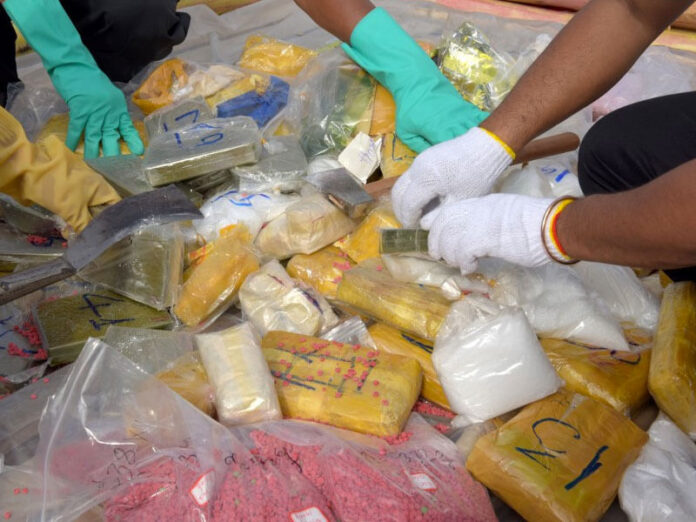
The issue of drug abuse has been a persistent concern in Nigeria, with its devastating impacts on individuals and society as a whole. The moral language used in Nigerian newspapers is a fascinating aspect of the discourse surrounding this issue. Our analyst notes that the selected headlines of The Punch, The Guardian, and Vanguard between 2016 and 2020 reveal a complex web of concerns, emotions, and values. These headlines served as a lens through which we could analyse the evolving societal response to this pressing concern.

Concern: The first stage of the moral panic theory, as outlined by Stanley Cohen, begins with the identification of an issue as a threat to societal values and interests. During this period, the media gave increased attention to the issue. We saw headlines that expressed a growing concern about the consequences of drug abuse. “Re-engineering the drug law and enforcement agency” was a clear call to action. It highlighted the need to address the issue systematically. “Shocking sexual abuses by aid workers in Africa” sheds light on the alarming moral implications of drug abuse, as it often leads to such horrific incidents. “Task before presidential committee on drugs” recognized the need for a comprehensive approach. While the concerns were palpable, they set the stage for addressing the issue more robustly through strategic policy and managerial action.

Hostility: As the headlines moved from concern to hostility, the emotional response to the perceived threat intensified. “Beware, drug addiction is dangerous” evoked fear and caution among readers, as it clearly signalled the need to be vigilant about the perils of addiction. “Father rapes 15-year-old daughter, drugs her to prevent pregnancy” elicited a sense of outrage and anger. The moral implications were crystal clear. These headlines were a harsh reminder of the natural and immediate consequences of drug abuse. However, this emotional reaction was not unproductive. It can serve as a catalyst for action. It’s here that strategic policy recommendations become crucial. Stricter laws, effective law enforcement, and comprehensive education programs can be deployed to address the issue and protect society’s most vulnerable members.

Consensus: As the moral panic continued to develop, the third stage brought about a growing consensus that the issue needed attention. The headlines in this stage illustrated this collective recognition. “NDLEA advises parents to counsel children on drugs” highlighted the importance of parental involvement in addressing the issue. “CPC vows to protect Nigerians against abuse” conveyed a commitment to safeguarding society. The mention of research and linking drug addiction to various factors showcased a move towards understanding the problem and reaching a consensus on the need for intervention. At this stage, strategic policy recommendations would involve implementing comprehensive educational programs in schools and communities, increasing access to rehabilitation and treatment, and fostering public-private partnerships to tackle drug abuse holistically.

Disproportionality: The fourth stage often sees a disproportionate response to the issue, including stricter laws and increased law enforcement. Several headlines reflected this stage, indicating an active and intensive approach. “NDLEA arrests 24 suspected drug traffickers in Bayelsa” showed a proactive approach in curbing drug trafficking. The magnitude of drug seizures and the mention of politicians, civil servants, and students undergoing drug tests reflect a concerted effort to curb drug abuse. The involvement of Nigeria’s Drug Law Enforcement Agency (NDLEA) was central in this stage. While the intensity of enforcement was commendable, it is essential to ensure that these efforts are accompanied by rehabilitation programs to address the root causes of addiction. A balanced approach that combines stringent enforcement with support for recovery is crucial.

Volatility: In the final stage, the moral panic may either die down or escalate further. Several headlines suggested a mix of responses, indicating that the discourse surrounding drug abuse continues. “More women in Kano, Katsina abusing drugs” demonstrated that the issue is evolving, affecting new demographics. “Egbeyemi laments high drug consumption in Ado Ekiti” indicated that concerns are still prevalent at the regional level. “NDLEA arrests 59 drug dealers in Kebbi” showed that law enforcement efforts remained in force. This stage calls for a flexible and adaptable approach. As the nature of drug abuse changes, so must the strategies to address it. Policymakers and managers need to constantly monitor and adjust their approaches, ensuring that they are relevant to the current situation.

Strategic Policy and Managerial Recommendations

Preventive Education: Develop and implement comprehensive drug abuse prevention programs in schools and communities. Education is a powerful tool to create awareness and deter individuals from experimenting with drugs.

Treatment and Rehabilitation: Invest in the expansion of addiction treatment and rehabilitation centres. Ensure that individuals with substance use disorders have access to effective treatment options.

Law Enforcement and Regulation: Strengthen the legal framework to combat drug trafficking and distribution. Enhance the capabilities of agencies like NDLEA and promote international cooperation to curb the illicit drug trade.

Holistic Approach: Combine strict law enforcement with support for recovery. Address the root causes of addiction, such as poverty, mental health issues, and social disintegration.

Data Collection and Analysis: Establish a comprehensive system for collecting and analyzing data related to drug abuse. This data-driven approach can guide policy and resource allocation.

Public-Private Partnerships: Collaborate with private organizations and NGOs to create a more extensive support network for individuals struggling with addiction.

Community Engagement: Encourage community-based initiatives to raise awareness and reduce the stigma associated with drug abuse.

Adaptive Strategies: Continuously monitor the drug abuse landscape and adapt strategies to address evolving challenges.

Resuscitate Your Business Through Advertising

0

Although I am not professionally qualified to talk extensively on the topic of marketing and advertising, permit me to talk about it based on the little experience I have had as a business owner. Because of my lack of qualifications, I will not belabor you with definitions of what marketing or advertising is or what it is not and the rest of theoretical nonsense, I’m just here to share an experience with you on how much I have seen advertising turn around a struggling business with no sales to booming business with so much sales.

Let us assume that you have a good product or render impeccable services. Everyone who has patronized you all attests to that fact but the problem is you are struggling to make sales despite your excellent product and impeccable service. You do not have many clients or customers; nobody knows about you or about your product. If that is you, you should definitely consider advertising. 

The above problem of no sales or low patronage has been the major problem after finance/funding facing many entrepreneurs and business owners. These are the major killers of businesses and entrepreneurship in Africa. So many folks have good products and services they offer but nobody is buying, nobody knows about them or their products, not to talk about patronizing them. 

Ironically, there are thousands of people out there who are in dire need of the product or services you are offering, they have been looking for who offers that service and who sells the products you have. You as the seller are worlds apart from the potential customer and the only way they can get to know what you sell or offer is through either referrals or advertising. Once people get to know that you are offering that service or selling that product and some other persons who are your existing customers can vouch for you that what you offer is solid, that’s all potential client needs, your business will boom. 

I have seen advertising; specifically social media advertising take a struggling business into a booming one within a short period of time. 

The proven truth is if you want your business to scale quickly and grow exponentially in a short period you will need to consider advertising. Letting the business grow organically without advertising may work but it will definitely take some time hence why advertising is there to save the day. 

Let us not forget that this can only work and will be sustainable if you have a good product. So the formula is; to attract new clients through advertising and retain old and existing clients by offering great products and services. 

Social media has even made it easier to run cheaper and well targeted advertisements so you don’t shoot and miss or waste money and time advertising to the wrong people or people who do not need your product. For instance, If your target market are the youngins and trendy people your platform should be Instagram, if your target is older people, consider Facebook, if your target audience are professionals and those in the corporate world, you should focus on LinkedIn etc. 

Social media Influencer advertising is probably the best way to get more customers on social media faster. It is getting a popular person on that social media to endorse your product. It is more like putting a stamp of endorsement on that product from a popular person and it also introduces your product to the influencer’s millions of followers who from that moment become potential customers. 

Help your struggling business today by spending some money on advertising, the return on investment is always huge especially when you target the proper audience, even if you did not target the proper audience, no money spent on advertising is a waste.