DD
MM
YYYY

PAGES

DD
MM
YYYY

spot_img

PAGES

Home Blog Page 3736

The 2030s will Bring SpaceX Starlink Phones, iPhone Sat, Huawei Mate, etc at Scale

0

Telcos in Africa will have to wake up to a new competitive redesign because competition is not necessarily going to be all local. Typically, every 10 years, something new happens. The Voice Telephony age of the 2000s, the Mobile Internet age of 2010s, and the Application Utility one we are in the 2020s. By the 2030s, I expect the satellite era to be here at scale.

A massive disintermediation is coming, and what GSM operators did to CDMA companies will happen to some of them, from satellite operators. Cost and coverage will continue to be the factors, and the sats have an opportunity.

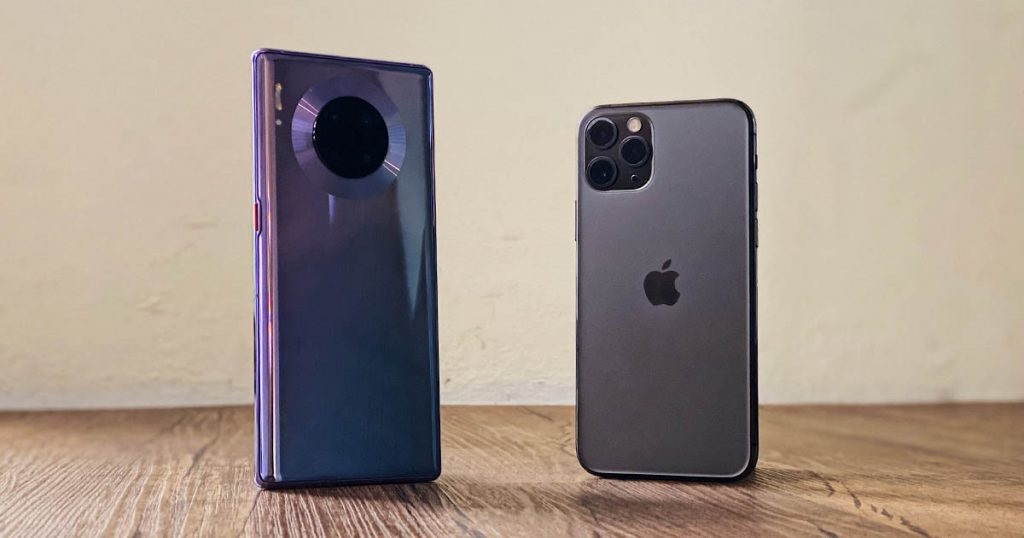
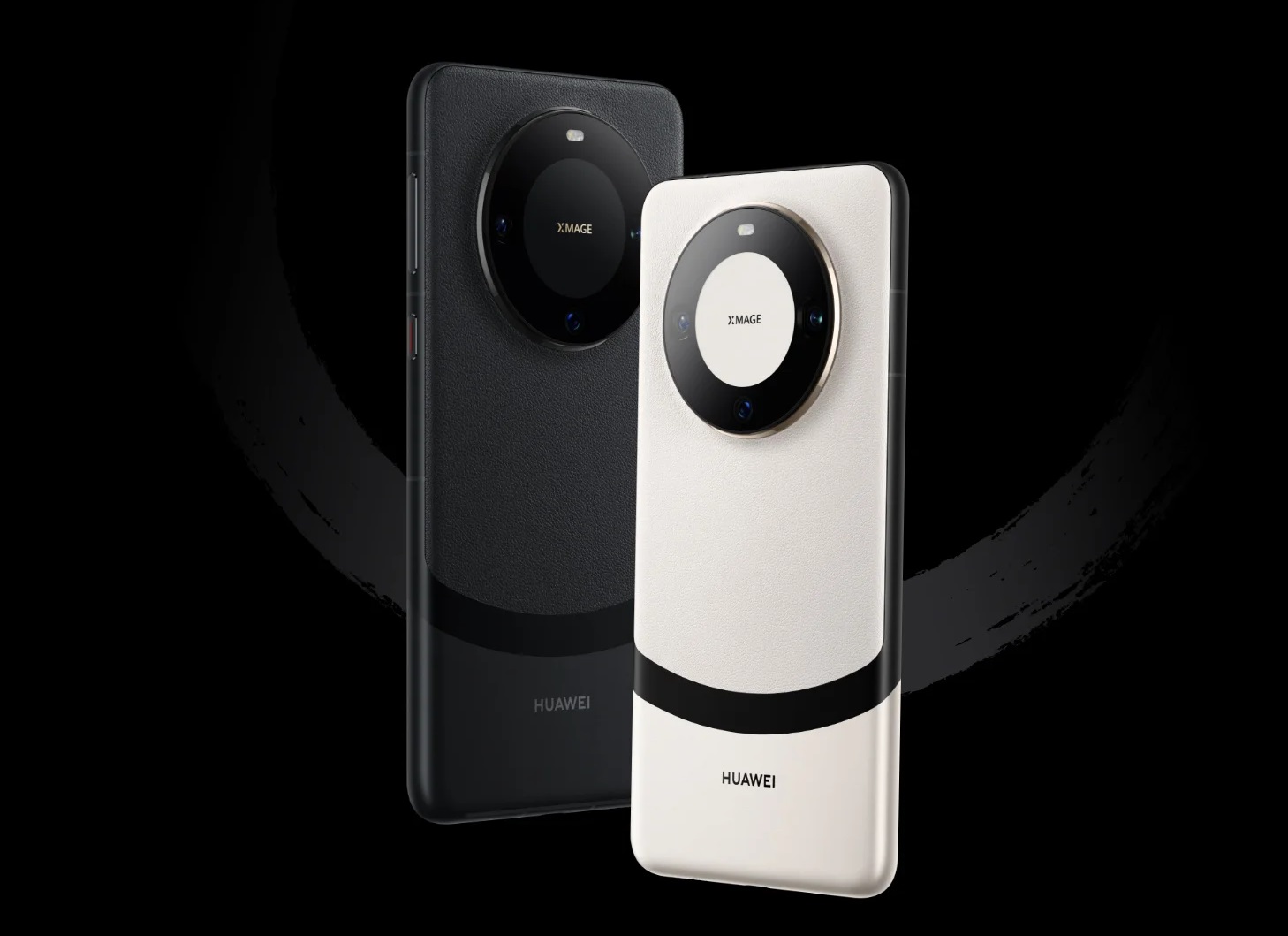
One thing needs to happen: satellite phones need to have the form factor, size, shape, and general feel of terrestrial phones. Huawei Mate 60 Pro has shown that it is possible. I now await for SpaceX Starlink Phones to arrive because it is the right thing to do. And by the time Apple adds that in the iPhone, a new basis of competition is born, and we will see a new telco reborn.

The New Race for Telcos is Satellite Phones – and Huawei Mate 60 Begins It

The New Race for Telcos is Satellite Phones – and Huawei Mate 60 Begins It

1

Satellite phones, also known as satphones, are mobile devices that use satellites orbiting the Earth to provide voice and data services. Unlike conventional cell phones, which rely on terrestrial networks of cell towers and base stations, satellite phones can operate anywhere on the planet, even in remote areas where there is no cellular coverage. Satellite phones also offer advantages such as encryption, low latency, and resilience to natural disasters and cyberattacks.

Satellite phones are the latest trend in the smartphone market, as two of the biggest players, iPhone and Huawei, compete to offer the best connectivity and features.

iPhone and Huawei are both investing heavily in developing and launching their own satellites and satellite phones. iPhone announced its iPhone 14 Pro Max Satellite Edition, which can make calls and send texts via satellite when there is no cellular coverage. The phone also has a dual-SIM feature that allows users to switch between satellite and cellular networks. Huawei unveiled its Huawei Mate 60 Pro Satellite Phone, which claims to have faster data speeds and longer battery life than its rival. The phone also has a triple-camera system that can capture high-resolution images from space.

The iPhone 15 Pro is not just another smartphone. It is a groundbreaking device that combines cutting-edge technology with stunning aesthetics. The iPhone 15 Pro is the first iPhone to feature an aerospace?grade titanium design, using the same alloy that spacecraft use for missions to Mars. This means that the iPhone 15 Pro is incredibly durable, lightweight and resistant to corrosion. The titanium design also gives the iPhone 15 Pro a sleek and futuristic look that sets it apart from other phones. The iPhone 15 Pro is more than just a phone. It is a piece of art that you can hold in your hand.

Both companies are aiming to capture a large share of the growing satellite phone market, which is expected to reach $5.5 billion by 2026, according to a report by Research and Markets. The report cites the increasing demand for reliable and secure communication, especially in sectors such as defense, maritime, aviation, and emergency services. However, there are also some challenges and limitations that satellite phone users may face, such as:

Limited coverage: Satellite phones rely on the availability and visibility of satellites, which may not always be optimal. For instance, some satellites may not cover certain regions or countries due to legal or political restrictions. Some satellites may also have low orbits or narrow beams that require users to point their phones in a specific direction or angle. Additionally, some environmental factors such as weather, terrain, buildings, or foliage may interfere with the signal quality or reception.

Regulatory issues: Satellite phones are subject to different regulations and laws depending on the country or region where they are used. Some countries may require users to obtain a license or a permit before using a satellite phone, while others may ban or restrict them altogether. Users may also face legal consequences if they use satellite phones for illegal or malicious purposes, such as espionage, terrorism, or smuggling.

Satellite phones are no longer a niche product for adventurers and explorers. They are becoming a mainstream option for consumers and businesses who want reliable, secure and global communication. In this blog post, we will look at how satellite phones are transforming the telecommunications industry and why they are the new race for Telcos.

The demand for satellite phones is growing rapidly, especially in emerging markets where terrestrial infrastructure is lacking or unreliable. According to a report by Global Market Insights, the global satellite phone market size was valued at USD 4.4 billion in 2020 and is expected to grow at a compound annual growth rate (CAGR) of 7.1% from 2021 to 2027. The report cites factors such as increasing adoption of satellite phones by government agencies, military personnel, emergency responders, media professionals, and travelers as drivers of the market growth.

The rise of satellite phones poses a challenge for traditional Telcos, who have invested heavily in building and maintaining terrestrial networks. Telcos face the risk of losing customers and revenue to satellite phone providers, who can offer better coverage, quality and security at competitive prices. To stay relevant and competitive in the changing market, Telcos need to embrace satellite phones as part of their product portfolio and service offerings.

Some Telcos have already recognized the opportunity and partnered with satellite phone providers to offer hybrid solutions that combine terrestrial and satellite networks. For example, AT&T has teamed up with Iridium, one of the leading satellite phone providers, to offer Iridium Certus service, which enables AT&T customers to use their existing devices and SIM cards to access voice and data services via Iridium’s network of 66 low-Earth orbit (LEO) satellites.

Similarly, Verizon has partnered with Inmarsat, another major satellite phone provider, to offer Globalstar service, which allows Verizon customers to use their existing devices and SIM cards to access voice and data services via Globalstar’s network of 24 LEO satellites.

By offering hybrid solutions, Telcos can leverage their existing customer base and infrastructure while expanding their coverage and capabilities. Hybrid solutions can also help Telcos differentiate themselves from their competitors and create new revenue streams from value-added services such as roaming, international calling, data plans, and device rentals.

Satellite phones are not only a threat but also an opportunity for Telcos. By adopting satellite phones as part of their strategy, Telcos can position themselves as innovative and customer-centric players in the telecommunications industry. Satellite phones are the new race for Telcos, and the winners will be those who can adapt and evolve with the changing market dynamics.

Satellite phones are an innovative and exciting technology that offer many benefits for communication and connectivity. However, they also come with some challenges and risks that users should be aware of and prepared for. As iPhone and Huawei compete to dominate the satellite phone market, it will be interesting to see how they address these issues and how they differentiate their products and services from each other.

PayPal Hit With Antitrust Lawsuit, Accused of Unfair Practices With Stripe, Shopify, and Others

0

Giant payment platform PayPal is currently dealing with a fresh antitrust lawsuit that accuses it of engaging in practices that suppress competition, particularly with rivals like Stripe and Shopify.

According to an independent investigation by U.S. law firm Hagens Berman, it disclosed that PayPal has subjected consumers to excess charges when purchasing from merchants that accept PayPal or Venmo.

The suit further states that PayPal’s merchant agreements, which all merchants must sign to accept payments via its platform, lead to consumers paying more to make purchases.

This implies that if a merchant made a payment to a retailer that accepts PayPal or Venmo, that merchant was bound by PayPal’s agreements, meaning they paid an excess price. 

Furthermore, attorneys at the U.S. court said that all consumers using non-PayPal methods of payment may have a claim and right to reimbursement, alleging that if PayPal’s agreements were transparent, consumers would quickly see a price difference between PayPal and its competitors.

PayPal’s anti-steering rules do not allow discounts on non-PayPal transactions and PayPal’s industry high fees are baked into the prices consumers pay when they purchase goods online.  

In a statement, the attorneys representing the class said: “Consumers end up paying more for all transactions as a result of PayPal’s policies and industry-high rates. PayPal generated total revenues in 2022 exceeding $27 billion, most of it coming from these fees.”

Also, merchants cannot tell customers that other payment methods are more cost-effective or preferred, according to the complaint. They are even barred from presenting other forms of payment earlier in the checkout process.

The lawsuit seeks repayment to merchants who paid excessive fees due to PayPal’s anti-steering rules, as well as a request to the court to put an end to PayPal’s policies and merchant agreements that enforce these rates.

Notably, these legal actions underscore concerns about PayPal’s market dominance and its potential impact on stifling innovation and limiting choices for consumers.

PayPal for a long time has been a major player in the fintech sector, with a significant market share in various financial services, including online payments, digital wallets, and peer-to-peer transfers. Some argue that its dominant position can make it challenging for smaller fintech startups to compete effectively.

While Fintech is known for offering a wide array of financial services and products, however, if one company has too much dominance in the market, it could limit consumers’ choices by influencing which fintech services gain prominence.

This action highlights the need for regulatory authorities to closely examine the fintech industry to maintain fair competition and encourage a diverse marketplace. It is important to strike a balance between fostering innovation and ensuring a fair marketplace.

The Power of Presales – Will Scorpion Casino Token Emulate Filecoin and Tezos?

0

Most people in crypto will tell you that ‘time in the market beats timing the market’. Well, there is no earlier time to invest than presales. The precedents of Filecoin and Tezos are enough to give hope to even the most cynical bear market holder. Today, we turn the spotlight onto Scorpion Casino Token, a rising star in the crypto cosmos, and ponder whether it could follow the paths of industry giants like Filecoin and Tezos and make millions for its community.

Scorpion Casino Token: Unveiling the Potential

Scorpion Casino Token, with its unique approach to blending blockchain technology with online gaming, has seized the spotlight. Unlike many counterparts, Scorpion has made crypto simple and effective; buying into their presale immediately allows holders to claim daily passive staking income.

As a licensed platform regulated by the Curacao EGaming Authority, Scorpion assures credibility. The casino ecosystem, of which SCORP will be a crucial part, is vibrant, and with partnerships like the Tenset Infinity program in place, the only way is up.

The presale features of Scorpion Casino Token are captivating. Buyers can secure $SCORP at its lowest price during the presale, gaining a competitive advantage before its launch on centralised and decentralised exchanges. The allure of a 40% casino bonus, with no attached conditions or obligations, sweetens the deal.

Moreover, a 250k competition beckons presale buyers to partake in a thrilling giveaway, adding an extra layer of excitement. The promise of daily passive staking income during the presale period adds a cherry on top for potential investors.

Filecoin: A Presale Success Story

When discussing presales, Filecoin simply has to be mentioned. The project aimed to revolutionize the way data is stored and accessed, and its presale played a pivotal role in funding its ambitious vision. The Filecoin presale not only attracted individual investors but also institutional players, marking a significant step in achieving its goals.

By the end of its 2017 presale, FIL had raised a staggering $250 million. At the time, this was the largest amount raised in a crypto presale of its type. Once it launched, FIL holders were even happier, with a huge increase of almost 5000%.

Tezos: Presale Magic

Tezos, another heavyweight in the crypto arena, set sail into the presale waters with a unique approach. Offering a self-amending blockchain, Tezos envisioned a platform where the community could actively participate in protocol upgrades and decision-making. This novel concept resonated well with presale participants, contributing to Tezos’ success in raising funds and building a robust community.

The Tezos presale also took place in 2017. Tezos raised $232 million at breathtaking speed, in a matter of just two weeks. The success of Tezos’ presale demonstrated that investors were willing to support projects that aligned with their values and principles.

Presales: A Double-Edged Sword

While presales offer an avenue for projects to secure initial funding and build a community, they also present challenges. The success stories of Filecoin and Tezos are accompanied by cautionary tales within the crypto space. Scams, rug pulls, and projects failing to deliver on promises have been part of the narrative.

Investors must approach presales with a discerning eye, conducting thorough due diligence before participating. The lack of regulatory oversight in the crypto space underscores the importance of vigilance and informed decision-making. This is where SCORP can offer some reassurance to its holders by being associated with a fully licensed and regulated casino ecosystem.

The power of presales lies not only in the initial funding they generate but also in the narratives they weave and the communities they cultivate. Scorpion Casino Token has embarked on this journey, aiming to carve its niche in the dynamic world of cryptocurrencies. Will it emulate the triumphs of Filecoin and Tezos? Only time will unveil the answer. As the crypto space evolves, presales will continue to play a pivotal role in shaping the future of innovative blockchain projects.


Try Your Luck with SCORP: 

Presale: https://presale.scorpion.casino/

Twitter: https://twitter.com/ScorpionCasino

Telegram: https://t.me/scorpioncasino_official


Green Champions Programme: Opolo, Ecobank, SDSN Partner to Take Sustainable Education for a Greener Tomorrow across 4 States in Nigeria

0

Opolo Global Innovation, a foremost global social enterprise incorporated in Nigeria and Canada, is set to take climate change and sustainability education to 4 different schools across the Southwest States in Nigeria. This was contained in a statement released by Opolo’s Head of Special Projects, Deji Ajani in Lagos.

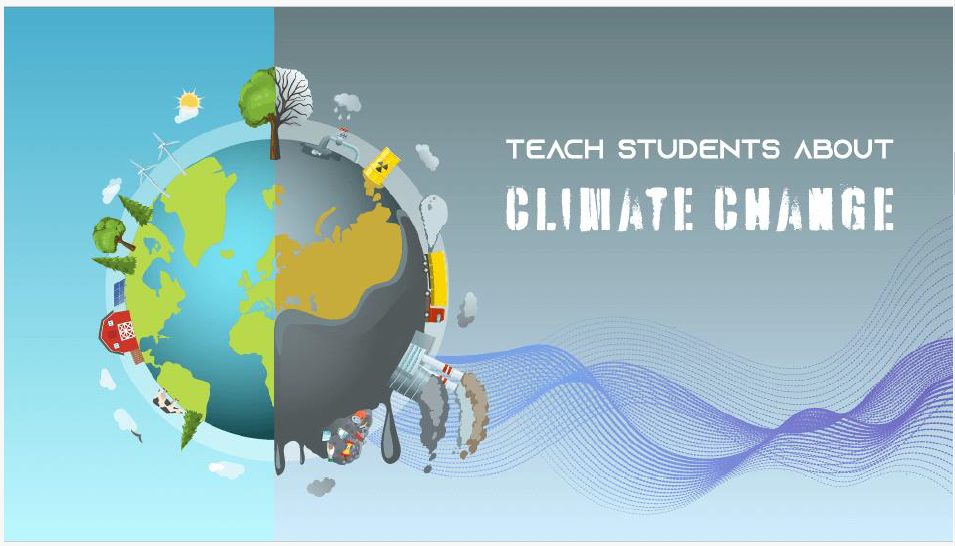
According to Deji, the programme, with the theme Eco4Eco (Ecobank for Eco-friendliness) is a climate and sustainability literacy awareness programme designed to promote sustainable environmental practices among secondary school education stakeholders, especially students in Nigeria. Our primary objectives are to provide comprehensive climate change education; foster a sense of responsibility for sustainability; and create a scalable model for climate education. We aim to make climate and sustainability education accessible and engaging for students, covering topics from the science of climate change to actionable steps for addressing it.

He also said this year’s programme is supported by Ecobank and the Sustainable Development Solutions Network (SDSN). He noted that the partnership is facilitated by their collective commitment to environmental sustainability. He said  “we recognize the urgent need for climate education, and our supporters’ dedication to corporate social responsibility which aligns perfectly with our vision. This partnership allows us to leverage our combined resources and expertise to make a significant impact on climate and sustainability landscape.”

He further noted that the significance of this collaboration cannot be overstated, especially as the world races to achieve the United Nations’ Agenda 2030 Sustainable Development Goals. He averred that the choice of the theme is a confirmation of Opolo Global’s recognition that education and awareness are essential components of the global effort. He said the Eco4Eco theme aligns perfectly with the goals of Agenda 2030, particularly Goal 4 (Quality Education) and Goal 13 (Climate Action).

“Eco4Eco represents a shared vision for a brighter, more sustainable future, where education and environmental awareness are at the forefront of change. As we take our first steps on this transformative journey, we invite corporate entities, government, schools, parents, students, and communities across the globe to join us in creating a greener tomorrow”, he concluded.

The Green Champions Programme would take place across four cities, including Ibadan, Ife, Lagos, and Osogbo, in October 2023.