DD
MM
YYYY

PAGES

DD
MM
YYYY

spot_img

PAGES

Home Blog Page 3746

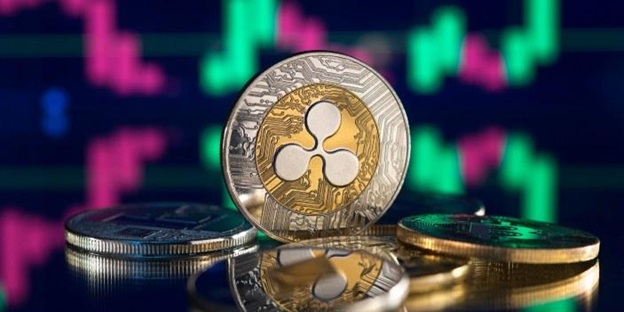
Ripple, SEC argue to the very end on lawsuits bordering on Security Violations

0

The long-awaited final hearing in the lawsuit between the U.S. Securities and Exchange Commission (SEC) and Ripple Labs took place on January 28, 2024, with both parties presenting their closing arguments before Judge Analisa Torres.

The SEC accused Ripple of violating federal securities laws by selling XRP, its native cryptocurrency, to investors without registering it as a security. The SEC claimed that XRP was an investment contract that gave buyers an expectation of profits based on Ripple’s efforts to develop and promote the XRP ledger, a decentralized network for cross-border payments.

Ripple denied the allegations and argued that XRP was not a security, but a digital asset that served as a medium of exchange and a utility token. Ripple also contended that the SEC lacked jurisdiction and authority to regulate XRP, which was not offered or sold in the U.S., but in foreign markets. Ripple further asserted that the SEC’s lawsuit was arbitrary, capricious and contrary to the public interest, as it created uncertainty and confusion in the crypto industry and harmed millions of XRP holders.

The final hearing lasted for more than three hours, with both sides reiterating their main points and rebutting each other’s arguments. Judge Torres listened attentively and asked several questions to clarify the issues. She did not indicate when she would issue her ruling but said she would do so as soon as possible.

The outcome of the case could have significant implications for the future of crypto regulation in the U.S., as well as for the fate of Ripple and XRP. If the SEC prevails, Ripple could face hefty fines and penalties, and XRP could be delisted from major exchanges and lose most of its value. If Ripple wins, it could set a precedent for other crypto projects facing similar scrutiny from the SEC, and boost XRP’s adoption and price.

Bitcoin ETFs see net outflows for four straight days.

Bitcoin exchange-traded funds (ETFs) have experienced net outflows for four consecutive days, according to data from ETF.com. This indicates that some investors are losing confidence in the cryptocurrency’s rally and are taking profits off the table.

Bitcoin ETFs are funds that track the price of bitcoin and trade on traditional stock exchanges. They offer investors exposure to the digital asset without having to buy or store it directly. Bitcoin ETFs have been in high demand since they launched in the US in October 2021, attracting billions of dollars in inflows and boosting the liquidity and legitimacy of the crypto market.

However, the recent outflows suggest that some investors are cashing out after bitcoin hit a new all-time high of over $69,000 in November 2021. According to ETF.com, the largest bitcoin ETF, the ProShares Bitcoin Strategy ETF (BITO), saw net outflows of $113 million on January 25, 2024, followed by $71 million on January 26, $54 million on January 27, and $28 million on January 28. The total net outflows for the four-day period amounted to $266 million, or about 7% of the fund’s assets under management.

The outflows coincided with a drop in bitcoin’s price, which fell from around $40,000 on January 21 to below $39,000 on January 23, a decline of over 13%. Some analysts attributed the sell-off to regulatory uncertainty, as the US Securities and Exchange Commission (SEC) announced that it would review the approvals of bitcoin futures ETFs and consider whether they should be allowed to continue operating.

The SEC’s move raised concerns that bitcoin ETFs could face stricter rules or even be delisted, which could hurt investor sentiment and demand. The SEC also warned that bitcoin ETFs may not provide investors with adequate protection from fraud, manipulation, and operational risks.

Despite the outflows and the price drop, some experts remain bullish on bitcoin and its ETFs in the long term. They argue that bitcoin ETFs provide a convenient and accessible way for investors to gain exposure to the crypto space, and that they will attract more institutional and retail investors as the market matures and stabilizes. They also point out that bitcoin’s fundamentals are still strong, as it has a limited supply, a growing adoption, and a resilient network.

Bitcoin ETFs may face some volatility and challenges in the short term, but they are likely to recover and grow in the long term, as they reflect the increasing interest and innovation in the crypto industry.

Used Smartphones demand rising – IDC

0

The global market for used smartphones is growing rapidly, according to a new report from the International Data Corporation (IDC). The report estimates that the worldwide shipments of used smartphones will reach 333.2 million units in 2023, with a compound annual growth rate (CAGR) of 13.6% from 2018 to 2023.

The report attributes the growth of the used smartphone market to several factors, such as the increasing quality and durability of smartphones, the rising prices of new devices, the environmental awareness of consumers, and the expansion of trade-in and buy-back programs offered by manufacturers, carriers, and retailers.

The report also identifies some challenges and opportunities for the used smartphone market, such as the lack of standardization and regulation, the potential impact of 5G networks and devices, and the emergence of new business models and channels.

According to Anthony Scarsella, research manager with IDC’s Worldwide Quarterly Mobile Phone Tracker, “The demand for used smartphones is extremely high in both developed and emerging markets. Although drivers such as regulatory compliance and environmental initiatives are still positively impacting the growth in the used market, the importance of cost-saving for new devices will continue to drive growth.

Overall, we feel that the ability to use a previously owned device to fund the purchase of either a new or used device will play the most crucial role in the growth of the refurbished phone market. Trade-in combined with the increase in financing plans (EIP) will ultimately be the two main drivers of the refurbished phone market moving forward.”

The report segments the used smartphone market by region, device type, and operating system. The regions covered are North America, Latin America, Western Europe, Central and Eastern Europe, Middle East and Africa, Asia/Pacific (excluding Japan), and Japan. The device types are premium ($500+), high ($300-$499), mid ($200-$299), low ($100-$199), and ultra-low (<$100). The operating systems are Android, iOS, and others.

Why is Used Smartphone Demand Rising?

The smartphone market is constantly evolving, with new models and features being released every year. However, not everyone can afford or wants to buy a brand-new device every time. That’s why the used smartphone market is booming, with around 309.4 million units sold in 2023, according to IDC. (That’s up almost 10% on the preceding year.)

But what are the factors behind this trend? Why are more and more people opting for second-hand phones instead of new ones? Here are some of the main reasons:

Environmental awareness: Many consumers are becoming more conscious of the environmental impact of their choices, especially when it comes to electronic waste. According to the EPA, Americans generated 3.1 million tons of e-waste in 2019, of which only 17.4% was recycled. By buying a used phone, consumers can reduce their carbon footprint and help conserve natural resources.

Trade-in deals: Major carriers like AT&T, Verizon, T-Mobile and Sprint offer attractive trade-in deals for customers who want to upgrade their phones. These deals allow customers to exchange their old phones for credit towards a new one, or even get a free phone in some cases. This creates a steady supply of used phones that can be refurbished and resold by the carriers or third-party vendors.

Recycling programs: Some smartphone manufacturers also have their own recycling programs that encourage customers to return their old devices for recycling or reuse. For example, Apple has a program called Apple Trade In that lets customers trade in their eligible devices for an Apple Gift Card or credit towards a new purchase.

Apple also has a program called Apple GiveBack that accepts any Apple device for recycling, regardless of its condition or value. These programs help Apple reduce its environmental impact and create a loyal customer base.

Phone insurance: Another source of used phones is phone insurance, which covers accidental damage, theft or loss of a device. Many customers who have phone insurance opt to get a new device when their old one breaks or gets lost, instead of repairing it or finding it. This leaves behind a lot of used phones that can be repaired and resold by the insurance companies or their partners.

Demand in developing countries: Finally, one of the biggest drivers of the used smartphone market is the demand in developing countries, where many people cannot afford or access new phones. According to Deloitte, at least 10% of smartphones purchased in 2016 will still be in use in 2020, by their second or even third owners.

Many of these owners live in emerging markets like India, China, Brazil and Nigeria, where smartphones are essential for communication, education, entertainment and commerce. Used smartphones offer an affordable and convenient way for these consumers to access the benefits of mobile technology.

As you can see, there are many reasons why the used smartphone market is growing and will continue to do so in the future. Whether you are looking for a cheaper alternative to a new phone or Smartphone want to sell your old phone for some extra cash, you can take advantage of this trend and find a suitable option for your needs.

Tokenization top of Mind for Taurus as DeFi remains Bitcoin’s Missing Ingredient

0

Taurus, a leading provider of digital asset infrastructure solutions, has announced that it has received approval from the Swiss Financial Market Supervisory Authority (FINMA) to operate as a securities firm and a bank. This is a major milestone for the company, which has been developing its tokenization platform, Taurus-Protect, since 2019.

Taurus-Protect is a comprehensive solution for issuing, managing and trading tokenized assets, such as shares, bonds, funds, art and real estate. It enables issuers to create digital representations of their assets on various blockchain protocols, such as Ethereum, Tezos and Polkadot. It also offers investors a secure and user-friendly interface to access and trade these assets, as well as custody and settlement services.

Taurus claims that its platform can reduce the costs and complexity of tokenization by up to 90%, compared to traditional methods. It also aims to increase the liquidity and transparency of the tokenized asset market, which is expected to grow exponentially in the coming years. According to a report by PwC, the global market for tokenized assets could reach $24 trillion by 2027.

With the FINMA approval, Taurus can now offer its tokenization services to a wider range of clients, including banks, asset managers, corporates and public institutions. It can also expand its operations to other jurisdictions, as it plans to apply for similar licenses in Europe and Asia. Taurus co-founder and CEO Sébastien Dessimoz said:

“We are very proud to have obtained this authorization from FINMA, which is a testament to our vision and the quality of our work. Tokenization is a game-changer for the financial industry, and we are excited to be at the forefront of this innovation. We look forward to helping our clients leverage the benefits of tokenization and bring more efficiency, inclusivity and sustainability to the financial system.”

Some of the benefits of tokenization 

Increased liquidity: Tokenization can unlock the value of illiquid assets such as real estate, art, or private equity by creating fractional ownership and lowering the barriers to entry for investors.

Enhanced security: Tokenization can reduce the risk of fraud, theft, and counterfeiting by using cryptography and smart contracts to verify and enforce the ownership and transactions of tokens.

Reduced costs: Tokenization can eliminate intermediaries and streamline processes such as settlement, clearing, and compliance by using decentralized networks and protocols.

Improved transparency: Tokenization can increase the visibility and traceability of assets and transactions by using immutable and auditable ledgers.

Greater inclusion: Tokenization can democratize access to financial opportunities and services by enabling anyone with an internet connection and a digital wallet to participate in the token economy.

Tokenization is not a new concept, but it has gained momentum in recent years thanks to the development of blockchain technology and the emergence of various platforms and standards for creating and managing tokens. Some examples of tokenization projects include:

Security tokens: These are tokens that represent regulated securities such as stocks, bonds, or derivatives. Security tokens aim to bring more efficiency, liquidity, and compliance to traditional financial markets. Examples of security token platforms include Polymath, Securitize, and tZERO.

Utility tokens: These are tokens that provide access to a service or network. Utility tokens are often used to incentivize users and developers to contribute to the growth and maintenance of a platform. Examples of utility token platforms include Ethereum, Filecoin, and Binance Coin.

Non-fungible tokens (NFTs): These are tokens that represent unique and indivisible assets or rights. NFTs can be used to create digital scarcity and provenance for things like art, collectibles, gaming items, or intellectual property. Examples of NFT platforms include CryptoPunks, NBA Top Shot, and OpenSea.

Tokenization is a game-changer for the financial industry because it enables new ways of creating and exchanging value in the digital world. Tokenization can also foster innovation, competition, and collaboration across various sectors and domains. As the token economy grows and matures, we can expect to see more use cases and applications of tokenization that will transform the future of finance.

DeFi is Bitcoin’s missing Ingredient

Bitcoin is the most popular and valuable cryptocurrency in the world, but it has some limitations that prevent it from reaching its full potential. One of these limitations is the lack of decentralized finance (DeFi) applications on the Bitcoin network.

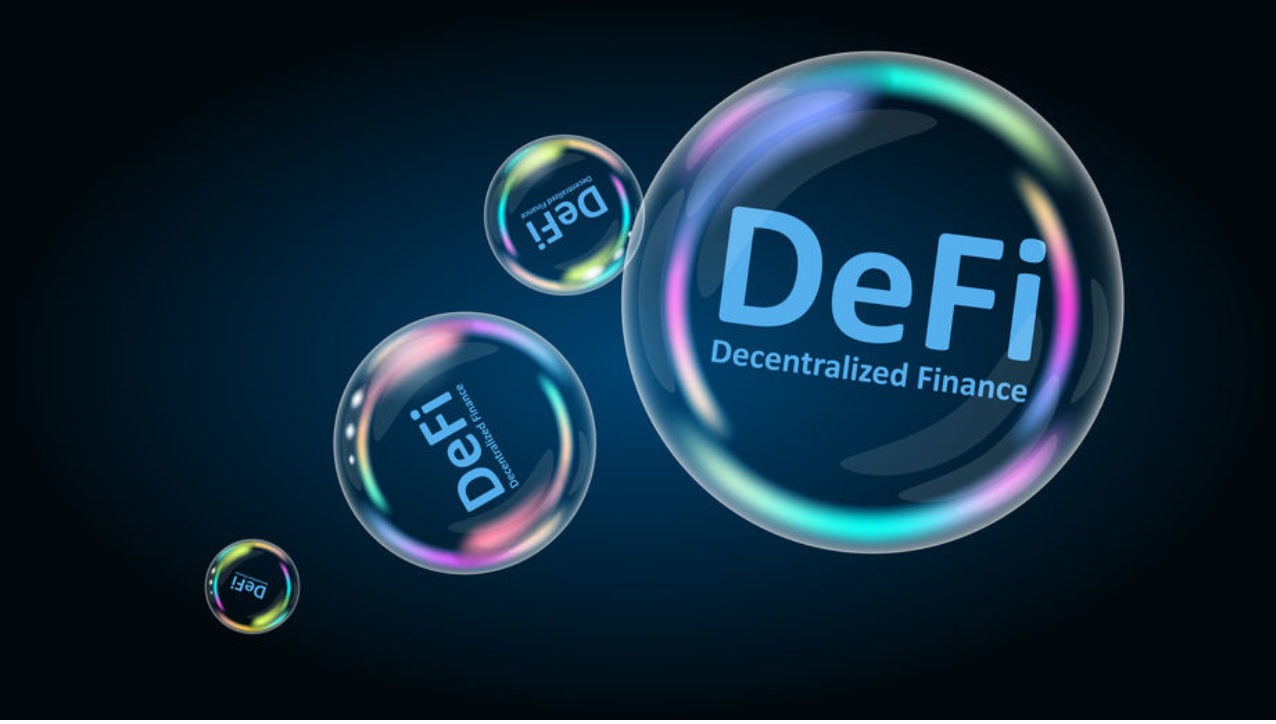
DeFi is a term that refers to a variety of financial services that are built on decentralized platforms, such as smart contracts, lending, borrowing, trading, insurance, and more. DeFi aims to create a more open, transparent, and inclusive financial system that is accessible to anyone with an internet connection.

However, Bitcoin was not designed to support complex smart contracts or DeFi applications. Its scripting language is limited, and its transaction throughput is low. This means that most DeFi projects are built on other blockchains, such as Ethereum, Binance Smart Chain, or Solana, which offer more flexibility and scalability.

This creates a problem for Bitcoin holders who want to participate in the DeFi ecosystem. They have to either convert their bitcoins to other tokens, which incurs fees and risks, or use centralized services that act as bridges between Bitcoin and other blockchains, which defeats the purpose of decentralization.

This is where DeFi on Bitcoin comes in. DeFi on Bitcoin is a movement that aims to bring the benefits of DeFi to the Bitcoin network, without compromising its security or decentralization. There are several ways to achieve this goal, such as:

Using sidechains or layer-2 solutions that are pegged to Bitcoin and allow for faster and cheaper transactions and smart contracts. Examples include Liquid Network, RSK, and Stacks.

Using interoperability protocols that enable cross-chain communication and asset transfer between Bitcoin and other blockchains. Examples include Ren, Thorchain, and Polkadot.

Using wrapped tokens that represent bitcoins on other blockchains and can be used in DeFi applications. Examples include WBTC, renBTC, and tBTC.

By enabling DeFi on Bitcoin, we can unlock the full potential of both technologies and create a more robust and diverse crypto ecosystem. DeFi on Bitcoin can offer:

More utility and value for Bitcoin holders who can use their bitcoins in various DeFi applications and earn interest, rewards, or fees. More security and trust for DeFi users who can benefit from the proven track record and network effects of Bitcoin. More innovation and growth for DeFi developers who can leverage the largest and most liquid crypto asset in the world.

DeFi is Bitcoin’s missing ingredient that can take it to the next level of adoption and impact. By combining the best of both worlds, we can create a more decentralized, inclusive, and efficient financial system for everyone.

If you are interested in participating in DeFi on Bitcoin, you have several options to choose from. You can use one of the platforms mentioned above to access DeFi services on Bitcoin or other blockchains. You can also use a decentralized exchange (DEX) that supports cross-chain swaps, such as Atomic DEX or Liquality.

Alternatively, you can use a custodial service that offers DeFi products on Bitcoin, such as Block Fi or Nexo. However, you should always do your own research and be aware of the risks involved before using any DeFi service.

Russia changes tactics after aircraft losses last year

0

In a recent development, Russia has announced that it will modify its military strategy in response to the significant losses of its aircraft in the past year. The decision comes after a series of incidents that have exposed the vulnerabilities of Russia’s air force and its reliance on outdated technology.

According to a statement by the Russian Ministry of Defense, the new strategy will focus on enhancing the survivability and effectiveness of its aircraft, as well as improving the training and readiness of its pilots.

The statement also said that Russia will invest more resources in developing and acquiring modern and advanced air defense systems, electronic warfare capabilities, stealth technology, and hypersonic weapons.

The announcement follows a number of setbacks for Russia’s air force, which have raised questions about its ability to compete with its rivals and adversaries. In September 2023, a Russian Su-35 fighter jet was shot down by a Turkish F-16 over the Mediterranean Sea, marking the first time that a NATO member state had engaged and destroyed a Russian warplane since the Cold War.

In November 2023, a Russian Tu-160 strategic bomber crashed in Siberia due to a technical malfunction, killing all four crew members on board. And in January 2024, a Russian MiG-31 interceptor was intercepted and escorted by a US F-22 stealth fighter over the Arctic Ocean, demonstrating the superior stealth and maneuverability of the American aircraft.

These incidents have revealed the weaknesses of Russia’s air force, which has been struggling to modernize and upgrade its aging fleet of Soviet-era aircraft. Despite some efforts to introduce new models, such as the Su-57 fifth-generation fighter and the Su-34 strike fighter, Russia still relies heavily on older and less capable aircraft, such as the Su-24, Su-25, and MiG-29.

Moreover, Russia faces challenges in maintaining and operating its aircraft, due to a lack of spare parts, technical expertise, and quality control.

The new strategy announced by Russia aims to address these issues and improve its air power capabilities. However, some experts doubt that Russia will be able to achieve its goals, given the economic and political constraints that it faces.

Russia’s defense budget has been shrinking in recent years due to low oil prices, Western sanctions, and the coronavirus pandemic. Additionally, Russia faces diplomatic and military pressure from NATO, China, and other regional actors, who have been expanding their own air forces and challenging Russia’s interests and influence.

Therefore, it remains to be seen whether Russia’s new strategy will succeed in enhancing its air force and restoring its status as a major global power. The implications of this are significant for the regional and global security situation, as well as for the future of international relations.

If Russia can overcome its challenges and strengthen its air force, it may be able to deter or counter potential threats from its adversaries and assert its influence in key areas such as the Middle East, Eastern Europe, and Central Asia.

On the other hand, if Russia fails to improve its air force and falls behind its rivals, it may face increased isolation and marginalization in the world stage, as well as increased risks of conflict or escalation.

The biggest Advertising Network in the world is Google

0

If you are looking for a way to reach a large and diverse audience online, you might want to consider Google as your partner. Google is the biggest advertising network in the world, with over 4 billion users across its platforms, including Search, YouTube, Gmail, Maps, and more.

Google offers a variety of tools and services to help advertisers create, manage, and optimize their campaigns, such as Google Ads, Google Analytics, Google Marketing Platform, and Google Ad Manager.

Google is the biggest advertising network in the world. But what does that mean for you as a business owner, marketer, or content creator? How can you leverage Google’s vast reach and powerful tools to grow your online presence and revenue?

What is Google’s advertising network?

Google’s advertising network is a collection of platforms and services that allow advertisers to display ads on various websites, apps, videos, and other online properties. Google’s advertising network consists of two main components: Google Ads and Google AdSense.

Google Ads is the platform that allows advertisers to create and manage their own ad campaigns. Advertisers can choose from different types of ads, such as text, image, video, or interactive ads, and target them to specific audiences based on keywords, location, demographics, interests, and more. Advertisers can also set a budget and bid for their ads and pay only when someone clicks on their ads or performs a desired action.

Google AdSense is the service that allows publishers to monetize their online content by displaying ads from Google’s advertising network. Publishers can sign up for a free account and place a code snippet on their website, app, video, or other online property. Google then automatically scans the content and matches it with relevant ads from its network. Publishers earn money whenever someone views or clicks on the ads.

Why use Google’s advertising network?

Google’s advertising network offers several advantages for both advertisers and publishers. Here are some of the main reasons why you should consider using it:

Reach: Google’s advertising network reaches billions of users across the web, on various devices and platforms. According to Google, its network reaches over 90% of internet users worldwide, and over 2 billion people use at least one of its products every month. This means that you can reach a large and diverse audience with your ads, and potentially increase your traffic, conversions, and sales.

Relevance: Google’s advertising network uses sophisticated algorithms and machine learning to match your ads with the most relevant content and users. This means that your ads are more likely to be seen by people who are interested in your products or services, and who are ready to take action. This can improve your click-through rate (CTR), cost per click (CPC), return on ad spend (ROAS), and overall campaign performance.

Control: Google’s advertising network gives you full control over your ad campaigns. You can choose where, when, how, and to whom your ads are shown, and adjust your settings at any time. You can also measure and track your results using various tools and reports, such as Google Analytics, Google Ads Manager, and Google Data Studio. You can use these insights to optimize your campaigns and achieve your goals.

Flexibility: Google’s advertising network offers a variety of ad formats and options to suit your needs and preferences. You can choose from text, image, video, or interactive ads, or create custom ads using HTML5 or AMPHTML.

You can also choose from different ad networks within Google’s advertising network, such as Search Network, Display Network, Video Network, Shopping Network, or App Network. Each network has its own benefits and features that can help you reach different objectives.

Support: Google’s advertising network provides various resources and support to help you succeed with your ad campaigns. You can access online guides, tutorials, courses, webinars, blogs, forums, communities, and more to learn about the best practices and tips for using Google’s advertising network. You can also contact Google’s support team via phone, email, chat, or social media if you have any questions or issues.