DD
MM
YYYY

PAGES

DD
MM
YYYY

spot_img

PAGES

Home Blog Page 3748

National Cement pays $85M to acquire Cimerwa in Rwanda

0

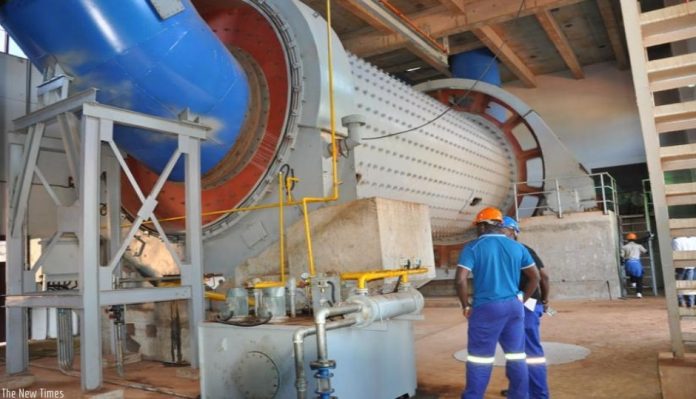
National Cement, a Kenyan cement producer, has announced that it has acquired a majority stake in Cimerwa, Rwanda’s only cement manufacturer. The deal, worth $85 million, gives National Cement a 69% share of Cimerwa, which has an annual production capacity of 600,000 tonnes.

The acquisition is part of National Cement’s expansion strategy in the East African region, where it faces stiff competition from other cement makers such as Bamburi, ARM and LafargeHolcim. National Cement’s managing director, Narendra Raval, said that the company aims to increase Cimerwa’s output to 1.2 million tonnes per year by investing in new technology and equipment.

By taking over Cimerwa, National Cement will gain access to the Rwandan market, which has a high demand for cement due to its ambitious infrastructure and housing projects. Rwanda also offers a strategic location for exporting cement to neighbouring countries such as Burundi, DR Congo and Tanzania.

Cimerwa, which was established in 1984 as a joint venture between the Rwandan government and China, has been struggling to meet the growing demand for cement in Rwanda and neighboring countries. The company has also faced challenges such as high production costs, power shortages and environmental issues.

In 2012, the government sold a 51% stake in Cimerwa to PPC, a South African cement firm, hoping to improve its performance and profitability. However, PPC decided to exit the Rwandan market last year, citing poor returns and governance issues.

The sale of Cimerwa to National Cement has been welcomed by the Rwandan government, which retains a 16.5% stake in the company. The Minister of Trade and Industry, Soraya Hakuziyaremye, said that the deal will boost the local cement industry and create more jobs and opportunities for Rwandans. She also expressed confidence that National Cement will adhere to the environmental and social standards required by the Rwandan law.

National Cement is one of the leading cement producers in Kenya, with a market share of about 20%. The company operates a state-of-the-art plant in Athi River, which has a production capacity of 1.8 million tonnes per year. The company also has a plant in Uganda, which produces 750,000 tonnes per year. National Cement is owned by Devki Group, a conglomerate that also has interests in steel, roofing and aviation.

Benefits of the acquisition

One of the main advantages of the acquisition is that it will increase the production capacity and market share of Cimerwa, which currently operates at 60% of its installed capacity of 600,000 tonnes per year.

National Cement has pledged to invest $30 million to upgrade and expand Cimerwa’s plant, which will boost its output to 1 million tonnes per year by 2025. This will enable Cimerwa to meet the growing demand for cement in Rwanda and the region, especially for infrastructure and housing projects.

Another benefit of the acquisition is that it will enhance the competitiveness and efficiency of Cimerwa, which has been struggling with high production costs and low profitability. National Cement has a proven track record of operating successful cement plants in Kenya and Uganda, with lower costs and higher margins than Cimerwa.

By leveraging its expertise and economies of scale, National Cement can help Cimerwa reduce its operational expenses and improve its product quality and customer service.

A third benefit of the acquisition is that it will strengthen the bilateral trade and investment relations between Rwanda and Kenya, two of the largest economies in East Africa. The deal will create synergies and opportunities for cross-border collaboration in the cement sector, as well as other sectors such as energy, transport, tourism and agriculture.

The deal will also contribute to the regional integration agenda of the East African Community (EAC), which aims to promote free movement of goods, services, capital and people among its six member states.

Challenges of the acquisition

However, the acquisition also poses some challenges that need to be addressed by both parties. One of the main challenges is to ensure that the deal complies with the regulatory requirements and safeguards of both countries, especially in terms of competition law, environmental protection, labor rights and corporate governance. The deal will also need to secure the approval of Cimerwa’s minority shareholders, who may have different expectations and interests than National Cement.

Another challenge is to manage the potential risks and uncertainties that may arise from external factors, such as political instability, security threats, currency fluctuations, trade barriers and natural disasters. These factors can affect the performance and profitability of Cimerwa, as well as its ability to access raw materials, energy, transport and markets. Therefore, National Cement will need to adopt a proactive and flexible approach to mitigate these risks and cope with these uncertainties.

A third challenge is to balance the interests and needs of various stakeholders, such as customers, suppliers, employees, communities and governments. The acquisition will inevitably bring some changes to Cimerwa’s operations and culture, which may generate some resistance or dissatisfaction among some stakeholders.

Therefore, National Cement will need to engage in effective communication and consultation with all stakeholders, to ensure that they understand and support the vision and goals of the acquisition, and that they benefit from its outcomes.

The acquisition of Cimerwa by National Cement is a significant development for the cement industry and the economy of Rwanda. It has the potential to create value for both companies and their stakeholders, as well as to foster regional integration and cooperation.

However, it also entails some challenges and risks that need to be carefully managed and overcome. The success of the acquisition will depend on how well National Cement can execute its strategy and deliver on its promises, while respecting the laws and norms of both countries. If done right, the acquisition can be a win-win situation for all parties involved.
All Eyes on Nigeria As Ghana Cuts Interest Rates by 100 Basis Points

0

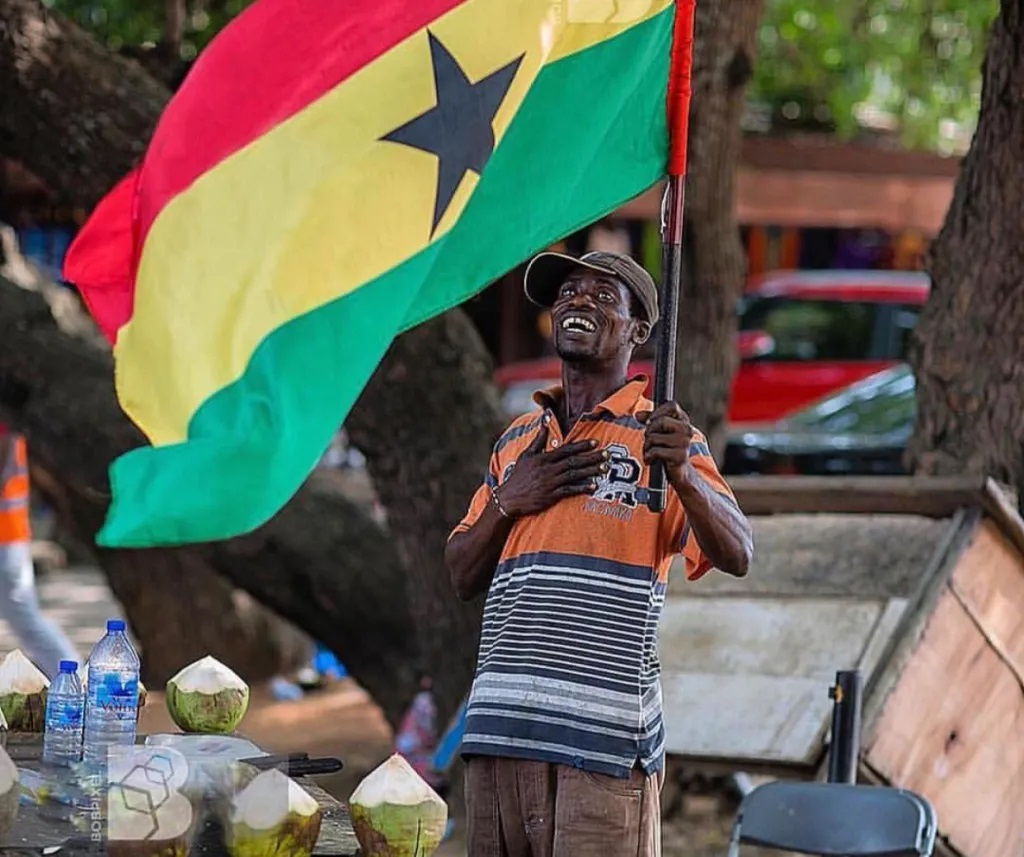
Ghana, which is currently grappling with a multifaceted economic crisis, has enacted a series of unprecedented economic measures, including a surprising move by the Monetary Policy Committee of the Bank of Ghana to cut the country’s benchmark interest rate by 100 basis points, reducing it from 30% to 29%.

This rate cut is a historic decision, marking the first instance of such an action in Ghana since 2021 and standing as the first occurrence of a rate cut by an African Central Bank in the current year. The move brings an end to the pause on the benchmark rate, which had been in effect since September 2023.

Ghana’s decision to cut rates follows a significant softening in inflation, which dropped to 23.2% in December 2023 from 26.2% in November 2023 – the lowest rate recorded since April 2022.

The central bank governor Ernest Addison, who spoke to the media in Accra, said the cut was initiated in anticipation of a decline in inflation.

“The latest forecast suggests that the disinflation process will continue, and headline inflation is expected to ease to around 13% to 17% by the end of 2024, before gradually trending back to within the medium-term target range of 6% to 10% by 2025,” he said.

While expressing optimism about the disinflation process, Addison acknowledged potential risks to the inflation outlook. He stressed the need for strict implementation of the 2024 budget and a tight monetary policy stance to sustain the progress made, emphasizing the committee’s commitment to maintaining a strong policy stance to consolidate the disinflation gains in the face of an emerging economic recovery.

“These forecasts notwithstanding, there are upside risks to the inflation outlook and there is the need for strict implementation of the 2024 budget and a tight monetary policy stance to sustain the disinflation process,” he said.

“The committee noted the emerging recovery but sees the need to maintain a strong policy stance to consolidate the disinflation gains.”

The decision to cut rates coincided with other significant financial developments. Ghana recently received a $600 million disbursement from the International Monetary Fund (IMF), representing the second tranche of its $3 billion bailout program with the lender. This injection of funds is intended to support Ghana’s efforts to stabilize its economy and implement crucial reforms.

Additionally, the World Bank approved a $300 million Development Policy Financing last week, aimed at assisting Ghana in restoring fiscal sustainability and enhancing financial sector stability. These financial lifelines are essential as Ghana grapples with economic challenges on multiple fronts.

One of the critical issues faced by Ghana is its escalating debt burden. The country’s borrowing has increased substantially, leading to concerns about its ability to meet repayment obligations. To address this, Ghana has decided to restructure its debt, acknowledging the need for a comprehensive approach to managing its fiscal responsibilities.

In light of these challenges, the decision to cut interest rates has not gone out without criticism. Some argue that a rate cut may exacerbate inflationary pressures and hamper efforts to address the country’s fiscal imbalances. However, the central bank contends that this move is a strategic response to the evolving economic landscape and is aligned with the goal of fostering sustainable economic growth.

Looking beyond Ghana’s borders, attention now turns to Nigeria, where the Monetary Policy Committee of the Central Bank is set to meet on February 26 and 27 to determine benchmark rates. Nigeria’s benchmark rates have been on hold at 18.75% since July 2023.

In stark contrast to Ghana’s rate cut, analysts are anticipating further rate hikes in Nigeria, driven by the country’s inflation rates reaching a generation-high figure of 28.92% in December 2023. Some analysts even project a substantial 500-basis points hike.

While the contrasting measures of the two West African powerhouses underline the complexity of addressing economic issues in the region, the outcomes are likely going to have a heavy bearing on the economic growth of the two countries.

2023 presidential election: INEC Needs to explain to Nigerians what happened to IReV – former INEC chair

0

The aftermath of the 2023 general elections in Nigeria has continued to be haunted by the controversy surrounding the failure of the Independent National Electoral Commission’s (INEC) Result Viewing Portal (IReV) and the Bimodal Voter Registration Systems (BVAS).

The malfunction, which raised questions about the transparency and integrity of the electoral process, has prompted a fresh demand for accountability from former INEC Chairman, Prof Attahiru Jega.

INEC officials faced challenges during the February 2023 presidential and National Assembly polls. Electronic upload of election results to the IReV, as mandated by Section 60 of the Electoral Act 2022, encountered difficulties at various polling units.

The resulting public outcry led opposition parties to vehemently protest against the manual collation of results and the declaration of winners.

Prof Attahiru Jega, former INEC Chairman and Vice-Chancellor of Bayero University, Kano, attributed the breakdown to the alleged infiltration by desperate politicians seeking victory “by hook or by crook.” He expressed disappointment in the actions of these politicians, accusing them of attempting to compromise the systems designed for accreditation and electronic transmission of votes.

Jega acknowledged INEC’s consistent efforts to enhance transparency through technological advancements but highlighted the perpetual challenge posed by reckless politicians. According to him, these politicians strive to stay a step ahead, constantly trying to outsmart the electoral body.

“In 2023, INEC did its best under very difficult circumstances and a lot of these difficult circumstances were caused by the mindset of our selfish politicians who wanted to win by hook or by crook,” he said.

“INEC has over time introduced technology to make the process of election results very transparent with integrity but from my own experience when I was in INEC from 2011 to 2015;

“…and I suspect that a lot of that has continued to be so up to 2023, our reckless politicians try to be a step ahead of INEC; if you introduce something today and you try it, they try to be a step ahead of you and beat it by the next election.

“And of course, they can also use ways and means to not only truncate but also bypass something that has actually been put in legitimately to add to the integrity of the process.

“If you ask my opinion, I feel very strongly that INEC needs to tell us more about what happened with the IReV. In fact, at one point, I was even calling for a thorough public inquiry about what happened with regard to IReV.

“I feel that something has happened, that in spite of the confidence and the very articulate manner the INEC chairman (Mahmood Yakubu) had spoken about the IReV and it then failed.

“I believe that some of our reckless politicians may have infiltrated it and truncated it but INEC will take the blame for that.”

He stressed the need for a thorough public inquiry into the IReV failure, questioning the system’s integrity despite the chairman’s initial confidence. “We need to go back to the bottom of what happened with the IReV,” he said.

The controversies stemming from the IReV failure are multi-faceted. Opposition parties, dissatisfied with the manual collation of results, challenged the victory of Bola Tinubu of the All Progressives Congress (APC), who was declared the winner of the presidential election by INEC.

The electoral body’s admission that certain glitches hampered real-time result transmission further fueled suspicions. This, coupled with its successful attempt to block the move of opposition parties to inspect election materials, cast a shadow over the credibility of the entire electoral process.

The controversies surrounding the IReV failure prompted questions about the effectiveness of INEC’s safeguards and raised concerns about the susceptibility of Nigeria’s electoral infrastructure to external interference.

The compromised IReV and BVAS systems have left an indelible mark on the 2023 presidential election, giving rise to a cascade of controversies and casting doubt on the efficacy of INEC’s technological mechanisms.

Jega’s call for a public inquiry into the 2023 election is one of many, including international observers, who advocated the need for transparency and accountability in addressing the failures and ensuring the integrity of future electoral processes. The IReV failure remains a focal point in discussions about the state of Nigeria’s democracy and the challenges faced in safeguarding the electoral process against manipulations.

Ukraine uncovers corruption in weapon procurement as Monaco royals face offshore assets allegations

0

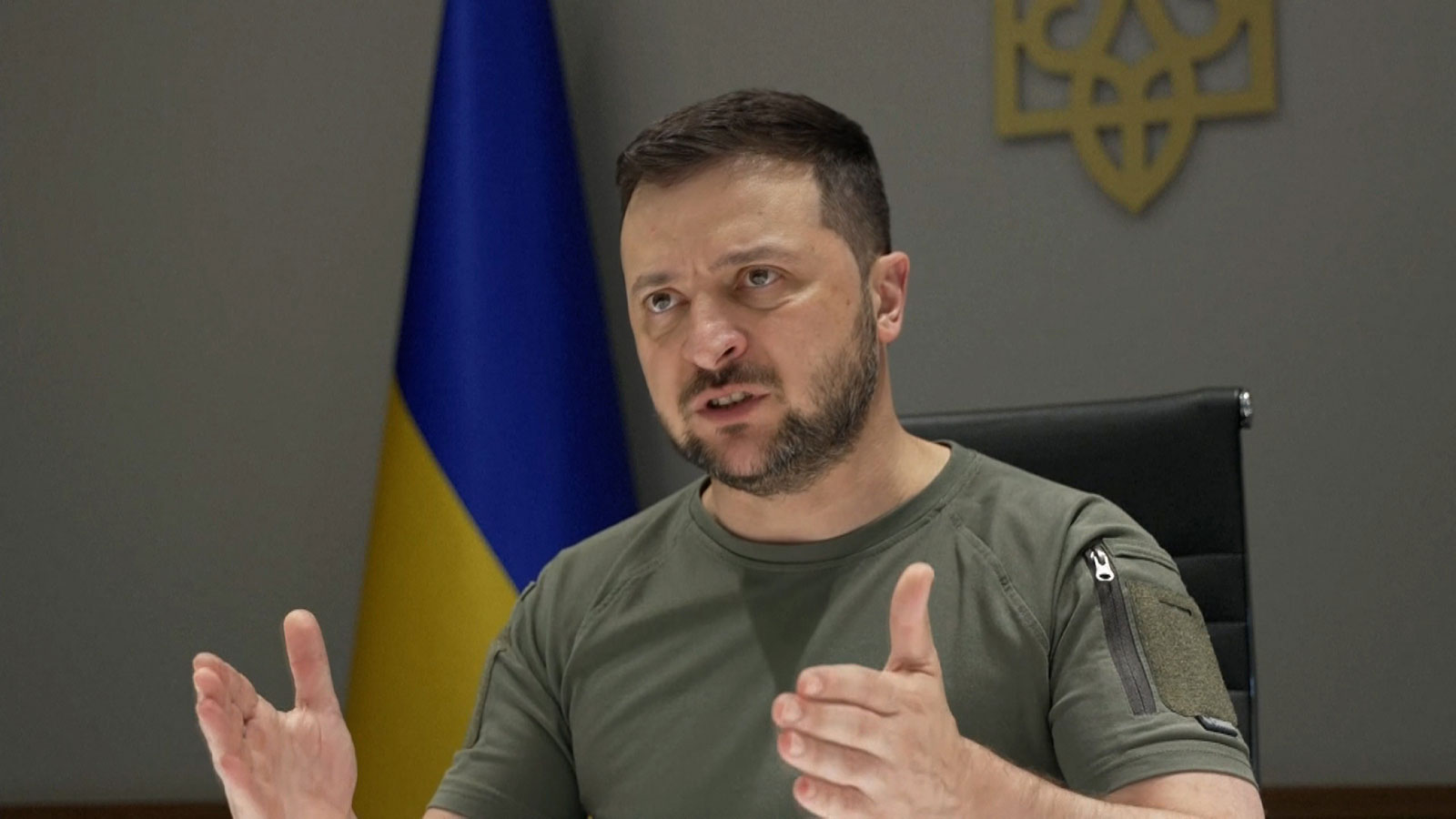
The Ukrainian government has announced that it has uncovered a massive corruption scheme involving the procurement of weapons and military equipment worth more than USD 40 million. The scheme allegedly involved officials from the Ministry of Defense, the State Security Service, and several private companies.

According to a statement released by the Prosecutor General’s Office, the suspects are accused of inflating the prices of contracts, falsifying documents, and embezzling funds. The investigation was launched in 2023 after an audit revealed irregularities in the spending of the defense budget.

The Prosecutor General’s Office said that it has seized assets and bank accounts belonging to the suspects, and that it will seek their arrest and prosecution. The office also said that it will cooperate with international partners to recover the stolen money and ensure transparency and accountability in the defense sector.

The corruption scandal is a major blow to Ukraine’s efforts to modernize its armed forces and enhance its security amid the ongoing conflict with Russia-backed separatists in the eastern regions. Ukraine has received significant military assistance from the United States and other NATO allies but has also faced criticism for its lack of reforms and anti-corruption measures.

The Ukrainian President, Volodymyr Zelensky, has vowed to fight corruption and improve governance since he took office in 2019. However, he has faced resistance from some political factions and vested interests, as well as challenges from the COVID-19 pandemic and the economic crisis. Zelensky has also been under pressure from his Western supporters to implement the Minsk agreements, which aim to end the war in Donbas and restore Ukraine’s territorial integrity.

Monaco royals rocked by new claims over offshore assets

The royal family of Monaco is facing fresh allegations of hiding their wealth in offshore accounts, according to a new investigation by a consortium of journalists. The investigation, based on leaked documents from a law firm that specializes in offshore services, claims that the Grimaldi family has used a network of shell companies and trusts to avoid taxes and conceal their assets from public scrutiny.

The documents reveal that the family has interests in luxury properties, yachts, art, and jewelry, among other things, that are not declared in their official financial statements. The investigation also alleges that some of the family members have used their diplomatic status to facilitate their offshore dealings and evade legal action.

The revelations have sparked outrage and criticism from both inside and outside Monaco, a tiny principality on the French Riviera that is known for its glamour and wealth. Some of the critics have called for more transparency and accountability from the royal family, while others have questioned the legitimacy and morality of their rule. The royal family has not yet responded to the allegations, but sources close to them have dismissed them as baseless and motivated by envy and malice.

They have also accused the journalists of violating their privacy and sovereignty. The investigation is the latest in a series of scandals that have tarnished the image of the Monaco royals in recent years. In 2014, Prince Albert II, the current ruler, admitted to having two illegitimate children from previous relationships, after years of denying paternity claims.

In 2017, his wife, Princess Charlene, was rumored to be unhappy and isolated in Monaco, amid reports of marital problems and infidelity. And in 2019, his sister, Princess Stephanie, was embroiled in a bitter feud with her former bodyguard, who claimed to be the father of her youngest daughter. The new allegations could further damage the reputation and credibility of the royal family, which has ruled Monaco since 1297.

The family has been instrumental in transforming Monaco from a poor fishing village into a glamorous tourist destination and a tax haven for the rich and famous. However, some observers have argued that the family’s power and privilege are outdated and incompatible with modern democracy and human rights.

Nigeria Initiates Overhaul in Oil Sector, Central Bank to Take Over Crude Sales from NNPCL

8

Amid growing concerns about declining oil revenue and transparency issues within the Nigerian National Petroleum Company Limited (NNPCL), President Bola Tinubu has initiated a series of sweeping reforms to enhance accountability in the oil sector.

The recent directive involves a fundamental shift in responsibility for crude oil sales, transferring oversight from the NNPC to the Central Bank of Nigeria (CBN).

Previously, the NNPC held exclusive control over crude oil sales, and critics argued that this arrangement lacked transparency, enabling the underreporting of earnings. Tinubu’s directive mandates the NNPC to submit all receipts for crude oil sales to the CBN for thorough vetting and documentation, aiming to eliminate potential gaps in reporting and ensuring accurate records of oil revenue.

Mr. Olayemi Cardoso, the Governor of the CBN, noted during a keynote address at the launch of the Nigerian Economic Summit Group (NESG) “2024 Macroeconomic Outlook Report,” that the directive is part of collaborative efforts between the CBN, the Ministry of Finance.

“This coordinated effort will greatly enhance the Bank’s foreign exchange flows and contribute to the accretion of reserves,” he said.

The expected stability in the foreign exchange market for 2024 is attributed to the reduction in petroleum product imports and the recent implementation of a market-determined exchange rate policy by the CBN. The reform aims to streamline and unify multiple exchange rates, fostering transparency and reducing arbitrage opportunities.

Cardoso believes that a consistent and stable exchange rate will boost investor confidence, attracting foreign investment and elevating Nigeria’s appeal to global investors.

“This reform is designed to streamline and unify multiple exchange rates, fostering transparency and reducing opportunities for arbitrage,” he said.

“The resulting consistent and stable exchange rate will not only boost investor confidence but also attract foreign investment, elevating Nigeria’s appeal to global investors.”

The governor said that the CBN is implementing a comprehensive strategy to improve liquidity in the foreign exchange markets, addressing fundamental issues that have hindered effective operations over the years.

“We are implementing a comprehensive strategy to improve liquidity in our FX markets in the short, medium, and long term. Our focus is on addressing fundamental issues that have hindered the effective operation of our markets over the years.

“Upholding the integrity of financial markets is crucial for building confidence. With the completion of an independent forensic review, we are addressing the backlog of valid FX transactions and we remain steadfast in our commitment to decisively address any infractions and abuses,” he added.

This move to enhance transparency in the oil sector has received positive reactions from experts. Kelvin Emmanuel, an energy expert and a financial analyst, stated, “I think it is a good thing that the President has removed revenue collection of crude oil sales from NNPCL, even though the revenues are actually credited to the offshore account bank of the CBN.”

Despite the positive reception, he suggested that the federal government needs to take further steps. This includes urging the NNPC to transfer its shareholding in government-owned enterprises like WAGPCO & NLNG back to the Ministry of Finance.

Emmanuel also called for a complete business process re-engineering for the NNPC and a reassessment of the importance of its retail portfolio.

“I still struggle to see the importance of their retail portfolio (NNPCL retail is a labor of love),” he added.

In parallel with these efforts, the Nigerian government has already taken substantial steps towards reforming the oil sector. The implementation of the Petroleum Industry Act (PIA), signed into law by former President Muhammadu Buhari, is believed to be a landmark move aimed at restructuring the oil and gas industry in Nigeria. The PIA aims to promote transparency, attract investments, and ensure the sustainable development of the sector.

The PIA provides a legal framework for the NNPC’s transformation into a commercially viable and transparent entity. The Act seeks to eliminate inefficiencies and mismanagement within the oil sector, fostering a more competitive and accountable industry.