DD
MM
YYYY

PAGES

DD
MM
YYYY

spot_img

PAGES

Home Blog Page 3760

Binance Announces The Launch of Its Social Platform to Create A More Inclusive Community For Crypto Enthusiasts

0

Leading crypto exchange platform Binance has launched its social platform called Binance Feed, to create a community-centered space for cryptocurrency enthusiasts and experts alike to exchange information, ideas and insights.

This announcement was made by Binance CEO Changpeng Zhao “CZ”, who took to the X platform to disclose the development to users across the globe.

He wrote,

“Just made my first post on Binance Feed. You can too. It’s a new platform. As always, we welcome your feedback to improve it. As I have 0 followers and followings now, I will follow the early adopters aggressively. Go there and follow me.”

CZ’s post on Binance Feed reads, “Welcome to the global town square for crypto discussions.”

With Binance Feed, users can now share their insights, analysis, personal experiences, and many more, thereby contributing to the collective growth and learning on the Binance platform.

This can include sharing news articles, blog posts, market analysis, trading tips, and even personal stories about their journey with cryptocurrency.

Binance Feed offers users a great way to stay up-to-date on the latest trends and developments in the crypto industry. Users can follow other users whose content they enjoy, and they will receive notifications whenever there are new postings on the platform.

Check out some of the benefits of using Binance Feed:

  • Market Update: The feed platform will provide users with real-time market data, and news updates to help them stay informed about cryptocurrency prices, trends, and developments.
  • Learn from experts and enthusiasts: Binance Feed offers a great place for users to learn about cryptocurrency from people who have been involved in the space for a long time. They can read their insights, ask questions, and get help with their trading and investing.
  • Connect with other crypto users: Binance Feed is a great way to connect with other people who are interested in cryptocurrency. Users can follow other users, like their posts, comment on their discussions and possibly receive a feedback.

Binance’s launch of an interactive feed platform is a remarkable development, which represents an expansion of the platform’s services beyond its core cryptocurrency trading platform and is intended to foster greater interaction and engagement among crypto enthusiasts.

CZ has been lauded for his ambitious move to give the crypto community another significant stimulus, which will also see users spend as much time on Binance as possible by making them engage in insightful discussions.

This will significantly raise the popularity of Binance not only as a crypto exchange, but also as a crypto social network, giving it a significant edge over other crypto platforms.

Phaver raises $7M in seed funding amid Sui Foundation Reallocating Tokens

0

Phaver, a Web3 social platform that empowers users to create and monetize their own content, has announced that it has raised $7 million in seed funding from a group of investors in the round included Polygon Ventures, Nomad Capital, Symbolic Capital, dao5, Foresight Ventures, Alphanonce, f.actor, Superhero Capital and others, according to a statement.

Phaver is a decentralized social network that leverages blockchain technology to enable users to own their data, identity, and reputation. Users can create and join communities, post and interact with content, and earn rewards in the form of Phaver tokens, which can be used to access premium features, tip creators, or stake for governance rights. Phaver also allows users to mint and trade NFTs of their content, creating new possibilities for digital art and creativity.

Phaver’s co-founder and CEO, Joonatan Lintala said that the platform aims to disrupt the traditional social media landscape by giving users more freedom, control, and value. “We believe that Web3 is the future of the internet, where users are not exploited by centralized platforms, but rather rewarded for their contributions. Phaver is a platform where anyone can create, share, and monetize their content without intermediaries or censorship,” he said.

He added that the seed funding will help Phaver scale its team, develop its product, and grow its user base. He also expressed his gratitude to the investors for their support and vision. “We are thrilled to have such a stellar group of investors backing us. They share our passion for Web3 and social media and have deep expertise and networks in the space. We look forward to working with them to make Phaver the best Web3 social platform in the world,” he said.

“Phaver’s mission is to connect the entire web3 by allowing users to bring in their own building blocks for their social graph, whether that means building credibility with a decentralized ID, finding community among holders of the same collectibles or building relationships across the entire internet with on-chain social layers like Lens,” Phaver CEO Joonatan Lintala said in the statement.

“Users, who now own crucial pieces of the social network, also deserve their fair share of the pie and should be heard in important decisions,” Lintala added. Phaver first launched in 2022 on Lens, a blockchain mainnet undergirding web3 social platforms.

In a similar development of ecosystem advancement, the Sui Foundation, the non-profit organization behind the Sui protocol, has announced a major decision to reallocate 117 million SUI from external market makers to its own treasury. This move is aimed at supporting the growth and development of the Sui ecosystem, as well as enhancing the security and decentralization of the protocol.

The Sui protocol is a decentralized platform for creating and exchanging synthetic assets, such as stocks, commodities, cryptocurrencies, and more. Users can mint synthetic assets, called sAssets, by staking SUI tokens as collateral. They can also trade sAssets on the Sui exchange or provide liquidity to earn fees and rewards.

The Sui Foundation explained that the reallocation of SUI tokens was necessary to ensure the long-term sustainability and innovation of the protocol. By having more control over its own funds, the Foundation can invest in research, development, marketing, community building, and governance initiatives that will benefit the Sui ecosystem and its users.

The Foundation also stated that the reallocation of SUI tokens will improve the security and decentralization of the protocol. By reducing the amount of SUI tokens held by external market makers, the Foundation can prevent potential attacks or manipulations by malicious actors. Moreover, by increasing the amount of SUI tokens in its treasury, the Foundation can distribute more tokens to the community through various incentives and reward programs, such as liquidity mining, staking, grants, and airdrops.

The reallocation of SUI tokens will take place gradually over the next few months, according to the Foundation. The Foundation will work closely with the external market makers to ensure a smooth and transparent transition. The Foundation will also publish regular reports on its website and social media channels to keep the community updated on the progress and impact of the reallocation.

The Sui Foundation expressed its gratitude to the external market makers for their support and cooperation in this decision. The Foundation also thanked the Sui community for its continued trust and participation in the protocol. The Foundation said that it is confident that this decision will bring positive outcomes for the Sui ecosystem and its users, and that it is looking forward to building a more robust and innovative platform for synthetic asset creation and exchange.

Africa is not a problem to be solved but an opportunity to be seized

0

Africa is often portrayed as a continent plagued by poverty, conflict, and disease. However, this narrative ignores the diversity, resilience, and potential of its people and cultures. Africa is not a problem to be solved but an opportunity to be seized. In this blog post, I will explore some of the reasons why Africa is a land of opportunity for investors, entrepreneurs, and innovators.

First, Africa has a young and growing population that is eager to learn, work, and create. According to the United Nations, Africa’s population is expected to double by 2050, reaching 2.5 billion people. More than half of them will be under 25 years old. This means that Africa will have the largest and youngest workforce in the world, with a huge demand for education, skills, and services. This also means that Africa will have a vibrant consumer market, with millions of people looking for quality products and experiences.

Second, Africa has a rich and diverse cultural heritage that inspires creativity and innovation. Africa is home to more than 2,000 languages and ethnic groups, each with its own history, traditions, and values. Africa is also the birthplace of humanity and civilization, with a legacy of art, music, literature, and science that spans millennia. Africa’s cultural diversity is a source of strength and inspiration for its people, who are constantly adapting and inventing new ways of solving problems and expressing themselves.

Third, Africa has abundant natural resources that can be harnessed for sustainable development. Africa has 30% of the world’s mineral reserves, 10% of the world’s oil reserves, and 8% of the world’s natural gas reserves. Africa also has vast renewable energy potential, with abundant solar, wind, hydro, and geothermal resources. Africa’s natural resources can be used to power its industrialization, diversification, and modernization, while also protecting its environment and biodiversity.

What if the subsidy on PMS and other petroleum products is now used on food?

This is a question that many Nigerians and Africans have been asking in the wake of the recent fuel price hike and food shortages in the continent. The government has argued that the subsidy on petrol and other petroleum products was unsustainable and wasteful, and that removing it would free up funds for other sectors, such as health, education, and infrastructure. But what if the subsidy was redirected to food instead?

Food is a basic necessity for human survival, and yet many Nigerians struggle to afford it. According to the National Bureau of Statistics, food inflation rose to 21.03% in August 2023, the highest level since 2017. The rising cost of food has been driven by factors such as insecurity, climate change, exchange rate fluctuations, and supply chain disruptions. As a result, many households have been forced to cut down on their food consumption, or resort to cheaper and less nutritious alternatives.

The impact of food insecurity on the well-being of Nigerians and in Africa cannot be overstated. Hunger and malnutrition can lead to poor health outcomes, reduced productivity, lower educational attainment, and increased poverty. According to the World Food Programme, Nigeria has the second-highest burden of stunted children in the world, with 10.5 million children under five suffering from chronic malnutrition. Moreover, food insecurity can also fuel social unrest and violence, as people become desperate and frustrated.

Therefore, it is imperative that the government takes urgent steps to address the food crisis in Nigeria. One possible solution is to use the subsidy on PMS and other petroleum products to subsidize food instead. This would mean that the government would reduce the price of food items by paying part of the cost to the producers or distributors. This would make food more affordable and accessible for consumers, especially the poor and vulnerable.

The benefits of subsidizing food are manifold. First, it would improve the food security and nutrition status of millions of Nigerians, thereby enhancing their health and well-being. Second, it would stimulate the agricultural sector and create more jobs and income for farmers and agro-processors. Third, it would reduce the dependence on imported food and save foreign exchange for the country. Fourth, it would ease the pressure on household budgets and increase consumer spending and demand. Fifth, it would foster social stability and peace by reducing hunger-induced grievances and conflicts.

Of course, subsidizing food is not without its challenges and drawbacks. For one thing, it would require a huge amount of public funds that could otherwise be used for other purposes. For another thing, it would entail a complex and efficient system of targeting, monitoring, and evaluation to ensure that the subsidy reaches the intended beneficiaries and does not leak to middlemen or corrupt officials. Furthermore, it would pose a risk of creating market distortions and disincentives for private sector investment and innovation in the food industry.

Therefore, before implementing such a policy, the government would need to conduct a careful cost-benefit analysis and consult with various stakeholders, including farmers, traders, consumers, civil society groups, and development partners. The government would also need to complement the subsidy with other measures to address the root causes of food insecurity, such as improving security, infrastructure, storage facilities, extension services, credit access, input supply, quality standards, and market information.

In conclusion, using the subsidy on PMS and other petroleum products to subsidize food is a potential option to tackle the food crisis in Nigeria. However, it is not a silver bullet that can solve all the problems in the sector. It requires careful planning, implementation, and evaluation to ensure that it achieves its objectives and does not create unintended consequences.

These are just some of the reasons why Africa is not a problem to be solved but an opportunity to be seized. Africa is a continent of hope, promise, and possibility. It is a continent that deserves respect, recognition, and partnership. It is a continent that can shape its own destiny and contribute to the global community.

World Economic Forum says Bitcoin Mining can reduce a “massive number of emissions”

0

The World Economic Forum (WEF) has published a report that claims bitcoin mining can have a positive impact on the environment by reducing greenhouse gas emissions. The report, titled “Bitcoin Mining as a Catalyst for Renewable Energy Growth”, argues that bitcoin mining can incentivize the development and deployment of renewable energy sources, such as solar, wind, and hydro power.

Bitcoin mining is often criticized for its high energy consumption and environmental impact. However, some experts argue that bitcoin mining can actually reduce a “massive number of emissions” and benefit the environment.

According to the report, bitcoin mining can help balance the supply and demand of electricity in regions where renewable energy is abundant but intermittent. For example, solar panels produce excess electricity during the day, but not at night. Bitcoin miners can use this surplus electricity to mine bitcoins during the day and reduce their consumption at night when the grid needs more power. This way, bitcoin mining can increase the utilization and profitability of renewable energy assets and lower the reliance on fossil fuels.

The report also suggests that bitcoin mining can create a “massive number of emissions reductions” by displacing carbon-intensive activities in the energy sector. For instance, bitcoin mining can replace coal-fired power plants that are used to provide baseload electricity. Bitcoin mining can also reduce the need for natural gas Peaker plants that are used to meet peak demand. By doing so, bitcoin mining can lower the carbon intensity of the electricity mix and contribute to the global efforts to mitigate climate change.

One of the main reasons is that bitcoin mining can incentivize the use of renewable energy sources, such as solar, wind, and hydro power. These sources are often underutilized or wasted due to their intermittency and lack of grid integration. Bitcoin mining can provide a steady and profitable demand for these sources, making them more attractive and viable for investors and operators.

Another reason is that bitcoin mining can enable the development of new technologies and innovations that can improve energy efficiency and reduce carbon footprint. For example, some bitcoin miners are using waste heat from their machines to heat buildings, greenhouses, or fish farms. Others are exploring ways to capture and store carbon dioxide from their operations. These practices can not only lower the operational costs of bitcoin mining, but also create positive externalities for the environment and society.

The report concludes that bitcoin mining can be a catalyst for renewable energy growth, and that policymakers and regulators should support this emerging industry. The report recommends that governments should provide clear and consistent regulatory frameworks for bitcoin mining, and that they should facilitate the integration of bitcoin mining into the energy system. The report also encourages renewable energy developers and providers to collaborate with bitcoin miners and explore new business models and opportunities.

Finally, bitcoin mining can also contribute to the transition to a more decentralized and resilient energy system. By distributing the power generation and consumption across a global network of nodes, bitcoin mining can reduce the dependence on centralized and vulnerable grids, as well as the need for costly and polluting transmission lines. Bitcoin mining can also enhance the security and reliability of the energy system, by providing a backup source of power in case of emergencies or disruptions.

The report is based on a series of workshops and interviews with experts from the bitcoin mining industry, the renewable energy sector, academia, and civil society. The report is part of the WEF’s Global Future Council on Cryptocurrencies, which aims to provide thought leadership and strategic guidance on the role of cryptocurrencies in the global economy.

As Predicted, Nigeria Has Brought Back Fuel Subsidies

4

Let us celebrate a correct call. Yes, when Nigeria announced that it had removed fuel subsidy, I wrote thus: “According to AO Lawal’s Economics textbook, companies consider the availability of factors of production before they would locate their operations. In that secondary school textbook, there was a section he called “Location and Localization of Industries”.  In Nigeria today, ENERGY is one of the key components of production, and without energy, you have no economy. In Germany, industrial output is fading because cheap energy from Russia has gone. But Germany will be back – they will find a way to subsidize energy for their industries.

“Nigeria, by removing fuel subsidy, instead of fixing the corruption which makes production-oriented fuel subsidy ineffective, will trigger an avalanche of degraded production output that will decimate the economy. It is not a smart policy to think markets will pay the full cost of energy when EVERY productive nation in the world subsidies energy, including US, Japan, China and everyone!

“Our problem is not fuel subsidy; our problem is the corruption in fuel subsidy which makes fuel subsidy look bad. Yes, open borders, fake invoicing, etc are not due to fuel subsidies; those are weaknesses in governance. Fix them and give manufacturers in Nigeria the opportunities to compete…”

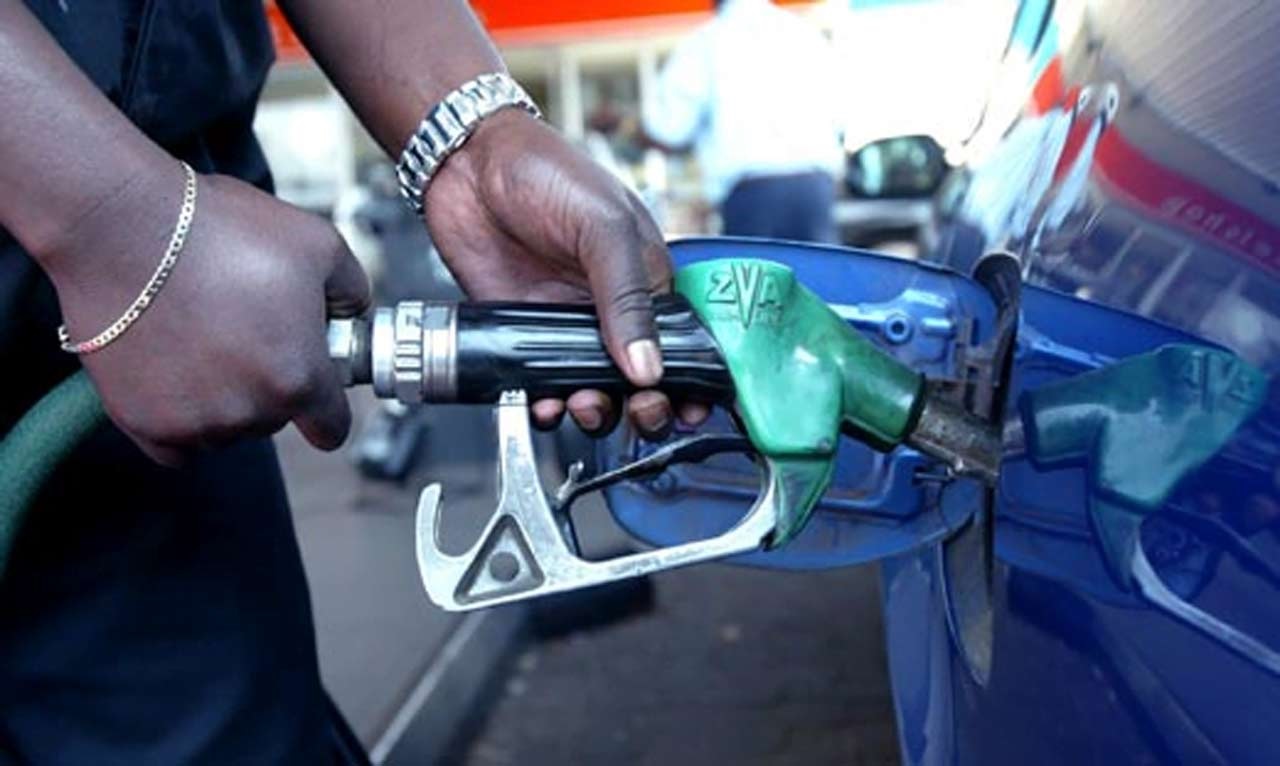
Today, it is now official: “The National President of the Petroleum and Natural Gas Senior Staff Association of Nigeria (PENGASSAN), Festus Osifo, on Friday, said the Nigerian government has restored subsidy on petrol, despite the official government policy of breaking with the subsidy regime since May.” When the global oil price went up along with the exchange rate of Naira to US dollars, even as the price of petrol remained constant, we knew that someone was paying the variance. Today, it is clear: fuel subsidy is back! It never had a chance because the original policy made no sense.

Speaking on Friday, Mr Osifo said due to the cost of crude oil in the international market and the exchange rate, the government still pays subsidies on petrol.

“The speculation has been there looking at the fundamentals because two basic things that contribute to the pricing today are the exchange rate and the price of the crude in the international market.

“You know, in the last few weeks, the price of crude has been going up, and inches towards $95 per barrel. Based on this, there are speculations that there may be an increase in the price of Premium Motor Spirit (PMS) but behind the scenes, we have been engaging the government and trying to make them understand that there is no basis for that.

“Because for us, you know when they floated the exchange rate, you would recall that the exchange rate was moving at a very fast speed before some interventions came,” Mr Osifo said.

He also said: “Today the official exchange rate is around N770 per dollar. So what we have told them is that all international agencies, if you look at JP Morgan, Bank of America and all, they have said that our naira today is undervalued. What that means is that our naira should be exchanged somewhere around N600 to N630 to a dollar.

“And if the government is able to push it down to that range then we would be buying PMS at a little reduced rate compared to where it is today.

“So, we have told the government that there is no basis for us to be buying PMS at a price higher than what we have today. But instead, it should go down. But the controlling factor is the exchange rate and so if they could work on the exchange rate. Today it is somewhere around N770 to a dollar. But if the true value comes to bear around N600 to a dollar then we would even buy PMS at a cheaper rate,” he added.

Responding to the question of whether the government is still subsidising petrol since the removal of fuel subsidy, Mr Osifo said, “We have to be honest to Nigeria. As at today, I could tell you that if you look at the crude oil price, there is what they call Platt so if you google it you will see the Platt index and if you check the Platt index, that will give you the X depot price from Rotterdam.

“So, if you look at it and you convert it using our current exchange rate you know that the landing cost in Nigeria today ought to be more than what we are dispensing at the pump,” he said.

He said what that means is the additional cost is being catered for by the government.

“But our cry is this, we should manage our FX more effectively compared to the way we are managing it today. If the true value of our exchange FX is around N600 to a dollar, if that is the true value, the government should find a way to manage it there is no need for paying subsidy.

“The reason we are paying subsidy today is because our exchange rate has run away and if we continuously allow it to run, it will be a nightmare for everyone.”

He added: “They (the government) are paying subsidy today. You could see what happened in the last few months when the subsidy was removed. You could see the challenges that an average Nigerian has passed through. So, it has been very difficult but the government had the tools with which they could use in managing the exchange rate more effectively so that the subsidy will disappear but they are not using it.”

Comment on Feed

Comment 1: Is PENGASSAN President now the GMD of the NNPCL, the Minister of Petroleum Resources, the Minister of Finance or the President of Nigeria?
If the subsidy has been restored why are the NLC and TUC, of which Osifo is a prominent member, still demanding palliatives from the Nigerian Government?

My Response: His  point is that fuel has moved from sub-N200/litre to now N600/litre and should be N800/litre now if not for the subsidy between N600 to N800. He does not have to be GMD of NNPC to say that. Also, NLC and TUC have a point: account for the loss of value between N200 and N600 since N600 seems to be the new stable state. They want to be compensated for that variation.