DD
MM
YYYY

PAGES

DD
MM
YYYY

spot_img

PAGES

Home Blog Page 3774

Notable Provisions Of NAFDAC Good Distribution Practice Guidelines For Pharmaceutical Products in Nigeria

0

The distribution of pharmaceutical products is an important component activity in the Supply chain and involves several players. It consists of procuring, holding, supplying, importing and exporting of pharmaceutical products.

Distribution activities are carried out by manufacturers, importers, wholesalers/distributors,retailers and other persons authorized to supply pharmaceutical products in the public and private sectors.

The Good Distribution Practice (GDP) guidelines forming the focus of this article are intended to help players in the supply chain of pharmaceutical products comply with NAFDAC Good Distribution Practice Regulations.

What are the objectives of the GDP guidelines?

-The GDP guidelines prescribe the minimumrequirements for good distribution of pharmaceutical products. 

– The GDP guidelines provides appropriate tools to assist all categories of distributors in conducting their activities in order to maintain the quality of pharmaceutical Products and prevent counterfeits from entering the legal supply chain.

-The guidelines are intended to help in minimizing the inherent risks in distribution such as mix-ups, adulteration, contamination, cross contamination and diversions.

What is the applicability scope of these guidelines?

-These guidelines apply to persons and entities involved in any aspect of the Distribution of pharmaceutical products from the manufacturing site to the point of sales or use. 

– The guidelines apply but are not limited to governments at all levels, non- governmental organizations, public and private health and storage facilities, manufacturers of finished pharmaceutical products, importers, exporters, wholesalers/distributors,suppliers, pharmacy retailers.

– Some sections of these guidelines also apply to other entities involved in the distribution of pharmaceutical products such as clearing and forwarding agents, freighters and transporters. 

– The guidelines also apply to distributors that are established or operating in Customs areas, such as free zones or free warehouses.

Which persons fall under the exemptions to the applicability scope of the guidelines?

-The guidelines do not apply to holders of Patent and Proprietary Medicine Vendors’ License (PPMVL) as the activities of this group are covered under Good Dispensing Practices.

-The document is to be used in conjunction with other existing relevant Pharmaceutical product statutes in the country. The good practices outlined Below are to be considered general guides, and they may be adapted to meet Individual needs as the distributor achieves compliance with regulatory Objectives.

What are the responsibilities assigned to relevant parties under the guidelines?

-All parties involved in the distribution of pharmaceutical products have a responsibility to ensure that the quality of pharmaceutical products and the integrity of the distribution chain are maintained throughout the distribution process from site of the manufacturer to the entity responsible for dispensing or providing the product to the patient.

-The principles of good distribution practice (GDP) are applicable both to pharmaceutical products moving forward in the distribution chain from the manufacturer to the entity responsible for dispensing or providing the product to the end user; and to products which are moving backwards in the chain such as it obtains in return and recall

-The principles of GDP are also applicable to donated pharmaceutical products.

-All distributors should apply due diligence with adherence to the principles of GDP, for example, in procedures relating to traceability and in recognition of security risks.

-All distributors should comply with the extant national legislations on pharmaceutical products.

-All distributors should be appropriately authorized and can be held accountable for all the activities that relate to the distribution of pharmaceutical products.

– Only entities which have marketing authorization for pharmaceutical products or their agents are entitled to import or export pharmaceutical products.

-Pharmaceutical products may be distributed within or to a country or territory if a marketing authorization or similar authorization has been granted, which allows the use of that pharmaceutical product in that country or territory.

-Holders of an authorization to distribute pharmaceutical products should obtain their supplies only from persons or entities which are in possession of the applicable authorization to sell or supply such products.

-Distributors or their agents should supply pharmaceutical products only to persons or entities which are themselves authorized to acquire such products either in terms of an authorization to act as a distributor or to sell or supply products directly to a patient .

What are some of the GDP principles highlighted in the guidelines?

-The correct distribution of pharmaceutical products relies upon people. For this reason, there must be sufficient number of competent personnel to carry out all tasks for which the distributor is responsible. Individual responsibilities should be clearly understood by employee and be recorded.

– There should be an adequate organizational structure defined with the aid of an organizational chart for each distributor. The responsibility, authority and interrelationships of all personnel should be clearly indicated.

– Duties and responsibilities should be clearly defined and understood by the individuals concerned and recorded as written job descriptions. The position of the superintendent pharmacist as required by law for the supervision of activities should be well defined. 

-At every level of the supply chain, employees should be fully informed and trained in their duties and responsibilities.

-A designated person should be appointed within the organization, who has defined authority and responsibility for ensuring that a quality management system is implemented and maintained.

-Managerial and technical personnel must have the authority and resources needed to carry out their duties and to set up and maintain a quality management system, as well as to identify and correct deviations from the established quality management system .

-The responsibilities placed on any one individual should not be so extensive as to present any risk to product quality.

-There should be arrangements in place to ensure that management and personnel are not subject to commercial, political, financial, and other pressures or conflict of interest that may have an adverse effect on the quality of service provided or on the integrity of pharmaceutical products.

-Safety procedures relating to all relevant aspects including the safety of personnel and property, environmental protection and product integrity should be in place.

What are the provisions of the guidelines regarding personnel?

-Key personnel involved in the distribution of pharmaceutical products should have the ability and experience appropriate to their responsibility for ensuring that pharmaceutical products are distributed properly.

– Personnel involved in the distribution of pharmaceutical products should wear garments suitable for the activities that they perform. 

– Personnel dealing with hazardous pharmaceutical products, including products containing materials that are highly active, toxic, and infectious or sensitizing, should be provided with Personal Protective Equipment (PPE) as necessary.

– Procedures and conditions of employment for employees, including contract and temporary staff, and other personnel having access to pharmaceutical products must be designed and administered to assist in minimizing the possibility of such products coming into the possession of unauthorized persons or entities.

– Codes of practice and punitive procedures should be in place to prevent and address situations where persons involved in the distribution of pharmaceutical products are suspected of, or found to be implicated in, any activities relating to the misappropriation, tampering, diversion or counterfeiting of any product.

– Appropriate procedures relating to personnel hygiene, relevant to the activities being carried out, should be established and observed. Such procedures should cover health, hygiene and clothing.

Who exactly is a “Responsible person” under the guidelines?

– All distributors under the guidelines must designate a person as a responsible person who is the superintendent pharmacist. The responsible person should have appropriate competence and experience as well as knowledge of and training in GDP.

– The responsible person should fulfill their responsibilities personally and should be continuously contactable. 

– The responsible person may delegate duties but not responsibilities.

– The written job description of the responsible person should define their authority to take decisions with regard to their responsibilities. The distributor should give the responsible person the defined authority, resources and responsibility needed to fulfill their duties.

-The responsible person should carry out their duties in such a way as to ensure that the distributor can demonstrate GDP compliance and that obligations to the public are met. 

-The responsibilities of the responsible person include:

a.Ensuring that a quality management system is implemented and maintained;

b.Focusing on the management of authorized activities, the accuracy and quality of records;

c.Ensuring that initial and continuous training programmes are implemented and maintained;

d.Coordinating and promptly performing any recall operations for pharmaceutical products;

e.Ensuring that relevant customer complaints are dealt with effectively;

f.Ensuring that suppliers and customers in the distribution chain are approved;

g.Approving any subcontracted activities which may impact on GDP;

h.Ensuring that self-inspections are performed at appropriate regular intervals following a prearranged programme and necessary corrective measures are put in place;

i.Keeping appropriate records of any delegated duties;

j.Deciding on the final disposition of returned, rejected, recalled or falsified products; k.Approving any returns to saleable/useable stock;

l.Ensuring that any additional regulatory requirements imposed on certain products are adhered to.

What are the provisions of the guidelines on training?

– All personnel involved in distribution activities should be trained on the requirements of GDP. They should have the appropriate competence and experience prior to commencing their tasks. Training should be based on written standard operating procedures (SOPs).

-Personnel should receive initial and continuing training relevant to their role, based on written procedures and in accordance with a written training programme. The responsible person should also maintain their competence in GDP through regular training.

– In addition, training should include aspects of product security, as well as aspects of product identification, the detection of counterfeits and the avoidance of counterfeits entering the supply chain.

-Personnel dealing with any products which require more stringent handling conditions should receive specific training. Examples of such products include hazardous products, radioactive materials, products presenting special risks of abuse (including narcotic and psychotropic substances), as well as time and temperature-sensitive products.

– A record of all training should be kept, and the effectiveness of training should be periodically assessed and documented.

The West Africa’s NATO – Liptako-Gourma Charter – And How The War in Ukraine Has Clipped France in Africa

1

In July 2023, I wrote with the headline “Mali, Burkina Faso and Niger Republic’s North of Gulf of Guinea Treaty Organization* (NGGTO) – Attack on One Is Attack on the Three!” In that piece, I explained thus: “Right now in West Africa,  Mali and Burkina Faso have jointly told ECOWAS, led by Nigeria (holding the rotating Chairmanship), that if it fights the Niger Republic junta, they will fight to defend the Niger Republic sovereignty. The junta overthrew a democratic president a few days ago. Here, Mail and Burkina Faso are the NGGTO* (North of Gulf of Guinea Treaty Organization), analogous to NATO in Ukraine! “

Today, that has been done: “Mali’s interim president, Assimi Goita, said on Saturday night that he signed the Liptako-Gourma Charter with the leaders of Burkina Faso and Niger, “with the aim of establishing a collective defense and mutual assistance framework.” …“Any attack on the sovereignty and territorial integrity of one or more contracted parties will be considered an aggression against the other parties,” according to the text of the charter, as cited by Reuters. 

The charter establishes an Alliance of Sahel States, which comprises three countries that had previously been members of the Paris-supported G5 Sahel pact with Chad and Mauritania, and which has fallen apart following a series of military coups.

The defense minister of Mali, Abdoulaye Diop, explained that this “alliance will be a combination of military and economic efforts between the three countries,” with a focus on the fight against terrorism, particularly in the Liptako-Gourma region, where the borders of the three neighbors meet

Sure – they came up with a clever name, but I saw this coming. Next year, if the Ukraine war continues with Russia, you will read a charter among Russia, Iran and North Korea without mutually assured defense, but heavy on sharing military capabilities and support. And if the war continues to 2025, China will be added in the midst.

Good People, the world is not looking safer. NATO will get Sweden and Norway, but China is getting closer to Russia. If you analyze recent alliances, you will not see everything as a win for NATO because making China more entwined with Russia, even as it gets Sweden and Norway, is not a clear victory. Military budgets of Sweden and Norway are rounding numbers in China’s.

Left and right, everyone is losing in this war. Russia is losing. NATO is losing. Ukraine has suffered and deserves peace. But unfortunately, as the war rages, alliances shift and the world becomes more polarized. 

Indeed,  without the Russia-Ukraine war, France would have bombed Niger and the military junta, but it cannot do that because it has mirrors in Paris. And that is why everyone has forgotten Gabon’s coup because if you attack the military leaders, you are a mini-Russia. Russia weakened France and the whole of Europe in Africa, as it clips the hands of France, to do its usual game in Africa these days.

The world has evolved – and everyone is a victim except military contractors and weapon manufacturers, and their investors.

MohBad: Navigating the Politics and Economics of Record Labels in Nigeria’s Music Industry

0

In the heart of Lagos, Nigeria, a vibrant music scene was in full swing, and it was the record labels that often held the keys to stardom. Among the rising stars was MohBad, a talented rapper, singer, and songwriter. Born Ilerioluwa Oladimeji Aloba on June 8, 1996, MohBad was poised to make his mark on the Nigerian music industry.

He found his first break when he signed with Marlian Records, a label founded by the controversial but immensely popular Naira Marley. The label was known for its edgy and unapologetic approach to music, resonating with a new generation of music lovers. Under the Marlian banner, MohBad released hit singles like “Ponmo,” “Feel Good,” and the viral sensation “KPK (Ko Por Ke)” with Rexxie. The latter track earned them three nominations at The Headies awards in 2022.

However, MohBad’s journey with Marlian Records was far from smooth. In 2022, he made headlines by leaving the label, citing differences and disputes. His departure sparked a heated debate within the Nigerian music industry, bringing to the forefront the politics and economics of record labels.

Record labels in Nigeria, like in many parts of the world, play a pivotal role in the careers of aspiring musicians. They offer financial support, production expertise, and distribution networks that can catapult artists to stardom. But beneath the surface, the dynamics between artists and labels can be intricate and sometimes contentious.

The Marlian Records controversy shed light on these complexities. Critics argued that Naira Marley, as the owner of the label, did not always treat his signees fairly. Allegations of financial disputes and claims of artists being exploited cast a shadow over the label’s operations. It raised a crucial question: Are some artists being driven into financial hardship while the label profits?

Yet, it’s important to acknowledge that not all record label stories in Nigeria share this negative narrative. Many artists, nurtured by various labels, have reached the pinnacle of success. They’ve become icons both within Nigeria and on the global stage, showcasing the immense potential that record labels can unlock.

However, this success also gives rise to another important question: Are the rewards evenly distributed between artists and labels? The economics of record labels reveal a delicate balance. Labels, as businesses, make significant investments in artists, including production costs, marketing campaigns, and distribution efforts. But this investment comes with risks. Not every artist achieves commercial success, which can strain label finances.

From the artist’s perspective, signing with a record label offers undeniable benefits, such as access to top-notch recording studios, professional producers, and extensive promotional resources. However, the terms of contracts can be a double-edged sword, often favoring the label’s interests over those of the artist. This has led to calls for greater transparency and fairness in contract negotiations.

To address the controversies surrounding record labels in Nigeria’s music industry, several steps can be taken. Transparency in contracts should become the norm, ensuring that both artists and labels understand their rights and responsibilities. Artist empowerment through education about the industry and finances can help them make informed decisions. Regulation might be necessary to oversee contractual agreements and ensure fair treatment.

Exploring alternative models, such as distribution deals that grant artists more control, could provide a middle ground between independence and label backing. Mentorship programs within labels can educate artists about the intricacies of the music business, fostering long-term career sustainability.

The story of MohBad and Marlian Records represents a microcosm of the broader music industry in Nigeria. It reveals the delicate dance between creativity and commerce, talent and business, aspiration and exploitation. Striking a balance between artist empowerment and label profitability is crucial for the continued growth and success of the Nigerian music industry. By fostering transparency, education, and fair business practices, the industry can evolve to benefit all stakeholders and continue its ascent on the global stage.

Why SIM Swap Scams is on the Rise in Crypto

0

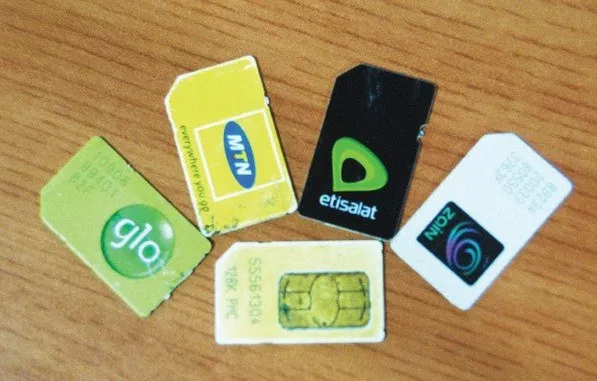
SIM swap scam is a type of cyberattack that involves taking over a victim’s phone number and using it to access their online accounts, such as email, social media, and cryptocurrency wallets. The attacker usually contacts the victim’s mobile service provider and convinces them to transfer the victim’s phone number to a new SIM card that the attacker controls. This way, the attacker can bypass the two-factor authentication (2FA) that many online platforms use to verify the identity of the user.

The cryptocurrency industry is particularly vulnerable to sim swap scams because many crypto platforms rely on phone-based authentication methods, such as two-factor authentication (2FA) or one-time passwords (OTP). These methods are supposed to add an extra layer of security to online accounts, but they can be easily bypassed by sim swap scammers who can intercept the codes and access the accounts. Moreover, cryptocurrency transactions are irreversible and anonymous, which means that once the scammers transfer the funds to their own wallets, there is no way to trace or recover them.

According to a report by CipherTrace, a blockchain security company, sim swap scams accounted for $30 million in losses in 2020, and the trend is expected to continue in 2023. Some of the notable victims of sim swap scams include Michael Terpin, a crypto investor who lost $24 million in 2018; Robert Ross, a father who lost his life savings of $1 million in 2018; and Gregg Bennett, a former Amazon executive who lost $164,000 in 2019.

To perform a SIM swap, scammers need to gather some personal information about you, such as your name, date of birth, phone number, account number, and security questions. They may obtain this information from various sources, such as social media, phishing emails, data breaches, or malicious apps.

Once they have enough information, they contact your mobile carrier and pretend to be you. They claim that they have lost or damaged their SIM card and request a new one to be activated. They may also provide some fake documents or identification to convince the customer service representative.

If the scammers succeed in convincing the mobile carrier, they will receive a new SIM card with your phone number. This means that they can receive all the calls and texts that are meant for you, including the 2FA or 2SV codes that are sent by your bank, email provider, social media platform, or other online service.

With these codes, the scammers can access your online accounts and perform fraudulent activities, such as transferring money, changing passwords, stealing personal data, or locking you out of your accounts.

SIM swap scam is especially common in the cryptocurrency industry because of the following reasons:

Cryptocurrency transactions are irreversible. Once the attacker transfers the victim’s funds to their own wallet, there is no way to get them back.

Cryptocurrency wallets are often protected by 2FA that relies on SMS or phone calls. If the attacker has access to the victim’s phone number, they can easily receive the verification codes and access the wallet.

Cryptocurrency users are often targeted by phishing emails or messages that lure them to reveal their personal information or click on malicious links. The attacker can use this information to impersonate the victim and request a SIM swap from the mobile service provider.

Cryptocurrency users may not notice the SIM swap until it is too late. Unlike bank accounts or credit cards, cryptocurrency wallets do not have any fraud detection or notification systems that alert the user of suspicious activity.

If you are a victim of a SIM swap scam, you may notice some of these signs:

Your phone suddenly loses network signal or shows “No Service” or “Emergency Calls Only”.

You stop receiving calls and texts from your contacts.

You receive messages or emails from your online services that indicate suspicious login attempts or password changes.

You are unable to access your online accounts or find that they have been compromised.

You receive unexpected bills or charges from your mobile carrier or online services.

There are some steps that cryptocurrency users can take to prevent SIM swap scam, such as:

Use a different phone number for 2FA that is not linked to your main phone number. You can use a prepaid SIM card, a virtual phone number, or a hardware device that generates one-time passwords.

Use an app-based 2FA instead of SMS or phone calls. Some examples are Google Authenticator, Authy, or Microsoft Authenticator. These apps generate codes that are stored on your device and do not rely on your phone number.

Do not share your personal information or click on suspicious links from unknown sources. Always verify the sender and the URL before opening any email or message related to your cryptocurrency accounts.

Monitor your phone service and your cryptocurrency accounts regularly. If you notice any unusual activity, such as losing signal, receiving messages about SIM change, or seeing unauthorized transactions, contact your mobile service provider and your cryptocurrency platform immediately.

Use a reputable and secure cryptocurrency wallet that offers additional security features, such as encryption, backup, recovery, or multisig. Some examples are Ledger, Trezor, or Coinbase Wallet.

SIM swapping is a serious threat that can compromise your online security and privacy. By following these tips, you can reduce the risk of falling prey to this scam and protect your digital identity.

What is a Flatcoin and What Are the Underlining Impacts?

0

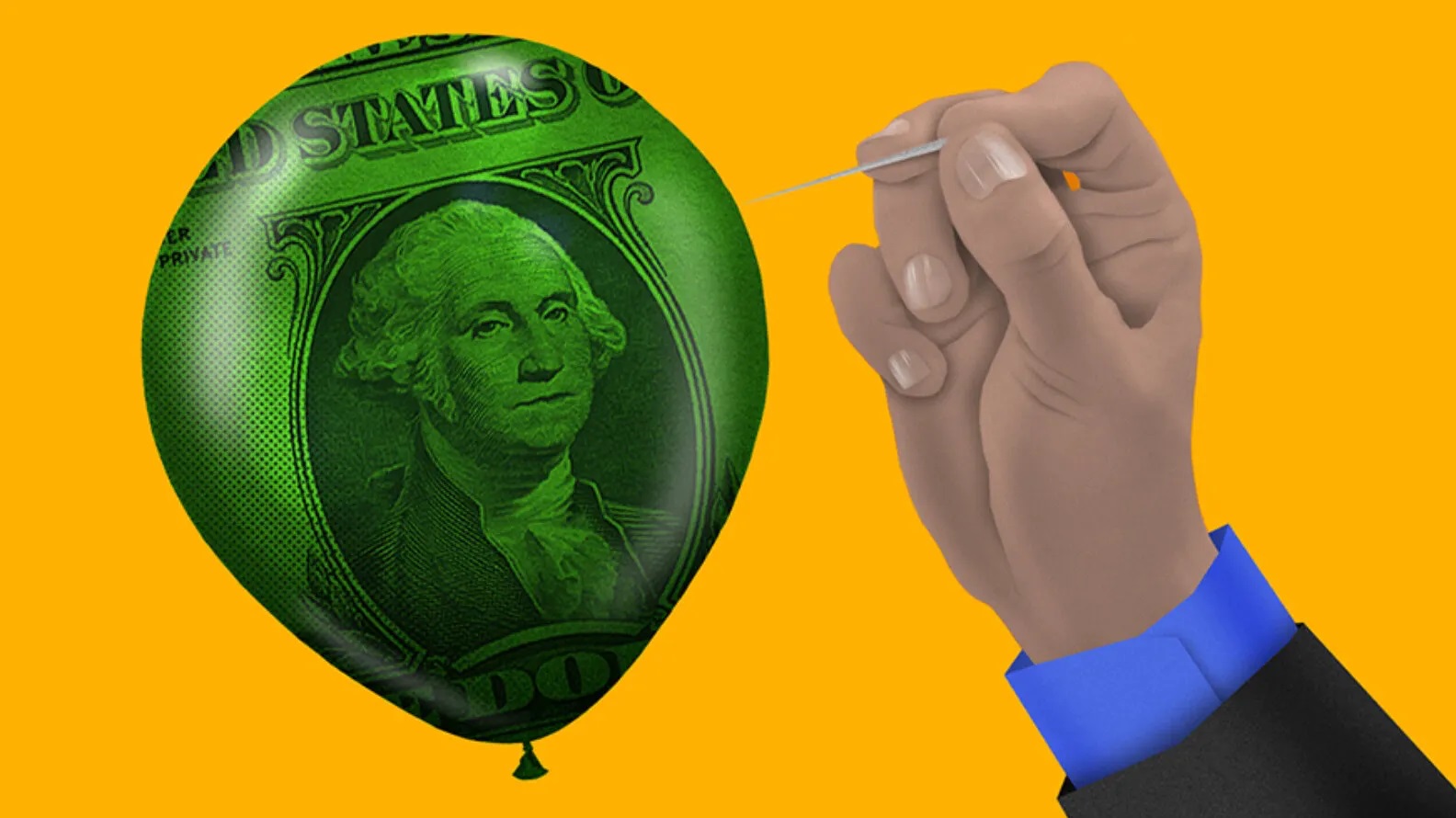
Flatcoins are a type of cryptocurrency that aim to maintain a stable value relative to a fiat currency or a basket of assets. Unlike volatile cryptocurrencies such as Bitcoin or Ethereum, flatcoins are designed to be used as a medium of exchange, a unit of account, and a store of value. Flatcoins can be classified into three categories: fiat-backed, crypto-backed, and algorithmic.

Fiat-backed flatcoins are the most common and straightforward type of flatcoins. They are issued by a centralized entity that holds a reserve of fiat currency or other assets in a 1:1 ratio. For example, Tether (USDT) is a flatcoin that claims to be backed by US dollars, while Binance USD (BUSD) is backed by both US dollars and Paxos Standard (PAX), another flatcoin.

Fiat-backed flatcoins are easy to use and understand, but they rely on the trustworthiness and solvency of the issuer and the custodian of the reserves. They also face regulatory and compliance challenges, as they may be subject to anti-money laundering (AML) and know-your-customer (KYC) rules.

Crypto backed flatcoins are another type of flatcoins that are collateralized by other cryptocurrencies, usually overcollateralized to account for price fluctuations. For example, Dai (DAI) is a flatcoin that is backed by Ethereum (ETH) and other ERC-20 tokens, while BitUSD (BITUSD) is backed by BitShares (BTS).

Crypto-backed flatcoins are more decentralized and transparent than fiat-backed flatcoins, but they are also more complex and riskier. They require users to interact with smart contracts and decentralized applications (DApps), which may have bugs or vulnerabilities. They also expose users to the volatility and liquidity risks of the underlying cryptocurrencies.

Algorithmic flatcoins are the most innovative and experimental type of flatcoins. They are not backed by any collateral, but instead rely on algorithms and mechanisms to adjust the supply and demand of the flatcoins to maintain price stability. For example, Basis (BAS) was a flatcoin that used a three-token system: Basis, which was the stablecoin.

Basis Bonds, which were issued when the price of Basis fell below the target price; and Basis Shares, which were distributed to the initial investors and received dividends when the price of Basis rose above the target price. Algorithmic flatcoins are fully decentralized and autonomous, but they are also the most unproven and unstable. They face technical and economic challenges, such as network effects, incentive alignment, governance, and market manipulation.

One of the main benefits of flatcoins is that they can facilitate cross-border payments and remittances. Flatcoins can be transferred quickly and cheaply across different platforms and jurisdictions, without the need for intermediaries or conversion fees. For example, a person in the US can send flatcoins to a relative in India, who can then exchange them for rupees at a local exchange or use them to pay for goods and services online. This can reduce the cost and time of sending money abroad, as well as the risk of currency devaluation or inflation.

Another benefit of flatcoins is that they can provide access to financial services for the unbanked and underbanked populations. Flatcoins can be stored and managed on mobile devices or online wallets, without the need for a bank account or a credit history. Flatcoins can also enable peer-to-peer lending and borrowing, as well as microfinance and crowdfunding initiatives. For example, a farmer in Africa can use flatcoins to buy seeds and fertilizers, and then repay the loan with interest using the proceeds from the harvest. This can increase financial inclusion and economic empowerment for millions of people around the world.

A third benefit of flatcoins is that they can enhance the efficiency and transparency of various sectors and industries. Flatcoins can be integrated with smart contracts and blockchain technology, which can automate transactions and enforce agreements without human intervention. Flatcoins can also provide verifiable and immutable records of data and information, which can improve accountability and trust among stakeholders. For example, a company can use flatcoins to pay its suppliers and employees, and then track the flow of funds and goods along the supply chain. This can reduce fraud, corruption, and waste, as well as improve customer satisfaction and loyalty.

Flatcoins are not without challenges and risks, however. Some of the issues that need to be addressed include regulatory uncertainty, technical security, scalability, governance, and adoption. Flatcoins also face competition from other forms of digital money, such as central bank digital currencies (CBDCs) or private stablecoins (such as Facebook’s Diem). Nevertheless, flatcoins have the potential to offer significant benefits for individuals, businesses, and societies, as they seek to leverage the advantages of cryptocurrency while minimizing its drawbacks.

Flatcoins are an important innovation in the cryptocurrency space, as they offer the benefits of digital currencies without the drawbacks of volatility. However, they also come with trade-offs and challenges that need to be carefully considered. Flatcoins are not a one-size-fits-all solution, but rather a diverse and evolving landscape that requires users to do their own research and due diligence.