DD
MM
YYYY

PAGES

DD
MM
YYYY

spot_img

PAGES

Home Blog Page 3795

Regulatory Landscape for Crypto in the United States is Complex and Uncertain

0

If you are interested in investing or trading in cryptocurrencies, you might be wondering how the US government regulates this emerging asset class. The answer is not simple, as there is no single federal agency that oversees the crypto industry. Unlike some other countries that have adopted a clear and consistent framework for crypto regulation, the US has a patchwork of different rules and agencies that oversee different aspects of the crypto industry.

Instead, there are multiple regulators at different levels of government, each with their own jurisdiction and approach.

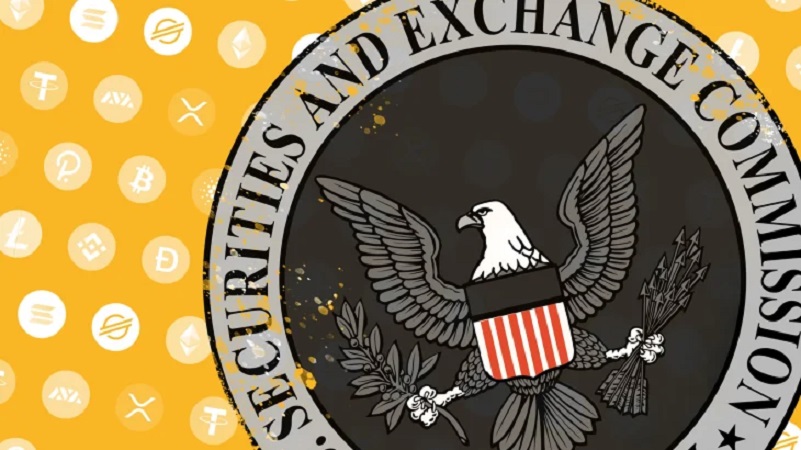
The Securities and Exchange Commission (SEC)

The SEC is the federal agency that enforces securities laws and protects investors from fraud and manipulation. The SEC has been actively involved in regulating crypto, especially when it comes to initial coin offerings (ICOs), which are a form of crowdfunding using digital tokens.

The SEC has issued several guidance documents and enforcement actions to clarify that most ICOs are securities offerings that need to comply with registration and disclosure requirements or qualify for an exemption. The SEC has also sued several crypto platforms and issuers for violating securities laws, such as Telegram, Kik, Ripple, and Coinbase.

The SEC’s main challenge is to balance innovation and investor protection, while providing clear and consistent rules for the crypto industry. The SEC has been criticized by some crypto advocates for being too slow and restrictive in approving new products and services, such as exchange-traded funds (ETFs) and decentralized finance (DeFi) platforms.

The SEC has also faced legal challenges from some crypto entities that argue that their tokens are not securities, but rather utilities or commodities. The SEC’s authority over crypto is not absolute, as it depends on the definition and classification of digital assets, which are still evolving and contested.

The Commodity Futures Trading Commission (CFTC)

The CFTC is the federal agency that regulates the derivatives markets, such as futures, options, and swaps. The CFTC has jurisdiction over commodities, which include certain cryptocurrencies, such as Bitcoin and Ether. The CFTC has recognized crypto as a new and innovative asset class that offers potential benefits and risks for consumers and markets.

The CFTC has approved several crypto derivatives products, such as Bitcoin futures and options contracts, which are traded on regulated exchanges like CME Group and Bakkt. The CFTC has also brought enforcement actions against unregistered or fraudulent crypto platforms and schemes, such as BitMEX, Bitfinex, and Tether.

The CFTC’s main challenge is to foster a competitive and transparent market for crypto derivatives, while preventing market abuse and systemic risk. The CFTC has to coordinate with other regulators, such as the SEC and state authorities, to avoid gaps or overlaps in oversight. The CFTC also has to adapt to the rapid changes and innovations in the crypto space, such as DeFi protocols, stablecoins, and non-fungible tokens (NFTs), which may pose new regulatory questions and challenges.

The Financial Crimes Enforcement Network (FinCEN)

FinCEN is the federal agency that administers the Bank Secrecy Act (BSA), which requires financial institutions to combat money laundering, terrorist financing, and other illicit activities. FinCEN has issued guidance and rules that apply to crypto businesses that qualify as money services businesses (MSBs), such as exchanges, wallets, kiosks, and payment processors.

These businesses have to register with FinCEN, implement anti-money laundering (AML) programs, conduct customer due diligence (CDD), report suspicious transactions (SARs), and comply with record-keeping and reporting requirements.

FinCEN’s main challenge is to prevent the misuse of crypto for criminal purposes, while respecting privacy and civil liberties. FinCEN has to collaborate with other law enforcement agencies, both domestic and international, to track and disrupt illicit crypto transactions and networks. FinCEN also has to keep pace with the technological developments and innovations in the crypto space, such as privacy-enhancing tools, decentralized exchanges (DEXs), and cross-border transfers.

The Internal Revenue Service (IRS)

The IRS is the federal agency that administers the tax laws and collects taxes from individuals and businesses. The IRS has issued guidance and rules that apply to crypto transactions, The IRS treats cryptocurrencies as property for tax purposes, meaning that any gains or losses from buying, selling or exchanging cryptocurrencies are subject to capital gains tax.

The Office of the Comptroller of the Currency (OCC), which regulates national banks and federal savings associations. The OCC has recently issued guidance and approvals for banks to provide custody services for cryptocurrencies and stablecoins, as well as to participate in blockchain networks.

The Federal Reserve System (Fed), which conducts monetary policy and oversees the banking system. The Fed has expressed interest in developing a central bank digital currency (CBDC) and has launched a research project to explore its potential benefits and risks.

In addition to these federal regulators, each state has its own laws and agencies that govern crypto activities within its borders. Some states, such as New York, have enacted strict licensing requirements for crypto businesses, while others, such as Wyoming, have created more favorable regulatory environments for crypto innovation. This creates a challenge for crypto businesses that operate across multiple states, as they have to comply with different and sometimes conflicting rules.

The lack of clarity and consistency in the US crypto regulation has created uncertainty and confusion for both crypto businesses and consumers. It has also hindered the development and adoption of crypto products and services in the US market, as some businesses have decided to relocate to more crypto-friendly jurisdictions or avoid serving US customers altogether.

Moreover, it has exposed crypto users to potential legal risks and liabilities, as they may unknowingly violate some obscure or ambiguous regulations. Therefore, it is important for anyone who is involved or interested in the crypto industry to stay informed and updated on the regulatory developments in the US. While there is no definitive source of information on this topic, some useful resources include:

The official websites of the federal regulators mentioned above, where they publish their guidance, enforcement actions, speeches and press releases related to crypto.

The websites of state regulators or legislators, where they publish their laws, rules, licenses and opinions related to crypto.

The websites of industry associations or advocacy groups, such as the Blockchain Association, Coin Center or Crypto Council for Innovation, where they provide analysis, commentary and updates on crypto policy issues.

The websites of reputable news outlets or publications, such as Coindesk, Cointelegraph or Forbes Crypto, where they report on the latest news and events in the crypto space.

By keeping abreast of the regulatory landscape for crypto in the US, you can make more informed decisions about your crypto activities and protect yourself from potential pitfalls. However, you should also be aware that the regulation is constantly evolving and changing, so you should always consult a professional advisor before engaging in any crypto transactions or operations.


The Future of Crypto in Africa

0

Cryptocurrencies have been gaining popularity in Africa as a way of facilitating cross-border payments, remittances, and financial inclusion. However, the regulatory landscape for crypto assets in the continent is still unclear and fragmented.

Africa is a continent with immense potential for the adoption and development of cryptocurrencies and blockchain technology. According to a recent report by Chainalysis, Africa is the third-fastest growing region for crypto transactions, with a 12% increase in volume from July 2020 to June 2021. The report also highlights some of the key drivers and challenges for the crypto industry in Africa, such as remittances, inflation, regulation, and infrastructure.

One of the main reasons why many Africans are turning to crypto is to facilitate cross-border payments and remittances. According to the World Bank, remittances to sub-Saharan Africa totaled $48 billion in 2019, accounting for 2.6% of the region’s GDP. However, sending money to and from Africa can be costly and inefficient, with an average fee of 8.9% per transaction, well above the global average of 6.8%. Crypto platforms such as Paxful, BitPesa, and Chipper Cash offer cheaper, faster, and more accessible alternatives for remittance services, allowing users to send and receive money in various cryptocurrencies or local currencies.

Another factor that drives the demand for crypto in Africa is the high inflation and currency devaluation that plague many African countries. According to Trading Economics, the annual inflation rate in Zimbabwe reached 50% in June 2021, while in Nigeria it was 17.75%. In contrast, the inflation rate of Bitcoin is currently around 1.8% and is expected to decrease over time as the supply becomes scarcer. Crypto offers a way for Africans to preserve their purchasing power and hedge against the risks of fiat currency instability.

One of the main challenges for crypto regulation in Africa is the lack of a harmonized approach among different countries. While some countries, such as Nigeria, Kenya, and South Africa, have issued some guidelines or warnings on crypto activities, others have banned or restricted them outright, such as Algeria, Morocco, and Egypt. This creates uncertainty and confusion for both users and service providers, who may face legal risks or barriers to operate across borders.

Another challenge is the lack of capacity and resources to effectively regulate and supervise the crypto sector. Many African countries lack the technical expertise, infrastructure, and data to monitor and enforce compliance with existing laws and regulations. Moreover, some regulators may have conflicting or overlapping mandates, such as central banks, securities commissions, and financial intelligence units. This may lead to regulatory gaps or inconsistencies that could expose the sector to fraud, money laundering, terrorism financing, and other illicit activities.

However, there are also some opportunities for crypto regulation in Africa that could foster innovation and growth. One of them is the potential for regional cooperation and integration. Several regional initiatives, such as the African Continental Free Trade Area (AfCFTA), the Single African Digital Market (SADM), and the Pan-African Payment and Settlement System (PAPSS), could provide a platform for harmonizing and streamlining crypto regulation across the continent. This could reduce regulatory arbitrage, enhance market access, and promote interoperability among different crypto services.

Another opportunity is the adoption of a risk-based and proportionate approach to crypto regulation. Rather than imposing a one-size-fits-all framework that may stifle innovation or exclude certain segments of the population, regulators could tailor their rules and standards according to the specific risks and benefits of each crypto activity. This could encourage experimentation and innovation while ensuring consumer protection, financial stability, and integrity.

For example, some crypto activities may include buying and selling cryptocurrencies on an exchange platform, sending and receiving cryptocurrencies through a wallet service, or using cryptocurrencies to pay for goods and services on a merchant platform. Each of these activities may pose different levels of risk and require different levels of regulation. This could encourage experimentation and innovation while ensuring consumer protection, financial stability, and integrity.

Another challenge is the lack of adequate infrastructure and internet access that are essential for using crypto. According to Internet World Stats, only 39.3% of the African population had internet access as of June 2020, compared to 62.9% globally. Moreover, many Africans still lack access to basic financial services, such as bank accounts and mobile money platforms, which are often required for buying and selling crypto. According to the World Bank, only 43% of adults in sub-Saharan Africa had a bank account in 2017, while only 21% had a mobile money account.

Despite these challenges, the future of crypto in Africa looks bright and promising. The continent has a large and young population that is eager to embrace new technologies and innovations. The crypto industry also offers opportunities for entrepreneurship, job creation, social impact, and financial inclusion for millions of Africans. As more people become aware of the benefits and potential of crypto, and as more solutions emerge to address the existing challenges, Africa could become a leading force in the global crypto scene.

By adopting a harmonized, risk-based, and proportionate approach to crypto regulation, African countries could leverage the potential of cryptocurrencies to enhance financial inclusion, economic growth, and regional integration across the continent.

Flutterwave Partners Wema Bank And Kadavra BDC to Launch Digital Foreign Trading Solution Swap

0

Nigerian Fintech company Flutterwave has partnered with Wema Bank and Kadavra BDC to launch a digital foreign trading solution, Swap, that would enable quick access to foreign currency at a good rate.

The cutting-edge solution which is backed by the Central Bank of Nigeria (CBN), will serve as a secure platform that will provide Nigerians with immediate access to FX, at a time when it has posed a significant challenge to businesses and individuals.

During the product unveiling, Flutterwave CEO Olugbenga Agboola said that the company would ensure that every exchange is not only seamless and secure, but will give consumers great purchasing power.

He added that the product will be beneficial for Nigerians who require swift access to Personal Travel Allowance (PTA) and Business Travel Allowance (BTA) to facilitate their educational pursuits, business endeavors, and diverse travel requirements.

In his words,

“At Flutterwave, our dedication to innovation is matched only by our commitment to simplifying financial processes for endless possibilities. Swap represents a significant leap forward in how Nigerians will engage with foreign exchange (forex).

“We understand the FX access challenges individuals and businesses face, and Swap is our answer to those pain points, providing a seamless and efficient platform for currency exchange. We are honored to have secured regulatory approval and the trust of our partners Kadavra BDC and Wema Bank to bring this life-changing solution to Nigerians”.

CEO of Kadavra BDC, Cynthia Onyinyechi said “Swap is a step in the right direction for solving major FX problems for Nigerians and has simplified the process for accessing foreign currency at the click of a button”.

Also commenting on the launch of Swap, Managing Director of Wema Bank, Moruf Oseni said,

“Our support for digital innovation in the Nigerian finance industry has been unrivaled since the launch of our digital bank, ALAT. As a bank that is committed to digital innovation, we are proud to be on this journey with Flutterwave because we believe a product like Swap will have a major impact across all sectors”.

To provide quick access to global currencies like Dollars, Euros, and British Pounds, Flutterwave will be aiming to introduce a convenient card issuance system to Swap users.

Notably, one-click access to Swap is available to existing users of Flutterwave for Business and Send App. Swap will also be available via API for banks, and to Nigerians who sign up newly on the platform.

The company aims to distribute more than 10 million of the cards to Nigerians from October 2023.

UK Opens Visa Application Center in Enugu, Nigeria

0

The days of long travels for the UK visa application are over for residents of Southeast Nigeria, as the UK government has opened a visa center in Enugu State.

The Enugu State government disclosed this development and extended its gratitude to the United Kingdom Government for establishing a visa center in the state to streamline visa applications for residents not only in Enugu State but also across the wider South-East region, according to a statement by the government.

The statement issued by the Secretary to the State Government (SSG), Prof. Chidiebere Onyia, on Monday in Enugu, said the establishment of the visa center was a direct outcome of discussions between Governor Peter Mbah and the UK High Commissioner to Nigeria, Dr. Richard Montgomery, during the commissioner’s visit to the Government House in Enugu in June.

The statement underscored that the government greeted the announcement of the visa center with enthusiasm and contentment. It emphasized the center’s potential to deepen economic collaborations and cultural interactions between Enugu State and the United Kingdom.

“The Enugu State Government eagerly anticipates a strong and mutually beneficial relationship with the UK, given that the visa centre will play a pivotal role in cementing this relationship,” the statement said.

The statement also urged residents, particularly those in the South-East, to seize this opportunity and submit their visa applications locally within the state.

Furthermore, it emphasized the government’s dedication to enhancing security for both residents and visitors engaged in business within the state. It reaffirmed that Enugu State is welcoming to business ventures and investments.

Background of the story

In June, the United Kingdom (UK) revealed its strategic partnership plans with Enugu State, focusing on critical sectors including power, education, and public health to bolster economic development.

This announcement came after a meeting between Richard Montgomery, the British High Commissioner to Nigeria, and Governor Peter Mbah of Enugu.

During their discussion, Montgomery highlighted the extensive history of collaboration between the UK and Enugu State, spanning over two decades. This collaboration has been particularly prominent in areas such as public health sector advancements, education, and enhancements in the power sector.

Ohanaeze Ndigbo also made similar requests when the High Commissioner visited its national secretariat in Enugu last June.

Montgomery expressed the UK’s strong interest in sustaining and deepening this partnership, commending Governor Mbah for his proactive approach to implementing reforms and his forward-looking vision for the state, as reflected in recent press reports.

The Aspirational Vision of Tekedia Capital – List on NASDAQ, NYSE or NGX

0

Last week, we distributed bonus shares to some of our Tekedia Capital Syndicate members from one of our investments. In the future, the aspirational vision is to ring a bell in NASDAQ, NYSE or NGX. Yes, I like New York and Lagos, and either will be fine!

The promise of Africa is real because the beautiful continent will continue to offer more opportunities for wealth creation than any region on earth. Those who seed and plant will have a great harvest season. And that harvest season is near!

Imagine the opportunity of buying a few units of Tekedia Capital (TCAP) shares, for access to dozens of Africa’s modern companies, at NGX, NASDAQ or NYSE.

Two years ago, a young man shared a business idea, and we funded him. This year in Nigeria, he will generate a revenue of N12 Billion in his operations. Imagine if we said “NO”, what would have happened? We believe that CAPITAL is a great factor of production, and is necessary to advance communities, through market systems.

(image: artwork, not real photo)