DD
MM
YYYY

PAGES

DD
MM
YYYY

spot_img

PAGES

Home Blog Page 38

Nvidia in advanced talks to buy Israel’s AI21 Labs in $2–3bn talent-led deal

0

Nvidia is in advanced negotiations to acquire Israeli artificial intelligence startup AI21 Labs, in a deal that could value the company at between $2 billion and $3 billion, according to people familiar with the matter cited by Calcalist.

If completed, the transaction would mark another major expansion of Nvidia’s footprint in Israel and underscore its growing focus on securing scarce AI talent as competition intensifies across the semiconductor and AI stack.

The proposed valuation would represent a sharp uplift from AI21’s last known valuation of about $1.4 billion, set during a 2023 fundraising round. Earlier this year, AI21 completed a roughly $300 million funding round led by Nvidia and Google, although the company did not formally confirm the raise or disclose its valuation. Market estimates at the time suggested the round did little to materially lift AI21’s valuation, reflecting mounting pressure in the generative AI sector.

The sources say talks with Nvidia have accelerated in recent weeks and reached senior decision-makers on both sides, after AI21 had spent an extended period “on the shelf,” with Google previously exploring a possible acquisition. Nvidia’s interest is said to be driven less by AI21’s products and more by its roughly 200-strong workforce, many of whom hold advanced academic degrees and possess deep expertise in large language models, reasoning systems, and foundational AI research.

At the implied price, the deal would value AI21’s staff at roughly $10 million to $15 million per employee, reinforcing the premium global technology firms are willing to pay for elite AI researchers. Industry observers say the structure resembles an acquihire, signaling a retreat from AI21’s original ambition to compete head-on with frontier model developers such as OpenAI and Anthropic, and instead folding its capabilities into a larger platform.

Founded in 2017 by Professor Amnon Shashua, Professor Yoav Shoham, and Ori Goshen, AI21 was once seen as a flagship effort to position Israel at the forefront of artificial intelligence, well before the generative AI boom that took off in 2022. Shoham, a leading Stanford AI researcher, and Goshen serve as co-CEOs, while Shashua is chairman.

Nvidia and Google first invested in AI21 during the 2023 fundraising round, which was later expanded amid the war in Israel.

Over the past two years, however, AI21 has struggled to keep pace with the explosive advances and capital scale of the sector’s leading players. In April, the company halted development of Wordtune, its long-running consumer-facing AI writing and reading assistant, effectively exiting the mass-market segment. Since then, AI21 has pivoted toward enterprise-focused language models, where precision, reliability, and lower error tolerance are critical.

Its flagship enterprise product, Maestro, is designed to improve language-model accuracy by as much as 50%, according to the company. AI21 has also rolled out a new reasoning model that it says delivers faster performance with lower memory consumption than rival systems. Even so, industry estimates put AI21’s annual revenue at around $50 million, a fraction of the multibillion-dollar revenues being generated by the top tier of AI companies.

An AI21 acquisition would be modest in Nvidia’s financial terms, given its cash position of roughly $60 billion, but strategically meaningful. It would be the company’s fourth significant acquisition in Israel and its second-largest after the $7 billion purchase of Mellanox in 2020, which became the backbone of Nvidia’s networking and data-center interconnect business. In 2023, Nvidia also acquired Deci and Run:ai for a combined $1 billion.

The talks come as Nvidia faces rising competitive pressure on multiple fronts. Google’s TPU chips are increasingly positioned as alternatives to Nvidia’s GPUs for AI workloads, particularly within Google’s own cloud ecosystem.

Last weekend, Nvidia reportedly made a far bolder move by acquiring the founder and staff of chip startup Groq for about $20 billion, securing access to technology developed by engineers who previously led Google’s TPU efforts. That deal highlighted Nvidia’s willingness to deploy capital aggressively to defend its dominance in AI infrastructure.

An AI21 acquisition would further cement Nvidia CEO Jensen Huang’s long-term expansion strategy in Israel. Earlier this month, Nvidia announced plans to build a massive new campus in Kiryat Tivon, expected to accommodate up to 10,000 employees by 2031. Nvidia currently employs about 5,000 people in Israel, including roughly 3,000 in Yokneam, the former headquarters of Mellanox, alongside major offices in Tel Aviv and planned expansion in Be’er Sheva.

For Shashua, a sale of AI21 would be a more subdued outcome compared with the $15 billion sale of Mobileye to Intel in 2016. Still, he is already deeply engaged in a new venture, AAI, which recently raised hundreds of millions of dollars in a funding round led by Lightspeed, achieving unicorn status less than two years after its founding. AAI focuses on advanced reasoning and “thinking” models rather than traditional training and inference systems, aiming, in Shashua’s words, “to bring about a new era of discovery by developing the code for superintelligence.”

If finalized, Nvidia’s acquisition of AI21 would highlight a broader shift in the AI industry: that as foundational model development becomes increasingly capital-intensive and concentrated, mid-sized labs are being increasingly absorbed by larger platforms seeking talent, speed, and strategic depth, rather than competing as standalone entities.
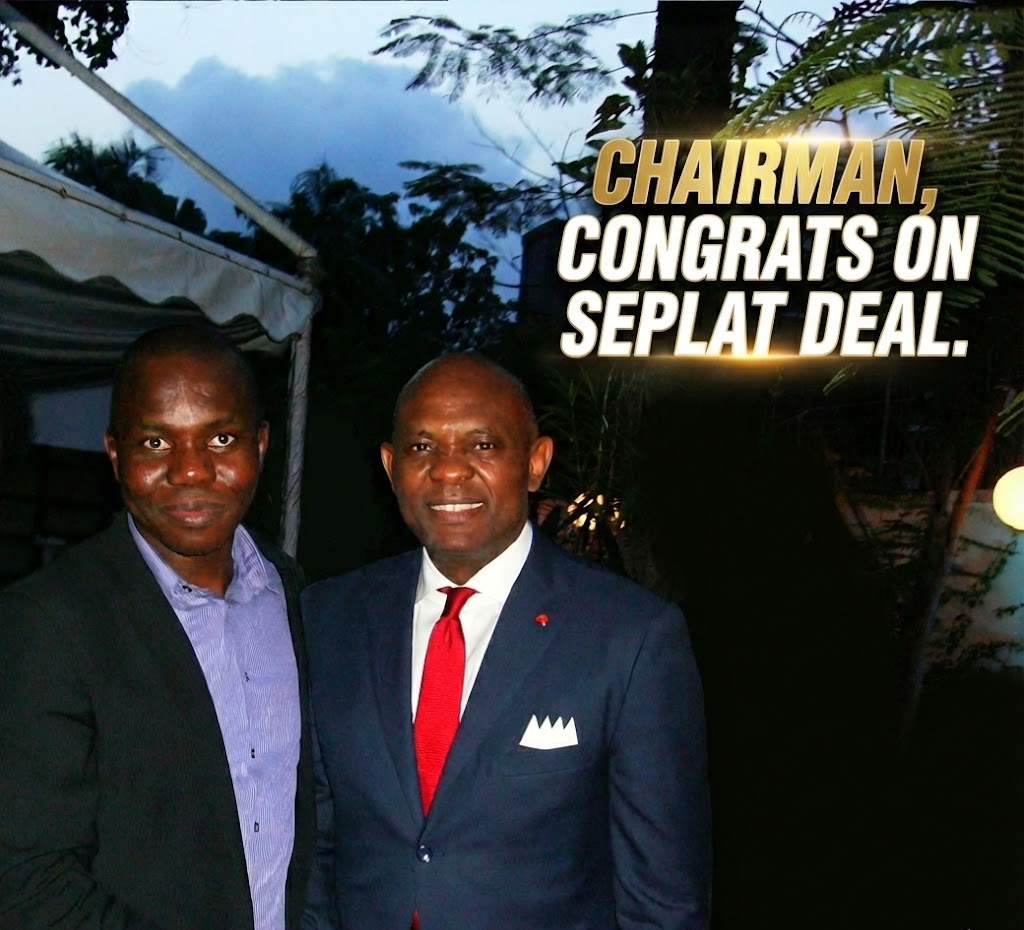
Chairman Tony Elumelu, Congrats On Seplat Deal

0

Good People, join me in congratulating Chairman Tony Elumelu as Heirs Energies, Africa’s leading indigenous integrated energy company, celebrates a milestone acquisition of the 20.07% equity stake in Seplat Energy Plc previously held by Maurel & Prom S.A. This transaction, valued at approximately $500 million, cements a legacy of indigenous dominance in the continental energy landscape.

In the traditions of the Igbo Nation, it is said that it takes the killing of just one leopard to be recognized as a killer of leopards; by adding this stake to a portfolio that includes Transcorp Power and AEDC, Chairman has conquered the market-leopards, ensuring all roads to the Ikoro Square are open for his ascension as the King of Africa’s Energy sector!

As I have noted here before, Chairman Elumelu played a defining role in my own transition from being a teacher to becoming a businessman. I once sought an audience with him while he was on transit in Boston. The instruction was simple: if you can make it before 7pm, we could see. I rushed to the airport; he had already checked in, but he came out. We spoke for 15 minutes. I wanted to do things in Nigeria but needed clarity from real players.

Later, when I needed clarity again, I reached out while in Nigeria. He asked me to meet him at Transcorp Hilton Hotel, Abuja. For over 45 minutes, he provided guidance. And the best part? He paid for the meal at the Bukka.

Then he invited me to join the board of the $100 million TEEP Fund. For the first time, a village boy sat in a boardroom where real decisions were being made. He later invited me to UBA Group retreats, exposing me to the physics of business and markets. Yes, inside those rooms, I met humans and that brought confidence that I could be like them!

Today, we’re doing very fine; yesterday, I reported that one of our portfolio companies rang the bell in NASDAQ. We have invested in many dozens of companies globally. And in Q1 2026, we will open one of our largest offices in Nigeria, in Owerri, as we begin operations in a new sector.

Chairman, I wish you a Happy New Year ahead with more bigger wins, and thanks for the kindness to this village boy. You will visit Owerri to ceremonially open our new business. When everything is ready, I will send the email.

Tesla’s Model Y Dominates 2025, Secures Third Consecutive Best-Seller EV Title

0

Tesla’s Model Y has once again set the pace in the electric vehicle market, clinching its third consecutive best-seller title in 2025 and reinforcing its position as the world’s most popular EV.

This milestone caps off a tumultuous but triumphant 2025, cementing the vehicle as a dominant force in the entire global EV automotive market.

Announcing this achievement, Tesla CEO Elon Musk in a post on X wrote,

“Tesla Model Y is now officially the world’s best-selling car for the third year in a row!”

Replies from users express mostly positive sentiments, with owners noting improved ride quality and visual appeal, though some prefer the previous headlights, aligning with the refresh’s focus on efficiency gains and features like ventilated seats per Tesla’s specs.

Independent tracker Focus2Move ranks the Model Y third globally for 2025 with a 12.7% sales drop, behind Toyota RAV4 (up 0.6%) and Corolla (down 8.1%), reflecting varied sales methodologies across sources.

Despite the ranking dispute, the Model Y’s performance solidifies Tesla’s EV dominance, with over 1 million units sold annually, per aggregated 2025 estimates from multiple analysts.

Tesla highlighted the milestone in its official 2025 recap video, which claimed that the Model Y was the single best-selling vehicle model in the world this year. In a short post accompanying the video, the company wrote, “See y’all in 2026 – the best is yet to come.”

Tesla’s Model Y Breakthrough Achievement

Tesla’s Model Y is a distinctively modern EV that offers more range and quicker acceleration than many of its competitors.

In 2023, the Tesla Model Y became the world’s best-selling car model, marking a major milestone in automotive history. Preliminary full-year sales data compiled by market analysts indicated that Tesla sold approximately 1.22 million Model Y units globally, surpassing stalwart best-sellers such as the Toyota RAV4 and the Toyota Corolla.

This achievement was unprecedented, as never before had a fully battery-electric vehicle topped global passenger car sales, which had been dominated for decades by traditional gasoline-powered vehicles.

Tesla’s rise to the top reflected a combination of aggressive price adjustments, strong consumer demand in major markets like China, Europe, and North America, and the accelerating shift toward electric mobility.

Fast forward to 2024, Tesla’s Model Y continued its strong global performance. According to automotive intelligence firm Focus2Move, the Model Y retained the title of the world’s best-selling car for the calendar year 2024, recording sales of roughly 1.09 million units.

These figures placed the Model Y just ahead of the Toyota Corolla, which sold around 1.08 million units, underlining how competitive the global passenger-vehicle market had become.

Key highlights of the new Model Y Performance include:

  • Aggressive new exterior design with updated front and rear fascias, carbon fiber spoiler (reduces drag by 10% and adds high-speed stability), and stunning 21″ Arachnid 2.0 wheels with staggered tires for superior grip and stance.
  • Blistering performance: 3.3-second 0-60 mph acceleration, “Insane” mode for maximum fun, improved brakes, and sharp, agile handling with Sport/Standard ride modes.
  • Impressive 308-mile EPA range thanks to higher-density battery cells (better than the old Performance’s 279 miles).
  • Upgraded interior: Larger 16″ high-resolution center screen with thinner bezels, carbon fiber décor, and the most comfortable Tesla seats yet (heated/ventilated with powered thigh extenders and perfect bolstering).

Outlook

Looking ahead, the Tesla Model Y appears well-positioned to remain a central pillar of Tesla’s global strategy, even as competition in the EV market intensifies. The company’s focus on continuous iteration rather than full generational redesigns has proven effective, allowing Tesla to steadily improve efficiency, performance, and comfort while keeping manufacturing costs under control.

In 2026, analysts expect Tesla to further benefit from advancements in battery technology, software optimization, and manufacturing scale, particularly from its Gigafactories in China, Berlin, and Texas.

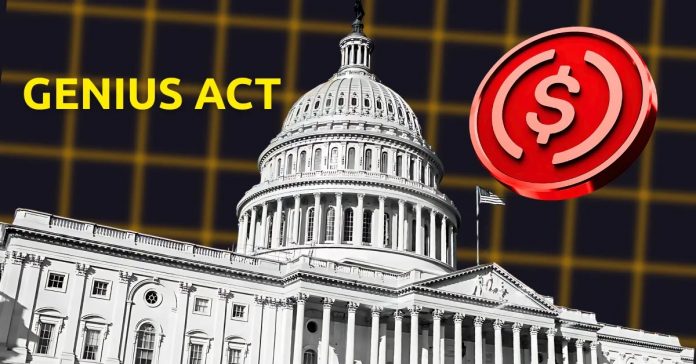
Coinbase Sounds Alarm: GENIUS Act Stablecoin Rewards Prohibition Threatens US Lead Over China’s e-CNY

0

Coinbase has issued a stark warning over provisions in the proposed GENIUS Act, arguing that restrictions on stablecoin rewards and incentives could undermine the United States’ leadership in digital payments and innovation.

Faryar Shirzad, Coinbase’s Chief Policy Officer, argues that such an act will cede ground to China’s Digital Yuan, which announced interest payments starting January 2025 to accelerate adoption after a decade of testing.

In a post on X, he wrote,

For those who misunderstand what’s at stake in the debate on offering rewards on US-issued stablecoins under the GENIUS Act, a sobering and timely announcement from the People’s Bank of China that they plan to pay interest on the Digital Yuan. Tokenization is the future and the GENIUS Act was a visionary move by @POTUS and Congress to ensure US dollar stablecoins issued under US rules would be the primary settlement instrument of the future.

If this issue is mishandled in Senate negotiations on the market structure bill it could hand our global rivals a big assist in giving non-US stablecoins and CBDCs a critical competitive advantage at the worst possible time. Lobbyists for entrenched incumbents will always fight change. It’s critical for negotiators to protect the primacy of the US dollar and the US financial system, not just incumbent interests.”

Critics view the prohibition as a safeguard against speculative risks, while supporters urge Senate negotiators to prioritize innovation over incumbent banking lobbies to maintain US leadership in tokenized assets.

According to Reuters, starting January 1, e-CNY held in wallets will earn interest at demand deposit rates, making it the world’s first interest-bearing central bank digital currency.

“This will help increase users’ willingness to adopt the digital yuan, expand its usage scenarios, and further solidify China’s leading position in the global exploration of central bank digital currencies,” the state broadcaster CCTV said.

In line with this, the central bank has set up a global operations centre in Shanghai to promote the international use of the digital yuan and has said it would support more commercial banks in operating e-CNY businesses.

The U.S GENIUS Act, signed into law by President Trump in July 2025, establishes a federal framework for regulating US-issued payment stablecoins, emphasizing dollar primacy and AML compliance.

However, its ban on interest (Section 4(a)(11)) sparks debate over competitiveness versus financial stability. The GENIUS Act bans yield on payment stablecoins to prioritize payments over investments, protecting banks’ interest revenue, but critics warn it disadvantages US assets against yielding foreign CBDCs.

Brian Armstrong CEO of Coinbase argues that there should be interest on US-issued stablecoins under the Genius act to enhance global competitiveness.

He wrote on x,

“U.S stablecoins must remain competitive on the global stage”.

Last week, Coinbase CEO Brian Armstrong said any attempt to reopen the GENIUS Act would cross a “red line,” accusing banks of lobbying Congress to limit stablecoin rewards to protect their deposit base. He said Coinbase would continue to oppose efforts to revise the law, adding that he was surprised such lobbying was happening so openly.

Armstrong also argued that banks are misjudging the issue, predicting they will eventually push to offer interest and yield on stablecoins themselves once the opportunity becomes clear. He described the current lobbying effort as “unethical,” saying it would ultimately fail.

By prohibiting rewards on U.S.-issued stablecoins, the GENIUS Act risks handing a long-term strategic advantage to China’s digital yuan at a critical inflection point in global finance. Digital currencies compete not only on trust and regulation, but on economic utility. As the People’s Bank of China moves to introduce interest on e-CNY balances, it is effectively positioning the digital yuan as a superior store-and-transfer instrument compared to non-yielding U.S. stablecoins.

Over time, this incentive gap could reshape user behavior. Corporations, fintech platforms, and cross-border traders, particularly in emerging markets are likely to favor digital currencies that preserve value while settling transactions.

If U.S. stablecoins are structurally barred from offering rewards, global users may increasingly adopt the digital yuan for trade settlement, treasury management, and on-chain liquidity, gradually normalizing its use outside China’s borders

Outlook

The debate over rewards in the GENIUS Act represents a pivotal moment for U.S. financial leadership. As tokenization accelerates and CBDCs move from experimentation to real-world deployment, policy choices made today will shape global settlement systems for decades.

Pressure is likely to intensify on lawmakers as evidence mounts that yield-bearing digital currencies drive adoption.

Allowing carefully regulated rewards on U.S.-issued stablecoins could reinforce dollar dominance, stimulate innovation, and ensure that the United States sets the rules for the future of digital money.

Building the Anthill and Making 2026 An Amazing Year

0

The grandest structures of progress are rarely the work of solitary giants. Just as the elephant does not build the anthill, the great monuments of industry and life are the results of the collective micro-efforts of the “ants” among us. Throughout history, the transition from inertia to impact has always required a singular catalyst: the courage to act. In the marketplace of life, the “angels” who facilitate your breakthrough do not fall from the sky; they are the people standing right next to you. However, for that help to happen, you must develop the connective tissue that aligns your mission with their vision, finding the specific ways to activate what will connect them into your destiny.

This leads to a fundamental question for every aspiring professional: how do you grow vertically even as you expand horizontally? Yes, it is not enough to simply have a large contact list of peers. If you are a rising professional, having the phone numbers of ten General Managers is good, when you are one, but connecting with Executive Directors is strategic. The EDs are the individuals who hold the pens that sign your next elevation. To win at this level, you must decode their “frequency.”

Yes, you must understand how they think, what their logic is for value creation, and what happens when they enter that room called the boardroom. You must pick up signals on what they treasure, identifying the unspoken requirements for entry into that inner sanctum.

Good People, as we prepare to file 2025 into the archives of history, 2026 emerges as a blank canvas of unbounded opportunity, only constrained by the limits of our own imaginations. To make 2026 your most significant year yet, you must prioritize strategic partnerships, get closer to those who have already mastered the terrain you wish to conquer, and maintain a high Grace Quotient.

By showing humility despite any ascension and making the right people feel good around you, you remove the friction from your own path to greatness. Let us build, let us innovate, and most importantly, let us act.

Specifically, for business owners, let me leave you with a foundational perspective I shared in the Harvard Business Review titled “The Leadership Lessons of Ants.” The core thesis remains as relevant today as ever: until you learn to think with the precision, persistence, and collaborative spirit of an “ant,” you will never orchestrate elephant-sized outcomes. In the domain of markets and institutional building, greatness is never a product of isolated brilliance; it is the result of a collective, synchronized effort where every small action accumulates into a massive competitive advantage. If you want to win at a scale that shifts industries, you must embrace the reality that it takes a dedicated team to accomplish the extraordinary https://hbr.org/2010/10/business-lessons-from-the-ants

I wish everyone a prosperous, high-growth, and Happy New Year ahead!