DD
MM
YYYY

PAGES

DD
MM
YYYY

spot_img

PAGES

Home Blog Page 3813

Musk’s Neuralink successfully Implanted a Chip on a Human Volunteer

0

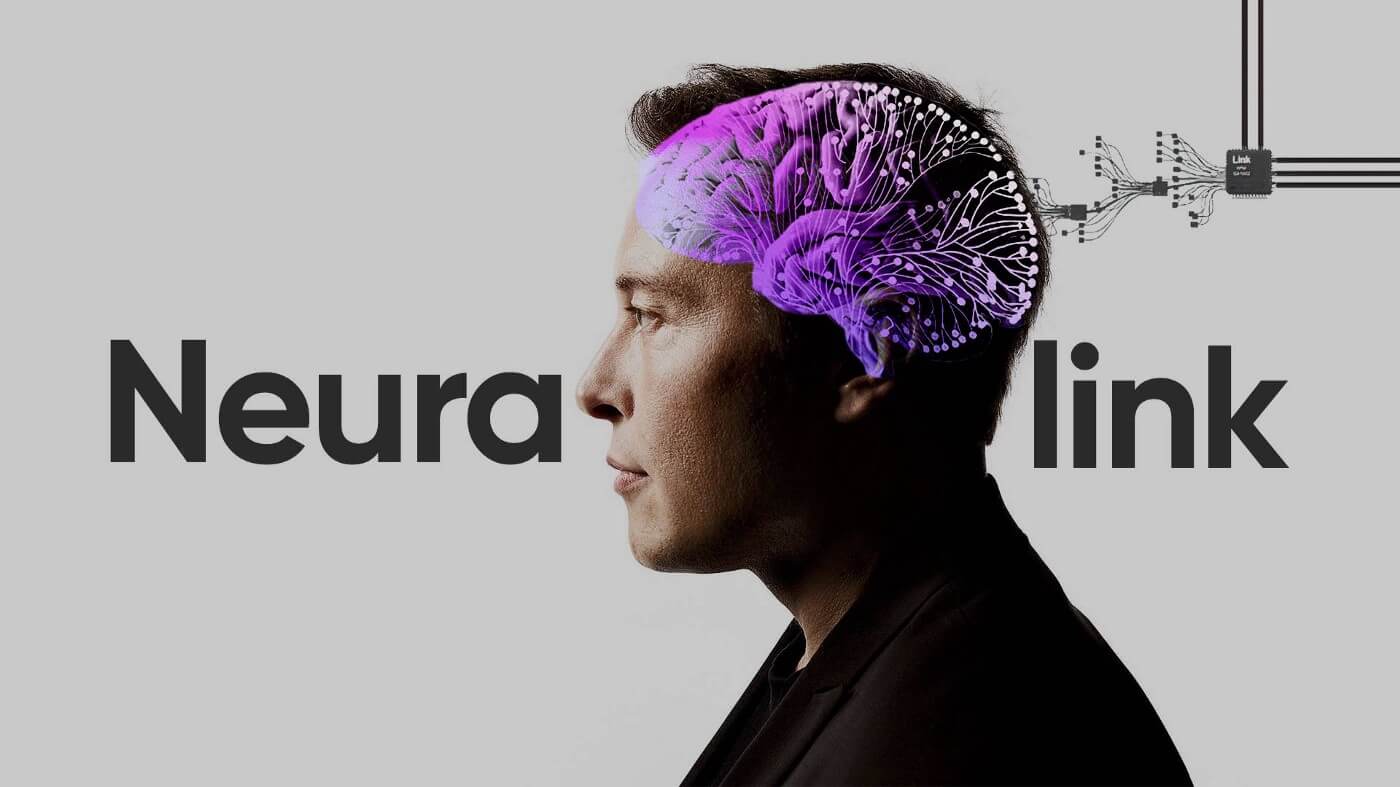
Elon Musk’s Neuralink company has announced that it has successfully implanted a chip on a human volunteer, who is now able to control a computer with his mind. The volunteer, who wishes to remain anonymous, is a 35-year-old software engineer who suffered a spinal cord injury in a car accident.

He agreed to participate in the experimental procedure, which involved inserting a thin wire with electrodes into his brain through a small hole in his skull. The wire connects to a wireless device behind his ear, which communicates with a computer via Bluetooth.

The chip, which is about the size of a coin, is designed to record and stimulate neural activity in the motor cortex, the part of the brain that controls movement. By using a special app on his smartphone, the volunteer can calibrate the chip to map his thoughts to specific actions on the computer.

For example, he can think of moving a cursor, typing a word, or clicking a button, and the computer will execute the command. He can also adjust the sensitivity and speed of the chip according to his preference.

The volunteer said that he is amazed by the technology and that it has given him a new sense of freedom and independence. He said that he can now do things that he thought were impossible after his injury, such as browsing the internet, playing games, and writing emails. He also hopes that the chip will eventually help him regain some of his physical functions, such as walking and using his hands.

Neuralink, which was founded by Elon Musk in 2016, aims to create a brain-computer interface that can enhance human capabilities and treat neurological disorders. The company claims that its chip is safe, reversible, and minimally invasive, and that it can potentially support thousands of electrodes to interface with different parts of the brain.

The company also plans to conduct more trials with human volunteers in the future, and to expand its applications to other domains, such as vision, hearing, and memory.

Musk said that he is proud of the achievement and that he believes that Neuralink will revolutionize the field of neuroscience and artificial intelligence. He said that he envisions a future where humans can merge with machines and access unlimited information and abilities. He also said that he hopes that Neuralink will help humanity overcome its limitations and challenges and create a better world for everyone.

However, implanting a chip in the brain is not without risks. According to some experts, there are potential complications and side effects that could arise from the procedure, such as infection, bleeding, inflammation, scarring, or damage to the surrounding brain tissue.

There are also ethical and social concerns about the privacy and security of the data collected by the chip, as well as the possible implications for human identity and autonomy. Some critics argue that Neuralink could create a new form of inequality and discrimination between those who have access to the technology and those who do not.

Saudi Arabia finally joins BRICS Bloc, as Zimbabwe unveils new Citizenship Policy

0

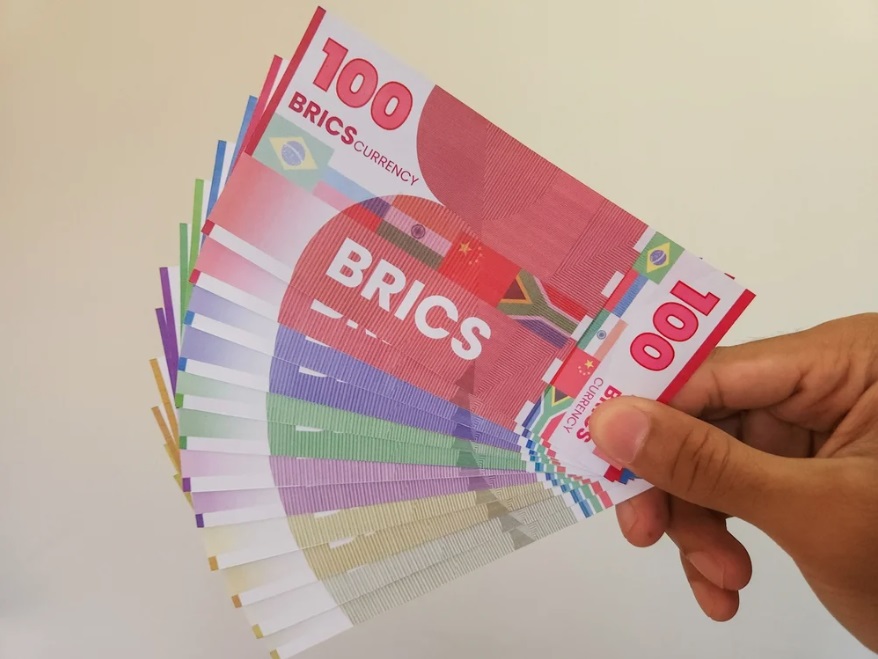
In a surprising move, Saudi Arabia announced on Monday that it has officially joined the BRICS group of emerging economies, comprising Brazil, Russia, India, China and South Africa. The decision was made after months of negotiations and consultations with the other members, who welcomed the kingdom as a valuable partner in promoting multilateralism, trade and development.

Saudi Arabia is the largest economy in the Middle East and North Africa region, with a GDP of $792 billion in 2020. It is also the world’s largest exporter of oil and a major investor in various sectors, such as infrastructure, technology and renewable energy. By joining BRICS, Saudi Arabia aims to diversify its economy, reduce its dependence on oil revenues, and enhance its regional and international influence.

The BRICS group was formed in 2006 as an informal dialogue forum among four major emerging economies: Brazil, Russia, India and China. South Africa joined the group in 2010, adding an African perspective to the agenda. The BRICS countries account for about 23% of global GDP, 18% of global trade, and 40% of global population. They also have significant political clout in international organizations, such as the United Nations, the World Trade Organization and the G20.

The BRICS group has established several mechanisms for cooperation and coordination, such as regular summits, ministerial meetings, business forums and academic networks. The group has also launched several initiatives to foster economic integration and development, such as the New Development Bank (NDB), which provides financing for infrastructure and sustainable projects in BRICS and other developing countries.

The Contingent Reserve Arrangement (CRA), which provides mutual support in times of balance of payments difficulties; and the BRICS Partnership on New Industrial Revolution (PartNIR), which aims to enhance cooperation on innovation, digitalization and industrialization.

The addition of Saudi Arabia to the BRICS group will bring new opportunities and challenges for both sides. On the one hand, Saudi Arabia can benefit from the access to new markets, sources of finance and technology that the BRICS group offers. It can also leverage its strategic location, abundant resources and diplomatic connections to contribute to the group’s objectives and interests.

On the other hand, Saudi Arabia will have to adapt to the diverse and complex dynamics within the BRICS group, which often reflect different political, economic and social realities and aspirations. It will also have to balance its relations with its traditional allies in the West, especially the United States, which may view its alignment with BRICS as a potential threat or challenge.

Saudi Arabia’s joining of BRICS is a significant development that will have implications for the global economy and geopolitics. It reflects the changing nature of the international system, where emerging powers are playing a more active and influential role in shaping the rules and norms of global governance. It also demonstrates the willingness and ability of Saudi Arabia to pursue its national interests and vision in a dynamic and uncertain world.

Saudi Arabia’s decision to join BRICS+ is a strategic move that reflects its ambition to diversify its economy and diplomacy in a changing world. By being part of this group of emerging economies, Saudi Arabia can gain access to new markets and opportunities, as well as enhance its global influence and position.

However, Saudi Arabia will also have to face some challenges and risks that stem from being part of a diverse and complex bloc that may clash with its existing partners and interests. Therefore, Saudi Arabia will have to adopt a pragmatic and flexible approach to maximize the benefits and minimize the costs of its membership in BRICS+.

The new Zimbabwe Citizenship Policy

Meanwhile, the government of Zimbabwe has recently announced a new policy that aims to regulate the citizenship status of people who were born in the country or have a connection to it. The policy, which will take effect from March 1, 2024, has been met with mixed reactions from various stakeholders and observers.

According to the Ministry of Home Affairs and Cultural Heritage, the policy is intended to address the challenges of statelessness, dual citizenship, and identity documentation that have affected many Zimbabweans, especially those who migrated to other countries during the economic and political crises of the past decades. The policy also seeks to promote national unity, security, and development by ensuring that all Zimbabweans have a sense of belonging and loyalty to their country.

The main features of the policy are as follows:

Anyone who was born in Zimbabwe before April 18, 1980 (the date of independence) is automatically a citizen by birth, regardless of their parents’ nationality or status.

Anyone who was born in Zimbabwe after April 18, 1980, and has at least one parent who is a citizen by birth or descent is also a citizen by birth.

Anyone who was born outside Zimbabwe and has at least one parent who is a citizen by birth or descent can apply for citizenship by descent, provided they renounce any other citizenship they may have.

Anyone who has been ordinarily resident in Zimbabwe for at least 10 years and has renounced any other citizenship they may have can apply for citizenship by registration.

Anyone who is married to a citizen by birth or descent can apply for citizenship by marriage, provided they renounce any other citizenship they may have and have lived in Zimbabwe for at least five years.

Anyone who has made a significant contribution to the development of Zimbabwe or has special skills or qualifications that are beneficial to the country can apply for citizenship by conferment, subject to the approval of the President.

Anyone who has lost their citizenship due to renunciation, deprivation, or any other reason can apply for reinstatement, subject to the approval of the Minister of Home Affairs and Cultural Heritage.

The policy also stipulates that dual citizenship is not allowed for anyone who is 18 years or older, except for those who are citizens by birth. Those who have dual citizenship must renounce one of their citizenships before March 1, 2024, or risk losing their Zimbabwean citizenship. The policy also requires that all citizens obtain a national identity card and a passport as proof of their citizenship and identity.

The policy has been welcomed by some groups and individuals who see it as a progressive and inclusive move that will enable many Zimbabweans to reclaim their citizenship rights and access various services and opportunities. They also argue that the policy will enhance the country’s sovereignty and security by preventing foreign interference and infiltration.

However, the policy has also been criticized by some groups and individuals who see it as a retrogressive and exclusive move that will disenfranchise many Zimbabweans and create more problems than solutions. They also contend that the policy will violate the country’s constitution and international human rights obligations by discriminating against certain categories of people and imposing unreasonable conditions and restrictions on citizenship acquisition and retention.

Some of the main issues raised by the critics are:

The policy does not recognize the right to a nationality as a fundamental human right that cannot be arbitrarily denied or revoked. The policy does not provide adequate safeguards against statelessness, especially for children who may be born to parents who are not citizens or whose citizenship status is unclear or disputed.

The policy does not respect the principle of non-discrimination based on gender, race, ethnicity, religion, or political affiliation in granting or denying citizenship. The policy does not acknowledge the diversity and complexity of the Zimbabwean diaspora, which comprises people who have different reasons, circumstances, and aspirations for leaving or staying in their country of origin or destination.

The policy does not offer sufficient flexibility and discretion in dealing with cases that may require special consideration or humanitarian intervention. The policy does not facilitate the participation and consultation of all relevant stakeholders and affected parties in the formulation and implementation of the policy.

In light of these concerns, some of the critics have called for the review and revision of the policy before it is implemented. They have also urged the government to engage in dialogue and cooperation with civil society organizations, human rights groups, legal experts, diaspora representatives, regional and international bodies, and other interested parties to ensure that the policy is consistent with the constitution, human rights standards, best practices, and public interest.

The new Zimbabwean Citizenship Policy is undoubtedly a significant development that will have far-reaching implications for millions of people within and outside the country. It is therefore imperative that the policy is carefully examined, debated, and refined to ensure that it serves its intended purpose of enhancing the rights, dignity, and welfare of all Zimbabweans.

Manchester City could face a possible relegation from the English Premier League

0
Manchester United's English striker Marcus Rashford celebrates scoring the opening goal during the English Premier League football match between Manchester United and Leicester City at Old Trafford in Manchester, north west England, on February 19, 2023. - RESTRICTED TO EDITORIAL USE. No use with unauthorized audio, video, data, fixture lists, club/league logos or 'live' services. Online in-match use limited to 120 images. An additional 40 images may be used in extra time. No video emulation. Social media in-match use limited to 120 images. An additional 40 images may be used in extra time. No use in betting publications, games or single club/league/player publications. (Photo by Oli SCARFF / AFP) / RESTRICTED TO EDITORIAL USE. No use with unauthorized audio, video, data, fixture lists, club/league logos or 'live' services. Online in-match use limited to 120 images. An additional 40 images may be used in extra time. No video emulation. Social media in-match use limited to 120 images. An additional 40 images may be used in extra time. No use in betting publications, games or single club/league/player publications. / RESTRICTED TO EDITORIAL USE. No use with unauthorized audio, video, data, fixture lists, club/league logos or 'live' services. Online in-match use limited to 120 images. An additional 40 images may be used in extra time. No video emulation. Social media in-match use limited to 120 images. An additional 40 images may be used in extra time. No use in betting publications, games or single club/league/player publications. (Photo by OLI SCARFF/AFP via Getty Images)

The recent news that Manchester City could face a possible relegation from the English Premier League (EPL) if they are found guilty of breaching the Financial Fair Play (FFP) rules has sent shockwaves across the football world.

The FFP rules, which were introduced by UEFA in 2009, aim to prevent clubs from spending more than they earn and to ensure a level playing field for all teams. The rules also apply to the EPL, which has its own regulations and sanctions for clubs that fail to comply.

Manchester City, who have won four EPL titles in the last decade, are accused of inflating their sponsorship revenues and misleading UEFA about their financial situation. The club has denied any wrongdoing and has appealed against the two-year ban from European competitions that UEFA imposed on them in February 2020.

However, according to a report by The Independent, the EPL could also take action against the club and impose a harsher penalty, such as relegation to a lower division.

The EPL has not yet commented on the matter, but it is understood that they are waiting for the outcome of Manchester City’s appeal at the Court of Arbitration for Sport (CAS), which is expected to be announced in July 2020.

If CAS upholds UEFA’s decision, then the EPL could launch its own investigation and decide whether Manchester City have breached its rules as well. The EPL has the power to deduct points, fine or even relegate clubs that are found guilty of financial misconduct.

The future of Manchester City in the European competitions remains uncertain as the club awaits the outcome of its appeal to the Court of Arbitration for Sport (CAS) against the two-year ban imposed by UEFA for breaching the Financial Fair Play (FFP) rules. The Premier League (EPL) is also expected to announce its own verdict on the matter, which could result in further sanctions for the club, such as points deduction or relegation.

The possibility of relegation would be a devastating blow for Manchester City, who have established themselves as one of the top clubs in England and Europe under the ownership of Sheikh Mansour bin Zayed Al Nahyan, a member of the Abu Dhabi royal family.

The club has invested heavily in players, staff, facilities and infrastructure, and has built a loyal fan base and a global brand. Relegation would mean losing out on millions of pounds in TV revenue, sponsorship deals and prize money, as well as damaging their reputation and prestige.

However, some argue that relegation would be a fair and proportionate punishment for Manchester City, who have allegedly gained an unfair advantage over their rivals by breaking the rules. They claim that Manchester City have distorted the competition and undermined the integrity of the game by spending beyond their means and circumventing the regulations.

They also point out that other clubs, such as Portsmouth, Leeds United and Rangers, have faced severe consequences for their financial mismanagement in the past. The debate over Manchester City’s fate is likely to continue until CAS delivers its verdict and the EPL makes its decision. Whatever the outcome, it will have a significant impact on the future of Manchester City, the EPL and European football as a whole.

CBN Initiates further Liberalization Measures: Removes Cap on IMTO Exchange Rates

0

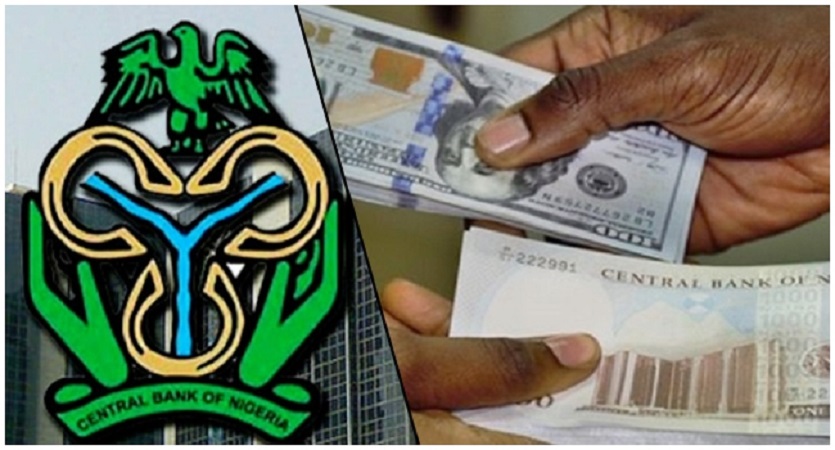
In a bold shift towards a more liberalized foreign exchange regime in Nigeria, the Central Bank of Nigeria (CBN) has issued a circular, removing the previous cap on exchange rates quoted by International Money Transfer Operators (IMTOs).

This move follows a series of measures taken by the CBN to address suspected cases of excessive foreign currency speculation and hoarding by Nigerian banks.

The circular titled “Removal of Allowable Limit of Exchange Rate Quoted by the International Money Transfer Operators” marks a departure from the previous restrictions placed on IMTOs. Under the previous regulations, IMTOs were required to quote rates within an allowable limit of -2.5% to +2.5% around the previous day’s closing rate of the Nigerian Foreign Exchange Market.

However, the new circular introduces a more flexible approach, allowing IMTOs to quote exchange rates for naira payouts to beneficiaries based on prevailing market rates at the Nigerian Foreign Exchange Market. The CBN emphasized that this would follow a “willing seller, willing buyer” basis, indicating a shift towards a market-driven determination of exchange rates.

Reasons Behind the Change

The previous regulations were implemented to maintain stability and consistency in exchange rates used for international money transfers. However, the recent circular reflects a strategic policy shift by the CBN. The removal of the -2.5% to +2.5% cap signifies a move towards a more liberalized foreign exchange market.

This change is primarily aimed at addressing Nigeria’s forex liquidity challenges and the resulting exchange rate depreciation, which closed at N1,455/$1 on Wednesday, January 31, 2023.

The removal of the cap on IMTO exchange rates represents a significant step by the CBN towards a more open and market-driven foreign exchange system in Nigeria. This approach is expected to foster more transparent and competitive pricing for customers engaged in international money transfers.

Sources familiar with the policy have indicated that these changes are designed to incentivize IMTOs to bring their forex supply into Nigeria, rather than keeping it abroad. Previously, due to exchange rate limits, diaspora Nigerians using IMTOs to send money home were unable to sell forex at market rates, resulting in reduced forex liquidity in Nigeria.

With the removal of these limits, the CBN believes that IMTOs can now trade forex at prevailing market rates, potentially including rates similar to the black market. This adjustment is anticipated to increase forex inflow into Nigeria and boost liquidity in the foreign exchange market.

Implications for Individuals and Businesses

The CBN’s decision to liberalize exchange rates is likely to have a considerable impact on individuals and businesses engaged in international transactions. Customers using IMTOs may now experience more transparent and competitive pricing, reflecting market forces of supply and demand.

The move, which signifies the CBN’s commitment to creating a more flexible and market-oriented foreign exchange environment, is expected to augment other measures earlier initiated by the apex bank to enhance the overall health and efficiency of Nigeria’s financial sector.

Analysts express confidence in this strategic decision, anticipating its success. They note that the resulting impact will be that IMTOs will be motivated to transport physical currency into Nigeria, as they can now apply a genuine market rate for their services.

Cuba postpones planned 500% increase in Fuel Price over Cybersecurity attacks

0

The Cuban government has announced that it will postpone the planned increase in fuel prices, which was scheduled to take effect on February 1st, due to a major cybersecurity incident that affected the country’s oil and gas sector.

According to a statement issued by the Ministry of Energy and Mines, the cyberattack targeted the servers of the state-owned oil company CUPET, as well as several refineries and distribution centers across the island. The hackers demanded a ransom of 100 million US dollars in Bitcoin to restore the systems and stop leaking sensitive data.

The ministry said that the attack was “part of a systematic campaign of aggression and sabotage” against Cuba, orchestrated by “external enemies” who seek to destabilize the country and undermine its socialist model. The ministry also assured that the authorities are working to contain the damage and restore normal operations as soon as possible.

The fuel price hike, which was announced last week, would have raised the cost of gasoline by 500%, from 1.20 Cuban pesos per liter to 6 Cuban pesos per liter, and diesel by 300%, from 0.90 Cuban pesos per liter to 3.60 Cuban pesos per liter. The government said that the measure was necessary to cope with the rising international oil prices and the impact of the US economic blockade, which has severely restricted Cuba’s access to foreign markets and credit.

The decision sparked widespread discontent and protests among the Cuban population, who already face shortages of basic goods and services, low wages, and high inflation. Many Cubans rely on private transportation or informal taxis to move around the island, as public transportation is scarce and unreliable. The fuel price hike would have made their daily lives even more difficult and expensive.

The cyberattack has also raised concerns about the security and reliability of Cuba’s energy sector, which is heavily dependent on oil imports from Venezuela and other allies. CUPET is the main distributor of oil and gas in Cuba, and supplies fuel to various sectors of the economy, including transportation, agriculture, industry, and electricity generation.

The attack has affected the availability and delivery of fuel in some parts of the country, creating long lines at gas stations and affecting public services.

The cyberattack has also exposed the vulnerability of Cuba’s internet infrastructure, which is largely controlled by the state-owned telecommunications company ETECSA. The internet access in Cuba is limited, censored, and expensive, and most Cubans rely on public Wi-Fi hotspots or mobile data to connect online. The attack has disrupted the internet service in some areas, making it harder for Cubans to communicate and access information.

The cyberattack has been widely covered by the international media but has received little attention from the official Cuban media, which has downplayed its impact and focused on the government’s response. Some independent journalists and bloggers in Cuba have reported on the attack and its consequences, but they have faced harassment and intimidation from the security forces.

The attack has also sparked a debate among Cubans on social media, with some expressing support for the hackers and their motives, and others criticizing them for harming the country and its people.

The government said that it will announce a new date for the implementation of the fuel price hike once the cybersecurity incident is resolved and the situation stabilizes. The government also urged the Cuban people to remain calm and united in the face of this “new provocation” and to trust in the “capacity and resilience” of the Cuban revolution.