DD
MM
YYYY

PAGES

DD
MM
YYYY

spot_img

PAGES

Home Blog Page 3834

Atiku Abubakar Calls on African Leaders to Deal With The Disease And Not The Symptoms That Birth Coups

0

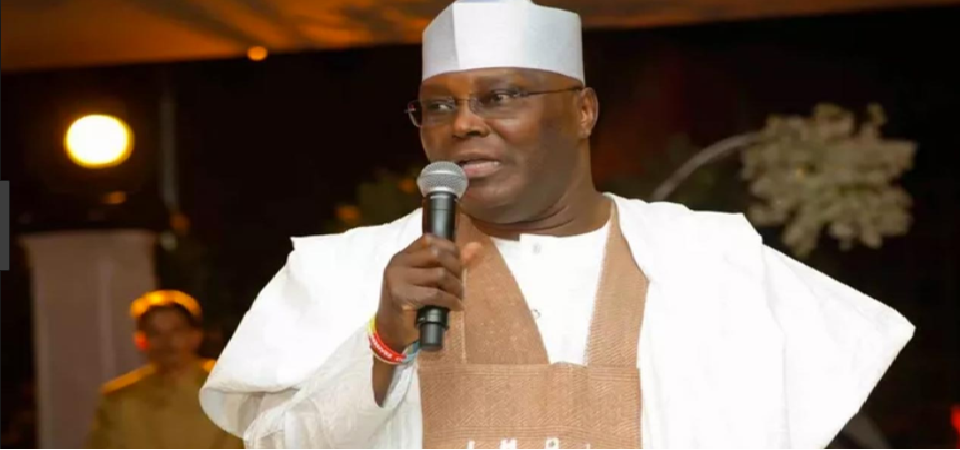
Former vice president, Atiku Abubakar, has joined growing voices calling on African countries to address the fundamental issues that have fueled an uptick in coups across the continent in recent years.

In a post shared via his X­ (Twitter) social media account on Thursday, Atiku said African leaders should focus on addressing the causative factors of the coups instead of treating the symptoms.

While he condemned the coups, especially the most recent one in Gabon, he called for collective efforts for the sustainability of democracy in Africa.

“The coup in Gabon stands condemned. Democracy and democratic governance have come to stay as a preferred form of governance, and everything should be done to enthrone, nurture, and sustain it,” he said.

“As I suggested in the case of the Niger Republic, the ECOWAS and African Union authorities should open a window of diplomatic engagement that will pave the way for the soldiers to return to the barracks.”

“The latest coup brings the number of military takeovers in Central and West Africa to 8 since 2020. This is worrisome and calls for introspection.

“We may have to focus on dealing with the disease and not the symptoms that birth coups.”

On Wednesday, Gabon became the latest African country to fall to the grip of the military, escalating the spate which has been widely denounced as a threat to democratic leadership in Africa.

Democratic leadership in Africa is characterized by fraudulent elections, poor economic policies, and corruption – which have plunged the continent into abject poverty.

This leadership situation has been identified as the major cause of coups in Africa. Citizens of Gabon and Niger Republic were seen jubilating in the streets following military takeovers in the respective countries.

Mali, Burkina Faso, Sudan, Chad, Guinea, Niger and Gabon are now under military rule.

Efforts by the African Union and regional bloc – the Economic Community of West Africa States (ECOWAS) to curtail the trend have failed. ECOWAS is yet to activate military action in Niger – even after the seven-day ultimatum that it issued to the junta to restore constitutional order expires.

The bloc’s ineffectiveness has been attributed to the overwhelming support of the coups by the people, who see no difference between military and democracy.

In its response to the coup in Gabon, the U.S. called for the release of President Ali Bongo and his family, who have been in detention since the coup was executed on Wednesday, but also expressed support for the Gabonese people whose will was subverted during the presidential election.

“We urge those responsible to release and ensure the safety of members of the government and their families and to preserve civilian rule.

“In addition, we call on all actors to show restraint and respect for human rights and to address their concerns peacefully through dialogue following the announcement of election results.

“We also note with concern the lack of transparency and reports of irregularities surrounding the election. The United States stands with the people of Gabon,” the US Department of State spokesperson, Matthew Miller, said in a statement.

A novel revolution of extra sovereign business incorporation, on the Xth Web, and a chance to have a piece of it.

0

In October, 9ja Cosmos is going to embark on a completely new form of legal incorporation that has not been done before, called Xth Web Incorporation.

Just as an aside, Xth Web has nothing to do with the renaming of Twitter to X.

Ownership of the string ‘xthweb’ as a Web 3 Domain was secured by 9ja Cosmos on 23 May 2023 at ·Block # 174104 on the Handshake Blockchain. This can be checked on any Handshake Block Explorer. ‘X’ was announced by Elon Musk as ‘The Everything App’ on what was then still Twitter, on July 25, more than two months later.

Moreover, Xth Web is unrelated to Twitter or any other online platform, and also, it is not linked in any way to Elon Musk’s previous financial product ‘x.com’ which later was rebranded ‘Paypal’.

Share certificates will be issued in accordance and compliance with the technical capacity of the Xth Web.

For those who want to look at the brief description of Xth Web, go to the 9ja Cosmos Development Page.

We will not at this stage reveal how that works.

We will be splitting up to 5% of the business 9ja Cosmos off and giving it away.

Yes, you heard that right, giving it away.


It will be issued as fractional shares to the first 500 people who are following the 9ja Cosmos page on LinkedIn and then go on to join our channel on Discord.

This equates to a 0.01% ownership of 9ja Cosmos per person. If you know, or have access to somebody that knows about processes of Share Dilution, then you will know, or get to know, that 0.01% of a venture with a bright future, when that is ring-fenced equity that can never undergo share dilution, is actually quite a big deal.

If you are not already a Discord member, you will need to sign up.

The cut off time for the first 500 followers on LinkedIn to complete their membership of our Discord channel is 20:00 hours UTC 0, November 30, 2023.

Those who join the Discord channel before the deadline, but are not in the first 500 followers of the 9ja Cosmos LinkedIn page, will not be eligible. Persons blocked on the founders LinkedIn account, will not be eligible. Fractional share options of the ‘first 500’ who do not join the Discord channel before the deadline, will remain the property of 9ja Cosmos (hence why it is ‘up to’ 5% of the business).

We will be publishing a list of the first 300 as an attachment to a post of this article on LinkedIn. We cannot share the list here, due to Legal and Data Protection concerns. LinkedIn members abide by its T&C, and have used the Privacy and Security options in the site to exercise a choice on the degree of exposure of their name, within the LinkedIn ecosystem. By posting the attachment within LinkedIn, we are not exceeding what they have already agreed to within the platforms T&C, and the settings choices they made.

We would advise those who already chose to follow the 9ja Cosmos LinkedIn page, to check their name on the list, and if it is not there, check that they have followed by visiting the page. As of writing there are now about 180 spaces left.

For the Discord channel link go to https://discord.gg/j4R7kvZz

Please note that the Discord Channel is under construction.

9ja Cosmos is here… 

Get your .9jacom and .9javerse Web 3 domains  for $2 at:

.9jacom Domains

.9javerse Domains

Visit 9ja Cosmos

Follow us on LinkedIn HERE

T&C Summary: Fractional ‘first 500’ shares are ‘soulbound’. Should keepers of the Fractional ‘first 500’ shares for any reason be unable to continue to exercise their ownership control, the fractional share shall return to Founder Ownership. Keepers of the Fractional ‘first 500’ shares must remain followers of the 9ja Cosmos LinkedIn page, and a member of the 9ja Cosmos Discord channel for a minimum of two years, or forfeit. Should 9ja Cosmos LinkedIn and/or Discord presence end for any reason, 9ja Cosmos is entitled to specify online platform alternatives. 9ja Cosmos ordinary shares shall be 1000 x 0.1% Shares. The ‘first 500’ share capacity of 5% is therefore 10 x 0.01% pieces of 50x ordinary shares. Only complete ordinary shares can exercise constitutional rights or duties, and so, fractional shares do not confer constitutional rights or duties on their keepers. : Fractional ‘first 500’ shares shall be subject to the Articles/Memoranda of 9ja Cosmos (not yet drafted), when completed. T&C of : Fractional ‘first 500’ shares shall be subject to change resulting from amendments to the Articles/Memoranda conducted ‘in the normal way’ according to the procedures specified therein

US Court calls Bitcoin and Ethereum Commodities while dismissing lawsuit filed against UniSwap

0

A major victory for the cryptocurrency industry was achieved on August 30, 2023, when a US federal court dismissed a lawsuit filed by the Securities and Exchange Commission (SEC) against UniSwap, a decentralized exchange platform that allows users to swap any ERC-20 tokens.

The SEC had alleged that UniSwap violated the federal securities laws by facilitating the trading of unregistered securities, such as tokens issued by initial coin offerings (ICOs) and decentralized finance (DeFi) projects. The SEC also claimed that Uniswap’s governance token, UNI, was itself a security that should have been registered with the agency.

However, the court ruled that the SEC failed to prove that UniSwap or UNI met the criteria of the Howey test, which is used to determine whether an asset is a security or not. The court also stated that Bitcoin and Ethereum, the two largest cryptocurrencies by market capitalization, are commodities and not securities, as they are not backed by any central authority or issuer.

The court’s decision is a significant boost for the cryptocurrency industry, as it provides more clarity and certainty on the legal status of digital assets in the US. It also reaffirms the distinction between centralized and decentralized platforms and recognizes the innovation and potential of DeFi.

Uniswap’s founder, Hayden Adams, celebrated the victory on Twitter, saying that “this is a huge win for UniSwap and the whole crypto community. We are grateful for the support of our users, developers, and partners who believe in our vision of a more open and fair financial system.”

The SEC’s director of enforcement, Gurbir Grewal, announced on August 30 that the agency would focus on the “most significant” cases of fraud and manipulation involving digital assets, and that it would not target DEXs or their users for merely listing or trading tokens that may be deemed as securities.

Adams praised this approach as “based”, a slang term that means admirable or courageous, and said that it would foster innovation and experimentation in the decentralized finance (DeFi) space. He also argued that DEXs are not responsible for the quality or legality of the tokens that are traded on their platforms, and that users should exercise due diligence and research before investing in any project.

“DEXs are permissionless protocols that enable anyone to create and trade any ERC20 token. They do not perform any vetting, endorsement, or promotion of the tokens that are listed. Users are solely responsible for their own actions and decisions,” he wrote. Adams added that Uniswap, the leading DEX by trading volume and liquidity, has implemented several measures to protect users from scam tokens, such as displaying warnings, requiring manual token imports, and removing default token lists.

He also encouraged users to report any suspicious or fraudulent activity to the SEC or other relevant authorities, and to use tools such as Etherscan or DeFi Pulse to verify the legitimacy and security of the tokens they trade. Adams concluded his tweet by saying that he hopes the SEC’s stance will encourage more developers to build on top of Uniswap and other DEXs, and to create innovative and valuable products and services for the DeFi community.

The market also reacted positively to the news, as UNI surged by more than 4.70% in the following hours, reaching a new all-time high and currently trading above $4. Bitcoin and Ethereum also gained momentum, breaking above $27,000 and $1,700 respectively.

FirstMate raises $3.75 million in Dragonfly-led Round

FirstMate, a startup that provides AI-powered solutions for maritime logistics, announced today that it has raised $3.75 million in a seed round led by Dragonfly Capital. Other investors include Y Combinator, Naval Ravikant, and several angel investors from the shipping industry.

The company, which graduated from Y Combinator’s Winter 2021 batch, aims to streamline the complex and fragmented processes involved in global trade. FirstMate’s platform uses machine learning and computer vision to automate tasks such as vessel tracking, cargo inspection, and document verification. The platform also provides data-driven insights and recommendations to help shippers optimize their operations and reduce costs.

FirstMate’s co-founder and CEO, said that the company was born out of his own frustration with the inefficiencies and lack of transparency in the maritime sector. And has a background in naval engineering and shipping management, said that he wanted to create a solution that would make the industry more modern and accessible.

“We believe that maritime logistics is ripe for disruption and that AI can play a key role in transforming it. Our vision is to build a platform that connects all the stakeholders in the trade ecosystem and enables seamless and secure transactions. We are thrilled to have the support of Dragonfly Capital and other investors who share our vision and have deep expertise in both AI and shipping,” Smith said.

Dragonfly Capital’s partner said they are impressed by FirstMate’s team and technology. Dragonfly said FirstMate has the potential to become a leader in the maritime logistics space and create significant value for its customers.

“FirstMate is tackling a huge and underserved market that has been largely overlooked by the tech industry. They have built a powerful platform that leverages AI to solve real pain points for shippers and carriers. We are excited to partner with them and help them scale their business,” Lee said.

FirstMate said that it will use the new funding to expand its team, develop new features, and grow its customer base. The company currently serves over 100 customers across 20 countries, including some of the largest shipping companies in the world.

Cameroon’s Biya, Rwanda’s Kagame Reshuffle Military Formations Following Gabon’s Coup

0

Long-serving African leaders are reportedly taking drastic measures to protect their leadership positions, following the spate of coups overthrowing democratic governments across the continent.

With Gabon being the latest country to succumb to a military takeover, the fear of being toppled has expectedly ripped through the walls protecting the leaders.

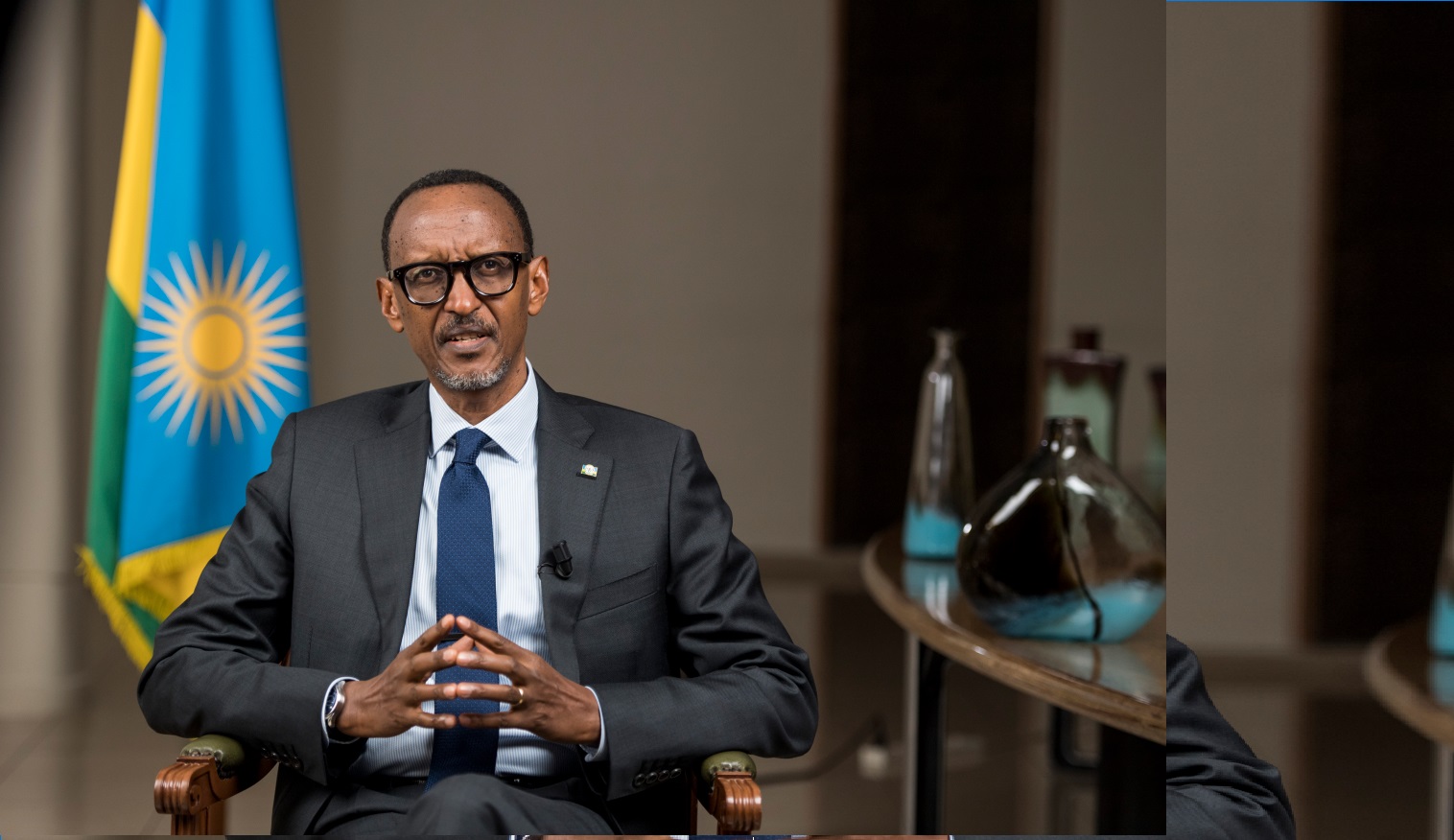
Rwanda’s Paul Kagame and Cameroon’s Paul Biya, have reportedly affected panicky changes in their countries’ military formations.

According to a statement published on the Rwanda Defense Force’s official website on Wednesday, President Paul Kagame approved the retirement of several RDF generals, including senior presidential advisor on security matters, James Kabarebe.

“The president has also approved the retirement of 83 Senior Officials, 86 Senior Non-Commissioned Officers, 6 Junior Officers, 678 end-of-contract retirements, 160 soldiers who were discharged on medical grounds,” the statement partly reads.

According to local media reports, some of those retired had attained the retirement age of 65 while others were indicted in some misconduct.

The senior military officers also include Fred Ibingira, Charles Kayonga, Frank Mushyo Kamanzi, Martin Nzaramba, Eric Murokore, Augustin Turagara, Charles Karamba, Albert Murasira, Chris Murari, Didace Ndahiro, and Emmanuel Ndahiro.

Similarly, Biya who has served as the Cameroonian president for 40 years reshuffled the country’s defense cabinet.

Among the posts reshuffled were the delegate to the presidency in charge of defense, air force staff, navy, and the police, as announced on his X social media platform.

The 90-year-old Biya remains one of the longest-serving African leaders as he came to power in a coup d’etat in 1982. His rulership has been characterized by reports of oppression and human rights abuses.

Following the retirement changes in Rwanda’s military formation, Kagame also approved the promotion and
appointment of some officers to replace the previous office holders, according to the RDF.

Kagame has been in power since 2000, and in 2015, Rwanda’s constitution was changed to allow Kagame to remain president until 2034, making him one of Africa’s longest-serving presidents.

Ali Bongo Ondimba, whose family has ruled Gabon for 56 years, was deposed in a coup by top military officers, and the coupists named Gen Brice Oligui Nguema as the transitional leader, a development celebrated by the Gabonese.

The coup is believed to have been inspired by the sham election, in which the Gabonese Election Centre (CGE) declared Bongo as the winner – a development that would have seen him remain in power for the next seven years.

Ali Bongo served as the minister of defense under his father, Omar Bongo, who ruled Gabon with an iron fist from 1967 to 2009. After his death, Ali Bongo took his place as president and has ruled ever since.

The situation in Gabon follows the trend of military coups in Africa, which has seen seven countries including Mali, Burkina Faso, Sudan, Chad, Guinea, and Niger fall under military rulership.

Nurturing Innovation Through Cultural Transformation in Egypt and South Africa

0

In an era defined by rapid change and technological advancement, the relationship between culture and innovation has come to the forefront as a decisive factor in a nation’s success. In this piece, our analyst reports the outcomes of his analysis of the scores of the level of innovation in two African countries that have consistently participated in the World Intellectual Property Organization and other reputable institutions’ analysis of the level of innovation across the countries.  He examines the critical connection between the scores recorded by Egypt and South Africa in 2013 and 2022 with the cultural dimensions scores to understand its ability to foster innovation. These dimensions, as conceptualized by Hofstede, including power distance, individualism, masculinity, uncertainty avoidance, long-term orientation, and indulgence, have been found to play a pivotal role in driving innovation.

Our analyst reports that Egypt and South Africa offer illuminating case studies of how cultural elements intertwine with innovation outcomes. Between 2013 and 2022, an intriguing correlation emerged between the cultural dimensions and the innovation capabilities of both nations. In Egypt, a one-unit increase in cultural dimensions corresponded to a notable 14% rise in innovativeness. Meanwhile, in South Africa, an even more substantial connection was observed, with 35% of its innovation progress attributed to cultural factors.

Unveiling the layers of these dimensions reveals actionable insights for policy and management approaches. The extent of power distance within a society influences the openness of communication and collaboration. Striking a balance between hierarchical respect and free idea exchange through policy incentives can foster a more inclusive innovation ecosystem.

The balance between individualism and collective harmony is also a defining factor. To drive innovation, policies should encourage individual creativity while fostering cooperative problem-solving. The interplay of masculine and feminine values similarly impacts innovation. Balancing competitiveness with cooperation can be achieved through policies that celebrate diverse forms of contribution.

In societies with high uncertainty avoidance, encouraging calculated risk-taking is key to unleashing innovation. Policy initiatives that provide a safe space for experimentation can counter the tendency to stick to established norms. Long-term orientation, reflecting a culture’s preparedness for the future, can be nurtured through policies that prioritize education, research, and forward-looking investment.

The dimension of indulgence, which signifies a society’s orientation towards gratification, can be channelled towards innovation and entrepreneurship. By redirecting indulgence to creative pursuits, countries can align cultural values with innovation objectives.

The role of leadership in cultivating a culture conducive to innovation is paramount. Visionary leaders can champion these principles by fostering cultural sensitivity, promoting diverse teams, facilitating inclusive communication, and incentivizing innovation. Recognizing and rewarding innovative efforts can motivate contributors from various cultural backgrounds.

Looking ahead to the next five years, Egypt and South Africa have a significant opportunity to harness their cultural dimensions as drivers of innovation. By addressing policy gaps and embracing managerial strategies that bridge cultural divides, both nations can accelerate their innovation journey. In a world that values progress through innovation, Egypt and South Africa can shape a narrative of economic growth and global prominence by seamlessly weaving together their cultural richness and pioneering spirit. As stakeholders collaborate and align their efforts, they can forge a future where culture and innovation intertwine harmoniously, ushering in an era of prosperity and trailblazing achievement.