DD
MM
YYYY

PAGES

DD
MM
YYYY

spot_img

PAGES

Home Blog Page 3877

Ugandan Coffee receipts close to $1 billion worth of value

2

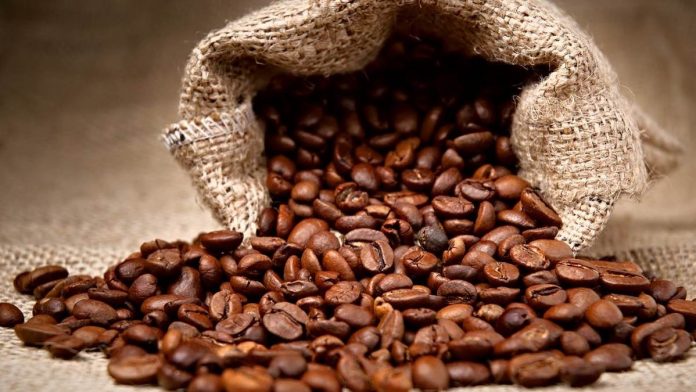
Uganda, the second-largest coffee producer in Africa, is on track to achieve a record-breaking export value of nearly $1 billion in the 2020/21 season. According to the Uganda Coffee Development Authority (UCDA), the country exported 6.68 million 60-kg bags of coffee between October 2020 and September 2023, worth $986 million. This is a 17% increase in volume and a 26% increase in value compared to the previous season.

The impressive performance of Uganda’s coffee sector is attributed to several factors, including favorable weather conditions, increased acreage of coffee trees, improved quality and productivity, and strong global demand. Uganda mainly grows robusta coffee, which accounts for about 80% of its exports, followed by arabica coffee. The main destinations for Uganda’s coffee are the European Union, Sudan, India, Morocco, and the United States.

Coffee is a vital source of income and livelihood for millions of Ugandans, especially smallholder farmers who make up 95% of the coffee growers. The government has been supporting the sector through various initiatives, such as providing free seedlings, promoting value addition, enhancing market access, and strengthening farmer organizations. The UCDA has also set a target of increasing coffee production to 20 million bags by 2025, which would make Uganda one of the top coffee producers in the world.

The future prospects of Uganda’s coffee industry are bright, as the country continues to invest in improving the quality and quantity of its output, as well as diversifying its markets. Uganda’s coffee has a unique flavor and aroma that appeals to both local and international consumers. As the world’s appetite for coffee grows, Uganda is well-positioned to capitalize on this opportunity and reap the benefits of its rich coffee heritage.

How does Uganda compare to other coffee producers?

Coffee is Uganda’s most valuable export commodity, accounting for about 20% of the country’s total export earnings. Coffee also provides livelihoods for millions of smallholder farmers and rural workers, who depend on it for their income and food security.

Quality: Uganda produces mainly robusta coffee, which is a hardy and high-yielding variety that grows well in low altitudes and warm climates. Robusta coffee has a strong and bitter taste and is often used for instant coffee or as a filler in blends with arabica coffee, which is a more delicate and aromatic variety that grows in higher altitudes and cooler climates. Arabica coffee commands a higher price and demand in the specialty market, where consumers are looking for distinctive flavors and aromas.

Uganda does produce some arabica coffee, mainly in the mountainous regions of Mount Elgon and the Rwenzori Mountains, where the climate and soil conditions are favorable. However, the quality of Uganda’s arabica coffee is often inconsistent and variable, due to factors such as poor harvesting and processing practices, lack of quality control and certification, and inadequate infrastructure and storage facilities. As a result, Uganda’s arabica coffee often fails to meet the standards and expectations of the specialty market and is sold at lower prices than its competitors.

Sustainability: Uganda faces several environmental and social challenges that threaten the sustainability of its coffee sector. Climate change is one of the major threats, as it affects the rainfall patterns, temperature levels, pest and disease outbreaks, and soil fertility that are essential for coffee production. Climate change also increases the vulnerability of smallholder farmers, who have limited access to resources and adaptation strategies to cope with the changing conditions.

Another challenge is deforestation, which is caused by the expansion of agricultural land, logging, charcoal production, and urbanization. Deforestation reduces the biodiversity and ecosystem services that support coffee production, such as pollination, water regulation, soil conservation, and carbon sequestration. Deforestation also contributes to greenhouse gas emissions, which exacerbate climate change.

A third challenge is poverty, which affects many of the smallholder farmers who grow coffee in Uganda. Poverty limits their ability to invest in inputs, technologies, training, and certification that could improve their productivity, quality, and income. Poverty also exposes them to risks such as food insecurity, malnutrition, illiteracy, poor health, and human rights violations.

Competitiveness: Uganda has a competitive advantage in terms of its natural endowments for coffee production, such as its fertile soils, abundant rainfall, diverse agro-ecological zones, and genetic diversity of coffee varieties. Uganda also has a large domestic market for coffee consumption, which provides a stable demand and income for its producers.

However, Uganda faces several constraints that limit its competitiveness in the global market. One of them is the low productivity of its coffee farms, which average about 700 kg per hectare, compared to over 2,000 kg per hectare in countries like Vietnam and Brazil. The low productivity is mainly due to factors such as aging trees, poor agronomic practices, inadequate inputs, lack of irrigation systems, pest and disease infestation.
Afreximbank Releases $2.25bn Loan Tranche to Nigeria to Ease FX Woes

0

Nigeria, beset by acute foreign exchange (FX) shortages causing ripples across economic sectors, received a much-needed financial infusion as the federal government finally saw the initial $2.25 billion tranche of a substantial $3.3 billion FX facility from the African Export–Import Bank (Afreximbank) materialize.

This timely inflow marks a significant step towards resolving the nation’s FX crisis, offering a glimmer of hope in addressing economic challenges.

The dire need for this financial boost has been evident in Nigeria’s economic growth, where FX shortages have stifled economic activities and eroded investor confidence.

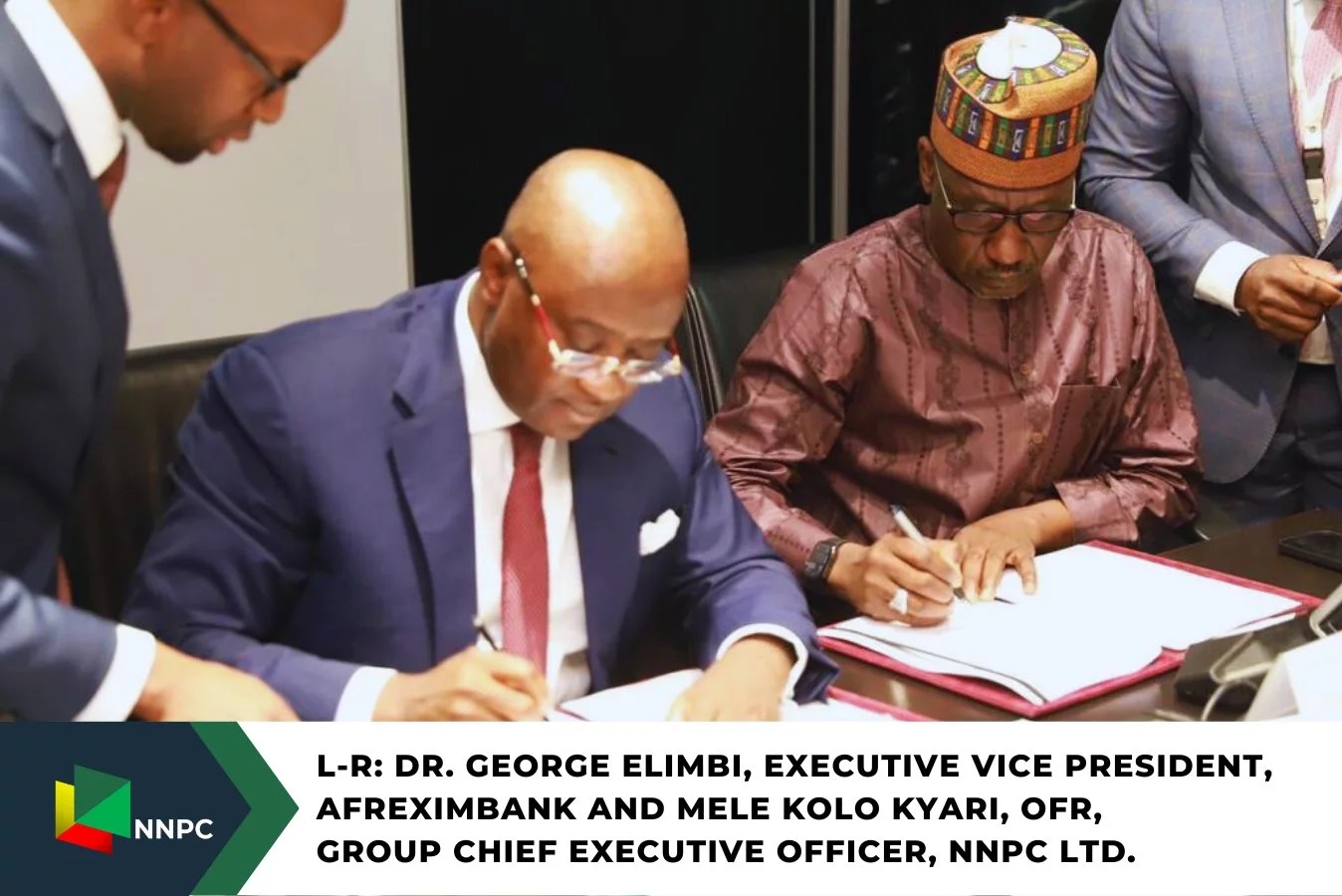
Last August, the Nigerian National Petroleum Company Limited (NNPCL) secured an emergency $3 billion crude oil repayment loan from the Trade Finance Bank for Africa, Afreximbank. The loan is aimed to provide some immediate disbursement that will enable the NNPC Ltd. to support the Federal Government in its ongoing fiscal and monetary policy reforms aimed at stabilizing the exchange rate market.

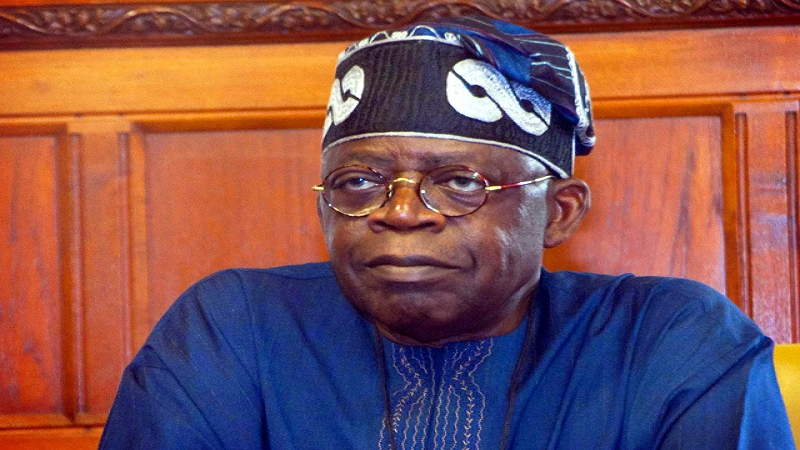
President Bola Tinubu had earlier affirmed his administration’s commitment to addressing the FX backlog by injecting crucial funds into the market. His sentiments were echoed at the 2023 Bank Directors’ Summit in Abuja, emphasizing the urgency of liquidity in the FX market for economic stability. Despite concerns among investors regarding the government’s commitment, Finance Minister Wale Edun, representing Tinubu, assured that while such interventions take time, the administration remained resolute in its objectives.

The reception of the $2.25 billion tranche from Afreximbank comes as a substantial reprieve, buoying hopes of an economic recovery. The remaining $1.05 billion is expected to follow suit in the coming week, further bolstering the nation’s financial liquidity.

This structured financing arrangement, led by Afreximbank with United Bank for Africa (UBA) with $100 million as the Local Arranger, signifies a concerted effort to stabilize Nigeria’s FX liquidity. The involvement of key players such as VITOL, Sahara Energy Group, Oando, and other major oil traders reflects a collaborative approach to tackling the nation’s FX challenges.

Experts have hailed Afreximbank’s intervention, acknowledging its potential to mitigate exchange rate volatility and curb rising inflation. However, amidst this optimism, cautionary voices highlight the need for sustained efforts to address the underlying FX liquidity issues in the long term.

Dr. Chijioke Ekechukwu, Managing Director/Chief Executive of Dignity Finance and Investment Limited, while acknowledging the loan’s role in funding the budget deficit and easing FX concerns, expressed reservations about its temporary nature. He highlighted concerns regarding the quick depletion of injected funds due to speculative activities, emphasizing the necessity for comprehensive measures to ensure sustained FX stability.

“We have a budget deficit, which can only be funded by borrowing or selling government assets or both,” he said.

“The other fundamentals that could increase our revenue base have been stretched ambitiously.

“This gives the government no other option but to continue to borrow.”

Professor Uche Uwaleke, Chairman of the Chartered Institute of Bankers of Nigeria (CIBN) in Abuja, emphasized the severity of the FX liquidity challenge. He noted the significance of any inflow into the Nigerian Autonomous Foreign Exchange Market (NAFEM) to alleviate the current strain.

“So, we expect the exchange rate to drop marginally with such injections, speculations, and other uses will, however, quickly drain the market of the available FX,” he said.

Mr. Idakolo Gbolade, Managing Director/Chief Executive of SD&D Capital Management Limited, highlighted forthcoming initiatives, such as the anticipated commencement of operations at the Dangote and Port Harcourt refineries in January. He anticipates these initiatives, alongside government efforts to attract foreign investors, will contribute significantly to resolving the nation’s FX crisis in the coming months.

However, as Nigeria welcomes the $2.25 billion injection, the focus now shifts towards maintaining and strengthening FX reserves for lasting stability and economic advancement. The country is expected to strike a harmonious equilibrium between immediate alleviation and the crucial need for enduring strategies to bolster its FX standing in the long run.

New Year Message to Nigerians by President Tinubu

0

TEXT OF PRESIDENT BOLA AHMED TINUBU’S NEW YEAR ADDRESS TO THE NATION

Dear Compatriots,

It gives me immense joy to welcome each and everyone of you – young and old- to this brand new year 2024. We must lift up our hands to Almighty God, in gratitude, for his grace and benevolence to our country and our lives in the year 2023 that has just gone by.

Though the past year was a very challenging one, it was eventful in so many ways. For our country, it was a transition year that saw a peaceful, orderly and successful transfer of power from one administration to another, marking yet another remarkable step in our 24 years of unbroken democracy.

It was a year, you the gracious people of this blessed nation, entrusted your faith in me with a clear mandate to make our country better, to revamp our economy, restore security within our borders, revitalise our floundering industrial sector, boost agricultural production, increase national productivity and set our country on an irreversible path towards national greatness that we and future generations will forever be proud of.

Everything I have done in office, every decision I have taken and every trip I have undertaken outside the shores of our land, since I assumed office on 29 May 2023, have been done in the best interest of our country.

Over the past seven months of our administration, I have taken some difficult and yet necessary decisions to save our country from fiscal catastrophe. One of those decisions was the removal of fuel subsidy which had become an unsustainable financial burden on our country for more than four decades. Another was the removal of the chokehold of few people on our foreign exchange system that benefited only the rich and the most powerful among us. Without doubt, these two decisions brought some discomfort to individuals, families and businesses.

I am well aware that for some time now the conversations and debates have centred on the rising cost of living, high inflation which is now above 28% and the unacceptable high under-employment rate.

From the boardrooms at Broad Street in Lagos to the main-streets of Kano and Nembe Creeks in Bayelsa, I hear the groans of Nigerians who work hard every day to provide for themselves and their families.

I am not oblivious to the expressed and sometimes unexpressed frustrations of my fellow citizens. I know for a fact that some of our compatriots are even asking if this is how our administration wants to renew their hope.

Dear Compatriots, take this from me: the time may be rough and tough, however, our spirit must remain unbowed because tough times never last. We are made for this period, never to flinch, never to falter. The socio-economic challenges of today should energize and rekindle our love and faith in the promise of Nigeria. Our current circumstances should make us resolve to work better for the good of our beloved nation. Our situation should make us resolve that this new year 2024, each and everyone of us will commit to be better citizens.

Since our administration took over the mantle of office, security has improved. Silently, we have worked to free captives from abductors. While we can’t beat our chest yet that we had solved all the security problems, we are working hard to ensure that we all have peace of mind in our homes, places of work and on the roads.

Having laid the groundwork of our economic recovery plans within the last seven months of 2023, we are now poised to accelerate the pace of our service delivery across sectors.

Just this past December during COP28 in Dubai, the German Chancellor, Olaf Scholz, and I agreed and committed to a new deal to speed up the delivery of the Siemens Energy power project that will ultimately deliver reliable supply of electricity to our homes and businesses under the Presidential Power Initiative which began in 2018.

Other power installation projects to strengthen the reliability of our transmission lines and optimise the integrity of our National grid are ongoing across the country.

My administration recognises that no meaningful economic transformation can happen without steady electricity supply. In 2024, we are moving a step further in our quest to restart local refining of petroleum products with Port Harcourt Refinery, and the Dangote Refinery which shall fully come on stream.

To ensure constant food supply, security and affordability, we will step up our plan to cultivate 500,000 hectares of farmlands across the country to grow maize, rice, wheat, millet and other staple crops. We launched the dry season farming with 120,000 hectares of land in Jigawa State last November under our National Wheat Development Programme.

In this new year, we will race against time to ensure all the fiscal and tax policies reforms we need to put in place are codified and simplified to ensure the business environment does not destroy value. On every foreign trip I have embarked on, my message to investors and other business people has been the same. Nigeria is ready and open for business.

I will fight every obstacle that impedes business competitiveness in Nigeria and I will not hesitate to remove any clog hindering our path to making Nigeria a destination of choice for local and foreign investments.

In my 2024 Budget presentation to the National Assembly, I listed my administration’s 8 priority areas to include national defence and internal security, job creation, macro-economic stability, investment environment optimization, human capital development, poverty reduction and social security. Because we take our development agenda very seriously, our 2024 budget reflects the premium we placed on achieving our governance objectives.

We will work diligently to make sure every Nigerian feels the impact of their government. The economic aspirations and the material well-being of the poor, the most vulnerable and the working people shall not be neglected. It is in this spirit that we are going to implement a new national living wage for our industrious workers this new year. It is not only good economics to do this, it is also a morally and politically correct thing to do.

I took an oath to serve this country and give my best at all times. Like I said in the past, no excuse for poor performance from any of my appointees will be good enough.

It is the reason I put in place a Policy Coordination, Evaluation, Monitoring and Delivery Unit in the Presidency to make sure that governance output improves the living condition of our people.

We have set the parameters for evaluation. Within the first quarter of this new year, Ministers and Heads of Agencies with a future in this administration that I lead will continue to show themselves.

Fellow Nigerians, my major ambition in government as a Senator in the aborted Third Republic, as Governor of Lagos State for eight years and now as the President of this blessed country is to build a fair and equitable society and close the widening inequality. While I believe the rich should enjoy their legitimately-earned wealth, our minimum bargain must be that, any Nigerian that works hard and diligent enough will have a chance to get ahead in life. I must add that because God didn’t create us with equal talents and strengths, I can not guarantee that we will have equal outcomes when we work hard. But my government, in this new year 2024 and beyond, will work to give every Nigerian equal opportunity to strive and to thrive.

For the new year to yield all its good benefits to us as individuals and collectively as a people we must be prepared to play our part. The job of building a prosperous nation is not the job of the President, Governors, Ministers, Lawmakers and government officials alone. Our destinies are connected as members of this household of Nigeria. Our language, creed, ethnicity and religious beliefs even when they are not same should never make us work at cross purposes.

In this new year, let us resolve that as joint-heirs to the Nigerian Commonwealth, we will work for the peace, progress and stability of our country. I extend this call to my political opponents in the last election. Election is over. It’s time for all of us to work together for the sake of our country.

We must let the light each of us carry – men and women, young and old- shine bright and brighter to illuminate our path to a glorious dawn.

I wish all of us a happy and prosperous year 2024.

May God continue to bless the Federal Republic of Nigeria.

Bola Ahmed Tinubu, GCFR

Bitcoin logo projected on European Central Bank in Frankfurt

2

On the night of November 30th, 2023, a group of anonymous activists projected a giant Bitcoin logo on the facade of the European Central Bank (ECB) headquarters in Frankfurt, Germany. The stunt ‘Study Bitcoin’ is intended to send a message of defiance and protest against the ECB’s policies and actions regarding cryptocurrencies.

The ECB has been one of the most vocal opponents of Bitcoin and other decentralized digital currencies, arguing that they pose a threat to financial stability, consumer protection, and monetary sovereignty. The ECB has also been working on developing its own digital euro, which it claims will be more secure, efficient, and convenient than existing alternatives.

However, many Bitcoin supporters and enthusiasts see the ECB’s stance as hypocritical, oppressive, and outdated. They accuse the ECB of trying to stifle innovation, competition, and freedom in the financial sector, and of imposing its centralized control over the money supply and interest rates. They also question the ECB’s legitimacy and accountability, especially after the controversial bailouts and austerity measures that followed the 2008 financial crisis and the 2010-2012 sovereign debt crisis.

The projection of the Bitcoin logo on the ECB building was a symbolic act of resistance and empowerment, showing that Bitcoin is not afraid of the ECB or any other central authority. It was also a way of raising awareness and sparking debate about the future of money and finance in the digital age. The activists behind the projection said that they wanted to “make people think about the meaning and value of money, and how it affects their lives”.

The reaction to the projection was mixed. Some praised it as a clever and creative way of expressing dissent and promoting Bitcoin. Others criticized it as a childish and disrespectful prank that violated the property rights and dignity of the ECB. The ECB itself did not comment on the incident, but reportedly increased its security measures around its premises.

The projection of the Bitcoin logo on the ECB building was not the first time that Bitcoin activists have used public spaces and landmarks to spread their message. In 2018, a similar projection was made on the Swiss National Bank building in Zurich, Switzerland.

In 2019, a mural depicting a yellow vest protester holding a Bitcoin flag was painted on a wall near the Bank of France in Paris, France. In 2020, a billboard with the slogan “Bitcoin fixes this” was placed near the Federal Reserve Bank of New York in New York City, USA.

These actions demonstrate that Bitcoin is more than just a technology or a currency. It is also a social movement and a cultural phenomenon that challenges the status quo and offers an alternative vision for the future. Whether one agrees or disagrees with Bitcoin’s ideals and goals, it is undeniable that it has become a force to be reckoned with in the global arena.

Tourists rescued after speedboat capsizes off Thai Island; Ugandan athlete stabbed to death in Kenya

0

A dramatic rescue operation took place on Saturday, when a speedboat carrying 73 tourists and crew members capsized off the coast of Koh Samui, a popular Thai island. According to local authorities, the boat was hit by a large wave and overturned, trapping some of the passengers under water. The incident occurred around 5 p.m. local time, as the boat was returning from a day trip to nearby islands.

Fortunately, nearby fishing boats and other vessels rushed to the scene and helped pull the survivors out of the water. Some of the tourists suffered minor injuries, such as cuts and bruises, but none were seriously hurt.

All of them were wearing life jackets, which likely saved their lives. The boat’s captain and two crew members were among the last to be rescued, after they stayed with the sinking vessel to ensure everyone else was safe.

The tourists on board the speedboat was from various countries, including China, Germany, France, and Australia. They were taken to a local hospital for check-ups and treatment, and later transferred to their hotels. The local authorities have launched an investigation into the cause of the accident and have temporarily suspended all speedboat services in the area until further notice.

This is not the first time that a speedboat accident has occurred in Thailand, where tourism is a major industry and millions of visitor’s flocks to its beaches and islands every year. In July 2018, a similar incident killed 47 Chinese tourists near Phuket, prompting a crackdown on safety standards and regulations.

Some of the causes of speedboat accidents in Thailand include overcrowding, poor maintenance, lack of safety equipment, bad weather, human error, and alcohol consumption. These factors can increase the risk of collisions, capsizing, fires, explosions, and injuries among passengers and crew. According to a report by the World Health Organization, Thailand had the second-highest number of deaths from water transport accidents in the world in 2016, with 1,034 fatalities.

However, some critics say that more needs to be done to prevent such tragedies from happening again, and to ensure that tourists are well-informed of the risks and precautions involved in traveling by speedboat.

Thailand is a popular destination for tourists who seek sun, sand and sea. However, it also has a history of speedboat accidents that have claimed the lives of many visitors. In this blog post, we will explore some of the causes and consequences of these incidents, and what can be done to prevent them in the future.

Speedboat accidents are not uncommon in Thailand, a country that relies heavily on tourism and attracts millions of visitors annually to its scenic coasts and islands. In this blog post, we will explore some of the causes and consequences of these incidents, as well as some possible solutions to prevent them in the future.

Ugandan athlete stabbed to death in Kenya

A tragic incident has shocked the sports community in East Africa. A Ugandan athlete, who was training in Kenya for an upcoming marathon, was stabbed to death by unknown assailants on Monday night.

The world of sports is mourning the passing of Kiprotich, one of the greatest long-distance runners of all time. Kiprotich, who died in a car accident yesterday, was a national hero in Uganda and a respected competitor in the international arena.

He won the gold medal in the marathon at the 2012 London Olympics, becoming the first Ugandan to do so since 1972. He also won the 2013 World Championships in Moscow, making him the second person in history to achieve the Olympic-World double in the marathon. He was also a four-time winner of the prestigious Tokyo Marathon and a two-time winner of the Hamburg Marathon.

Kiprotich’s death is a huge loss for Uganda and the entire athletics fraternity. He was not only a talented and dedicated athlete, but also a humble and generous person. He used his fame and fortune to support various causes, such as education, health, and environmental protection. He was an inspiration to many young people in Uganda and around the world, who looked up to him as a role model and a mentor. He was also a loving husband and father of four children, who will miss him dearly.

Kiprotich’s legacy will live on in the hearts and minds of his fans, friends, and family. He will be remembered as a legend, a champion, and a hero. He will be sorely missed, but never forgotten.

According to the police, Kiprotich was attacked by a group of men armed with knives as he was returning to his rented house after a training session. He sustained multiple stab wounds and died on the spot. The motive behind the killing is still unclear, but the police suspect it could be related to robbery or personal rivalry.

Kiprotich’s coach and fellow athletes have expressed their shock and grief over his death. They described him as a humble, hardworking and talented runner who had a bright future ahead of him. They also appealed to the authorities to bring the perpetrators to justice and ensure the safety of other foreign athletes in Kenya.

The Ugandan government has also condemned the murder and offered its condolences to Kiprotich’s family and friends. The Ugandan ambassador to Kenya said that he was in touch with the Kenyan officials and that they were working together to facilitate the repatriation of Kiprotich’s body and belongings.

Kiprotich’s death is a huge loss for Uganda and the entire athletics fraternity. He was one of the rising stars of Ugandan long-distance running and had qualified for the Boston Marathon, which was scheduled for April this year. He had also represented Uganda at the 2019 World Athletics Championships in Doha, where he finished 17th in the men’s marathon.