DD
MM
YYYY

PAGES

DD
MM
YYYY

spot_img

PAGES

Home Blog Page 3885

Live Sports Betting in Singapore: Tips and Strategies

0

Introduction to Live Sports Betting in Singapore

Live sports betting in Singapore has become a vibrant and exciting aspect of the sports industry, offering enthusiasts a dynamic way to engage with their favourite sports. In this comprehensive guide, we delve into the intricacies of live sports betting, providing insightful tips and strategies to help you navigate this thrilling world.

Understanding the Basics of Live Sports Betting

Live sports betting is an activity where bettors place wagers on sporting events as they unfold in real-time. This form of betting allows for a more interactive and engaging experience, as odds and betting options can change rapidly based on the ongoing action in the game.

Choosing the Right Sportsbook

Selecting a reliable and reputable sportsbook is crucial for a successful betting experience. Look for platforms that offer a wide range of sports, competitive odds, live streaming options, and secure transaction methods. It’s also important to consider the user interface and customer support offered by the sportsbook.

Developing a Strategic Approach to Betting

To maximise your chances of success in live sports betting, it’s essential to develop a strategic approach. This involves thorough research and analysis of the sports, teams, and players involved. Understanding the dynamics of the game and recognizing patterns can provide valuable insights for making informed betting decisions.

Bankroll Management: A Key to Sustainable Betting

Effective bankroll management is critical for maintaining a healthy betting practice. Set aside a specific amount of money for betting and stick to it. Avoid the temptation to chase losses or bet more than you can afford. Consistent and disciplined betting can lead to long-term success.

Leveraging Live Betting Features

Live sports betting offers unique features like in-play betting and cash-out options. In-play betting allows you to place bets during the game, taking advantage of the changing dynamics. Cash-out options enable you to settle a bet before the event concludes, providing an opportunity to secure profits or minimise losses.

Understanding and Analysing Odds

Odds are a fundamental aspect of sports betting, representing the likelihood of an event occurring. Learning to read and analyse odds is crucial for making informed betting decisions. Different sportsbooks may offer varying odds, so it’s important to shop around for the best value.

The Role of Research and Analysis

In-depth research and analysis of teams, players, and historical performance data can significantly enhance your betting strategy. Pay attention to recent form, head-to-head records, team news, and other relevant factors that can influence the outcome of a game.

Betting on Popular Sports in Singapore

In Singapore, popular sports for live betting include football, basketball, and badminton. Each sport offers unique betting opportunities and requires a specific approach. Familiarise yourself with the rules and nuances of these sports to make more informed betting decisions.

Staying Updated and Informed

Staying up-to-date with the latest news, player injuries, and team developments is essential for successful live sports betting. Information is power in the world of sports betting, and staying informed can give you a competitive edge.

Embracing a Responsible Betting Mindset

Responsible betting is key to a sustainable and enjoyable sports betting experience. Set limits, avoid emotional betting, and understand that winning and losing are part of the game. Always bet with a clear mind and avoid impulsive decisions.

Conclusion: Mastering Live Sports Betting in Singapore

Live sports betting in Singapore offers a thrilling and potentially rewarding experience for those who approach it with knowledge, strategy, and discipline. By following these tips and strategies, you can enhance your betting skills and enjoy the dynamic world of live sports betting.
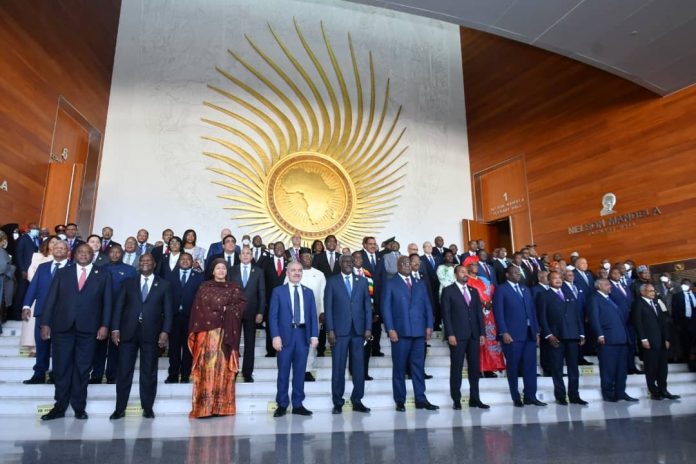

Focus on Nigeria as Ethiopia Joins Zambia and Ghana on Defaulting on Debts

2

Ethiopia joins the d-club, defaulting on its debt payments: “Ethiopia joins the ranks of a mounting list of developing countries grappling with defaults on Eurobonds, following in the footsteps of nations like Zambia, Ghana, and Sri Lanka.” Things happen because these debts are usually not at home, causing more pains.

In an Igbo novel (Uwadiegwu), the man dropped a great hint: when you borrow, go to your kinsman so that if the debt goes bad, he may lock you up but at the same time he would be expected to take care of your family since he is your kinsman! That is how debts work: pains are lesser when the debt is home. America borrows dollars and they’re responsible for printing dollars. No other country enjoys that combo.

So, if you check the countries with the largest foreign reserves, the United States may not make the top list. Why? America is the reserve. Hahaha. And what that means is clear: it holds the ace with the special printers to print the reserves. Indeed, when others have to earn US dollars, only America can manufacture them via special printers. That means its debts may not be consequential provided everything happens around US dollars.

Where am I going? All our African debts will and must be paid one day – and when you do not have a strategy on how to pay them, many bad things happen. Remember: the best strategy to get out of debts is to pay your bills! And if that is the case, how to pay bills becomes the order of governments and as that happens, you lose the capacity to focus on what matters. For example, instead of having an agro policy for what the citizens need to eat, you are fixated on crops for exports because you want to earn US dollars, to service debts.

Ladies and Gentlemen: I am speaking to Nigeria as we continue to pile those debts. Ghana is down.  Zambia is down. Ethiopia has joined. We hope it stops there.  But I doubt!

Iran and Russia finalize deal to trade in local currencies

0

In a major blow to the US Dollar’s dominance in global trade, Iran and Russia have finalized a deal to use their local currencies for bilateral transactions. The agreement, which was announced by the Iranian central bank governor on Monday, aims to boost trade and economic cooperation between the two countries, while reducing their reliance on the US currency.

The deal is part of a broader strategy by Iran and Russia to counter the US sanctions that have crippled their economies and hampered their access to the international financial system. By using their own currencies, the Iranian rial and the Russian ruble, they hope to avoid the risks and costs associated with exchanging dollars in third-party countries.

The deal also reflects the growing alignment of interests between Iran and Russia, who have been cooperating on various fronts, including the Syrian civil war, the nuclear deal, and the regional security. Both countries view the US as a hostile and destabilizing force in the Middle East and beyond and seek to challenge its hegemony and influence.

The deal is expected to have significant implications for the global trade and monetary system, as it could encourage other countries to follow suit and diversify their currency reserves away from the dollar. This could undermine the dollar’s status as the world’s reserve currency, which gives the US a unique advantage in international trade and finance. The dollar’s dominance also allows the US to impose sanctions on other countries by cutting off their access to the dollar-based system.

The deal is likely to face opposition and criticism from the US, which has been trying to isolate Iran and Russia from the global economy. The US has imposed several rounds of sanctions on both countries over their nuclear and military activities, as well as their human rights violations and support for terrorism. The US has also warned other countries not to do business with Iran and Russia, threatening them with secondary sanctions if they violate the US rules.

The deal is a clear sign of defiance and resistance by Iran and Russia, who have shown that they are not willing to bow down to the US pressure and demands. The deal is also a testament to their resilience and creativity in finding ways to circumvent the US sanctions and maintain their economic ties. The deal is a historic milestone in their bilateral relations, as well as a challenge to the US Dollar’s supremacy in global trade.

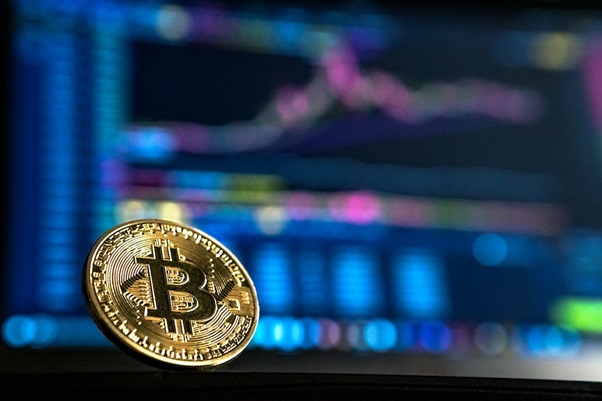
Smart Money from Institutional Investors and Knowledgeable Market Participants is Piling into Bitcoin

0

Bitcoin is attracting the attention of savvy investors who are looking for alternative ways to diversify their portfolios and hedge against inflation. These investors, known as smart money, are typically institutional investors and experienced market participants who have access to more information and resources than the average retail investor.

Smart money is piling into bitcoin because they see it as a scarce and valuable asset that can offer high returns and low correlation with other asset classes. We will explore some of the reasons why smart money is bullish on bitcoin and what this means for the future of the cryptocurrency market.

Bitcoin is attracting the attention of sophisticated investors who are looking for alternative assets to diversify their portfolios and hedge against inflation. These investors, known as smart money, are making strategic bets on the future of the cryptocurrency market and its potential to disrupt the traditional financial system.

Smart money refers to capital investments from institutional investors, such as hedge funds, pension funds, endowments, and sovereign wealth funds, as well as knowledgeable market participants, such as high-net-worth individuals, family offices, and accredited investors. These investors have access to more information, resources, and expertise than the average retail investor, and they often move the market with their large-scale transactions.

According to various sources, smart money is piling into bitcoin in unprecedented amounts. For example, a recent report by Chainalysis, a blockchain analytics firm, revealed that institutional investors purchased over $30 billion worth of bitcoin in 2023, more than triple the amount they bought in 2020. The report also showed that institutional investors accounted for 75% of all bitcoin inflows in 2021, compared to 39% in 2020.

Another indicator of smart money’s interest in bitcoin is the growth of the Grayscale Bitcoin Trust (GBTC), the largest publicly traded bitcoin fund in the world. GBTC allows accredited investors to gain exposure to bitcoin without having to buy, store, or manage the digital asset directly.

As of December 2023, GBTC had over $40 billion in assets under management, representing more than 3% of the total bitcoin supply. The majority of GBTC’s investors are institutional entities, such as hedge funds, asset managers, and family offices.

One of the main reasons why smart money is investing in bitcoin is its scarcity and limited supply. Bitcoin has a fixed cap of 21 million coins, which means that no more than that number can ever be created. This makes bitcoin a deflationary asset that can preserve its value over time, unlike fiat currencies that are subject to inflation and devaluation. Moreover, bitcoin’s supply schedule is predetermined by its algorithm, which reduces the uncertainty and unpredictability that often plague other markets.

Another reason why smart money is bullish on bitcoin is its potential to become a global reserve currency and a store of value. Bitcoin has several advantages over traditional reserve currencies, such as the US dollar and the euro. For instance, bitcoin is decentralized and independent of any central authority or intermediary, which means that it cannot be manipulated or controlled by any government or institution.

Bitcoin is also borderless and universal, which means that it can be used and accepted by anyone, anywhere in the world. Bitcoin is also transparent and verifiable, which means that its transactions and balances can be easily tracked and audited by anyone on the network.

Furthermore, bitcoin has proven to be resilient and adaptable in the face of various challenges and crises. Despite experiencing several cycles of boom and bust, bitcoin has consistently recovered and reached new highs over time.

Bitcoin has also survived numerous attacks, hacks, forks, regulations, bans, and criticisms from skeptics and detractors. Bitcoin has also evolved and improved over time with the development of new technologies and innovations, such as the Lightning Network, Taproot, and Schnorr signatures.

Smart money is piling into bitcoin because they recognize its value proposition and long-term potential. Bitcoin is not only a scarce and deflationary asset that can hedge against inflation and currency devaluation but also a global reserve currency and a store of value that can challenge and transform the existing financial system.

Bitcoin is also a resilient and adaptable asset that can overcome various obstacles and threats while continuing to grow and innovate. As more smart money enters the bitcoin market, we can expect to see more adoption, liquidity, stability, and legitimacy for the cryptocurrency industry.

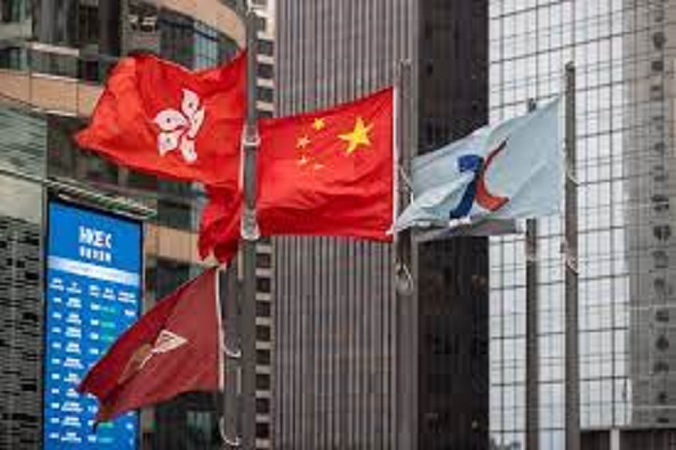
Hong Kong set to approve spot Bitcoin ETFs

0

Hong Kong is poised to become the first major financial hub in Asia to allow Bitcoin exchange-traded funds (ETFs) that use either ‘in-kind’ or ‘cash creates’ methods. This is a significant development for the crypto industry, as it could open up new opportunities for investors and fund managers in the region.

What are ‘in-kind’ and ‘cash creates’ methods?

In simple terms, these are two different ways of creating and redeeming shares of an ETF. An ETF is a type of fund that tracks the performance of an underlying asset, such as Bitcoin, and trades on a stock exchange like a regular stock.

An ‘in-kind’ method means that the ETF issuer and the authorized participant (AP), who is responsible for creating and redeeming ETF shares, exchange the underlying asset directly. For example, if an AP wants to create 100 shares of a Bitcoin ETF, they will deliver 100 Bitcoins to the ETF issuer, and receive 100 ETF shares in return. Similarly, if they want to redeem 100 shares of the ETF, they will return 100 ETF shares to the issuer, and receive 100 Bitcoins back.

A ‘cash create’ method means that the ETF issuer and the AP use cash instead of the underlying asset to create and redeem ETF shares. For example, if an AP wants to create 100 shares of a Bitcoin ETF, they will pay the market value of 100 Bitcoins in cash to the ETF issuer and receive 100 ETF shares in return. Similarly, if they want to redeem 100 shares of the ETF, they will return 100 ETF shares to the issuer, and receive the market value of 100 Bitcoins in cash back.

What are the advantages and disadvantages of each method?

Both methods have their pros and cons, depending on various factors such as liquidity, cost, risk, and regulation. An ‘in-kind’ method can reduce the tracking error of the ETF, which is the difference between the ETF price and the underlying asset price. This is because the ETF issuer does not need to buy or sell the underlying asset in the market, which can incur transaction costs and price slippage.

An ‘in-kind’ method can also reduce the counterparty risk of the ETF, which is the risk that one party fails to fulfill their obligations. This is because the ETF issuer and the AP do not need to rely on intermediaries such as custodians or brokers to handle the underlying asset.

However, an ‘in-kind’ method can also pose some challenges, especially for crypto assets such as Bitcoin. For instance, an ‘in-kind’ method requires that both the ETF issuer and the AP have access to secure and reliable storage facilities for the crypto assets.

This can increase the operational complexity and cost of running an ETF. Moreover, an ‘in-kind’ method may face regulatory hurdles in some jurisdictions, where crypto assets are not recognized as legal tender or securities.

A ‘cash create’ method can overcome some of these challenges, as it does not involve the physical transfer of crypto assets. A ‘cash create’ method can also increase the liquidity of the ETF, as it allows more market participants to create and redeem ETF shares without having to own or handle crypto assets.

Furthermore, a ‘cash create’ method may be more compatible with existing regulatory frameworks, as it does not require any changes in the legal status or treatment of crypto assets.

However, a ‘cash create’ method can also introduce some drawbacks, such as higher tracking error and counterparty risk. A ‘cash create’ method can increase the tracking error of the ETF, as it exposes the ETF issuer to market fluctuations when buying or selling crypto assets in order to match the demand and supply of ETF shares.

A ‘cash create’ method can also increase the counterparty risk of the ETF, as it depends on more intermediaries such as custodians or brokers to facilitate the cash transactions.

Why is Hong Kong allowing both methods?

According to a recent report by Bloomberg, Hong Kong’s Securities and Futures Commission (SFC) is set to approve spot Bitcoin ETFs that use either ‘in-kind’ or ‘cash creates’ methods by early next year. The report cites unnamed sources who claim that the SFC has been in talks with potential issuers and has been receptive to both methods.

The SFC has not officially confirmed or denied this report, but it has previously indicated its openness to regulating crypto products under its existing rules. In November 2018, the SFC issued a statement outlining a new regulatory framework for virtual asset portfolio managers, fund distributors, and trading platforms. The statement also mentioned that some virtual asset funds may be authorized as collective investment schemes under its existing regime.

By allowing both methods for spot Bitcoin ETFs, Hong Kong may be aiming to strike a balance between innovation and regulation in its crypto market. By offering more choices for investors and fund managers, Hong Kong may be able to attract more capital and talent to its crypto industry. By imposing strict requirements and oversight on the ETF issuers and APs, Hong Kong may be able to ensure the safety and soundness of its crypto market.

What are the implications for the global crypto industry?

If Hong Kong approves spot Bitcoin ETFs that use either ‘in-kind’ or ‘cash creates’ methods, it could have significant implications for the global crypto industry. Hong Kong is one of the largest and most influential financial centers in Asia, and its regulatory stance could influence other jurisdictions in the region and beyond.

Hong Kong’s move could also put more pressure on the US Securities and Exchange Commission (SEC), which has so far rejected or delayed several applications for spot Bitcoin ETFs. The SEC has expressed concerns about the market manipulation, fraud, and custody issues associated with crypto assets. The SEC has only approved Bitcoin futures ETFs, which track the price of Bitcoin futures contracts rather than the actual Bitcoin.

However, some industry experts and advocates argue that spot Bitcoin ETFs are more beneficial for investors and the crypto market, as they provide more direct exposure to Bitcoin and reduce the reliance on third-party intermediaries. They also point out that other countries such as Canada, Brazil, and Germany have already approved spot Bitcoin ETFs without any major issues.

Therefore, Hong Kong’s approval of spot Bitcoin ETFs that use either ‘in-kind’ or ‘cash creates’ methods could set a new precedent and standard for the global crypto industry, and potentially pave the way for more widespread adoption and acceptance of crypto assets.