DD
MM
YYYY

PAGES

DD
MM
YYYY

spot_img

PAGES

Home Blog Page 3889

Nigeria’s Riverside LNG in Talks to Fuel South Africa’s Energy Future

0

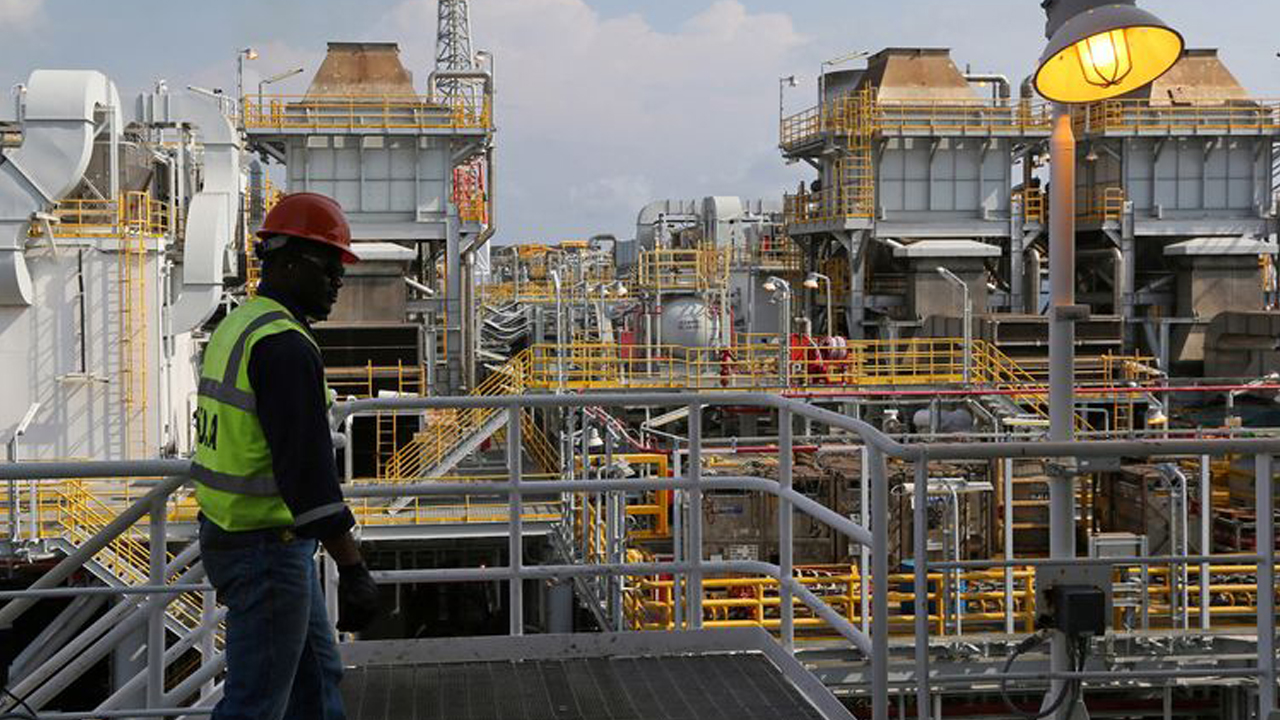
In a pivotal move set to reshape the energy industry across continents, Nigeria-based Riverside LNG is on the brink of sealing a landmark gas supply deal with South Africa. Bloomberg’s report on Wednesday unveiled the groundbreaking negotiations between the two countries, marking a potential first-time agreement in gas trade.

David Ige, the Chief Executive Officer of Riverside LNG and a distinguished figure recognized for spearheading Nigeria’s Gas Master Plan disclosed the imminent deal during an exclusive interview held in Abuja. The company, in alliance with Johannes Schuetze Energy Import AG from Germany, previously inked a gas-export partnership, sparking ambitions to explore diverse markets, particularly in Africa.

“South Africa currently doesn’t have a facility to receive LNG. Deliveries from the project won’t start until 2027, so there’s “enough time for import terminal infrastructure,” Ige said.

“We’d probably very early in the year close out another segment of the market, an off-take for South Africa,” he added, emphasizing the burgeoning gas market’s evolution within a radius of 3,000 nautical miles from Nigeria, spanning Southern and Western Africa to Northwest Europe, the Caribbean, and South America.

While withholding specifics due to confidentiality constraints, Ige hinted at parallel negotiations in Liberia and Cameroon, showcasing Riverside LNG’s overarching strategy to expand its gas footprint across the continent.

South Africa’s pressing energy challenges, marked by chronic power outages due to aging infrastructure and operational setbacks at Eskom Holdings SOC Ltd., have underscored the urgency for alternative energy sources. Riverside LNG’s proposed gas deliveries, slated to commence in 2027, coincide with South Africa’s quest to diversify its energy mix, eyeing renewable sources to meet 60 gigawatts of power needs by 2030.

A collaborative report by BloombergNEF and Bloomberg Philanthropies endorsed the integration of battery storage and flexible gas plants to bolster the nation’s power supply, aligning with the 16-member Southern African Development Community’s (SADC) $17 billion natural gas infrastructure plan. This blueprint aims to fortify energy resources through substantial investments in pipelines and terminals, garnering support for gas adoption among member nations.

“We see a huge opportunity for Nigeria in being a trading hub,” asserted Ige, highlighting Nigeria’s ambition to position itself as a pivotal player in the regional gas trade. Despite Nigeria’s status as a global gas reserves powerhouse, inadequate investments in infrastructure have curtailed its ability to harness the full potential of its gas reserves, creating a deficit in transportation infrastructure.

With Nigeria’s proclamation of “the decade of gas,” aiming to elevate gas prominence in its energy mix and exports by 2030, the country’s vast reserves totaling 209.5 trillion cubic feet position it as Africa’s foremost gas repository. However, challenges persist, including theft on pipelines—a critical issue causing disruptions and environmental hazards, as highlighted by Nnamdi Anowi, Nigeria LNG’s general manager.

Riverside LNG’s recent ventures, including a $500 million gas export deal with Johannes Scheutze Energy Import AG and collaborative agreements involving NNPC Limited, UTM Offshore, Delta State, and Wison Heavy Industry, reflect Nigeria’s concerted efforts to optimize its gas potential.

Challenges and Drawbacks: A Closer Look

While Riverside LNG’s potential gas supply deal with South Africa heralds a new era in transcontinental energy partnerships, Nigeria grapples with multifaceted hurdles hindering the full exploitation of its abundant gas reserves.

Infrastructure Deficiency and Pipeline Theft: Despite Nigeria’s distinction as a global gas reserves powerhouse, insufficient investments in infrastructure have stymied efforts to harness its full potential. The deficit in transportation infrastructure, coupled with pipeline theft, emerges as a critical bottleneck. Nnamdi Anowi’s revelation of pipeline theft causing disruptions and environmental hazards underscores the persistent challenges faced by industry players.

Flared Gas: Revenue Loss and Environmental Impact: The practice of gas flaring in Nigeria poses a significant conundrum. The magnitude of flared gas has contributed to substantial revenue losses, environmental degradation, and health risks in host communities. Over the past decade, Nigeria has witnessed an alarming 80 billion standard cubic meters of gas flaring, equivalent to a staggering N9 trillion in lost revenues. This has not only compromised revenue potential but also perpetuated health and environmental hazards in localities adjacent to gas-producing facilities.

Regulatory and Operational Issues: Moreover, regulatory and operational constraints have impeded optimal gas production. Riverside LNG’s trains operating at half capacity, attributed to limited gas supply from upstream companies, exemplify the systemic challenges plaguing the industry. The delays and setbacks in full-scale operations hinder the realization of Nigeria’s aspirations to emerge as a top-tier gas-producing nation.

Environmental and Community Concerns: The ramifications of gas production transcend economic aspects, with concerns revolving around the volume and impact of flared gas on host communities. Environmental hazards and health risks faced by these communities due to gas flaring highlight the urgency for effective measures to mitigate the fallout.
India to ban URLs of 9 Crypto Exchanges, as PancakeSwap Proposes to reduce CAKE Token Supply

0

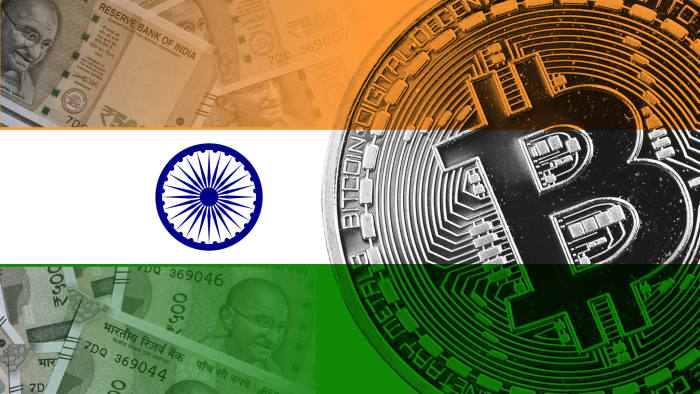
The Indian government has reportedly decided to ban nine cryptocurrency exchange websites, citing concerns over money laundering, tax evasion and cybercrime.

The move comes amid a global crackdown on the crypto industry, as regulators and lawmakers seek to impose more oversight and control over the volatile and unregulated sector.

According to sources quoted by the Economic Times, the Ministry of Electronics and Information Technology (MeitY) has issued a notice to the Department of Telecommunications (DoT) to block access to the following websites:

  • Binance.com
  • WazirX.com
  • CoinDCX.com
  • ZebPay.com
  • Unocoin.com
  • Bitbns.com
  • CoinSwitch.co
  • Giottus.com
  • Pocketbits.in

The notice reportedly states that these websites are “engaged in activities which are prejudicial to sovereignty and integrity of India, defence of India, security of state and public order”.

It also claims that these websites are facilitating transactions in cryptocurrencies that are “not legal tender in India” and are “used for illicit and illegal activities in anonymous/pseudonymous systems that encourage money laundering and other criminal activities”.

The notice further alleges that these websites are violating the provisions of the Information Technology Act, 2000, the Prevention of Money Laundering Act, 2002, the Income Tax Act, 1961, and the Foreign Exchange Management Act, 1999.

The ban is expected to affect millions of crypto investors and traders in India, who have been using these platforms to buy, sell and store various digital assets. The crypto industry in India has been facing uncertainty and confusion for years, as the government has repeatedly flip-flopped on its stance towards cryptocurrencies.

In 2018, the Reserve Bank of India (RBI) issued a circular that prohibited banks and other financial institutions from providing services to crypto-related entities. However, in 2020, the Supreme Court of India quashed the circular, ruling that it was unconstitutional and disproportionate.

Since then, the crypto industry has witnessed a surge in growth and adoption, as more Indians have embraced cryptocurrencies as an alternative asset class and a hedge against inflation.

However, the government has also been mulling over a draft bill that proposes to ban all private cryptocurrencies in India, except for a digital rupee issued by the RBI. The bill, which was first introduced in 2019, has not been tabled in the parliament yet, but has sparked fear and anxiety among the crypto community. The government has also not clarified its definition of “private cryptocurrencies” and whether it would include popular coins like Bitcoin and Ethereum.

The latest move to block access to crypto exchange websites is seen as another attempt by the government to curb the crypto industry and discourage its use among Indians. However, some experts and industry players have argued that such a ban would be ineffective and counterproductive, as it would only drive crypto users to more decentralized and peer-to-peer platforms that are harder to regulate and monitor.

They have also urged the government to adopt a more progressive and consultative approach towards cryptocurrencies, and to recognize their potential benefits for innovation, financial inclusion and economic growth. They have called for a clear and comprehensive legal framework that would protect the rights and interests of crypto users, while also addressing the legitimate concerns of the authorities.

PancakeSwap proposes to reduce CAKE token supply by 300M

In a recent blog post, PancakeSwap, the leading decentralized exchange (DEX) on the Binance Smart Chain (BSC), announced its proposal to reduce the total supply of its native token, CAKE, by 300 million. The proposal, which is subject to a community vote, aims to address the inflationary pressure on CAKE and increase its long-term value and sustainability.

According to the blog post, the current total supply of CAKE is 1.6 billion, with a maximum supply of 1.8 billion. However, due to the high emission rate of CAKE, which is currently 40 CAKE per block, the maximum supply will be reached in less than a year. This poses a challenge for the future growth and development of PancakeSwap, as well as the security and stability of the platform.

As of December 27th, 2023, the live price of CAKE is $3.400887 with a market cap of $905.25M USD. The current total supply of CAKE is 1.6 billion, with a maximum supply of 1.8 billion. However, due to the high emission rate of CAKE, which is currently 40 CAKE per block, the maximum supply will be reached in less than a year. This poses a challenge for the future growth and development of PancakeSwap, as well as the security and stability of the platform.

To solve this problem, PancakeSwap proposes to burn 300 million CAKE from the treasury, which currently holds about 400 million CAKE. This would reduce the total supply to 1.3 billion and the maximum supply to 1.5 billion. The proposal also suggests lowering the emission rate of CAKE to 25 CAKE per block, which would extend the lifespan of the token by more than two years.

The blog post claims that this proposal would benefit both the platform and the token holders in several ways. First, it would reduce the inflation rate of CAKE and increase its scarcity and demand. Second, it would create more room for future growth and innovation on PancakeSwap, as well as more incentives for liquidity providers and stakers. Third, it would enhance the security and decentralization of the platform by reducing the influence of the treasury and increasing the participation of the community.

The proposal is open for discussion and feedback from the PancakeSwap community until January 10th, 2024. After that, a snapshot vote will be held to determine whether to implement the proposal or not. The blog post encourages all CAKE holders to voice their opinions and vote on this important matter.

PancakeSwap is one of the most popular and successful DEXes on BSC, with over $8 billion in total value locked (TVL) and over 2 million daily transactions. It offers various features and services, such as swapping, farming, staking, lottery, prediction market, NFTs, and more. CAKE is the governance and utility token of PancakeSwap, which can be used to vote on proposals, earn rewards, access exclusive features, and participate in various activities on the platform.

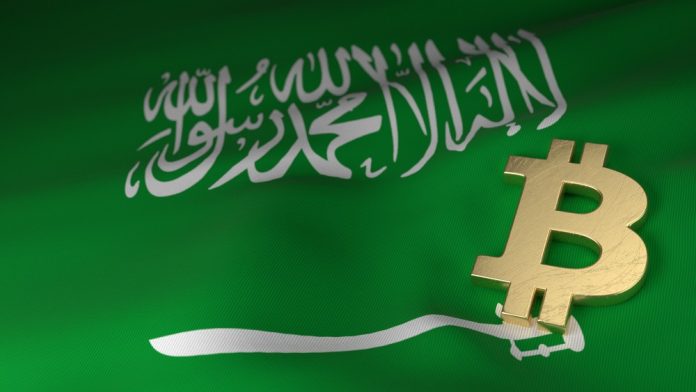
Saudi Arabian Salafic cleric writes a Fatwa deeming Bitcoin acceptable under Islam

0

Bitcoin, the decentralized digital currency that has taken the world by storm, has been a subject of debate among Muslim scholars and jurists. Some have argued that Bitcoin is haram (forbidden) because it is not backed by a tangible asset, it is subject to speculation and volatility, and it can be used for illicit activities.

Others have claimed that Bitcoin is halal (permissible) because it is a form of money that can facilitate trade, it is based on a transparent and consensus-based system, and it can empower the poor and oppressed.

A Saudi Cleric’s View on Cryptocurrency

One of the most influential voices in favor of Bitcoin is Sheikh Abdullah bin Sulaiman al-Manea, a 90-year-old Saudi Arabian Salafic cleric who is a member of the Council of Senior Scholars, the highest religious authority in the kingdom.

Sheikh al-Manea issued a fatwa (a legal opinion or ruling) in 2018, deeming Bitcoin acceptable under Islam. In his fatwa, he addressed some of the common objections and misconceptions about Bitcoin and explained why he considers it to be a valid form of currency.

First, he argued that Bitcoin is not a mere illusion or a virtual entity, but rather a real asset that has value and utility. He compared Bitcoin to gold and silver, which are also scarce and fungible commodities that are accepted as money by people. He said that Bitcoin is similar to gold and silver in that it can be mined, exchanged, and stored.

He also said that Bitcoin is different from fiat currencies, which are issued by governments and can be manipulated and devalued. He said that Bitcoin is more trustworthy and stable than fiat currencies, because it is governed by mathematical rules and algorithms that ensure its limited supply and prevent inflation.

Second, he argued that Bitcoin is not a form of gambling or speculation, but rather a form of investment and saving. He said that Bitcoin is not like conventional stocks or bonds, which are based on the performance of companies or governments. He said that Bitcoin is based on the demand and supply of the market, which reflects the preferences and needs of the people.

He said that Bitcoin is not subject to artificial manipulation or interference, but rather follows the natural laws of economics. He said that Bitcoin is not a zero-sum game, where one party’s gain is another party’s loss, but rather a positive-sum game, where everyone can benefit from its growth and development.

Third, he argued that Bitcoin is not a tool for corruption or crime, but rather a tool for justice and freedom. He said that Bitcoin is not like conventional money, which can be traced and controlled by authorities. He said that Bitcoin is anonymous and decentralized, which protects the privacy and sovereignty of its users.

He said that Bitcoin is not a means for money laundering or terrorism financing, but rather a means for charity and zakat (almsgiving). He said that Bitcoin can help the poor and oppressed to escape from poverty and oppression, by giving them access to a global and borderless financial system.

Sheikh al-Manea stated that he does not see any reason to prohibit or discourage Muslims from using Bitcoin, as long as they do so with good intentions and follow the ethical principles of Islam. He said that he believes that Bitcoin is a blessing from Allah, who has created everything for the benefit of mankind. He said that he hopes that Muslims will embrace Bitcoin as a way to enhance their economic and social well-being, and to contribute to the advancement of humanity.

Egypt-Based VC Firm T-Vencubator Launches Operations to Invest in Local Startups

0

Egyptian tech-focused Venture Capital (VC) firm T-Vencubator, has launched operations with the aim to support the growth of local startups in Egypt.

As the first Egyptian Tech Venture Capital and Incubator, T-Vencubator seeks to invest solely in Egyptian startups with a vision to digitize the nation and address the daily challenges faced by its citizens.

The VC firm offers ‘Vencubation’, a unique blend of Venture Capital and Incubation, dedicated to solving everyday challenges through tech-driven solutions.

Speaking on its launch, T-Vencubator CEO Reem Safy said,

“We believe that technology will solve a lot of Egypt’s problems. We’re not just putting money into startups, we are investing in exceptional talents that are shaping the future of Egypt”.

Also speaking, Head of Growth and Marketing in T-Vencubator Hazel El Samra said,

“The “T” in T-Vencubator signifies our core values, which are tomorrow, togetherness, technology, transformation, and talents. We are paving the way for a brighter and more progressive Egypt”.

T-Vencubator is dedicated to reshaping Egypt’s future by fostering local innovation and providing a platform for startups to thrive. The company’s mission is anchored in solving everyday problems through technology, leveraging its unique position as the first Egyptian Tech Vencubator while doing that in a unique style rooted in Egyptian culture.

The launch of T-Vencubator is in alignment with Egypt’s Ministry of Communications and Information Technology (MCIT) Vision 2030, on its digital transformation strategy, to build a Digital Egypt.

It is interesting to note that in the heart of Egypt, digitalization has taken off in recent years. There has been growing awareness and prioritization in the country, realizing the benefits resulting from the power of technology and innovation.

The government has formulated digital transformation frameworks within Vision 2030 and is moving towards digitalization across major regional industries. The government has also developed two key initiatives namely ICT Strategy 2030 and Digital Egypt, an all-encompassing plan to build the nation’s digital economy, to aid this digitalization drive.

With an increased rate of technological digital transformation in Egypt, it will bring about unprecedented opportunities to accelerate the achievement of all 17 SDGs.

Also, it will increase efficiency, productivity, competitiveness, promote innovation, allow delivering dynamic and responsive public services, and support informative decision-making through data-driven insights.

Egypt has in the past few years been gearing towards becoming a hub for entrepreneurship and innovation, thereby attracting local and foreign investors, accelerators, and incubators. The country’s quest for significant digital transformation, offers immense potential for economic growth, as well as for delivering social and public services more efficiently and inclusively.

When this is achieved, it will hold great promise for the country, thereby empowering its citizens to take advantage of technology and thrive in the digital age.

ARK Invest bought 4.3 million shares of ProShares Bitcoin Strategy ETF (BITO), as Solana volume passes $BTC and $ETH

0

ARK Invest, the leading investment firm in disruptive innovation, has made a significant move in the cryptocurrency space. The firm has purchased 4.3 million shares of ProShares Bitcoin Strategy ETF (BITO), the first bitcoin futures exchange-traded fund in the US, according to its daily trade report.

This comes after ARK Invest sold its remaining holdings of the Grayscale Bitcoin Trust (GBTC), the largest bitcoin fund in the world, earlier this week.

The decision to switch from GBTC to BITO reflects ARK Invest’s confidence in the new ETF, which offers exposure to bitcoin price movements without the need to hold or store the digital asset directly. BITO tracks the performance of bitcoin futures contracts traded on the Chicago Mercantile Exchange (CME), which are regulated by the Commodity Futures Trading Commission (CFTC).

GBTC, on the other hand, is a trust that holds actual bitcoins in a cold storage but charges a high annual fee of 2% and often trades at a significant premium or discount to its net asset value.

By investing in BITO, ARK Invest is betting on the growing adoption and institutionalization of bitcoin as an alternative asset class. The firm has been vocal about its bullish outlook on bitcoin, which it considers to be a form of digital gold and a hedge against inflation.

ARK Invest’s founder and CEO, Cathie Wood, has repeatedly stated that she expects bitcoin to reach $500,000 in the long term. She has also expressed her support for a bitcoin ETF, which she believes will lower the barriers to entry and increase the liquidity and transparency of the market.

ARK Invest is not the only one to embrace BITO, which has seen a strong demand since its launch on October 19. The ETF has attracted more than $1 billion in assets under management in its first week of trading, making it one of the most successful ETF debuts in history.

The popularity of BITO also indicates that investors are willing to accept the risks and costs associated with bitcoin futures, such as contango, rollover and margin requirements, in exchange for a more convenient and accessible way to gain exposure to bitcoin.

The emergence of BITO and other similar products could also pave the way for a spot bitcoin ETF, which would track the actual price of bitcoin rather than its futures contracts. However, such an ETF would require the approval of the Securities and Exchange Commission (SEC), which has so far rejected or delayed several applications due to concerns over market manipulation, fraud and custody issues.

The SEC’s chairman, Gary Gensler, has signaled that he is more open to a futures-based bitcoin ETF than a spot one, but he has also warned investors about the potential volatility and complexity of these products.

As the cryptocurrency landscape evolves, ARK Invest is likely to continue to adjust its portfolio accordingly. The firm is known for its active and thematic approach to investing, focusing on disruptive technologies such as artificial intelligence, biotechnology, fintech and blockchain.

ARK Invest currently offers five actively managed ETFs, two index ETFs and four actively managed mutual funds, as well as a research platform and a podcast series. The firm has over $50 billion in assets under management as of October 2023.

Solana volume passes $BTC and $ETH and bull run has not even started

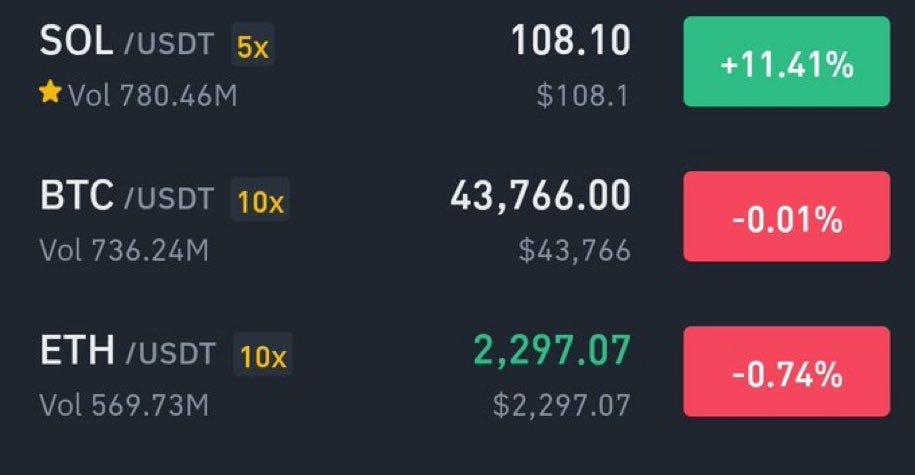
Solana, the high-performance blockchain platform that aims to scale crypto to the masses, has been making waves in the crypto space recently. According to data from Binance spot trading volume, Solana’s daily trading volume surpassed that of Bitcoin and Ethereum on December 25, 2023, reaching a record high of $86.4 billion. This is a remarkable feat for a relatively new project that launched its mainnet in March 2020.

What is driving Solana’s explosive growth? One of the main factors is its innovative design that enables fast, low-cost and secure transactions without sacrificing decentralization. Solana claims to achieve over 50,000 transactions per second (TPS) with sub-second finality and fees as low as $0.00001 per transaction.

This is possible thanks to Solana’s unique features such as Proof of History (PoH), a novel consensus mechanism that uses a verifiable source of time to order events on the network; Turbine, a block propagation protocol that breaks data into smaller packets for faster transmission; and Sealevel, a parallel smart contract execution engine that optimizes resource utilization.

Another factor is Solana’s vibrant ecosystem of developers, users and investors who are building and supporting various applications and projects on the platform. Solana hosts some of the most popular and innovative decentralized applications (DApps) in the crypto space, such as Serum, a decentralized exchange (DEX) that leverages Solana’s speed and liquidity to offer a superior trading experience.

Audius, a decentralized music streaming service that empowers artists and listeners; and Metaplex, a platform that enables creators to launch their own non-fungible token (NFT) marketplaces. Solana also has a strong community of supporters who participate in its governance, staking and validation processes. According to Staking Rewards, Solana has over 960 validators and over 74% of its total supply staked, indicating a high level of security and confidence in the network.

The most exciting part is that Solana is still in its early stages of development and adoption. The project has a roadmap that outlines its future plans and goals, such as implementing sharding, improving cross-chain interoperability, and launching more DApps and DeFi protocols.

Solana also has a growing list of strategic partners and investors who are backing its vision and providing resources and expertise. Some of the notable names include Alameda Research, Multicoin Capital, Coinbase Ventures, Jump Trading, OKEx, Huobi, Binance and many more.

Solana is clearly one of the most promising and disruptive projects in the crypto space today. It has proven its ability to compete with the leading platforms in terms of performance, scalability and innovation. It has also demonstrated its potential to attract and retain a large and diverse user base across various sectors and use cases.

Solana is not just another blockchain platform; it is a game-changer that is reshaping the future of crypto and beyond. And the best part is that the bull run has not even started yet.