DD
MM
YYYY

PAGES

DD
MM
YYYY

spot_img

PAGES

Home Blog Page 3891

UBA Receives $175M financial package from African Development Bank Group

0

The African Development Bank Group (AfDB) has approved a $175 million financial package for the United Bank of Africa (UBA), one of the largest banking groups in Africa. The package consists of a $150 million line of credit and a $25 million trade finance line of credit, which will support UBA’s operations in 20 African countries, where it provides banking services to over 18 million customers.

The African Development Bank (AfDB) has announced a $1.4 billion financing package for the development of industrial parks and special economic zones in Ethiopia. The package aligns with its High 5 priorities, especially “Industrialize Africa”, which aims to transform the continent’s economies through industrialization and value addition.

The package consists of two loans: a $1 billion sovereign-backed loan to the government of Ethiopia and a $400 million private sector loan to the Eastern and Southern Africa Trade and Development Bank (TDB). The loans will support the construction and operation of four industrial parks and two special economic zones, which are expected to create over 200,000 direct and indirect jobs, increase exports, and attract foreign direct investment.

The industrial parks and special economic zones will also promote the development of local industries, especially in the textile, garment, leather, and agro-processing sectors. The AfDB said that the package is part of its strategy to support Ethiopia’s economic recovery and resilience in the aftermath of the COVID-19 pandemic. The package will also contribute to the implementation of the African Continental Free Trade Area (AfCFTA), which aims to create a single market for goods and services in Africa.

The financial package will help UBA to expand its lending capacity to small and medium enterprises (SMEs), as well as to key sectors such as agriculture, health, education, and infrastructure. It will also enable UBA to increase its trade finance activities, which are essential for facilitating regional integration and boosting intra-African trade.

The AfDB said that the package aligns with its High 5 priorities, especially “Industrialize Africa”, “Feed Africa”, and “Light up and Power Africa”. The package also supports the Bank’s Ten-Year Strategy and Financial Sector Development Policy and Strategy.

The AfDB’s Director of Financial Sector Development, Stefan Nalletamby, said: “We are delighted to support UBA’s growth strategy, which aims to consolidate its position as a leading pan-African financial institution and contribute to the economic and social development of the continent. This operation is aligned with the AfDB’s High 5 priorities, especially ‘Industrialize Africa’, ‘Feed Africa’, and ‘Integrate Africa’.”

By providing long-term funding in local and foreign currencies, we are helping UBA increase its outreach to SMEs and corporates, thereby contributing to job creation and income generation.

The UBA’s Group Managing Director and CEO, Kennedy Uzoka, expressed his appreciation for the AfDB’s support, saying: “This partnership reaffirms the strong relationship between the AfDB and UBA, and also underscores the bank’s commitment to Africa’s development. The financial package will enhance our capacity to serve our customers across Africa and beyond, while also supporting the AfDB’s vision of transforming Africa through trade.”

This facility will enable us to further diversify our funding sources, strengthen our balance sheet, and enhance our capacity to serve our customers across Africa and beyond. We remain committed to driving the economic development of Africa through innovation, customer-centricity, and best-in-class service delivery.”

The package will help SMEs and corporates by providing them with access to affordable and long-term financing, which is often scarce in many African countries. This will enable them to invest in their businesses, expand their operations, create more jobs, and increase their productivity and competitiveness. The package will also support UBA’s efforts to promote financial inclusion and digital banking solutions for its customers.

Futures Market, Traders Betting on Higher Prices Lost Over $190M to Liquidations

0

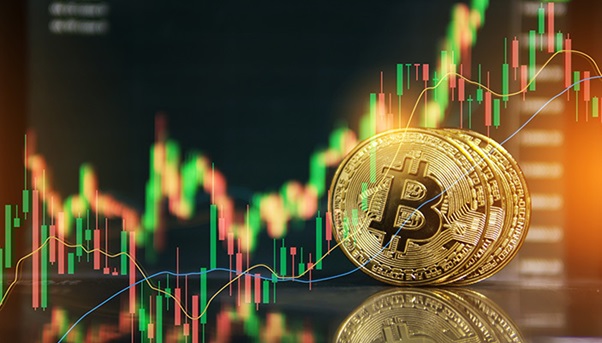
The recent volatility in the bitcoin market has been a costly lesson for some futures traders who were betting on a bullish scenario. According to data from Bybt, a cryptocurrency derivatives data provider, more than $190 million worth of long positions were liquidated in the past 24 hours as bitcoin dipped below $43,000 at one point.

Liquidations occur when the market moves against a trader’s position and the exchange automatically closes the trade to prevent further losses. This can create a cascading effect as more liquidations trigger more selling pressure, which in turn leads to more liquidations.

Bitcoin futures are contracts that allow traders to speculate on the future price of bitcoin without owning the underlying asset. Traders can use leverage to amplify their gains or losses, depending on the direction of the market. Leverage is the ratio of the trader’s own funds to the borrowed funds from the exchange.

For example, if a trader uses 10x leverage to open a long position worth $100,000, they only need to deposit $10,000 as margin. However, if the price of bitcoin drops by 10%, the trader will lose their entire margin and get liquidated.

The liquidation price is the price at which the exchange closes the trade and takes the margin. The higher the leverage, the closer the liquidation price is to the entry price. Therefore, using high leverage increases the risk of getting liquidated by small price movements.

Traders of Solana’s SOL tokens took on nearly $20 million in losses.

Solana, the blockchain platform that claims to offer fast, scalable and low-cost transactions, has been hit by a wave of liquidations in the past week. According to data from Bybt, a crypto derivatives analytics platform, traders of Solana’s SOL tokens took on nearly $20 million in losses as the price of the token plunged from its all-time high of $120 on December 19 to below $113 on December 23.

One of the main reasons for the drop in SOL’s price was the overall bearish sentiment in the crypto market, triggered by a combination of regulatory uncertainty, macroeconomic worries and profit-taking. As Bitcoin, the leading cryptocurrency, fell below $43,000 and dragged down most of the altcoins with it, Solana was not immune to the downward pressure.

Another factor that contributed to the decline was the technical issues that Solana faced on December 19, when its network experienced a temporary outage due to a surge in transaction volume. The incident, which lasted for about six hours, caused some users to lose access to their funds and some validators to miss their rewards. Although the Solana team quickly resolved the issue and restored normal operations, the event raised some doubts about Solana’s scalability and reliability.

A third factor that may have influenced the market sentiment was the competition from other blockchain platforms that are vying for a share of the fast-growing decentralized finance (DeFi) and non-fungible token (NFT) sectors. Solana has been one of the most popular destinations for DeFi and NFT projects, thanks to its high throughput and low fees. However, it also faces challenges from rivals such as Ethereum, Binance Smart Chain, Avalanche and Polygon, which are constantly improving their performance and attracting new users and developers.

Despite the recent setback, Solana still has a lot of potential to grow and innovate in the crypto space. The platform boasts a strong community of supporters, a robust developer ecosystem and a pipeline of exciting projects. Moreover, Solana has a unique value proposition that sets it apart from other blockchains: its Proof-of-History (PoH) consensus mechanism, which enables it to achieve high speed and security without compromising decentralization.

Bitcoin futures traders should be aware of the risks and rewards of using leverage and have a clear strategy to manage their positions. They should also monitor the market conditions and adjust their leverage accordingly. Some factors that can affect the bitcoin price include supply and demand, news and events, sentiment and psychology, and technical analysis.

As the crypto market recovers from the correction and enters a new cycle of growth, Solana may regain its momentum and resume its upward trajectory. However, it will also have to overcome some of the challenges that it faces, such as improving its network stability, enhancing its user experience and expanding its adoption. Solana is still a young and evolving project that has a lot of room for improvement and innovation.

Ondo State Governor Rotimi Akeredolu Succumbs to Prostate Cancer at 67

0

Ondo State Governor Rotimi Akeredolu has passed away at the age of 67 after battling prostate cancer. The sad news was confirmed by the state Information and Orientation Commissioner, Mrs. Bamidele Ademola-Olateju, in a statement released today in Akure, the state capital.

According to Ademola-Olateju, Governor Akeredolu peacefully departed in the early hours of Wednesday, December 27, 2023, while undergoing medical treatment in Germany. The governor succumbed to complications arising from protracted prostate cancer.

“Mr Governor peacefully departed from this world in the early hours of today, Wednesday, December 27, 2023,” the commissioner said.

“This tragedy has left behind a profound void in our hearts. Governor Akeredolu answered the eternal call while receiving medical treatment in Germany. He succumbed to complications arising from protracted prostate cancer.”

A brief story background

The late Akeredolu, a Senior Advocate of Nigeria (SAN) and former president of the Nigerian Bar Association (NBA) secured his re-election as the governor of Ondo State in October 2020 and was sworn in for a second term in February 2021.

Having returned to Nigeria in September after a three-month medical leave in Germany, the governor recently took another leave as directed by President Bola Tinubu, during which he handed over power to his deputy, Lucky Aiyedatiwa.

His deputy, Aiyedatiwa, has been serving as Acting Governor during Akeredolu’s medical absences.

Akeredolu’s health struggles led to public outcry when he attempted to govern the state from Ibadan, Oyo State, after his return to Nigeria in September. On July 9, his wife, Betty, announced the suspension of her 70th birthday celebration activities due to unforeseen circumstances related to her husband’s health.

“Hello Family and Friends. This is to inform you that all activities lined up to mark my 70th birthday are hereby suspended till further notice due to unforeseen circumstances beyond my control. Sorry for any inconvenience caused by this development,” raising concerns about the severity of the governor’s health.

The late governor’s political journey saw him emerge as the winner of the Ondo State governorship election in 2016, defeating rivals Eyitayo Jegede of the Peoples Democratic Party (PDP) and Olusola Oke of the Alliance for Democracy (AD). He was re-elected in 2020 after securing victory against PDP’s Eyitayo Jegede and Agboola Ajayi of the Zenith Labour Party.

Akeredolu officially transferred power to Aiyedatiwa in June 2023, initiating a 21-day medical leave in Germany. However, the leave was later extended indefinitely as he continued to receive treatment.

The untimely death of Governor Akeredolu adds to the list of Nigerian governors who have passed away since 1999. Notable names include Patrick Ibrahim Yakowa (2010-2012) of Kaduna State and Mamman Bello Ali (2007-2009) of Yobe State.

The question of a better healthcare system

The issue of healthcare and the tendency of public officials, including governors, to seek medical treatment abroad, have raised concerns about the commitment to improving healthcare within Nigeria.

Notably, in their fight to live, only Yakowa who died in a helicopter crash did not seek medical treatment abroad – raising the question about governors’ commitment to improve healthcare in their various states.

In his seven years in office, Governor Akeredolu faced criticism for not undertaking significant efforts to build or upgrade healthcare facilities to a standard suitable for use by public officeholders. This inadequacy is unfortunately a prevalent issue in many states across the country, including the Federal Capital Territory.

The situation is exemplified by former President Muhammadu Buhari, who spent more than 100 days receiving medical care in a London hospital, despite earlier promises to curtail medical tourism for government officials within Nigeria during his campaign.

This prevailing backdrop has led to a noticeable surge in untimely deaths resulting from preventable and treatable diseases in Nigeria. Furthermore, it has compelled a considerable number of medical professionals to seek better working conditions abroad, contributing to a significant brain drain in the nation’s healthcare sector.

The healthcare question in Nigeria remains a pressing concern, underlining the need for substantial improvements in infrastructure, medical facilities, and overall healthcare delivery within the country. The choices made by public officials regarding their own healthcare reflect the state of the healthcare system in Nigeria.

Mega Banks will follow JP Morgan’s Lead, and Invest in Technology and Cut Costs

0
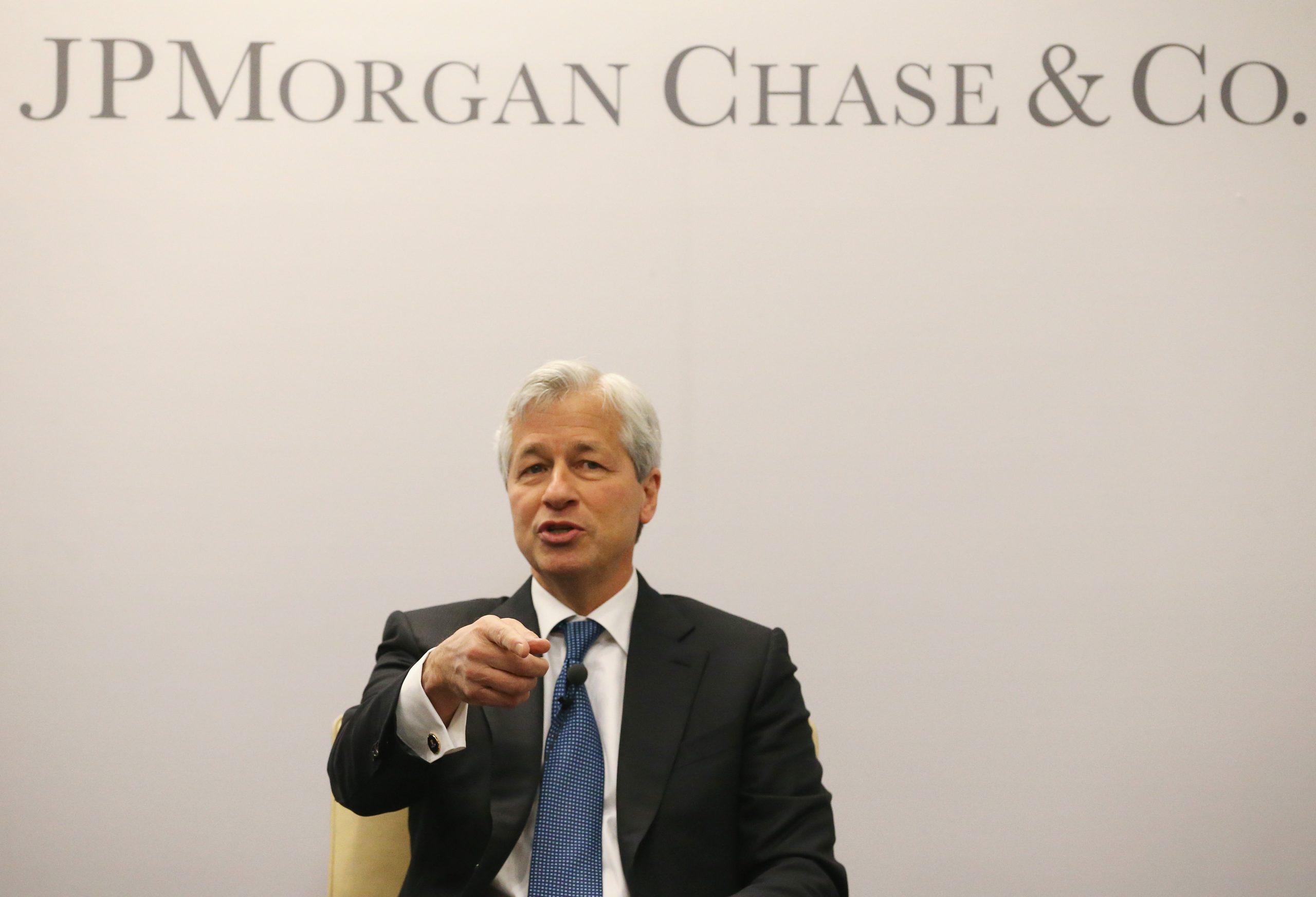
JP Morgan Chase puts contents through its CEO account, it goes viral. But the same content via JPMC account, no one cares (WSJ)

Banks will follow Dimon’s lead and do two things: invest in technology and cut costs. That’s the main takeaway from the latest earnings report of JPMorgan Chase, the largest U.S. bank by assets. The bank posted a record profit of $14.3 billion in the fourth quarter of 2023, beating analysts’ expectations and showing resilience amid the ongoing pandemic and economic uncertainty.

One of the key drivers of JPMorgan’s success was its strong performance in digital banking, which saw a 25% increase in active mobile customers and a 40% growth in digital account openings compared to the same period last year. The bank also invested heavily in artificial intelligence, cloud computing, cybersecurity and blockchain, aiming to enhance its customer experience, operational efficiency and innovation capabilities.

For example, the bank launched a new AI-powered chatbot that can handle more than 120 types of customer inquiries, a cloud-based platform that can process millions of transactions per second, and a blockchain network that can facilitate cross-border payments and trade finance.

Another factor that boosted JPMorgan’s bottom line was its aggressive cost-cutting strategy, which involved closing hundreds of branches, reducing headcount and streamlining its business units. The bank reported a 12% decline in noninterest expenses, saving $4.2 billion in the fourth quarter. The bank also benefited from lower loan-loss provisions, as it released $2.9 billion of reserves that it had set aside for potential credit losses.

These measures helped the bank improve its efficiency ratio which measures how much it costs to generate a dollar of revenue, from 58% to 53%. According to Investopedia, an efficiency ratio is calculated by dividing a bank’s non-interest expenses by its net revenues. A lower efficiency ratio means that a bank is spending less to generate every dollar of income. An optimal efficiency ratio is 50% or lower.

How does JPMorgan compare to other banks?

To answer this question, we can look at some key metrics that reflect the performance and profitability of banks across different regions and markets. One such metric is the return on equity (ROE), which measures how much profit a bank generates with its shareholders’ equity.

According to McKinsey’s Global Banking Annual Review 2023, JPMorgan had an ROE of 16% in 2022, which was higher than the global average of 12% and the North American average of 14%. Among its peers in the U.S., JPMorgan ranked second behind Bank of America, which had an ROE of 17%. JPMorgan also outperformed most European and Asian banks, which had an average ROE of 8% and 10%, respectively.

Another metric that can be used to compare banks is the efficiency ratio, which we have already discussed above. According to US Bank Locations, JPMorgan had an efficiency ratio of 53% in 2023, which was lower than the U.S. average of 59% and the global average of 62%. Among its peers in the U.S., JPMorgan ranked fourth behind Wells Fargo (49%), Bank of America (51%) and Citigroup (52%).

JPMorgan also had a lower efficiency ratio than most Canadian banks, which had an average of 56%, but higher than some Asian banks, such as DBS (43%) and HDFC (46%).

A third metric that can be used to compare banks is the nonperforming assets (NPA) ratio, which measures the proportion of loans that are delinquent or in default. A lower NPA ratio indicates a better quality of assets and lower credit risk. According to S&P Global, JPMorgan had an NPA ratio of 0.6% in 2023, which was lower than the U.S. average of 0.8% and the global average of 1.2%.

Among its peers in the U.S., JPMorgan ranked second behind Wells Fargo (0.5%). JPMorgan also had a lower NPA ratio than most European banks, which had an average of 2.4%, but higher than some Asian banks, such as DBS (0.3%) and HDFC (0.4%).

These metrics show that JPMorgan is one of the most profitable and efficient banks in the world, with a strong asset quality and low credit risk. It compares favorably with its peers in the U.S. and other regions and has a clear competitive advantage in the digital banking space.

JPMorgan’s CEO Jamie Dimon said that the bank was “well-positioned” for the future and that it would continue to invest in growth opportunities while maintaining discipline on expenses. He also expressed optimism about the economic recovery, citing the progress of vaccination campaigns, fiscal stimulus and pent-up consumer demand.

Dimon’s strategy of balancing investment and cost-cutting is likely to be emulated by other banks, as they face similar challenges and opportunities in the post-pandemic era. Banks that can leverage technology to improve their products, services and processes, while keeping a tight control on their costs, will have a competitive edge over their rivals and deliver value to their shareholders.

China Moves To EV Ascension On The Path to Economically Dominate The 21st Century

0

In the last ten centuries, China has recorded the world’s largest economy at least 7 times. Before the effervescence of the United Kingdon and subsequent ascension of the United States in late 1890s as the global economic leader, China and India ran the show.

The trajectory seems to be on course again for China. In the latest ranking of Fortune Global 500, Greater China, including Taiwan, recorded 142 companies to United States’ 136. No other country broke 45 companies. Simply, the world economic race  is largely between America and China.

Looking deeper, one can see a huge re-positioning by China even in the elective vehicle space: “In a seismic shift within the electric vehicle (EV) industry, China’s BYD Co. is on the cusp of overtaking Tesla Inc. as the global leader in fully electric vehicle sales, signifying a monumental turning point in the automotive industry. This anticipated milestone, expected in the current quarter, not only symbolizes a shift in the market but also underscores China’s escalating influence in the global automotive sector, according to an analysis by Bloomberg.”

To many people in the developing world, China is likely going to be the provider of their future vehicles because China has better comparative advantages over Japan, Korea, and the United States, when it comes to making electric vehicles. Yes, the competitor that Elon Musk has to worry about may not be Detroit car makers but a Chinese brand. As that happens at a very fast pace, Nigeria has to watch those oil wells, and how far they could be continue to power their transient relevance, because a global shift is just around the corner.

China’s BYD Steers Ahead of Tesla in Global Electric Vehicle Sales