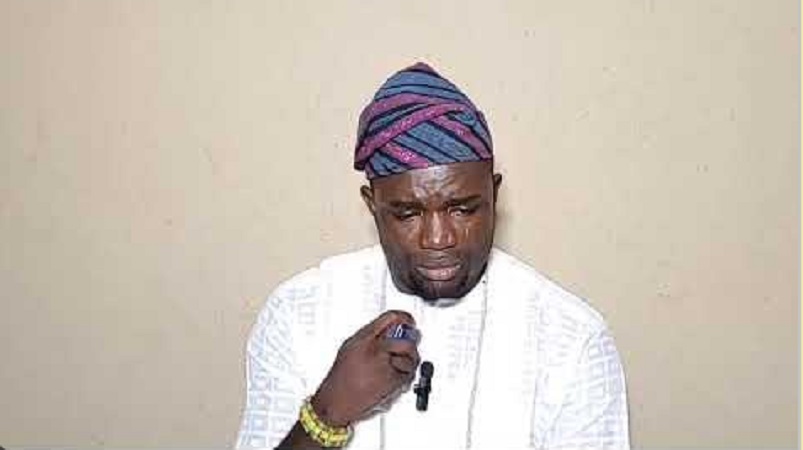
In a diverse society like Nigeria, where freedom of expression is cherished and religious beliefs are deeply held, a delicate balance must be struck to ensure that these fundamental rights coexist harmoniously. The recent case of Tani Olohun, and his subsequent imprisonment due to his online statements, highlights the complexities of navigating the fine line between free expression and responsible communication.
Is there a legitimate reason to limit the freedom of expression?
The Nigerian Constitution, in Section 39(1), guarantees the right to freedom of expression. However, this right is not absolute and can be restricted on grounds of public order, morality, and the rights of others. The accusations against Tani Olohun, involving harm to the reputation and well-being of the Emir of Ilorin and Islamic scholars, may be seen as affecting public order and the rights of others. Therefore, there could be a legitimate reason to limit his freedom of expression.
Is the restriction necessary to achieve the legitimate aim?
The Nigerian Constitution requires that any restriction on the right to freedom of expression must be necessary to achieve the legitimate aim. The court’s decision to sentence Olohun to imprisonment suggests that the judiciary believes this restriction is necessary to prevent further harm to the complainants’ reputations and well-being. The Nigerian Constitution also allows for the limitation of rights when necessary for national security, public order, and the protection of rights of others.

Is the restriction proportionate to the aim pursued?
The severity of the punishment, imprisonment until October 5, 2023, suggests that the court considers the accusations to be significant. However, without more information about the nature of Olohun’s words and actions, it’s difficult to determine whether the severity of the restriction is proportionate to the harm caused. A more detailed understanding of the context and the specific content of Olohun’s statements would be needed to assess the proportionality of the restriction.
Religious Responsibility in the Digital Age
While freedom of expression is a cornerstone of democracy, it comes with a responsibility to use it judiciously, especially in the digital age where information spreads rapidly and widely. Religious leaders and their supporters hold a significant influence over their followers, and thus, they have a duty to exercise this influence responsibly. Social media, a powerful tool for connectivity, can also become a breeding ground for misinformation, sensationalism, and even religious tensions.
In a multicultural nation like Nigeria, where religious diversity is a reality, religious leaders should recognize their role as mediators of harmony and understanding. They must engage in dialogue that fosters tolerance, respect, and peaceful coexistence among their followers.
Desisting from Creating Content that Incites Conflict
As Tani Olohun remains in custody, it is an opportune moment for religious leaders and their supporters to reflect on their social media conduct. Creating content that could potentially lead to religious crisis goes against the principles of religious teachings that often emphasize peace, compassion, and empathy.
Religious leaders should utilize social media platforms as avenues for education, dialogue, and collaboration. Instead of sensationalizing differences, they can promote interfaith understanding and bridge gaps by sharing stories of cooperation and mutual respect. By adopting a responsible and inclusive approach to online communication, religious leaders can contribute significantly to a more peaceful and united society.