DD
MM
YYYY

PAGES

DD
MM
YYYY

spot_img

PAGES

Home Blog Page 3898

Federal Judge Rules in Favor of Former Twitter Employee in Bonus Dispute Against X Corp

0

In a resounding legal decision on Friday, a federal judge in California delivered a significant blow to X Corp, formerly known as Twitter, ruling in favor of Mark Schobinger, a former senior director of compensation.

The ruling pertained to a lawsuit filed by Schobinger against X Corp, alleging a breach of contract regarding unpaid bonuses promised to employees.

U.S. District Judge Vince Chhabria’s decision was a resounding affirmation of Schobinger’s claim of breach of contract under California law. The lawsuit, filed in June after Schobinger’s departure from Elon Musk’s company in May, centered on Twitter’s alleged commitment, both pre and post-Musk’s acquisition last year, to pay employees 50% of their 2022 target bonuses. However, these promised bonuses were never disbursed, leading to a legal battle.

Judge Chhabria’s ruling hinged on the assertion that Schobinger had adequately presented a case demonstrating a breach of contract under California law.

“Once Schobinger did what Twitter asked, Twitter’s offer to pay him a bonus in return became a binding contract under California law. And by allegedly refusing to pay Schobinger his promised bonus, Twitter violated that contract,” he said.

Notably, X Corp, now devoid of a media relations office, remained silent in response to requests for comments made outside standard business hours. This silence from the company further amplifies the intrigue and speculation surrounding the legal proceedings.

Twitter’s defense attempted to refute the allegations by contending that the company had only made an oral promise, which they argued did not amount to a legally binding contract. Moreover, they sought for Texas law to govern the case. However, Judge Chhabria’s decision conclusively dismissed these arguments, asserting that California law was the applicable jurisdiction, deeming Twitter’s counterarguments inadequate.

The lawsuit filed by Schobinger against X Corp is just one facet of the legal quagmire that has emerged following Elon Musk’s acquisition and subsequent restructuring of the company, resulting in the reduction of more than half of its workforce.

X Corp has faced a barrage of legal challenges from former employees and executives, encompassing a spectrum of allegations, including discrimination against older employees, women, and individuals with disabilities. Additionally, claims have been made regarding insufficient notice provided during mass layoffs. Despite these allegations, X Corp vehemently denies any wrongdoing.

The ruling favoring Schobinger highlights the intricate legal complexities and the intricate aftermath resulting from the organizational changes following Elon Musk’s acquisition of the social media giant late last year. The case is one of the ongoing legal disputes confronting X Corp, revealing contractual conflicts and purported breaches after substantial corporate restructuring.

Musk was reportedly not interested in compensating over 50% of the Twitter employees who were laid off following his takeover.

According to the lawsuit, former Twitter CFO Ned Segal made repeated assurances to Schobinger and other employees, guaranteeing them 50% of their expected bonuses according to the company’s bonus plan—a structure tied to the overall financial performance of the company.

Following Musk’s acquisition of the company in November, employees were informed that their 50% bonuses would be honored if they opted to continue working under the new leadership. Schobinger claimed to have been approached by various recruiters and companies offering alternative job opportunities in the months after the acquisition. However, he declined these offers based on the promised bonus payout.

Traditionally, Twitter disbursed bonuses in the first quarter of the new year, typically around March. However, when the quarter concluded, none of the employees received any portion of their promised bonuses. Subsequently, in June, Schobinger filed a lawsuit citing breach of contract.


Workplace Team Building on Christmas

0

The holiday season is upon us. Christmas is barely ten days away. What better way to infuse cheer into the workplace than with Christmas-themed team-building activities? It’s the perfect time to foster camaraderie, boost morale, and create lasting memories that extend beyond the office walls.

So, let’s look at some possible festive team-building ideas that will make this Christmas at your workplace unforgettable.

A Creative Contest

Bring out the inner artist in your team with an ornament decorating contest. Provide plain ornaments and an array of art supplies, letting creativity flow. Not only does this activity tap into the festive spirit, but it also encourages collaboration and friendly competition. Display the masterpieces in the office for everyone to admire, and maybe even have a “People’s Choice” award for the most popular decoration.

Ugly Sweater Showdown

The weather is colder now, even more so for those in western countries. Who doesn’t love a good, ugly sweater? Turn the office into a runway with an Ugly Sweater Showdown. Encourage team members to deck themselves in the tackiest, most over-the-top holiday sweaters they can find. You can even add a dash of friendly competition by having a panel of judges or letting the entire office vote for the “Ugliest Sweater” winner. The key here is to have fun and celebrate the uniqueness of each sweater! If you manage a remote team, then this may be recreated over video conferencing.

Christmas Movie Marathon

Transform your breakroom into a cozy cinema for a Christmas movie marathon. Allow team members to vote on their favorite festive films and set up a schedule for a day (preferably Friday) of cinematic merriment. Provide popcorn, blankets, and maybe even some hot cocoa. If you do not have sufficient office space for this, you can close work a couple of hours earlier and go to a nearby cinema as a team. This activity not only builds team spirit but also creates a relaxed atmosphere where colleagues can bond over shared holiday favorites.

Trivia & Carol Karaoke Night – Christmas edition

You can host a trivia night where team members have to solve puzzles and challenges individually and as a team. This can be done physically and virtually as well. You can also have Karaoke contests among teams and individual team members.

Secret Santa Gift Exchange

A classic for a reason, the Secret Santa gift exchange never gets old. Set a budget, draw names, and let the gift-giving commence. The mystery of who your Secret Santa is adds an extra layer of excitement to the holiday season. To make it even more special, consider having a reveal party where everyone can share the joy of giving and receiving. You can recreate this for a virtual team and have the gifts delivered to everyone by Christmas Eve.

DIY Holiday Card Workshop

Spread some holiday cheer beyond the office walls by organizing a DIY Holiday Card Workshop. Provide art supplies, cardstock, and festive embellishments. Encourage team members to create personalized holiday cards that can be sent to each other or orphanages and nursing homes. This heartwarming activity fosters a sense of community service and brings joy to those who may need it most during the holiday season.

In Conclusion

Nothing is set in stone. You can tweak the ideas and even suggest more in the comment section. The idea is to add much merriment to the workplace and strengthen bonds among team members. Some of these activities will not take all the time to plan, but the ripple effects will be seen and felt much longer.

Wrapping Personal Branding into the Christmas Season

As we have always said, branding is more than branding. During this Christmas season, many brands and companies are sending out Christmas messages, designs, and media content. But while some are simply sending out generic season greetings, those with a keen eye on personal branding understand that Christmas offers a unique platform to reinforce their brand identity.

What is wrong with the generic Christmas greetings? Nothing really, but even though Sending out a generic “Merry Christmas” message may seem like a thoughtful gesture, it lacks the personal touch that practical branding demands. True personal branding involves a message that resonates with your audience and reflects the unique values and identity of your brand.

The season is also not the time to embark on solely promotional campaigns. While promotions and discounts are a part of the Christmas marketing strategy, branding is not solely about selling products or services. It’s about creating a lasting impression that extends beyond the holiday season.

Also, this is not the time to deviate from your brand authenticity just to fit into the Christmas theme.Authenticity is vital to building trust and a solid personal brand. Attempting to fit your brand into a stereotypical Christmas mold can be disingenuous and, in some cases, outright offensive. A good example would suffice here.

Remember, during the 2023 Easter celebration, a certain Nigerian bank put out an Easter message that said, “Like Agege bread, he rose!

While they had probably meant it to be a funny message and an attempt to blend with the season, that message never reflected the bank as a brand. They are not into the food business, so there was no reason for the analogy with Agege Bread. Worse still, the message hit some very wrong nerves and provoked rebukes from several corners.

Eventually, the bank had to withdraw the message and tender an open apology, but that did not do much. Maybe, just maybe, all of these could have been avoided if they chose to stick to their brand message as a bank instead of trying to fit into the season mold.

How to merge the brand into the message of the season

  1. Themed Content Creation:By this, I mean staying true to your brand voice while embracing the season’s spirit. Beyond the regular e-flyers with the brand logo and name squeezed in, you can do festive blog posts, social media updates, or even a holiday-themed podcast. You can even vlog content about how your team is celebrating the season.
  2. Personalized Gifts and Cards:Instead of generic holiday cards, send personalized greetings or small gifts to your clients, customers, or followers. This shows appreciation and reinforces your brand identity through thoughtful gestures. I saw a video on Instagram of a food vendor brand that chose to go out on the streets and give food packages + branded gifts to essential workers who still work on Christmas day. The video generated lots of reach and reaction: It also communicated the message of a brand that cares about feeding people.
  3. Charitable Initiatives: Christmas is a time for giving, and aligning your brand with charitable initiatives can have a positive impact. Whether it’s a fundraising campaign, volunteering, or supporting a local charity, showcasing your brand’s commitment to social responsibility is a powerful branding strategy.
  4. Interactive Campaigns: Engage your audience with interactive campaigns that involve them in the holiday spirit. This could be through a festive-themed contest, a collaborative holiday playlist, or even a virtual advent calendar. Encouraging participation creates a sense of community around your brand.

Conclusion

The idea is to pass a message that lasts beyond the season and resonates correctly with the public. Think about how some old online videos resurface now and then and still generate positive reactions. Personal branding during Christmas is about weaving your unique narrative into the holiday spirit, fostering connection, and leaving a memorable mark on your audience.

Remote Workers, Double-dipping and Productivity

0

In the weekly newsletter from LinkedIn News last week, I read about employers’ concerns that remote workers may be double-dipping. And I thought it a worthy discussion to take up this week.

Double-dipping in this context refers to the employees exploiting the remote work setup for personal gains. This majorly entails engaging in activities unrelated to their responsibilities during paid work hours. They could be running personal errands, working on side projects, or holding multiple jobs simultaneously.

Does this sound like something you may have seen play out around you? Of course, it does.

Now, employers have no problem with remote working setups. For one, it allows them to cut back on office/overhead costs, as well as recruitment and retention costs. Employees also value the work-from-home setup, so the rate of resignation and rehiring is low in such cases.

However, employers want to get full value for the work hours they pay for, and they should.

What the newsletter said…

“A new poll reveals many leaders fear their remote employees are “double dipping,” or they have other gigs. Sixteen percent of chief human managers surveyed by Gallup said executives at their firms think remote workers might have another salaried, full-time position in secret. Anthony Klotz, professor at University College London’s School of Management, says this “probably reflects a larger concern about how invisible remote workers spend their time.”

Are the fears justified?

No, at least not according to the statistics, anyway. McKinsey estimates that only about 5 percent of the workforce engages in such “double dipping,” but that’s not all. I did some findings on other surveys on remote workers, and here are a few that corroborate McKinsey’s stand.

The Stanford Study surveyed about 250 random employees in a large multinational firm and proved that the common thought that remote workers sleep off and watch TV during work hours is largely untrue. In contrast, the study found remote workers to be 13% more productive than full-time on-site workers. Here’s an excerpt of the findings.

“Remote employees worked 9 percent more in minutes per day. They were rarely late to work, spent less time gossiping and chatting with colleagues, and took shorter lunch breaks and fewer sick days. Remote employees also had 4 percent more output per minute. They told us it’s quieter at home. The office was so noisy many of them struggled to concentrate. “

Interesting stuff here. I’d like to hear what you think about this.

However, I did some further probing and concluded that the fears might be linked to some COVID-19 pandemic-era surveys that had different results. For instance, The Hillreports that the surveyed firms noticed an 18% drop in productivity among remote workers. However, they connected this to the fact that some of the first firms to adopt remote working just did it because of the pandemic. They had little or no time to put in place the tools to ensure productivity from remote workers or to provide some monitoring and supervision. Even the managers were ill-equipped to manage a remote team.

I entirely agree with that, too, which is why I made a short list of some things I think companies can put in place to encourage and enhance productivity from their remote teams.

  1. Clear Communication: Establishing clear communication about expectations is crucial. Employers should outline guidelines for remote work, including working hours, availability, and the importance of staying focused during designated work times.
  2. Results-Based Management: Shift the focus from monitoring hours worked to evaluating results achieved. By setting clear performance goals and assessing outcomes, employers can ensure that employees meet expectations regardless of their physical location. So, if the employee can achieve an 8-hour long task in less time, should the employer still be worried about double-dipping?
  3. Flexible Schedules: Recognize that one of the benefits of remote work is the flexibility it offers. Allowing employees to manage their schedules within reasonable limits can enhance their well-being and reduce the temptation to double-dipping.
  4. Technology Solutions: Implement technology tools that enable efficient monitoring of tasks and projects. Remote work requires some tools, software, and talent for proper management. Project management software, time-tracking tools, and regular check-ins can help employers stay informed about progress and address any concerns promptly.
  5. Trust Building: Foster a culture of trust by emphasizing mutual respect and accountability. When employees feel trusted and valued, they are more likely to uphold their responsibilities and contribute positively to the organization.

This is one topic that can hardly be exhaustive. Please share your thoughts, too, in the comments. What else can employers do to address double-dipping where it exists? And what can remote workers do to build trust with employers?

Special Investigator’s Report: Titan Trust Bank Denies Allegations of Wrongdoing in Union Bank Acquisition

0

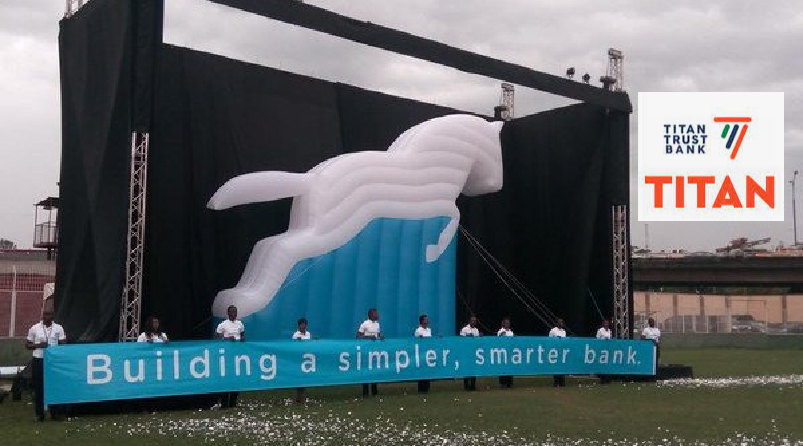
In the wake of the leaked report from the Special Investigator appointed by President Bola Tinubu to probe the Central Bank of Nigeria (CBN) during Godwin Emefiele’s tenure, Titan Trust Bank Limited has issued a comprehensive statement vehemently denying any wrongdoing in the acquisition of Union Bank.

The Special Investigator’s report alleged that the acquisition, which was finalized in mid-2022, did not follow due process and insinuated that Emefiele and associates used illicit funds stolen from the CBN to purchase Union Bank.

In a detailed statement, Titan Trust Bank refuted the allegations, asserting that “the acquisition was conducted in the most professional, open, and transparent bidding process.” The bank clarified key points to address concerns raised by the report.

“The attention of the Board and Management of Titan Trust Bank Limited has been drawn to the widely circulating report of the special investigation into the activities of the Central Bank of Nigeria wherein, among other things, an allegation of illegal acquisition of Union Bank of Nigeria Plc (Union Bank) by Titan Trust Bank Limited (or TTB, the Bank) has featured prominently.

“We are aware that our customers, shareholders, employees, and other stakeholders of the two banks will naturally be troubled by this allegation. Consequently, the Board and Management of Titan Trust Bank Limited wish to clarify the following to set the records straight,” the bank said.

According to the statement, Titan Trust Bank signed a Share Sale and Purchase Agreement (SPA) on December 18, 2021, with Atlas Mara Limited, Union Global Partners Limited, Emeka Emuwa, Standard Chartered Bank, Montane Partners West Africa Limited, TLG Africa Growth Impact Fund, and Sanlam Life Assurance Limited – the bulk shareholders of Union Bank. These shareholders collectively owned 93.41 percent of Union Bank’s issued ordinary share capital.

The acquisition process involved an extensive due diligence process with reputable firms such as PricewaterhouseCoopers Limited (PWC) for financial due diligence, Drey Law Practice (DLP) for legal due diligence, Norton Rose Fulbright (NRF) UK as legal advisers, and Citibank London as financial/transaction advisers. The bulk shareholders engaged White & Case, a prominent UK law firm, as their legal advisers.

“The bulk shareholders together owned 93.41percent of Union Banks issued ordinary share capital. The SPA was the product of a long and tortious due diligence process that involved leading financial and technical advisers,” the statement said.

Titan Trust Bank noted that the acquisition was funded through a combination of debt ($300 million) and an additional equity injection of about $190 million, contributed by the bank’s major shareholders, Magna International DMCC and Luxis International DMCC. The Certificates of Capital Importation (CCI) for both debt and equity financing, evidencing the legal receipt of funds in Nigeria, have been made available upon request.

The statement further clarified that the $300 million acquisition facility was sourced from Afreximbank and is priced on SOFR with a margin of 6.25%, totaling almost 12% per annum, with a moratorium period of 30 months. Titan Trust Bank confirmed payment of interest on the loan for three interest periods (18 months).

Titan Trust Bank stated that it sought and obtained all necessary regulatory approvals from the Central Bank of Nigeria (CBN), the Securities and Exchange Commission (SEC), the Nigerian Exchange Limited (NGX), and the Federal Inland Revenue Service (FIRS), among others.

“Following TTBs acquisition of 93.41percent controlling interest in Union Bank on June 1, 2022, a change in control was effected with the dissolution of the former Board and the reconstitution of a new Board with new leadership.”

The bank’s statement was intended to reassure its customers, shareholders, employees, and stakeholders that the acquisition had been carried out transparently and in compliance with regulatory and legal standards. Nonetheless, the potential progression of the matter remains uncertain. Analysts speculate that the investigator’s report, regardless of its outcome, could have a detrimental effect on both investor and customer confidence in the bank.

Unveiling the History and Evolution of Betting Promotions

0

In the dynamic world of online betting, promotions have become a cornerstone, attracting punters and shaping the landscape of the industry. The history of these promotions is a fascinating journey that mirrors the evolution of the betting world itself.

Early Days: Simple Beginnings

The concept of promotions in betting can be traced back to the early days of bookmaking. In its simplest form, a promotion was often a bonus offered to new customers or a special deal for a major sporting event. These were straightforward incentives aimed at drawing attention and building a customer base.

The Rise of Sign-Up Bonuses

As the betting industry expanded, so did the scope and complexity of promotions. Sign-up bonuses emerged as a powerful tool for attracting new users. Bookmakers started offering free bets or deposit matches to entice punters to choose their platform over competitors. This marked a shift from one-off promotions to more structured and recurring offers.

Promotions Go Digital: Online Era

With the advent of online betting platforms, promotions underwent a digital transformation. The ease of online transactions allowed for more diverse and innovative promotions. Free bets, enhanced odds, and cashback offers became standard, providing a competitive edge to betting platforms and Betwinner’s betting platform is not an exception.

In-Play Betting and Promotions

The introduction of in-play or live betting opened new avenues for promotions. Betting platforms began offering exclusive deals tied to ongoing matches, encouraging users to engage in real-time betting. Enhanced odds for specific in-play scenarios and live streaming promotions further enhanced the in-play experience.

VIP Programs and Loyalty Rewards

To retain customers, betting operators introduced VIP programs and loyalty rewards. Punters were now not only attracted by initial bonuses but also by the promise of ongoing benefits based on their betting activity. These loyalty schemes often included points systems, tiered rewards, and exclusive promotions for VIP members.

Comparing Promotions Across Operators

The current landscape is marked by intense competition, with betting operators vying to offer the most attractive promotions. Free bets, acca insurance, odds boosts, and event-specific promotions are now commonplace. Comparing these promotions involves looking beyond the surface – understanding the terms and conditions, wagering requirements, and overall value offered.

Innovation and Future Trends

As technology advances, the future of betting promotions seems poised for further innovation. Virtual and augmented reality experiences, personalized promotions based on user behavior, and exclusive partnerships with sports leagues could be on the horizon. The evolution of promotions will likely continue to mirror the broader trends in the betting industry, ensuring an exciting and dynamic future for punters.

Navigating the Diversity of Promotions

Today, punters are presented with a diverse array of promotions, each designed to cater to different preferences and playing styles. Free bets, often a staple for many platforms, provide users with a risk-free opportunity to explore the platform. These bets can come in various forms, such as matched bets, no-deposit bets, or conditional bets tied to specific events.

Enhanced Odds and Price Boosts

Enhanced odds or price boosts have become immensely popular. These promotions involve offering higher-than-normal odds for a particular outcome, often for high-profile events. This not only attracts attention but also provides an avenue for users to amplify their potential winnings.

Accumulator Insurance and Cashback

Accumulator insurance is a promotion designed to soften the blow of narrowly missed bets. If one leg of a multiple bet loses, the punter receives their stake back or a free bet. Similarly, cashback promotions, especially in the realm of casino gaming, offer a percentage of losses back to the player. These types of promotions provide a safety net, making the betting experience more forgiving.

Event-Specific and Seasonal Promotions

Many betting platforms tailor promotions to specific events or seasons. For major tournaments or leagues, operators often roll out promotions tied to the event, such as odds boosts on selected matches or special bonuses for hitting certain milestones during the tournament. Seasonal promotions, like those tied to major holidays or sporting seasons, keep the betting landscape dynamic and engaging.

Challenges and Responsible Promotion

While promotions undoubtedly add excitement to the betting experience, there are challenges. Wagering requirements, restrictions, and the fine print associated with promotions can sometimes be confusing. Furthermore, there’s the responsibility of ensuring that promotions don’t encourage excessive or irresponsible gambling.

The Future Landscape: Personalization and Innovation

The future of betting promotions is likely to be characterized by increased personalization and innovative offerings. With the aid of data analytics, betting platforms can tailor promotions to individual preferences, creating a more targeted and engaging experience. Additionally, collaborations with sports teams, influencers, or even other brands could pave the way for unique and exclusive promotions.

The Ever-Evolving Tapestry of Promotions

In conclusion, the history and evolution of betting promotions tell a story of constant innovation and adaptation. From humble beginnings to the intricate and diverse landscape we see today, promotions continue to be a driving force in the betting industry. As users navigate this tapestry of offers, understanding the nuances and making informed choices will be key to maximizing the value derived from these promotions. Whether you’re drawn in by free bets, enticed by enhanced odds, or appreciate the security of cashback, the world of betting promotions is vast and varied, offering something for every type of punter.