DD
MM
YYYY

PAGES

DD
MM
YYYY

spot_img

PAGES

Home Blog Page 3927

Meta Rolls Out AI Model SeamlessM4T, That Can Translate And Transcribe Over 100 Languages

0

Giant tech company Meta has rolled out an AI model, known as “SeamlessM4T”, which is capable of translating and transcribing over 100 languages across text and speech.

In Meta’s quest to develop an advanced AI tool, the tech company said that SeamlessM4T represents a significant breakthrough in the field of AI-powered speech-to-speech and speech-to-text.

Meta claims that the AI tool has remarkable abilities as it performs the entire translation task in one go, unlike other large translation models that divide translation across different systems.

Speaking on the rollout of SeamlessM4T, Meta wrote via a blog post,

“The world we live in has never been more interconnected, giving people access to more multilingual content than ever before. This also makes the ability to communicate and understand information in any language increasingly important. Today, we’re introducing SeamlessM4T, the first all-in-one multimodal and multilingual Al translation model that allows people to communicate effortlessly through speech and text across different languages.

“SeamlessM4T supports:

•Speech recognition for nearly 100 languages

•Speech-to-text translation for nearly 100 input and output languages

•Speech-to-speech translation, supporting nearly 100 input languages and 36 (including English) output languages

•Text-to-text translation for nearly 100 languages

•Text-to-speech translation, supporting nearly 100 input languages and 35 (including English) output languages

“In keeping with our approach to open science, we’re publicly releasing SeamlessM4T under a research license to allow researchers and developers to build on this work. We’re also releasing the metadata of SeamlessAlign, the biggest open multimodal translation dataset to date; totaling 270,000 hours of mined speech and text alignments.

“Building a universal language translator, like the fictional Babel Fish in The Hitchhiker’s Guide to the Galaxy, is challenging because existing speech-to-speech and speech-to-text systems only cover a small fraction of the world’s languages. But we believe the work we’re announcing today is a significant step forward in this journey.

“Compared to approaches using separate models, SeamlessM4T’s single system approach reduces errors and delays, increasing the efficiency and quality of the translation process. This enables people who speak different languages to communicate with each other more effectively”.

According to Meta, SeamlessM4T builds on advancements the company and others have made over the years in the quest to create a universal translator.

Last year, it released No Language Left Behind (NLLB), a text-to-text machine translation model that supports 200 languages and has since been integrated into Wikipedia as one of the translation providers.

Earlier this year, the company revealed the Massively Multilingual Speech, which provides speech recognition, language identification, and speech synthesis technology across more than 1,100 languages.

Notably, SeamlessM4T draws on findings from all of these projects to enable a multilingual and multimodal translation experience stemming from a single model, built across a wide range of spoken data sources with state-of-the-art results.

The tech giant argues that SeamlessM4T doesn’t produce an excessive amount of toxic text in its translations, a common error with various translation and generative Al text models.

However, in specific, languages like Bengali and Kyrgyz, the model generates more toxic translations related to socioeconomic status and culture. Generally, SeamlessM4T tends to exhibit more toxicity in translations dealing with sexual orientation and religion.

Meta disclosed that this is only the latest step in the company’s ongoing effort to build Al-powered technology that helps connect people across languages.

The tech giant further hinted that in the future, it wants to explore how this foundational model can enable new communication capabilities – ultimately bringing Meta closer to a world where everyone can be understood.
Military Coup: African Union Suspends Niger Republic

0
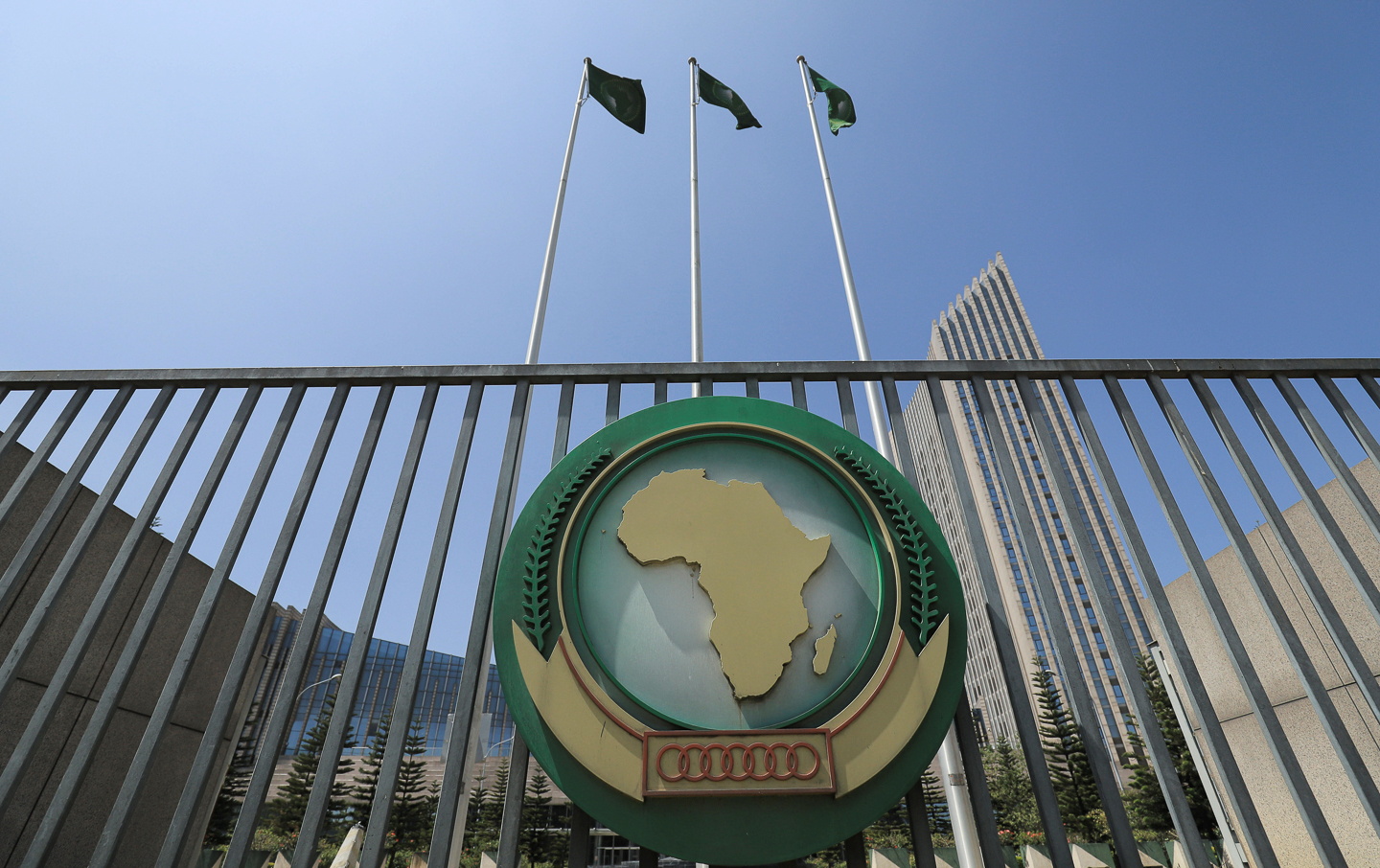
The African Union logo is seen outside the AU headquarters building in Addis Ababa, Ethiopia, November 8, 2021. REUTERS/Tiksa Negeri

Niger Republic has been suspended by the African Union (AU), following the military coup executed by members of the presidential guard on July 26.

Announcing the suspension, the AU urged its members to watch their dealings with Niger and to avoid any action that might legitimize the junta.

The junta had overthrown the democratically elected President, Mohamed Bazoum, citing poor leadership and corruption that has exposed millions of Niger people to severe economic hardship.

Diplomatic efforts by the Economic Community of West African States (ECOWAS) to restore constitutional order in the uranium-rich West African country have failed. The regional bloc issued a seven-day ultimatum to the junta on July 30, to reinstate Bazoum unconditionally or face military action.

Defiant, the junta led by Gen. Abdourahamane Tchiani has proposed a three-year transition to civilian rule, but it was rejected by the ECOWAS leaders. The bloc announced last week that D-Day has been set for its military action, having activated a standby force.

The AU Peace and Security Council said in a communiqué on Tuesday that it had noted the decision to activate an ECOWAS standby force and asked the AU Commission to assess the economic, social, and security implications of deploying such a force.

The resolutions in Tuesday’s statement were adopted at a council meeting held on Aug. 14, it said.

The leaders of the AU additionally called upon the coup leaders to promptly release the duly elected President Mohamed Bazoum, who has been in detention since the coup, and to return to their military barracks.

The coup has raised concerns among Western allies and democratic nations in Africa. They are apprehensive that it might create an opportunity for Islamist factions operating in the Sahel region to extend their influence and provide Russia with a chance to enhance its presence in the area.

The Russian mercenary group – Wagner, is reportedly involved in the junta’s preparation to ward off any external attack. The group is active in Mali – another West African country under military rule.

The AU also said that it “strongly reject any external interference by any party or country in the affairs of the continent, including private military companies.”

The statement is expected to be a deterrent to France, which has been gearing up to defend its interest in Niger through military action. Niger is France’s top uranium supplier with a total supply of 17.9% between 2015 and 2020. The uranium export, which helps France to generate electricity, has been suspended by the junta.

Nigeria Ranked Among The Top 20 Countries in The World That Googled “Fintech” in April 2023

0

A recent research by the Fintech News Network (FNN) has disclosed that Nigeria ranked among the top 20 countries in the world, where people are searching for the term “fintech” the most.

The Fintech News Network Index (FNNI), which ranked the countries and cities that are querying the word “fintech” the most on Google, revealed that in April 2023, Internet users in Nigeria, Singapore, and Hong Kong showed the most interest in the sector.

The rankings were based on search volume compared to each country’s total search volume. Nigeria ranked second on the list, coming behind Singapore and Hong Kong occupying the third position.

Nigeria moved up three places between 2021 and 2022, rising from the fifth to the third position. As interest in Fintech increased over the past two years in the country, in April 2023, it rose further, taking second place globally.

Nigeria, being one of the most populous countries in Africa with a significant portion of its population unbanked or under-banked, presented a fertile ground for Fintech innovation.

The fintech ecosystem in Nigeria encompasses various sectors, which include Payments, lending, blockchain, insurance, and wealth management amongst others.

Notably, Nigeria’s booming interest in fintech has been attributed to the government’s commitment to fostering the industry. In November 2022, the Central Bank of Nigeria (CBN), launched a policy, the “National Fintech Strategy” to set put the government’s ambition to position Nigeria’s Fintech ecosystem as a global leader.

Among the major initiatives that are being undertaken, the Central Bank of Nigeria said it will design and implement balanced and proportional policies and regulations, help stimulate the domestic investment landscape, and promote multi-stakeholder collaboration.

Nigeria’s regulatory bodies are also moving forward to address the demand for open banking, issuing in February 2021 a formal framework for the practice. The country is among the first regulators in Africa to mandate open banking frameworks, along with financial services data protection rules.

Nigeria already has frameworks covering peer-to-peer (P2P) lending and equity crowdfunding on a plate. The country’s Fintech landscape has evolved tremendously, emerging over the past years into Africa’s biggest fintech hub.

It is worth noting that Nigeria’s Fintech sector has attracted significant investments from both domestic and international investors. This has seen the country lead the region in venture capital (VC) funding, accounting for a third of all funding deployed into fintech in the Middle East and Africa (MEA) in 2021, according to a 2022 study commissioned by Mastercard.

Nigeria is also the birth country of some of the region’s largest and most valuable fintech unicorns. These ventures include Flutterwave, a US-headquartered payment infrastructure provider that originated from Nigeria and is valued at US$3 billion.

Opay, a mobile-based financial platform for payments, transfers, loans, savings, and more valued at US$2 billion; and Interswitch, an Africa-focused integrated digital payments and commerce a company worth US$1 billion and headquartered in Nigeria.

Check Out Several Factors That Contributed to The Booming Fintech Sector in Nigeria

1. Large Unbanked and Underbaked Population: Nigeria has a substantial population that lacks access to traditional banking services. Fintech companies capitalized on this opportunity by offering digital financial solutions that catered to the needs of this underserved market.

2. Mobile Phone Penetration: Nigeria has one of the highest rates of mobile phone penetration in Africa. Fintech companies leveraged this widespread mobile adoption to provide mobile-based financial services, enabling individuals to access financial products and services using their smartphones.

3. Innovation and Technology Adoption: Fintech startups in Nigeria developed innovative solutions that addressed various financial challenges. These solutions ranged from mobile payments and digital wallets to lending platforms and investment apps.

4. Economic Opportunities: Nigeria is a growing economy with a thriving entrepreneurship ecosystem. The fintech sector presented lucrative opportunities for startups to address gaps in financial services and disrupt traditional banking.

5. Regulatory Framework: While regulatory challenges existed, Nigerian regulators also recognized the importance of fostering fintech innovation while ensuring consumer protection and financial stability. Regulatory changes and frameworks were developed to accommodate and support fintech companies.

With over 250 licensed Fintech companies, the Nigerian fintech sector is experiencing tremendous growth, as several startups and innovators emerge with new financial solutions.

It is not far-fetched to say that Nigeria’s FinTech ecosystem is rapidly evolving into one of Africa’s most vibrant sectors with huge growth potential.

Critical Features of Decentralized Applications – Dapps

0

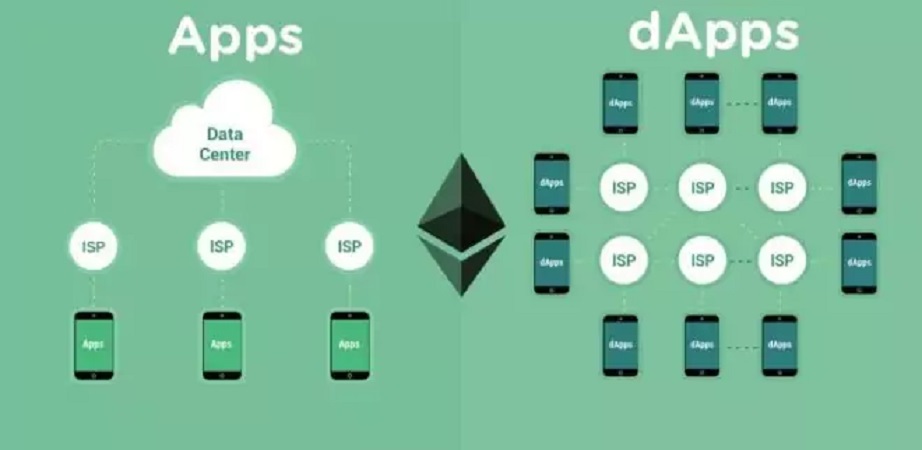
Decentralized Applications, or Dapps, are one of the most innovative and disruptive aspects of the crypto industry. Dapps are software applications that run on decentralized networks, such as blockchains or peer-to-peer networks, without relying on a central authority or intermediary. Dapps can offer users more control, transparency, security, and privacy than traditional applications. In this blog post, we will explore some of the critical features of Dapps and how they differ from conventional apps. Dapps have the potential to revolutionize various industries and sectors, such as finance, gaming, media, healthcare, education, and more.

One of the key features of Dapps is that they are open source, meaning that anyone can access, inspect, and modify their code. This ensures that the Dapps are transparent and trustworthy, as users can verify their functionality and security. Moreover, open-source code enables collaboration and innovation among developers and users, as they can contribute to the improvement and evolution of the Dapps.

Another feature of Dapps is that they are incentivized, meaning that they reward their users and participants for their actions and contributions. For example, many Dapps use cryptocurrencies or tokens to reward users for providing resources, such as computing power, storage space, or network bandwidth, to the decentralized network. These incentives align the interests of the users and the network, creating a positive feedback loop that enhances the performance and security of the Dapps.

A third feature of Dapps is that they are immutable, meaning that they cannot be altered or tampered with once they are deployed on the decentralized network. This ensures that the Dapps are resistant to censorship, corruption, fraud, or downtime. Moreover, immutability preserves the history and integrity of the data and transactions that occur on the Dapps, creating a permanent and verifiable record that can be audited by anyone.

A fourth feature of Dapps is that they are interoperable, meaning that they can communicate and interact with other Dapps and protocols on the decentralized network. This enables cross-chain functionality and compatibility, allowing users to access a variety of services and features across different platforms and ecosystems. For example, a user can use a Dapp to exchange one cryptocurrency for another, or to access a decentralized exchange, a lending platform, a gaming platform, or a social media platform.

Some of the Critical Industries where DAPPs is Efficiently Useful are;

Finance: Dapps can enable peer-to-peer transactions of value without intermediaries, such as banks or payment processors. This can reduce transaction costs, increase efficiency, and foster financial inclusion. Examples of Dapps in this sector include decentralized exchanges, lending platforms, stablecoins, and prediction markets.

Gaming: Dapps can create immersive and interactive gaming experiences that are owned and controlled by the players. Dapps can also enable the creation and trading of digital assets, such as non-fungible tokens (NFTs), that represent unique and scarce items in the game world. Examples of Dapps in this sector include collectible card games, virtual worlds, and metaverses.

Media: Dapps can empower content creators and consumers to have more control over their data and content distribution. Dapps can also enable new forms of monetization and reward mechanisms that are fairer and more transparent. Examples of Dapps in this sector include social media platforms, content marketplaces, and streaming services.

Healthcare: Dapps can improve the quality and accessibility of healthcare services by enabling secure and efficient data sharing among patients, providers, and researchers. Dapps can also enable new models of healthcare delivery and management that are more personalized and patient centric. Examples of Dapps in this sector include electronic health records, telemedicine platforms, and health data marketplaces.

Education: Dapps can enhance the learning outcomes and experiences of students and educators by enabling more collaborative and engaging learning environments. Dapps can also enable new forms of credentialing and verification that are more trustworthy and portable. Examples of Dapps in this sector include online courses, learning management systems, and digital certificates.

These are some of the critical features and industries where Dapps can be useful that make them unique and superior to traditional applications. Dapps have the potential to revolutionize various industries and sectors, such as finance, gaming, media, healthcare, education, and more. By leveraging the power of decentralization, Dapps can offer users more freedom, choice, value, and innovation than ever before.

The Harvest Is Near As Acquisition Era Begins in African Fintech Scene

0

This is the playbook: by 2024, many exits will happen via acquisitions in the African startup scene. Yes, the biggest species will swallow the not-so-big as the industry evolves. Early this year, Tekedia Capital exited a startup via that playbook. acquisition.

Why is that going to happen? The unicorns and the best of the bests will need to have larger scale before they can IPO. And one way of doing that is buying other companies instead of growing organically.

Moniepoint does a TPV of $14 Billion (with B) monthly in Nigeria, making it one of the most important layers in the Nigerian financial sector. But to sustain a valuation in the range of $2-3 billion, it needs an African playbook. That is the reason it is buying and shopping, from PayDay to now Kenya’s Kopo Kopo:

“The Competition Authority of Kenya has approved the proposed acquisition of 100% shares in Kopo Kopo by Moniepoint unconditionally. This approval has been granted based on the two key considerations during the merger analysis that; first, the transaction is unlikely to negatively impact competition in the market for digital credit; and second, the transaction will not elicit negative public interest concerns arising from the transaction”.

Moniepoint, a Nigerian Fintech company that provides an all-in-one payments, banking, and operations platform for businesses, has been granted approval to acquire Kenyan Fintech Kopo Kopo.

Moniepoint acquisition of Kopo Kopo, received clearance from the Competition Authority of Kenya after a thorough analysis of the merger’s potential impacts was conducted.

The season of harvest is here and more exits will happen. I have expanded the size of my bank account to accommodate more digits as the one they gave me as a village boy was short! Yes, that sound of Lakunle to Sidi in Wole Soyinka’s  The Lion and the Jewel comes across:  “I own only the shorter companion dictionary, but I have ordered the Longer One – you wait!”. #build and upgrade your digits.