DD
MM
YYYY

PAGES

DD
MM
YYYY

spot_img

PAGES

Home Blog Page 3939

Binance Secures Operational MVP License in Dubai, Kyrgyzstan Expands Bitcoin Mining

0

Binance, the world’s leading cryptocurrency exchange, has announced that it has become the first exchange to secure an operational Minimum Viable Product (MVP) license in Dubai. This license, granted by the Dubai Multi Commodities Centre (DMCC), allows Binance to offer crypto trading and custody services to customers in the region.

The DMCC is a government entity established in 2002 to enhance commodity trade flows through Dubai. It is home to over 18,000 companies, ranging from multinational corporations to start-ups. The DMCC has been actively promoting the development of the crypto ecosystem in Dubai, launching a Crypto Centre in May 2021 to provide a comprehensive platform for businesses and individuals to access crypto-related services.

Dubai Multi Commodities Centre (DMCC) is the leading free zone in the Middle East for trade, enterprise and commodities. Established in 2002, DMCC offers a range of benefits and incentives to its members, including 100% foreign ownership, 0% personal and corporate income tax, full repatriation of capital and profits, and access to world-class infrastructure and services.

DMCC is home to over 19,000 companies from various sectors and industries, such as precious metals, diamonds, pearls, tea, coffee, spices, agro, energy, technology, healthcare, education and more. DMCC also hosts the Dubai Diamond Exchange, the Dubai Gold and Commodities Exchange, the Dubai Pearl Exchange, the DMCC Tea Centre and the DMCC Coffee Centre.

DMCC is committed to fostering innovation, sustainability and growth in the commodities sector, as well as supporting the vision of Dubai as a global hub for trade and commerce. DMCC has received several awards and accolades for its excellence in service delivery, governance and regulation, such as the Global Free Zone of the Year by the Financial Times’ fDi Magazine for seven consecutive years.

Binance’s MVP license is a significant milestone for the exchange, as it demonstrates its commitment to comply with the local regulations and standards. Binance will leverage its global expertise and resources to offer a secure, reliable and innovative crypto platform for its customers in Dubai and beyond.

Binance CEO Changpeng Zhao (CZ) said: “We are honored to receive the MVP license from the DMCC, which is a testament to our efforts to foster a more inclusive and accessible crypto industry. Dubai is a global hub for trade, innovation and entrepreneurship, and we are excited to be part of its vibrant crypto community. We look forward to working closely with the DMCC and other stakeholders to advance the adoption of crypto assets and blockchain technology in the region and beyond.”

DMCC Executive Chairman and CEO Ahmed Bin Sulayem said: “We are delighted to welcome Binance as the first exchange to secure an operational MVP license in Dubai. Binance is a global leader in the crypto space, and we are confident that their presence in the DMCC will contribute to the growth and development of the crypto ecosystem in Dubai. The DMCC Crypto Centre is designed to provide a comprehensive platform for crypto businesses and investors, and we are committed to supporting innovation and excellence in this sector.”

If you are looking for a dynamic and diverse environment to start or expand your business, DMCC is the ideal choice for you. You can benefit from the unparalleled network of opportunities, connections and resources that DMCC offers.

Kyrgyzstan Expands Bitcoin Mining with Government Backing at Hydro Power Plant

Bitcoin mining is a process that consumes a lot of electricity and generates a lot of heat. Therefore, finding a cheap and reliable source of energy is crucial for the profitability and sustainability of this activity. In Kyrgyzstan, a Central Asian country with abundant hydroelectric resources, the government has decided to support the development of Bitcoin mining by providing access to low-cost electricity from a state-owned hydro power plant.

The Kyrgyz government has signed a memorandum of understanding (MoU) with BitRiver, a Russian company that operates one of the largest Bitcoin mining facilities in Siberia. The MoU grants BitRiver the right to use up to 300 megawatts (MW) of electricity from the Toktogul hydro power plant, which has a total capacity of 1,200 MW and is the largest in the country.

The MoU also stipulates that BitRiver will invest in the construction of a data center near the power plant, which will host the mining equipment and provide services to local and international clients. The data center is expected to be operational by the end of 2022 and will create hundreds of jobs in the region.

The Kyrgyz government hopes that this initiative will boost the country’s economy, which has been hit hard by the Covid-19 pandemic and political instability. The country’s gross domestic product (GDP) contracted by 8% in 2020, according to the World Bank. The government also sees Bitcoin mining as a way to diversify its energy exports, which currently rely heavily on selling electricity to neighboring countries.

BitRiver’s CEO Igor Runets said that Kyrgyzstan is an attractive destination for Bitcoin mining because of its low electricity prices, which are among the lowest in the world. He also praised the government’s openness and willingness to cooperate with the crypto industry.

“Kyrgyzstan is one of the few countries in the region with a surplus of electricity generation. The country has great potential to become one of the key Bitcoin mining hubs in Central Asia,” Runets said.

Kyrgyzstan is not the only country in the region that is exploring the potential of Bitcoin mining. Kazakhstan, another former Soviet republic with abundant natural resources, has also seen a surge in crypto mining activity in recent years. According to Cambridge University’s Bitcoin Electricity Consumption Index, Kazakhstan ranks fourth in the world in terms of Bitcoin mining share, behind China, the US and Russia.

However, Bitcoin mining also has significant environmental impacts that need to be considered. Bitcoin mining is estimated to be responsible for 0.1% of world greenhouse gas emissions, according to Wikipedia. Bitcoin mining generates air pollution caused by coal-fired electricity generation, as well as e-waste due to the short life expectancy of bitcoin-mining equipment. A single Bitcoin transaction is estimated to burn 2,292.5 kilowatt hours of electricity, enough to power a typical US household for over 78 days, according to Investopedia.

While Kyrgyzstan’s hydro power plant may offer a cleaner source of energy than fossil fuels, it is not without its drawbacks. Hydro power plants can disrupt natural ecosystems, affect water quality and quantity, and displace local communities. Moreover, hydro power plants are vulnerable to climate change, which can affect their water supply and output.

Therefore, it is important to weigh the economic benefits of Bitcoin mining against its environmental costs, and to explore ways to reduce its carbon footprint. Some possible solutions include switching to renewable energy sources, improving energy efficiency, adopting alternative consensus mechanisms, such as proof-of-stake or proof-of-authority, that do not require intensive computation, and implementing carbon taxes or offsets.
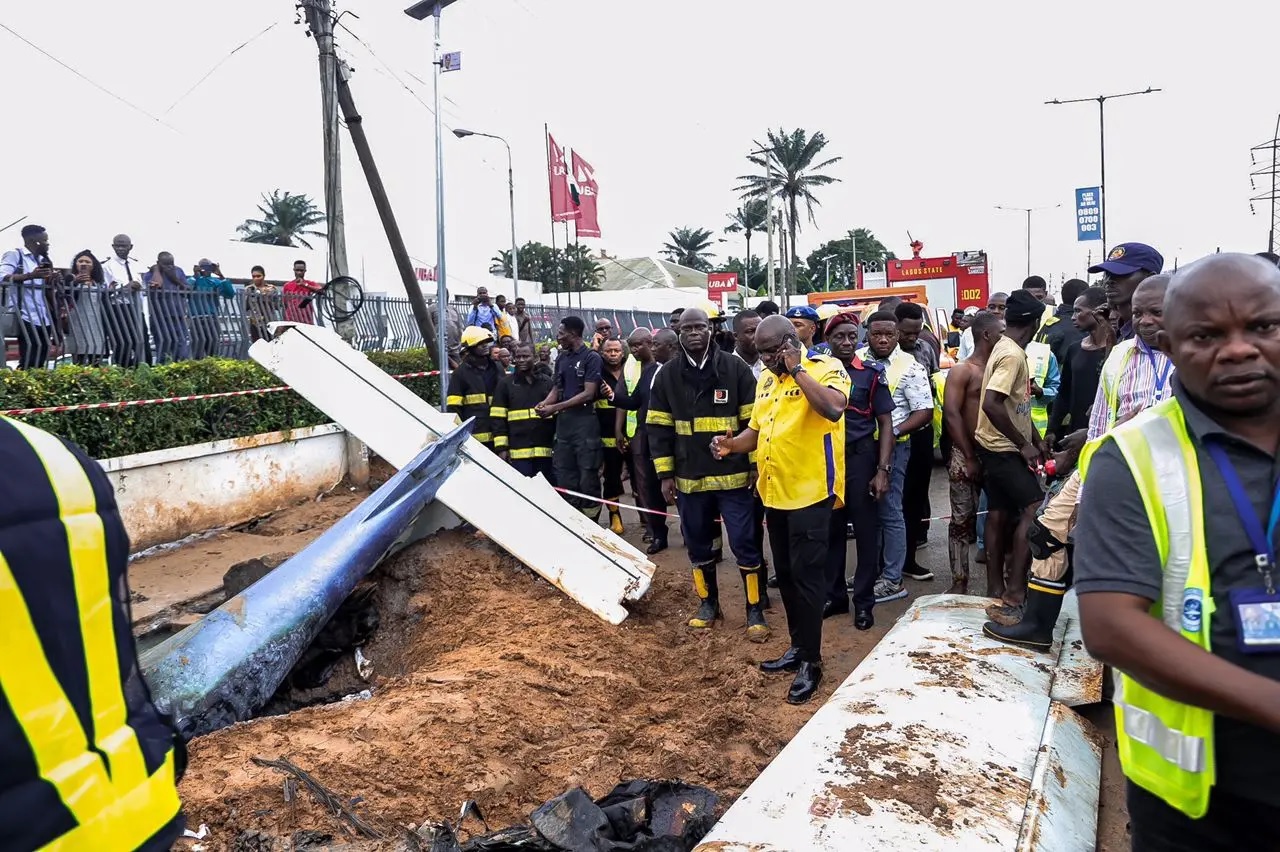

Helicopter Crash, Inferno, Causes Chaos in Lagos Area [video]

0

Chaos has erupted in Oba Akran, Ikeja area of Lagos as a yet to be identified helicopter reportedly crashed into a building, causing an inferno in the area.

The incident reportedly happened close to an AP Filling Station, and United Bank For Africa in the area at about 3PM.

The condition of the helicopter’s pilot is yet unknown, and the casualties from the incident have not been clearly ascertained.

According to Niarametrics, first emergency responders are currently on the scene, performing rescue operations and the Lagos Fire and Rescue Service team is expected to arrive at the scene promptly to assist in salvaging the situation.

Tekedia Mini-MBA Scholarship fund GROWS…

0

Today, I spoke with a  Saudi Arabia-based team which is exploring establishing a football academy in Nigeria. This team played a major role in the sports-tization of Saudi. Quickly, I realized that sports is a massive growth area, and Nigeria has a huge latent opportunity.

As I was thinking about this, our scholarship fund received a gbam: donation. Unyime Obot , our mega funder, who has supported many young people to our Institute, released the digits, and we THANK him again, and again.

For this, we want our non-profit partner, Ideas Worth Billions, which focuses on connecting young people to opportunities, to seek, discover and send us a young man and a woman, for full Tekedia Institute scholarships. Our requirement is that both must also undertake a Tekedia Capstone on (broadly) Sports Development and Opportunities for Investments in any Nigerian city of choice (the city must have an NFF league team). The team must also accept to publish the outcome of the research.

Again, join me to thank Unyime Obot for Funding the FUTURE.

The Lesson from Disney on Having Great Records as Iger, Staggs and Mayer Return

1

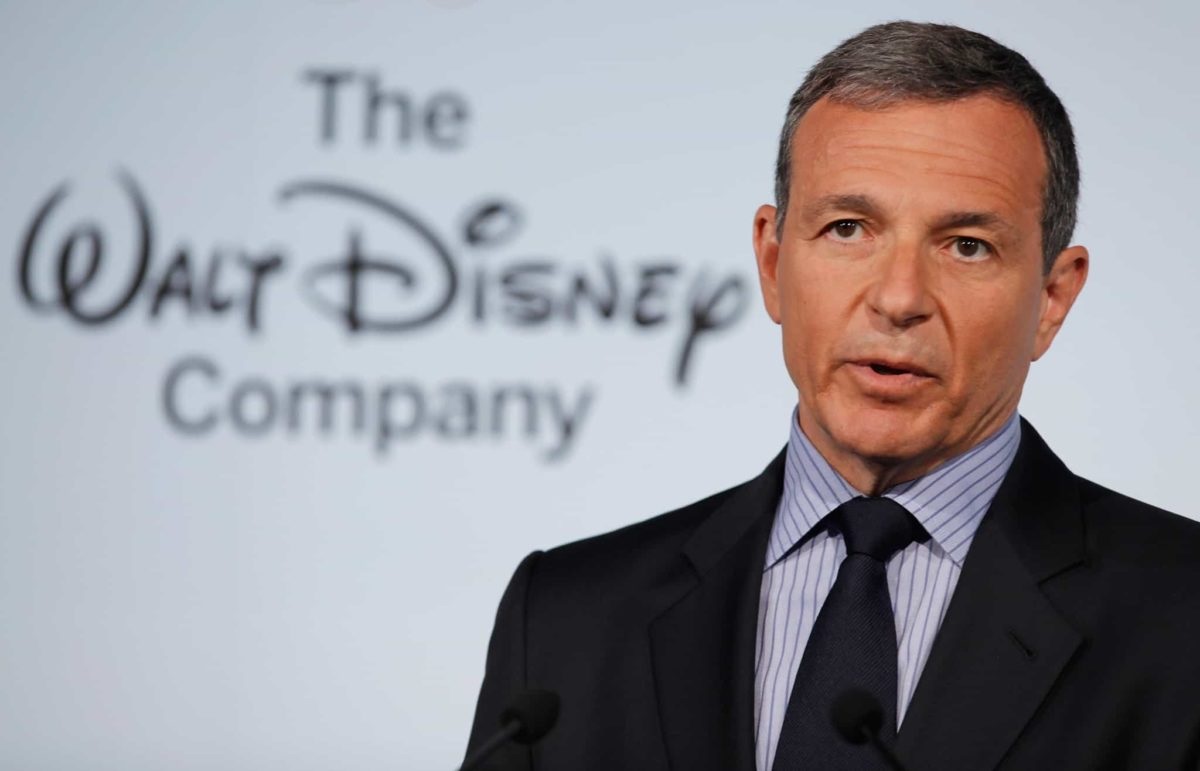
When Bob Iger, long-time leader of Disney, returned to the company, after a brief retirement, I wrote: “ Jose Mourinho. Bob Iger. These men have one thing in common: they have rings or have great business records – and the world reuses them even when they desire to retire.

“You cannot explain these things. The football world continues to recycle and re-appoint Jose. …Just like football, business is about winning. Records, records and records build careers. Even when they begin to fade, the kingmakers always default to the man or woman with records.  That explains why Bob Iger is returning back to Disney”.

But do you know the most exciting aspect? Here is it: The newly returned CEO has sought the help of two executives from his previous tenure, Disney tells Bloomberg. Tom Staggs and Kevin Mayer… Both were in the mix to replace Iger as CEO, a role that ultimately went to Bob Chapek” who has been fired for underperformance.

Bob Iger isn’t the only familiar face on a mission to figure out Disney’s entertainment strategy. The newly returned CEO has sought the help of two executives from his previous tenure, Disney tells Bloomberg. Tom Staggs and Kevin Mayer, now co-CEOs of Candle Media, “will assist ESPN Chairman Jimmy Pitaro on developing and analyzing partners for the business.” Iger has said he’s searching for strategic partnerships for ESPN but is willing to consider selling some of Disney’s TV networks as it tries to make streaming more profitable.

Staggs was Disney’s chief financial officer and chief operating officer under Iger. Mayer was chief strategy officer before leading Disney’s direct-to-consumer segment, including streaming. Both were in the mix to replace Iger as CEO, a role that ultimately went to Bob Chapek.

In the Igbo Nation, it takes the killing of one leopard to be called a killer of leopards. Yes, do all to put some great records in your resume! You just have to win once and that will do. It is the same whether in sports, politics (the boss defines what a win is there, though), business or any domain.

The “Juicy Ministries” Cliche in Nigeria: Its Psychology and Impacts in Public Administration in Nigeria

0

The 1999 constitution of the Federal Republic of Nigeria, as amended, provides that the president shall constitute his cabinet not more than 60 days after his assumption of office. This particular provision of the constitution ensures that the federal executive arm of government does not have a vacuum and can quickly swing to its statutory responsibility of implementing policies and programmes that will significantly impact lives through its various departments, ministries and agencies.

Up until President Bola Ahmed Tinubu released the first batch of his ministerial nominees to the senate for screening on Monday, July 31, 2023, Nigerians had put forward several permutations as to who would get the honour to be included in the president’s cabinet. Some of the values expected to be considered by the president in his selection of his ministers included; equity, merit, loyalty and political expediency. The names that have emerged on the ministerial list so far have been considered to represent the mix of these variables.

Even though the portfolios for each of the nominated individuals have yet to be disclosed, commentators have lauded President Tinubu for meeting the deadline and the calibre of individuals he has chosen to help him implement his plans at the various ministries of the state.

In the media, the cliché ‘’Juicy ministries’’ appears often and is being used to dissect the differential powers and/or the competitive advantages of the ministries in the political landscape of the country. Even though the cliché is arguably no more than a symbolic expression of the ministries which are deemed to be highly important due to their direct economic impacts and budgetary allocation, the unintended consequences of this representation are more than meets the eye.

The dichotomy of the juicy and the non-juicy ministries, as often promoted in the media, does not only have a tendency to encourage complacency and lack of competition and innovation in the ministries, it also subtly promotes the mindset and culture of corruption in the people. Furthermore, a sense of entitlement and personal aggrandizement festers as politicians continue to lobby to be assigned to the juicy Ministries regardless of their capacity to deliver in these areas. Therefore, it is important that the media which is supposed to be the conscience of the people reconsiders this parlance and the negative effects it could have on the wiring and the political consciousness of the over two hundred million Nigerians.

It goes without saying that the efficiency and the relevance of a ministry or any government corporation rest on the capacity of its leadership to innovate, not on the amount of resources it is bestowed with. This has been demonstrated by some previous ministers and heads of government parastatals who were able to combine agility with lean management techniques to execute their vision at their respective departments or agencies. Technocrats such as Omotayo Omotosho, Dora Akunyili, Mohammed Nami of the Federal Inland Revenue Service, FIRS, etc are exemplary visionaries that have proven governance is a serious business.

Nigerians will not forget the daredevil of late Dora Akunyili which she used to transform the National Agency for Food and Drug Administration and Control, NAFDAC, under the ministry of health. The ingenuity of Omotayo Omotosho MFR also led to an outstanding feat in the ministry of Arts, Culture, and Tourism. As Director-General of the Nigerian Tourism Development Corporation, NTDC, under the then Obasanjo-led administration, Omotayo Omotosho introduced public private partnership (PPP) to develop the corporation from almost a zilch funding to several million of dollars in revenue.

I believe these are the narratives and feats we must begin to replicate and extend as a people if we hope to take our governance and public administration from where it is to where it should be. Government, especially at the executive level, should also be allowed to run like a business to encourage competitive zest among the departments and agencies. This is why some individuals have continued to advocate for the recruitment of technocrats to lead the ministries and government corporations.