DD
MM
YYYY

PAGES

DD
MM
YYYY

spot_img

PAGES

Home Blog Page 3980

South Africa joins Bangladesh, Bolivia, Comoros and Djibouti in calling ICC on Netanyahu, as Nigeria seeks to Join BRICS Soon

0
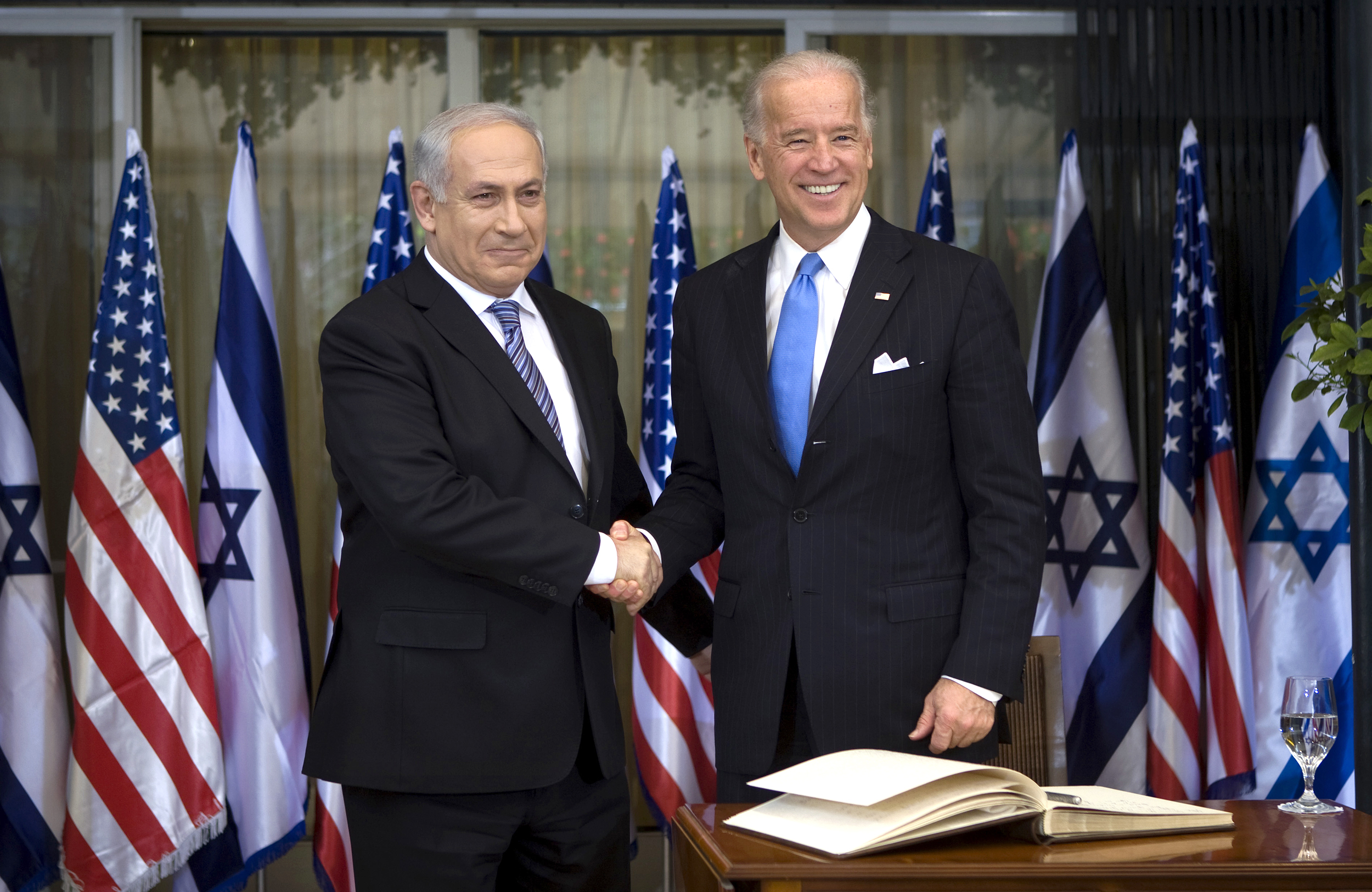
Benjamin Netanyahu and Joe Biden in Jerusalem, on March 9, 2010.

South Africa has joined a group of countries that have formally requested the International Criminal Court (ICC) to issue an arrest warrant for Israeli Prime Minister Benjamin Netanyahu, accusing him of war crimes and crimes against humanity. The move comes amid growing international pressure on Israel to end its occupation of Palestinian territories and its violations of human rights.

The South African government announced on Tuesday that it had submitted a letter to the ICC prosecutor, Fatou Bensouda, expressing its support for the initiative launched by Bangladesh, Bolivia, Comoros and Djibouti in September. The letter stated that South Africa “shares the view that there is sufficient evidence to warrant the issuance of an arrest warrant for Mr. Netanyahu for his role in the commission of serious crimes under international law in the occupied Palestinian territory, including East Jerusalem.”

The letter also urged the ICC to expedite its investigation into the situation in Palestine, which was opened in March this year, and to hold Israel accountable for its actions. “South Africa believes that the pursuit of justice and accountability is essential to achieve a lasting and peaceful resolution of the Israeli-Palestinian conflict, based on the two-state solution and in accordance with international law,” the letter said.

The initiative by the five countries is based on Article 58 of the Rome Statute, which allows any state party to the ICC to request the issuance of an arrest warrant for a person suspected of committing crimes within the court’s jurisdiction. The ICC has the authority to prosecute individuals for genocide, crimes against humanity, war crimes and the crime of aggression.

Netanyahu has repeatedly dismissed the ICC’s investigation as a “political witch-hunt” and a “baseless and outrageous” attack on Israel’s right to self-defense. He has also vowed to fight any attempt to bring him or any Israeli official before the court. Israel is not a member of the ICC and does not recognize its jurisdiction.

However, the ICC has asserted that it has jurisdiction over the occupied Palestinian territory, since Palestine acceded to the Rome Statute in 2015 and referred the situation to the court. The ICC has also said that it will impartially and independently investigate all alleged crimes by both Israelis and Palestinians.

The request by the five countries is likely to increase the diplomatic isolation of Israel, which has already faced widespread condemnation for its recent actions in Gaza, Jerusalem and the West Bank. The United Nations Human Rights Council has also launched an inquiry into Israel’s possible violations of international law during its 11-day offensive on Gaza in May, which killed more than 250 Palestinians, including 66 children.

Nigeria seeks to become a member of the BRICS group of nations within the next two years

Nigeria is a country with a population of over 200 million people, the largest economy in Africa, and a strategic location in the continent. It has been playing an active role in regional and international affairs, contributing to peacekeeping missions, mediating conflicts, and promoting economic integration.

However, Nigeria also faces many challenges, such as insecurity, corruption, poverty, and underdevelopment. To address these issues and enhance its global influence, Nigeria has set a new foreign policy goal: to join the BRICS group of nations within the next two years.

The BRICS is an acronym for Brazil, Russia, India, China, and South Africa, five emerging economies that have formed a political and economic alliance since 2009. The BRICS countries account for about 40% of the world’s population, 30% of the world’s GDP, and 17% of the world’s trade. They also cooperate on various issues such as security, development, health, education, science, and technology. The BRICS has been seen as a counterweight to the dominance of the Western powers in global affairs.

Nigeria believes that joining the BRICS would bring many benefits to its national interests. First, it would boost its economic growth and development by increasing trade and investment opportunities with the other BRICS countries. Nigeria has already established strong bilateral relations with each of the BRICS members, especially China, which is its largest trading partner and a major source of loans and infrastructure projects.

Second, it would enhance its political influence and voice in the international arena by being part of a powerful bloc that can shape global governance and decision-making. Nigeria has been advocating for a reform of the United Nations Security Council to reflect the realities of the 21st century and to grant Africa a permanent seat.

Third, it would strengthen its security and stability by cooperating with the other BRICS countries on combating terrorism, extremism, piracy, cybercrime, and other transnational threats. Nigeria has been facing a violent insurgency from the Islamist group Boko Haram in its northeastern region since 2009.

To achieve its ambition of joining the BRICS, Nigeria will have to overcome some obstacles and challenges. First, it will have to convince the existing BRICS members that it is a suitable candidate for membership. The BRICS countries have not officially stated any criteria or conditions for admitting new members, but they have indicated that they are not keen on expanding the group in the near future. They may also have some reservations about Nigeria’s political stability, economic performance, human rights record, and regional role.

Second, it will have to balance its relations with other important partners such as the United States, the European Union, and other African countries. Nigeria will have to assure them that joining the BRICS does not mean abandoning or undermining its existing commitments and alliances. Third, it will have to address its own domestic challenges such as improving governance, fighting corruption, reducing poverty, enhancing security, and diversifying its economy.

Nigeria’s aspiration to join the BRICS is a bold and ambitious one that reflects its confidence and vision as a rising power in Africa and the world. It also shows its recognition of the changing dynamics of global politics and economics that require new partnerships and strategies. However, Nigeria will have to work hard to realize this aspiration and to prove itself as a worthy member of the BRICS.


AI Should Be Decentralized as Much as Possible, Open Source is A Great Step Toward Achieving It

0

Artificial intelligence (AI) is one of the most powerful and influential technologies of our time. It has the potential to transform various domains such as healthcare, education, transportation, entertainment, and more. However, it also poses significant challenges and risks, such as ethical dilemmas, privacy violations, bias, and security threats. Therefore, it is crucial to ensure that AI is developed and deployed in a responsible and trustworthy manner.

One way to achieve this goal is to decentralize AI as much as possible. Decentralization means that AI systems are not controlled by a single entity or authority, but rather distributed among multiple stakeholders and participants.

This can enhance the transparency, accountability, diversity, and innovation of AI systems, as well as empower the users and communities that interact with them. Decentralization can enhance the diversity, transparency, accountability, and resilience of AI systems, as well as empower users and communities to have more control and influence over the technology that affects their lives.

Open source is a great step toward decentralizing AI. Open source refers to the practice of making the source code of software or hardware available for anyone to access, modify, and share. Open source can foster collaboration, creativity, and learning among developers and researchers who work on AI projects. It can also enable users to inspect, audit, and improve the quality and performance of AI systems. Moreover, open source can facilitate the dissemination and adoption of AI solutions that address social and environmental problems.

How can we ensure that AI is not only available to a few privileged actors, but also to those who need it most?

One possible answer is open source. Open source is a model of software development and distribution that allows anyone to use, modify, and share the code freely. Open source can facilitate the dissemination and adoption of AI solutions that address social and environmental problems, by lowering the barriers to entry, fostering collaboration and innovation, and increasing transparency and accountability.

Some examples of open source AI projects that aim to make a positive impact on the world are:

TensorFlow: A framework for building and deploying machine learning models, developed by Google. TensorFlow is used for a variety of applications, such as natural language processing, computer vision, speech recognition, and recommendation systems. TensorFlow also supports social good initiatives, such as detecting illegal fishing, predicting famine, and diagnosing diseases.

Hugging Face: A platform for natural language processing (NLP), which enables researchers and developers to create and share state-of-the-art NLP models. Hugging Face supports several languages and tasks, such as sentiment analysis, text summarization, question answering, and text generation. Hugging Face also contributes to social good projects, such as fighting online hate speech, improving mental health, and enhancing education.

PyTorch: A framework for building and deploying deep learning models, developed by Facebook. PyTorch is widely used for research and development in computer vision, natural language processing, reinforcement learning, and generative models. PyTorch also enables social good applications, such as detecting deforestation, preventing wildlife poaching, and improving accessibility.

AllenNLP: A library for natural language processing (NLP), developed by the Allen Institute for AI. AllenNLP provides easy-to-use tools and models for common NLP tasks, such as semantic parsing, coreference resolution, named entity recognition, and sentiment analysis. AllenNLP also supports social good efforts, such as fact-checking, combating misinformation, and analyzing social media.

Fast.ai: A library for deep learning, developed by fast.ai. Fast.ai simplifies the process of building and training deep learning models, by providing high-level abstractions and best practices. Fast.ai also promotes social good causes, such as democratizing AI education, empowering underrepresented groups, and tackling global issues.

These are just some of the many open-source AI projects that are making a difference in the world. By sharing their code and knowledge with the community, they are creating opportunities for learning, collaboration, and innovation. They are also increasing the diversity and inclusivity of the AI field, by enabling more people to participate and contribute. And they are enhancing the trustworthiness and responsibility of the AI systems they create, by exposing them to public scrutiny and feedback.

Open source can be a powerful catalyst for social good AI. By embracing the open-source philosophy and culture, we can create more accessible, equitable, and impactful AI solutions that benefit everyone.

Therefore, we argue that AI should be decentralized as much as possible, and that open source is a great step toward this goal. By embracing open-source principles and practices, we can create a more diverse, transparent, accountable, and resilient AI ecosystem that can benefit humanity in a sustainable and ethical way.

OpenAI Reinstates Sam Altman in A Startling Organizational Overhaul

0

In a stunning reversal, OpenAI announced on Wednesday at 10:03 p.m. Pacific Time that Sam Altman, the former CEO who was fired from the company just five days prior, will return to his previous role. 

In addition, a new initial board has been introduced, signaling a major organizational shift.

The unexpected turn of events was disclosed on OpenAI’s official Twitter account, marking the close of a turbulent chapter for the artificial intelligence research lab.

“We have reached an agreement in principle for Sam Altman to return to OpenAI as CEO with a new initial board of Bret Taylor (Chair), Larry Summers, and Adam D’Angelo,” OpenAI said. “We are collaborating to figure out the details. Thank you so much for your patience through this.”

Altman’s return comes after a controversial departure earlier this year when he was accused of inconsistent candor in his communications with the board. Coupled with the announcement of a new board, including Bret Taylor as chairman, Larry Summers, and Adam D’Angelo, these developments suggest a substantial reset for OpenAI.

Altman’s original departure from OpenAI has been the biggest news in the tech world for the past five days. As CEO, Altman was a driving force behind the lab’s ground-breaking research and advancements in artificial intelligence. His exit, marked by the board’s cryptic claim that he was “not consistently candid” in his communications, sparked intrigue and speculation across the industry.

In a tweet, Altman wrote: “I love OpenAI, and everything I’ve done over the past few days has been in service of keeping this team and its mission together… With the new board and with Satya’s support, I’m looking forward to returning to OpenAI, and building on our strong partnership with MSFT.”

Microsoft CEO, Satya Nadella, expressed support for the changes at OpenAI. He tweeted “We are encouraged by the changes to the OpenAI board. We believe this is a first essential step on a path to more stable, well-informed, and effective governance.” 

Former OpenAI president Greg Brockman will also rejoin the organization. It’s unclear whether he will reassume his former role at the organization. Brockman kept his comments short, tweeting: “Returning to OpenAI & getting back to coding tonight.”

The reasons for Altman’s return to OpenAI remain undisclosed for now. It’s unclear whether the issues that led to his exit have been resolved, or if this marks a shift in the board’s stance.

The new initial board, with Bret Taylor (chairman), Larry Summers, and Adam D’Angelo, hints at a possible reshaping of the organization’s leadership and strategy. It remains to be seen how these changes will impact OpenAI’s direction and the broader AI community.

Altman’s return as OpenAI CEO, along with the new initial board, signals a significant turning point for the AI research lab. Altman’s leadership was key to the lab’s early successes, and his return could herald a resurgence of his vision for the company. 

As the tech world digests this news, one thing is clear: the saga of Sam Altman and OpenAI is far from its final chapter, and no one knows for sure what chapter it will turn next.

Beyond Coding and The Richest Man in America of African Origin and Africa’s Latent Opportunities Yet

0
??????????????????????????????????????????????????????

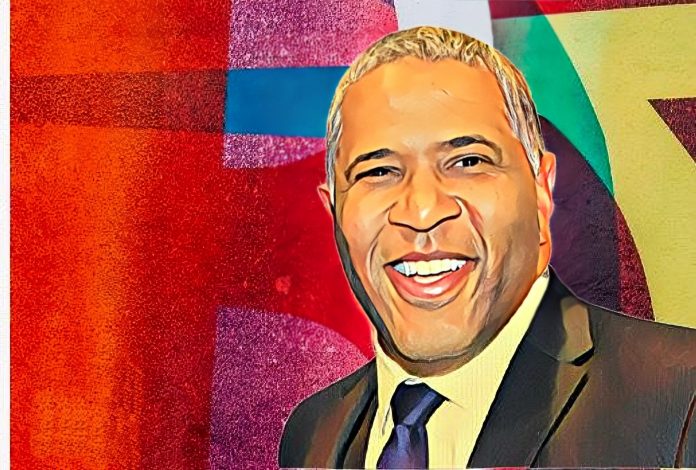
Enterprise software is a massive latent opportunity which must be unlocked. And the interesting element is that creating it may not even be where the juice is. The richest person in America of African origin  makes money via enterprise software. 

Robert F. Smith’s Vista Equity Partners does one thing: “invests in enterprise software opportunities through multiple strategies including private equity, permanent capital, credit and public”. In other words, he does not write codes but buys produced codes packaged as enterprise software. Robert F. Smith is worth $11.9 Billion!

Why this post? A young investment analyst feels lost that he cannot write software. People, who told you that you need to write software to become successful in the business of software? We must avoid the temptation of the group think, and go out and pioneer new vistas in our careers. 

Yes, depending on how you look at it, Robert is the most successful tech geek of African origin, but I am not sure, he knows how to code in Python or whatever because who needs snakes when you can decorate the house with benjamines!

As I write, I am looking for someone with vision to do what Robert F. Smith has done, for Nigeria’s capital market, with another embedded layer of integration, automation and digitization upon enterprise software across many Nigerian sectors, and with the eye on listing in the Nigerian Stock Exchange via different vehicles! If you know anyone with capacity, Tekedia Capital is open to invest.

“Software will eat the world”, they say, but something must prepare the food. Are you there – and ready?

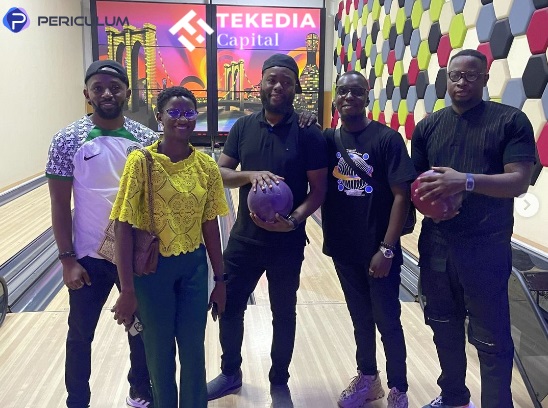
Periculum, A Tekedia Capital Portfolio Startup, Provides AI Services To Clients

0

Periculum, your technology powers intelligence in Nigeria and broad Africa.  From some of the leading financial brands like Fairmoney, Sycamore and leading banks, to law enforcement & security entities, you have baked AI and ML solutions which work for customers across lending, customer intelligence and support, and other domains. Yes, technologies with local intelligence. That is why you are the best!

To learn what Periculum does and how it can help your business mission, click here periculum.io . To learn about Tekedia Capital, click here capital.tekedia.com. At Tekedia Capital, we fund entrepreneurial capitalism, a foundation for the next Africa.

Periculum, proudly backed by Tekedia Capital.