DD
MM
YYYY

PAGES

DD
MM
YYYY

spot_img

PAGES

Home Blog Page 4

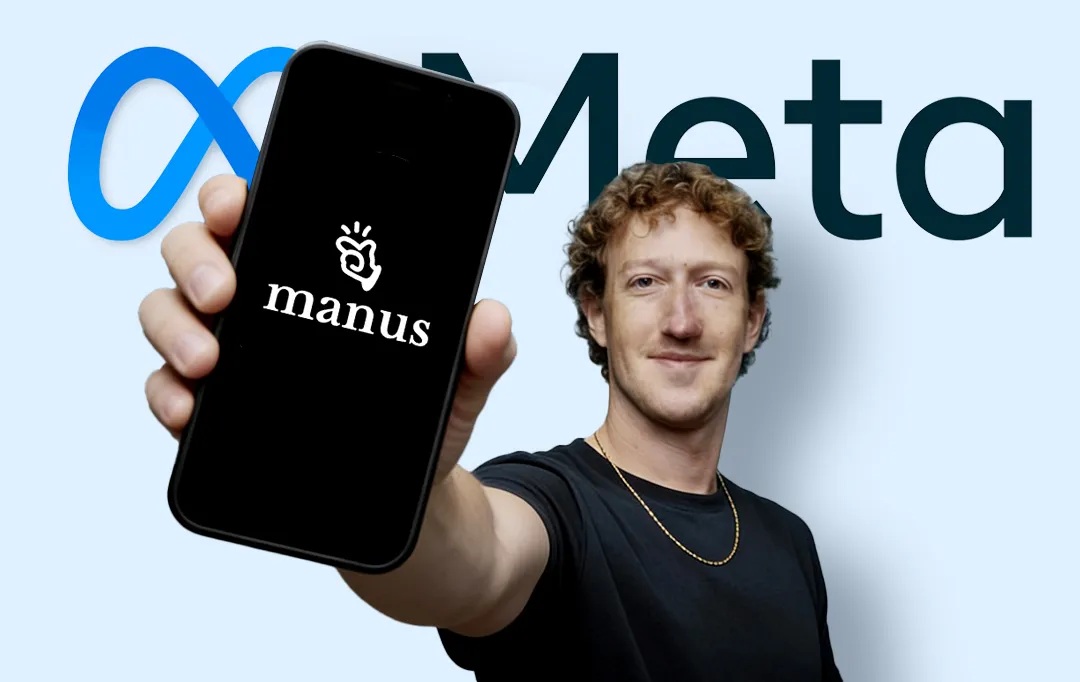
Manus Returns to Independence as China Forces Unwinding of Meta’s $2 Billion AI Bet

0

AI startup Manus is returning to independent operations after Chinese regulators forced U.S. technology giant Meta to unwind its more than $2 billion acquisition of the company, marking one of the clearest examples yet of how governments are tightening control over ownership of strategically important artificial intelligence technologies.

The company said Tuesday that the separation from Meta will also require the deletion of some user data as it disentangles its systems and operations from the U.S. technology group. Certain data generated by users on or after December 29, 2025, will be deleted later this month to comply with regulatory requirements in specific jurisdictions, Manus said.

Affected users will be notified through the Manus app and by email and will be given an opportunity to back up their information before the deletion takes effect.

“This is part of our separation from Meta,” the company said in a statement.

The announcement closes a remarkable chapter for Manus, which only months ago appeared destined to become part of Meta’s expanding artificial intelligence portfolio. Instead, the startup is being returned to independent ownership after Beijing concluded that the transaction could not proceed under China’s stringent rules governing foreign investment in companies developing advanced technologies.

Meta agreed to acquire Manus in a deal valued at more than $2 billion as part of its effort to strengthen its capabilities in advanced AI agents, software designed to carry out complex tasks with limited human supervision.

Chinese authorities ordered the transaction to be unwound in April after reviewing the ownership of technology developed by Manus and the implications of transferring control to a U.S. company. The decision came amid a broader tightening of China’s oversight of foreign investment in companies working on frontier AI, semiconductors and other strategically sensitive technologies.

The ruling underpins a shift in how Beijing views AI startups. While Chinese companies have historically welcomed foreign capital to accelerate growth, regulators are now treating advanced AI capabilities as assets with national strategic importance, making cross-border acquisitions far more difficult.

For Meta, the outcome marks an unusual reversal. Major technology companies routinely acquire promising startups and integrate their engineers and intellectual property into broader AI strategies. In this case, regulatory intervention effectively forced the company to dismantle an acquisition that had already been completed.

The planned deletion of user data offers a glimpse into the technical challenges involved in unwinding a major technology acquisition.

Separating cloud infrastructure, user records, software systems and compliance obligations is considerably more complex than simply changing ownership. Manus said the deletion is necessary to satisfy regulatory requirements in certain jurisdictions as it re-establishes itself as a standalone company.

Although the company has not disclosed the number of users affected, its decision to provide advance notice and a backup window is intended to allow customers to preserve information before the transition is completed.

Tencent Emerges As A Potential New Anchor Investor

Attention is now turning to what Manus will look like after its separation from Meta.

Chinese internet and gaming giant Tencent has been in talks to become Manus’ largest shareholder, according to Reuters, as the startup and its existing investors seek to restore an ownership structure following the collapse of the Meta transaction. The proposed arrangement would involve Tencent alongside existing backers such as ZhenFund and HSG.

A Tencent investment would provide Manus with substantial financial resources, cloud infrastructure and distribution capabilities while keeping the company outside the control of a U.S. technology group.

The discussions also emphasize how domestic investors in China are increasingly stepping in to support companies whose international ownership plans have been complicated by geopolitical tensions.

Manus attracted global attention after unveiling an AI agent designed to autonomously perform multi-step tasks, including research, coding and web-based workflows, with relatively limited user intervention.

The company quickly became one of the most closely watched startups in the emerging market for AI agents, a field that has attracted intense investment from companies including OpenAI, Anthropic, Google and Meta.

However, it is believed that the collapse of the Meta-Manus transaction is likely to resonate well beyond the two companies. The deal shows that AI acquisitions are now being judged not only on traditional competition grounds but also on questions of national security, technology transfer, data sovereignty and strategic industrial policy.

Governments in both China and the United States have introduced measures aimed at controlling investment in advanced technologies, creating a more complicated environment for multinational technology companies seeking to buy promising AI startups across borders.

The result is a global AI industry that is becoming more fragmented, with ownership, investment and access to technology shaped by geopolitical considerations as much as commercial strategy.

The immediate priority for Manus will be rebuilding as an independent company, reassuring users during the data transition and securing long-term financing. If Tencent’s investment proceeds, the startup could emerge from the failed Meta acquisition with a powerful domestic shareholder and a renewed mandate to compete independently in one of the technology industry’s fastest-growing markets.

What Instagram Tracking Tools Cost in 2026

0

Instagram tracking prices now span a very wide range. Some account insights remain free. Budget subscriptions may cost only several dollars monthly. Professional plans can reach hundreds per user. The advertised rate rarely tells the whole story. History limits, account caps, exports, and taxes change totals. Annual discounts help only when access stays useful.

Free Access Covers Basic Questions

Free access works best for checking owned accounts. Instagram offers free insights for public professional accounts. These reports cover reach, engagement, audience trends, and content results. Metricool includes one brand and 30 days of analytics. Buffer includes three channels and ten queued posts per channel. Both free plans limit history or publishing capacity. Manual tracking becomes the hidden price of staying free.

Budget Plans Depend on the Billing Unit

Buffer Essentials costs $5 monthly per channel with annual billing. One Instagram channel therefore costs $60 yearly. Five channels raise that total to $300. Annual payment carries a 20 percent discount. Advanced analytics and unlimited scheduling enter the paid plan. The low starting price suits one or two accounts. Larger portfolios make channel counts important.

Metricool uses brands rather than individual channels. Its annual Starter price begins at $20 monthly. That equals $240 for twelve months. Monthly billing begins at $25, or $300 yearly. Starter covers up to five brands and unlimited analytics history. The free plan stores only 30 days. The annual choice saves $60 at this level.

Specialized Tracking Uses Shorter Billing Cycles

Specialized tracking solves a narrower Instagram problem. Current FollowSpy pricing starts at $12 weekly for Starter. Premium is listed at $14 weekly. Starter tracks up to two Instagram accounts. It includes recent follow activity and anonymous Story viewing. Premium adds unlimited searches and tracked accounts. The pricing reflects focused access rather than publishing management.

Four Starter weeks cost $48. Four Premium weeks cost $56. Those totals suit a short period of focused checking. A full year would require a different comparison. Weekly access offers more flexibility than an annual contract. It can also become costly when left active unnecessarily. The expected usage period should be decided first.

FollowSpy also displays quarterly billing with a discount. The page currently advertises 30 percent off quarterly plans. Starter fits limited account tracking. Premium fits users needing unlimited account searches. Both plans include the anonymous Story viewer. The best value depends on account volume and duration. A lower tier stops being cheaper when its limits block the task.

Professional Plans Price Workflow and Collaboration

Later Starter costs $18.75 monthly when billed yearly. The annual total is $225. It includes one social set and one user. Scheduling is limited to 30 posts per profile. Analytics history reaches three months. This plan serves a small publishing routine. It does not target personal follower monitoring.

Later Growth costs $37.50 monthly with annual billing. That becomes $450 across one year. It includes two social sets and two users. Analytics history extends to one year. Scheduling rises to 180 posts per profile. Collaboration and approvals also enter the package. The higher rate pays for team workflow.

Extra access can raise the Later bill. Another social set costs $11.25 monthly. An additional user costs $3.75 monthly. Extra artificial intelligence credits cost another $3.75. Taxes are not included in displayed prices. A growing team can outgrow the headline rate quickly. Final cost needs the actual account and user count.

Sprout Social begins far above budget services. Standard is listed at $199 per seat monthly. One seat costs $2,388 across twelve months. Professional costs $299 per seat monthly. Advanced reaches $399 per seat monthly. These plans target formal reporting and team processes. A second seat can sharply increase spending.

The Lowest Price Can Hide the Highest Cost

Annual discounts need a usage test. Later offers 25 percent off yearly billing. Metricool advertises savings up to 24 percent. Buffer gives 20 percent off annual plans. Each discount lowers the effective monthly charge. Each also reduces short term flexibility. Paying yearly makes little sense for a brief project. Commitment belongs inside the cost calculation.

History limits often decide whether a plan works. Thirty days supports basic weekly checks. Three months can cover a campaign. One year supports seasonal comparison. Unlimited history protects longer reporting work. Cheap access loses value when old data disappears. Rebuilding missing records costs time. That labor should appear in the budget.

Taxes and additions can change the final invoice. Metricool excludes applicable VAT from listed prices. Later states that taxes are extra. Buffer charges separately for each connected channel. Later charges for added users and social sets. Sprout Social charges by seat. The visible monthly number is only a starting point.

The billing unit reveals the intended customer. Per channel rates suit small account collections. Brand pricing fits grouped business profiles. Per seat pricing supports structured teams. Weekly pricing supports a defined monitoring period. No structure is always cheaper. Each rewards a different usage pattern. Comparing unlike jobs produces weak conclusions.

A practical choice begins with required outcomes. Count every account that needs access. Decide how much history must remain available. Add exports, anonymous viewing, scheduling, and approvals. Include every person needing a login. Choose the shortest billing cycle that completes the work. Instagram tracking may cost nothing or hundreds monthly. The correct price is the first plan that solves the full task.

PlayNow Casino Review: Games, Sports Betting, Login and Mobile Access

0

The PlayNow casino brings regulated casino games, lottery products and sports betting together in one convenient account. Operated by the British Columbia Lottery Corporation (BCLC), it supports Canadian-dollar payments and offers smooth access through desktop and mobile browsers. Players can explore slots, table games, poker, bingo and lottery draws without switching between separate platforms. The sportsbook also covers popular leagues and offers pre-match and live markets. A clear interface makes it easy to move between products, check account activity and manage funds.

A PlayNow login gives eligible customers a simple way to access the products offered in their province. Registration includes standard age, identity and location checks, helping maintain a secure experience aligned with local requirements. Once verified, users can explore available promotions, manage deposits and set personal limits in the PlayNow Casino account area. GameSense tools also support spending awareness and optional breaks, keeping entertainment positive and balanced.

What PlayNow Offers Canadian Players

PlayNow Canada services are designed around straightforward account management and familiar payment options. A single Canadian-dollar balance can be used across eligible products, making it easier to track deposits, wagers and withdrawals. The interface provides clear navigation, while established suppliers such as IGT and Bally add recognizable titles to the gaming lobby. Customer assistance is available through live chat, telephone and an online contact form.

The Play Now experience also reflects local interests through strong coverage of Canadian sports, provincial lottery draws and tailored promotions. Users can review their transaction history and adjust personal settings directly from their accounts. This practical approach may appeal to customers who value transparent controls and convenient access over an exceptionally large catalogue. Available features can vary by province and should be confirmed on the website.

Feature Details
Operator British Columbia Lottery Corporation in British Columbia
Core availability British Columbia and supported partner provinces
Account currency Canadian dollars
Main products Casino, sportsbook, poker, bingo and lottery
Minimum deposit C$5, according to the reviewed source
Payment methods Visa, Mastercard, Interac, PayPal, American Express and other supported options
Mobile access Browser-based HTML5 platform on compatible devices
Player protection GameSense, spending controls, breaks and self-exclusion
Customer support Live chat, telephone and an online contact form

Product availability, payment limits and promotions can change. Customers should confirm current information on the provincial website before registering or transferring money.

Where PlayNow Is Available in Canada

PlayNow has an established presence in Canada through regulated provincial partnerships. The platform serves eligible players in British Columbia, Manitoba and Saskatchewan, giving customers access to locally approved casino, lottery and sportsbook products. Its Canadian focus supports CAD transactions, familiar sports markets and account tools aligned with provincial requirements. This makes PlayNow a recognizable option within Canada’s regulated online gaming sector.

Players researching PlayNow Alberta should note that Alberta follows a separate provincial model. Residents can access regulated online casino games and sports wagering through Play Alberta, which is operated by Alberta Gaming, Liquor and Cannabis. Although PlayNow itself does not currently accept Alberta-based players, both platforms reflect Canada’s province-led approach to online gambling. Customers exploring Alberta sports betting therefore have a dedicated local alternative with Canadian-dollar payments and provincial oversight.

Before creating an account on any provincial platform:

  • Confirm that the service is authorized in your province.
  • Check the applicable minimum-age requirement.
  • Enter accurate identity and residential information.
  • Complete any required location verification.
  • Access the operator through its website.

Online betting Canada options continue to grow within regulated provincial markets. PlayNow already provides an extensive selection across three provinces, while Alberta residents benefit from their own authorized platform. This regional structure gives Canadian players access to services designed for local payment preferences, regulations and responsible-gambling standards.

Account Registration and Secure Access

Creating an account requires more than choosing a username. The operator must confirm that the customer is eligible to gamble in the relevant jurisdiction. Incorrect personal details can delay verification, deposits or withdrawals.

The registration process generally follows these steps:

  1. Open the website and select Join.
  2. Enter your legal name, birth date and contact information.
  3. Create a strong password that is not used on another website.
  4. Enter the verification code delivered to your email address.
  5. Complete any requested identity and location checks.
  6. Review account limits before making the first deposit.

The PlayNow sign in page should only be accessed through the domain. Customers should avoid saved credentials on shared devices and never disclose verification codes. The Play Now login process may request additional checks when an unusual device or location is detected.

Casino Games and Software Providers

The lobby covers several formats without matching the enormous catalogues promoted by some international casinos. Available PlayNow games come from established suppliers such as IGT, Bally and Big Time Gaming. Titles and providers may change as contracts and provincial approvals evolve.

Slots and Instant Games

Slots form a substantial part of the catalogue. Examples referenced in the reviewed material include Cleopatra, Bonanza, Wolf Run and 88 Fortunes. Their mechanics differ through free spins, progressive prizes, stacked wilds or variable reel layouts.

Return-to-player percentages describe long-term mathematical performance across many rounds. They do not predict an individual session. Progressive jackpots may offer larger headline prizes, but their probability of paying the top award is correspondingly low.

Table, Poker and Live-Dealer Options

The table selection can include blackjack, roulette and baccarat variants. European roulette generally has a lower house edge than the double-zero American version, while blackjack returns depend on both rules and player decisions.

A casino live game connects customers to a streamed table and human dealer. Poker, bingo and keno provide additional formats, although schedules and player traffic can affect availability.

Criterion Casino section Sportsbook section
Main content Slots, tables, poker, bingo and keno Pre-match and live markets
Common features Free spins, jackpots and live dealers Parlays, boosts and early cash out
Mobile access Responsive game lobby Mobile event and bet interface
Primary strength Several gaming formats in one account Coverage of popular Canadian sports
Practical limitation Smaller catalogue than some global sites Markets and features vary by event

The best section depends on entertainment preferences, not expected profit. Every casino product carries a mathematical house advantage.

Sportsbook Markets and Betting Features

PlayNow sports coverage includes major North American competitions and selected international events. Hockey receives particular attention, while football, basketball and soccer offer both popular and specialist markets.

The main categories can include:

  • NHL hockey and other supported leagues.
  • NFL and CFL football.
  • NBA and other basketball competitions.
  • Domestic and international soccer.
  • Tennis, golf, combat sports and esports.

The Play Now sports section supports single wagers and parlays. Some events also offer live markets, promotional odds or early cash out. Early settlement is not guaranteed and its quoted value may be below the eventual return from a winning selection.

For online sports betting, prices matter as much as market variety. Customers should compare the implied probability in the odds and avoid treating a parlay boost as guaranteed value. Combining selections increases the potential payout but also creates more ways for the entire ticket to lose.

This sports betting product is convenient for eligible provincial customers who want local regulation and CAD balances.

Mobile Website and App Availability

The browser platform uses HTML5 and works smoothly on current iOS and Android devices. Players can manage their accounts, make deposits, request withdrawals and open supported games without downloading full casino software. Responsive pages adapt to different screen sizes, making navigation convenient on smartphones and tablets.

The PlayNow app experience can vary by device and province. Specialized mobile products, including poker access, may also be available. Core account functions remain easy to reach, while the mobile interface provides quick access to gaming and sports sections.

Browser-based access requires no manual updates and uses minimal device storage. Pages load directly through a compatible mobile browser, making the platform convenient for play at home or on the move. A stable private connection helps maintain smooth performance during games and financial transactions.

Bonuses, Promotional Codes and Terms

Promotions may include deposit matches, free bets, odds boosts or game-specific rewards. They can be useful, but their displayed value does not necessarily equal withdrawable cash.

Before applying a PlayNow promo code, check:

  • The activation and expiry dates.
  • The qualifying deposit or wager.
  • Eligible games, events and odds.
  • Playthrough requirements.
  • Withdrawal and maximum-win restrictions.

A PlayNow bonus code should only be taken from a current official promotion. Offers described in older reviews may have expired or acquired different conditions. Customers should save the applicable terms when activating a time-limited deal.

Payments, Security and Responsible Gambling

Financial convenience is an important strength, although withdrawal options can be fewer than deposit choices. Supported methods referenced in the source include Visa, Mastercard, Interac, PayPal, American Express, WebCash and online bill payment.

Deposits and Withdrawals

The reviewed information lists C$5 as the minimum deposit. Deposits are generally credited quickly, but bank and payment-provider checks can cause delays. The operator does not necessarily support every listed method for both transaction directions.

Internal withdrawal processing may take up to three business days. Additional time can be required for identity checks or delivery by the payment provider. Customers should verify current limits and fees before choosing a method.

Account and Data Protection

The platform reports using SSL encryption, secure firewalls and login safeguards. Provincial oversight also provides a clearer route for complaints than an operator without a local regulatory framework.

Security still depends partly on the customer. A licensed website cannot protect an account whose password or email verification code has been shared.

GameSense and Player Controls

GameSense encourages customers to treat gambling as paid entertainment. Available controls may help users:

  • Set spending or deposit limits.
  • Monitor money and time spent.
  • Schedule breaks from play.
  • Activate voluntary self-exclusion.
  • Find support when gambling becomes difficult to control.

Limits work best when established before a session. Borrowing money, chasing losses or increasing stakes to recover quickly are warning signs to stop.

Strengths and Practical Trade-Offs

The platform’s main benefits are local oversight and a broad mix of products:

  • BCLC operation within British Columbia.
  • Canadian-dollar payments and balances.
  • Casino, lottery and sportsbook access.
  • Support tailored to provincial customers.

Those benefits come with practical restrictions:

  • Access is limited by province and location.
  • The catalogue may be smaller than global alternatives.
  • Some transactions require several business days.


FAQ

Is there a mobile application?

Mobile access is available through compatible browsers. Specialized applications may also be offered, but their availability and product coverage depend on the device, store and province.

How long can a withdrawal take?

Internal processing can take up to three business days. Identity verification, banking procedures and the selected payment method may extend the total delivery time.

How should players evaluate a promotion?

Read the complete terms before opting in. Check the expiry date, minimum payment, eligible products, wagering requirement and withdrawal rules.

What can players enjoy at PlayNow Casino?

PlayNow Casino brings a varied game selection together in one convenient space, making it easy to explore familiar formats and discover new titles at a comfortable pace.

Why do players appreciate the PlayNow Casino experience?

The PlayNow Casino experience is designed around simple navigation and easy access to game categories, helping players spend less time searching and more time enjoying their preferred entertainment. Responsible-play habits can help keep each session positive and balanced.

What YouTube’s New Monetisation Rules Mean for Future of Creator Economy

0

YouTube’s decision to raise the threshold for creators seeking access to advertising monetisation represents more than a routine adjustment to its Partner Program. It signals a deeper change in the relationship between digital platforms and the millions of people who depend on them to build audiences, generate income and develop online careers. From 2027, new creators will face significantly higher requirements to qualify for advertising revenue, including an increase in the required public watch hours and Shorts views, while existing members of the YouTube Partner Program will not be subjected to these new entry requirements.

Our analysis indicates that this may appear to be a straightforward business decision. YouTube wants creators who can demonstrate sustained audience engagement rather than those who experience occasional viral success. However, the implications are much broader. The change illustrates how digital platforms increasingly shape the opportunities available to creators, and how creators, in turn, adapt their behaviour to the rules established by those platforms. The important question is therefore not simply whether the requirements are higher, but how changing platform rules can reshape the creator economy itself.

For years, YouTube has provided an environment in which individuals can turn creativity into economic opportunity. A creator can produce videos, attract subscribers, build an audience and eventually generate advertising revenue. This has lowered some of the traditional barriers separating ordinary individuals from media production and distribution. However, access to this opportunity has always depended on YouTube’s rules, meaning that when those rules change, creators must also reconsider how they produce content, attract audiences and pursue income.

A new creator entering YouTube after the policy change will have to think differently about content production. Producing an occasional successful video may no longer be enough. Creators may need to publish more consistently, retain viewers for longer, develop stronger communities and think more strategically about the relationship between Shorts and long-form content. This creates an important distinction between having the freedom to create and having the capacity to succeed. Creators remain free to decide what they produce, but the economic consequences of those decisions are increasingly influenced by the platform’s requirements.

This issue is particularly important for emerging creators in developing markets. Established creators typically possess advantages that new entrants do not, including existing audiences, production teams, technical equipment, industry relationships and experience with YouTube’s changing environment. They can therefore absorb changes in monetisation requirements more easily. A new creator, by contrast, begins with limited resources and must build an audience while simultaneously trying to understand and respond to the platform’s expectations.

Higher monetisation thresholds may consequently make the creator economy more difficult to enter, even if they do not formally prevent anyone from creating content. The result could be a gradual widening of the gap between established creators and newcomers. Creators who have already accumulated audiences and income-generating capacity may become increasingly difficult to challenge, while aspiring creators could require considerably more time, resources and strategic planning before they can convert their content into sustainable income.

This does not mean that new creators are powerless. Creators constantly respond to changes in the digital environment by experimenting with different formats, posting schedules, subjects, collaborations and audience-building strategies. They monitor their performance, learn from audience behaviour and modify their approaches. When YouTube changes its requirements, creators are therefore likely to adjust their practices rather than simply accept the consequences. Their ability to adapt remains one of their most important advantages.

At the same time, YouTube itself depends heavily on this constant adaptation. Every video uploaded, subscriber gained, comment generated and hour watched contributes to the platform’s continuing economic success. YouTube needs creators because creators provide the content that attracts audiences and advertisers. The relationship is therefore more complicated than a simple platform-versus-creator conflict. YouTube influences how creators work, but creators also sustain the platform through their continuous production of content and engagement with audiences.

The relationship becomes even more important as artificial intelligence changes the cost and speed of content production. AI makes it possible to produce large volumes of material much faster and more cheaply than before. YouTube has also strengthened its position on repetitive and mass-produced material by clarifying its approach to “inauthentic content,” which may not qualify for monetisation. This suggests that the future of platform income will depend not simply on how much content creators can produce, but increasingly on whether that content provides distinctive value to audiences.

YouTube’s policy change therefore raises a broader question about who controls opportunity in the creator economy. The answer is no longer simply the creator. Platforms increasingly determine the conditions under which digital labour becomes economically valuable because they control access to audiences, monetisation systems, recommendation mechanisms and other resources that creators need to turn attention into income. Yet creators retain considerable influence through their ability to adapt, innovate and develop audiences that can potentially be carried across multiple platforms.

For creators, the lesson is that building an audience is no longer enough; building resilience around that audience is becoming equally important. Developing alternative revenue streams, strengthening direct relationships with audiences, building recognizable brands and avoiding excessive dependence on a single platform could become increasingly important as platforms continue to change their rules.

Google’s Gemini Surpasses 1 Billion Monthly Users, Closing Gap With ChatGPT

0

Google’s Gemini artificial intelligence app has surpassed 1 billion monthly active users, marking a major milestone for the company as it accelerates the rollout of generative AI across its consumer products and narrows the gap with OpenAI’s ChatGPT.

Google CEO Sundar Pichai announced the milestone on X, describing Gemini as one of the company’s fastest-growing products. The achievement makes Gemini the 14th Google product to reach more than 1 billion monthly active users.

The figure places Google’s standalone AI chatbot on roughly the same scale as ChatGPT, which reached 1 billion monthly active users in June. The rapid expansion of both services shows how quickly generative AI has moved from an emerging technology into a mass-market consumer product.

Gemini’s 1 billion figure refers specifically to the Gemini app and does not include users interacting with Google’s AI systems through other products and services.

Google has increasingly embedded Gemini throughout its ecosystem, including Search, Workspace, Android and its dedicated chatbot application. Its AI Mode in Search has also surpassed 1 billion monthly active users globally, although those users are counted separately from the Gemini app.

The distinction highlights one of Google’s principal advantages in the AI race: access to a vast existing user base across its search engine, mobile operating system, productivity software and other consumer services. Rather than relying solely on the standalone chatbot to attract users, Google has been placing Gemini capabilities inside products that millions of people already use. This gives the company multiple channels through which consumers can encounter and adopt its AI technology.

Usage data released by Google also provides an indication of how people are interacting with Gemini. The company said 63% of Gemini users communicate directly with the assistant using its voice feature, suggesting that voice interaction is becoming an important component of AI usage as chatbots evolve beyond conventional text-based interfaces.

Gemini is also being used heavily for image generation. Google said the chatbot now generates more than 150 million images a day, demonstrating that its usage extends beyond questions, writing and information retrieval into creative and visual tasks.

The service has also expanded beyond Google’s own hardware and software ecosystem. Gemini now has more than 100 million active users on Apple’s iOS platform, giving Google access to a large audience outside Android, where the company has greater control over the underlying operating system.

The milestone follows Google’s second-quarter 2026 earnings report, when the company said Gemini had more than 950 million monthly users and that daily active users had tripled over the previous year.

The progression from more than 950 million users to 1 billion highlights the speed at which Gemini is scaling. Reaching the threshold also gives Google a powerful benchmark against which to measure its competition with OpenAI, whose ChatGPT has established a comparable global consumer footprint.

Google is continuing to increase the capabilities of Gemini as its user base expands. The company recently introduced Gemini 3.5 Flash, which it says is aimed at improving coding performance and autonomous AI-agent tasks. The emphasis on agents points to Google’s broader strategy of developing AI systems capable of carrying out multistep tasks rather than simply responding to individual prompts.

That shift could become more necessary as competition moves beyond chatbot popularity toward the amount of work AI systems can perform on behalf of users.

For Google, however, the 1 billion-user milestone is about more than chatbot market share. Gemini is becoming a central layer across one of the world’s largest consumer technology ecosystems. Search, Android, Workspace and other Google services give the company opportunities to distribute capable AI features at a scale few competitors can match.

Google is expected to showcase additional Gemini-powered features at its upcoming Made by Google event, including new capabilities across its Pixel devices.

With Gemini and ChatGPT now each serving around 1 billion monthly users, the generative AI competition is believed to be entering a new phase, where the key contest appears to be about which company can turn those users into habitual customers.