This is the rule: do not begin to scale a business until you have attained a product-market fit. A product-market fit is essentially reaching an equilibrium where what you offer as a product or service is what customers want. Simply, after you have launched that product, you have improved on it to the point users love it.
This is important in business since it is not always a given that the first version of a product will meet the core needs of the users. So, you have to modulate, and using the feedback received, improve the product.
Cutting the phases by launching and scaling with massive media blitz, promotions, advertising, etc will only get users to the platform, but once you cannot retain them, the vision begins to struggle. In other words, when the buzz ends, that product must deliver value to users. And where the value does not exist because there is no product-market fit, wahala dey.
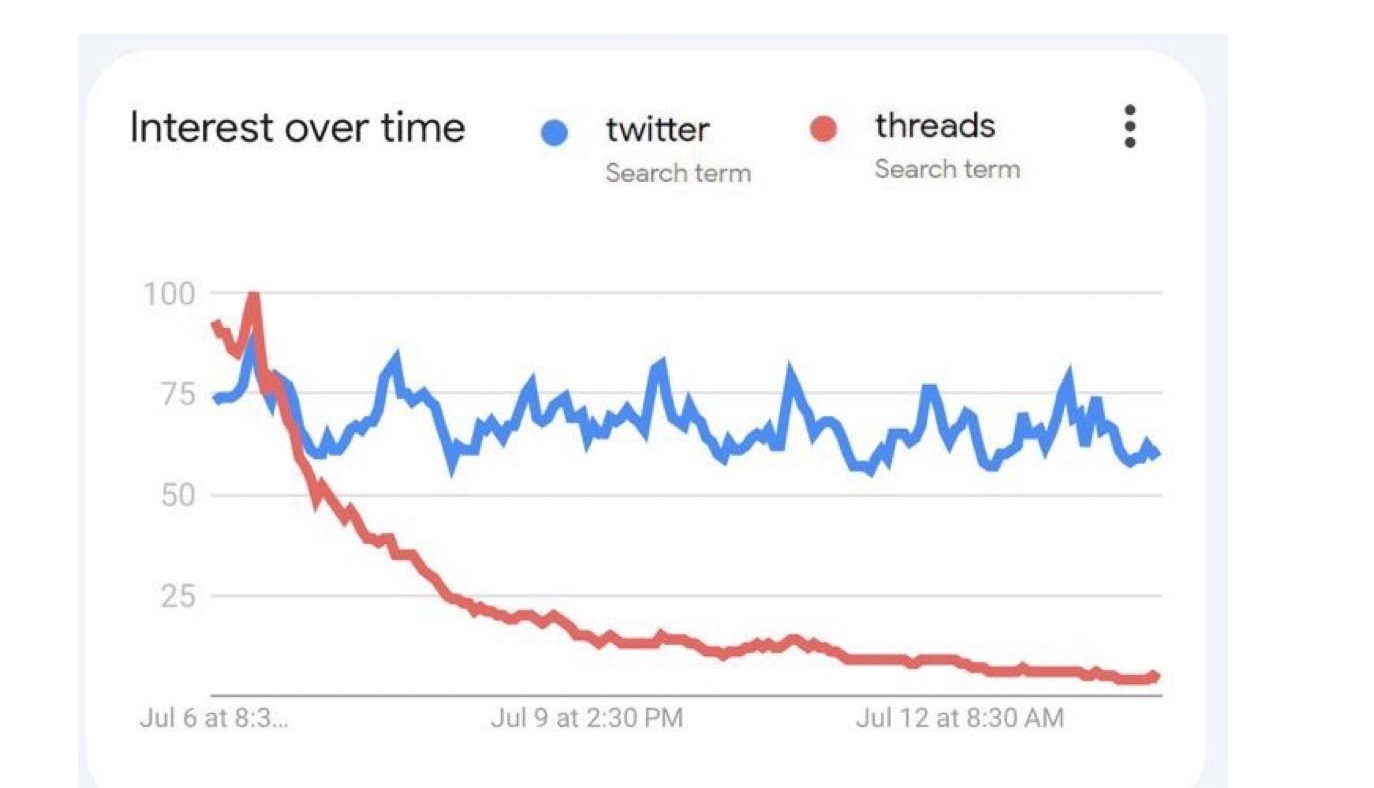
Can you think of a case study? Meta’s Threads. The microblogging platform was launched, but before it could attain a product-market fit, to deliver differentiated value to users (uniquely from Twitter), it was scaled. Today, that buzz has faded and most users have gone. Imagine, if they have restricted access to the first 10,000 people as bigtech does, bake the products better with feedback, and then launch it. Of course, unlike a startup, they do not have to worry about wasting money on adverts since Meta’s bank account is huge and the blitz was largely free.
Meta failed Launch 101!
Money does not solve most fundamental growth problems; product improvements do! Work hard to understand your customers and do all to retain them before you begin to spend on massive scaling.
Never try to scale a business until you can retain customers. That customer retention is a validation of your business hypothesis via product-market fit.
A growth playbook which begins when a company cannot retain customers wastes resources. You are likely going to onboard customers, but the day that marketing or promotion blitz stops, the customers will move.
Build. Pursue product-market fit. Then Scale.

The CEO has already given up on that other app. He hasn’t posted in 4 days and traffic is down 94%. RIP ? pic.twitter.com/2R4vlziJDh
— greg (@greg16676935420) July 14, 2023
Yet, Twitter’s challenges remain: “Twitter owner Elon Musk revealed on Saturday that the platform still has a negative cash flow after a 50% decline in advertising revenue and a “heavy debt load.” Advertisers left the platform when Musk took over last year, but he said in April that “almost all of them” had returned or were planning to come back. Although Musk previously predicted that Twitter would be cash flow positive by June, he tweeted that “July is a bit more promising”for increased ad revenue. Twitter rolled out a new policy allowing creators on the site to pocket a portion of ad revenue they make from ads posted in replies to their tweets.”