DD
MM
YYYY

PAGES

DD
MM
YYYY

spot_img

PAGES

Home Blog Page 4077

Notable Provisions of The CBN Revised Guidelines on The Bancassurance Referral System in Nigeria

0

In 2010, the CBN Regulation on the Scope of Banking Activities and Ancillary Matters No. 3, 2010 was issued to repeal the Universal Banking Model, which hitherto permitted banks to engage in non-core banking financial activities either directly or indirectly through designated subsidiaries. 

In the light of developments and the need to ensure synergy in the financial system, the Central Bank of Nigeria (CBN) in exercise of its power under Section 33(1)(b) of the CBN Act 2007 and the provision of Part 2, Section 3, Item (l) of the CBN Scope, Conditions & Minimum Standards for Commercial Banks Regulations No. 01, 2010 has considered it necessary to issue these guidelines on Bancassurance. 

The guidelines set out the regulatory framework for the offering of bancassurance products through the non-integrated referral model. The choice of this model is premised on the fact that it does not preclude banks from focusing on their core banking businesses and does not undermine the essence of the CBN’s New Banking Model.

This article will thus be looking into the notable provisions of the CBN Bancassurance guidelines.

What are the definitions of some important terms regularly highlighted or used by the guidelines?

Bancassurance – An arrangement in which insurance companies leverage on the customer base of banks to sell insurance products to banks’ customers.

Referral Model – In this model, a bank refers its customers to its partner insurance companies. In return, the bank receives a commission on each lead closed by the insurance company. The bank is not involved in marketing the products.

Bancassurance Agreement – A contract duly executed between a bank and an insurance company to engage in the referral model of bancassurance.

Bancassurance Products – Insurance products which fall under the General and Life insurance business that would be sold to banks’ customers by the insurance company under a bancassurance referral model agreement. The product is distinct from insurance covers that serve as mitigants for losses against credit and other risks.

Commission – Referral fee payable to the bank by the insurance company in line with the provisions of the Bancassurance Agreement.

Which activities are classified as “Prohibited Business” under the Bancassurance guidelines?

The following businesses are prohibited under the guidelines:-

-Banks shall not engage in any other model of bancassurance other than that permitted under these guidelines and for which approval has been obtained from the CBN. 

-Banks shall not offer banking products that incorporate insurance features.

– Banks shall not offer free premium payments as a feature of any of their products.

-Banks shall not provide the bancassurance referral service in a manner that contravenes these guidelines.

What is the provision of the CBN Guidelines regarding bancassurance arrangements between banks and insurance companies?

The guidelines provide that the referral model of bancassurance arrangements between a bank and an insurance company shall not be valid without an executed Bancassurance Agreement.

Banks shall not undertake any insurance marketing, underwriting or claim settlement. This must be clearly stated in the Bancassurance Agreement.

Banks are also to ensure that no risks are transferred to it and shall not assume any fiduciary responsibility or liability for any consequences, financial or otherwise, arising from the subscription to insurance policies by their customers under the Bancassurance Referral Model. 

Is there a need for regulatory approval from the CBN regarding bancassurance arrangements?

Yes, there is. The offering of bancassurance referral services by a bank is subject to the CBN’s approval. A bank that intends to offer bancassurance referral services is required to submit the following alongside its application:

  • An extract of Board resolution approving the service.
  • The Bancassurance Agreement between the bank and the insurance company.
  • The bank’s assessment of risks and mitigants put in place.

What are the provisions of the guidelines on the marketing of bancassurance products and policy documents?

– The insurance products to be sold shall be strictly the products of the insurance company. 

– The bank’s name or logo shall not appear in any of the policy documents.

-The insurance marketers may be allowed to occupy a space in the banking hall of the bank.

– Banks shall maintain adequate records of all transactions which will be reviewed during supervisory activities.

What are the provisions of the guidelines on claims handling and settlement?

-Banks shall not be responsible for claims handling and settlement as these are the responsibilities of the insurance companies.

 -The insurance companies shall be solely responsible for the collection of necessary documents and information related to claims.

What are some of the notable Consumer Protection Safeguards provided by the guidelines?

-The referral shall be based on the needs of the customers as assessed by the banks and would be advisory in nature. This shall be made known to the customer.

– Banks are prohibited from influencing or compelling customers in any way to take up insurance products from insurance companies they have bancassurance referral agreement with.

-Banks shall not charge their customers service fee, processing fee, administration charge or any other fee for the referral.

-Banks shall ensure the confidentiality of consumer data and information.

-Banks shall ensure that the insurance company has in place an appropriate complaints redress mechanism.

What are the provisions of the guidelines on annual disclosures?

Banks shall disclose in the notes to the annual financial statements referral commission earned from bancassurance services.

What are the provisions of the guidelines on non-compliance?

Banks should ensure compliance with these guidelines as any breach of the Guidelines shall attract sanctions in accordance with the relevant sections of the Banks and Other Financial Institutions (BOFIA) Act. In addition, the bank may be prohibited from offering bancassurance referral services.

Former SEC Chairman says Spot Bitcoin ETFs should be Approved

0

In a recent interview with CNBC, former Securities and Exchange Commission (SEC) Chairman Jay Clayton said that he believes the SEC should approve spot Bitcoin exchange-traded funds (ETFs), which are funds that track the price of Bitcoin directly and allow investors to buy and sell the cryptocurrency without having to deal with intermediaries or custody issues.

Clayton, who led the SEC from 2017 to 2020, said that he thinks the agency has done a good job in regulating the crypto space, but that there is still room for improvement. He said that one of the areas where the SEC could provide more clarity and certainty is in the approval of spot Bitcoin ETFs, which have been repeatedly rejected by the regulator over concerns about market manipulation, fraud, and lack of transparency.

I think we’re at the point where these products can be offered in a way that meets the investor protection standards that we apply to other products,” Clayton said. “I think there’s enough maturity in this market that we can have spot ETFs.

Clayton’s comments come at a time when the SEC is facing increasing pressure from the crypto industry and lawmakers to approve spot Bitcoin ETFs, especially after the agency greenlighted several futures-based Bitcoin ETFs in October. Futures-based ETFs track the price of Bitcoin futures contracts, which are derivatives that expire at a certain date and are traded on regulated exchanges. While futures-based ETFs offer some exposure to Bitcoin, they also introduce additional costs and risks, such as contango, rollover, and leverage.

Many crypto advocates argue that spot Bitcoin ETFs would be more beneficial for investors, as they would offer lower fees, higher liquidity, and more accurate price discovery. They also claim that spot Bitcoin ETFs would boost the adoption and innovation of the crypto sector, as they would attract more institutional and retail investors to the market.

However, the SEC has not yet shown any signs of changing its stance on spot Bitcoin ETFs. In fact, the agency has recently delayed or rejected several applications for spot Bitcoin ETFs from various firms, such as VanEck, Valkyrie, WisdomTree, and Kryptoin. The SEC has cited various reasons for its decisions, such as insufficient information, inadequate surveillance agreements, and unresolved legal questions.

The SEC’s reluctance to approve spot Bitcoin ETFs has also drawn criticism from some lawmakers, who have urged the agency to act more swiftly and transparently on the matter. For instance, Senator Cynthia Lummis, a Republican from Wyoming and a vocal supporter of crypto, said in a tweet that she was “disappointed” by the SEC’s rejection of VanEck’s spot Bitcoin ETF proposal, and that she hoped the agency would “reconsider its approach.”

Clayton, who is now an advisor for One River Asset Management, a firm that invests in crypto assets, said that he respects the SEC’s current leadership and that he is not trying to influence their decisions. He said that he is simply sharing his personal views based on his experience and knowledge of the market.

“I’m not second-guessing what they’re doing,” Clayton said. “I’m just saying that from my perspective, having lived in this space for quite some time, I think we’re ready for this product.”

Boldd Launches To Power Enterprises with Cutting-edge Financial Tools

0

One of Tekedia Capital portfolio startups, 1App, has a new product: Boldd: “We are thrilled to introduce Boldd to the business community…Our platform is a game-changer, providing businesses of all sizes with the tools they need to thrive in today’s competitive landscape. With Boldd, organizations can streamline their processes, gain real-time insights, and unlock their full growth potential,”  said Opeyemi Adekunle, CEO at 1App Technologies.

With close to 150,000 users, 1App serves many happy users. And with Boldd here, many enterprise customers will see happy bank alerts because Boldd is designed to help companies grow. Check it out here useboldd.com  and learn more about Tekedia Capital here.

Be bold on your revenue target with Boldd’s financial tools.

—- Press Release

Introducing Boldd: Revolutionizing Business Management with Cutting-Edge Tools and Integrations

Today marks a significant milestone in the realm of business management as 1app Technologies proudly unveils its latest offering, Boldd. This groundbreaking platform is set to transform the way businesses operate, providing a comprehensive suite of top-notch financial tools and integrations to propel organizations towards unprecedented success.

Designed to cater to the diverse needs of modern enterprises, Boldd revolutionizes the way businesses manage their operations. By seamlessly integrating a wide array of powerful features, this platform empowers entrepreneurs, executives, and managers to expand their businesses, streamline workflows, and achieve unparalleled efficiency.

Boldd boasts an impressive arsenal of cutting-edge financial tools, carefully crafted to address the complex challenges faced by today’s business leaders. From robust payroll management software to sophisticated branch management software and virtual USD cards, this all-encompassing platform ensures that organizations can stay on top of their financial health while making informed, data-driven decisions.

What sets Boldd apart is its seamless integration with other mission-critical business applications. By effortlessly connecting with leading systems, team management tools, and bills payment, businesses can consolidate their operations, eliminating data silos and fostering collaboration across teams. This integration-centric approach enhances productivity, streamlines workflows, and drives efficient cross-functional cooperation.

“We are thrilled to introduce Boldd to the business community,” said Opeyemi Adekunle, CEO at 1app Technologies. “Our platform is a game-changer, providing businesses of all sizes with the tools they need to thrive in today’s competitive landscape. With Boldd, organizations can streamline their processes, gain real-time insights, and unlock their full growth potential.”

To learn more about and its comprehensive suite of financial tools and integrations, visit useboldd.com 

Flutterwave Launches ‘Tuition’, to Help African Students Studying Overseas Pay Their Fees Seamlessly And on Time

0

Nigerian fintech company Flutterwave has launched a new product called ‘Tuition’, to help African students studying overseas pay their school fees seamlessly and on time using their local currencies.

Flutterwave via a blog post disclosed that the rollout of Tuition is to solve the myriad of challenges that African payments face when trying to pay for school fees to institutions abroad.

The new service will leverage Flutterwave’s world-class payments technology solutions to enable students, parents, guardians, and sponsors to pay school fees to over 40 institutions in the Uk, with plans to add more institutions in more countries in Africa and beyond.

Currently, the feature supports payments from the following African countries; Cameroon, Ghana, Ivory Coast, Kenya, Nigeria, and South Africa. Flutterwave also plans to add more schools in Africa, the UK, the US, Canada, France, and Germany as it grows access to the product.

Speaking on the launch of ‘Tuition, Flutterwave CEO Olugbenga “GB” Agboola said,

“We are excited to launch Tuition to support the dreams of African students across all levels who want to study anywhere without worrying about how to meet the deadline for their school fees payment. With Tuition, we are providing a safer, reliable, and affordable means for African students to pursue their dreams and seamlessly get financial support from parents, guardians, and sponsors”

Also commenting on the launch, product manager at Flutterwave, Stella Elele said,

“We are always looking for new ways to make payment challenges in Africa hassle-free, and we are confident that Tuition will be a game changer for parents who want to support their children’s education. We are excited to offer this solution to parents in Nigeria, with plans to eventually roll out the service to other African countries. We want to provide the best possible service and support for our customers.”

For Nigerian users only, they can make payments using their debit card, credit card, Google Pay, or by bank transfer, which will be delivered within 48 hours. On its FAQ page, Flutterwave disclosed that it will make use of current market rates to determine the payment rate. The startup will charge a flat fee of 20 GBP for every payment made through Tuition.

The launch of this new product ‘Tuition’ by Flutterwave, no doubt offers a huge sigh of relief to African parents or sponsors who have their wards studying in institutions overseas. Sometimes, they are often faced with delays in payments of their children’s tuition in foreign institutions due to challenges to access forex from banks in good time.

Recall that last year, some Nigerian students who had been accepted at universities in the United Kingdom had their enrolments canceled and had to return home because they were unable to pay their tuition fees on time due to a lingering foreign exchange (forex) crisis in the Nigerian banking system.

The affected students had reportedly requested forex from their banks in Nigeria and asked the banks to remit the money to their universities’ accounts, yet the funds were not processed in time.

With Flutterwave rollout of Tuition, such challenges will cease to exist. The payments giant has continued to eliminate pain points for its customers and potential clients, which has also seen it partner with global payments companies to ensure seamless transfer of funds internationally.

Crypto Scam and Identity Theft Spreading on Threads

0

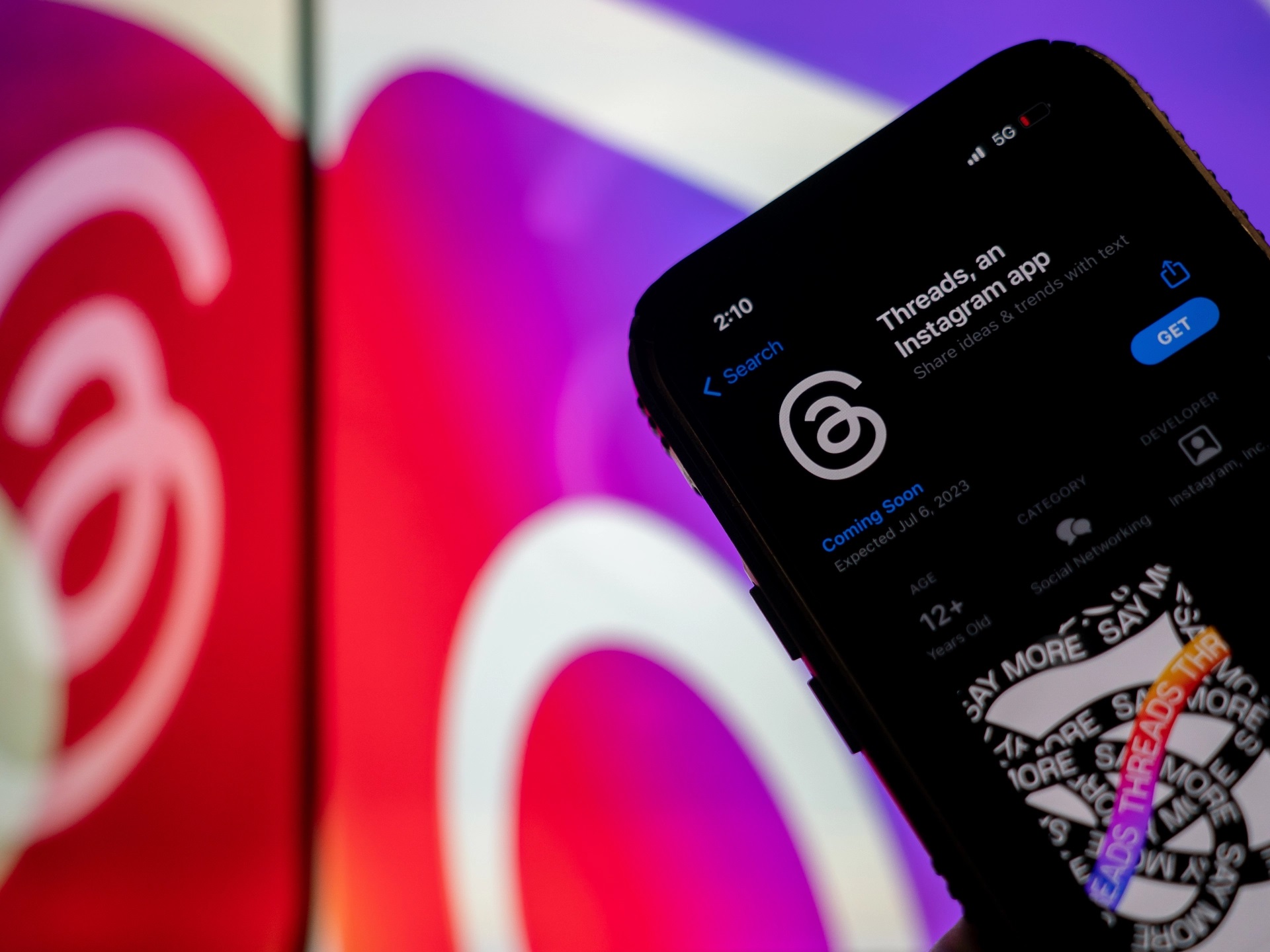
Crypto scams including fake accounts of crypto projects are spreading rapidly on newly created platform Threads. This is a serious threat to the security and reputation of the platform, as well as the users who may fall victim to these fraudulent schemes.

Threads is a decentralized social network that allows users to create and join communities based on their interests and passions. Threads also enables users to earn tokens by contributing to the network and participating in governance. However, this also attracts scammers who want to exploit the enthusiasm and curiosity of new and existing users.

Crypto scams are attempts to deceive people into sending money or personal information to scammers who pretend to be legitimate crypto projects or influencers. They often use social media platforms like Threads to reach a large audience and create a sense of urgency or FOMO (fear of missing out). Some common types of crypto scams are.

One of the most common types of crypto scams in Threads is impersonating official accounts of crypto projects or influencers. These fake accounts often have similar usernames, profile pictures, and bios as the real ones, but they may have subtle differences such as spelling errors, extra characters, or missing verification badges. They may also follow or be followed by other fake accounts to create a false sense of legitimacy.

These fake accounts usually try to lure users into sending them money or personal information by promising rewards, giveaways, airdrops, or exclusive access to new features or products. They may also try to direct users to phishing websites or malicious apps that can steal their credentials or infect their devices with malware.

To avoid falling victim to these crypto scams, users should always verify the identity and reputation of the accounts they interact with on Threads. They should also never share their private keys, passwords, recovery phrases, or any sensitive information with anyone online. They should also be wary of any offers that sound too good to be true, and always do their own research before investing in any project or service.

Threads is a platform that aims to empower users with freedom, privacy, and sovereignty over their online interactions. However, this also comes with responsibility and vigilance. By being aware of the risks and signs of crypto scams, users can protect themselves and their assets, and help maintain the integrity and trust of the crypto community.