DD
MM
YYYY

PAGES

DD
MM
YYYY

spot_img

PAGES

Home Blog Page 4077

Petrol Pump Price Rises to N650 Per Litre in Nigeria

0

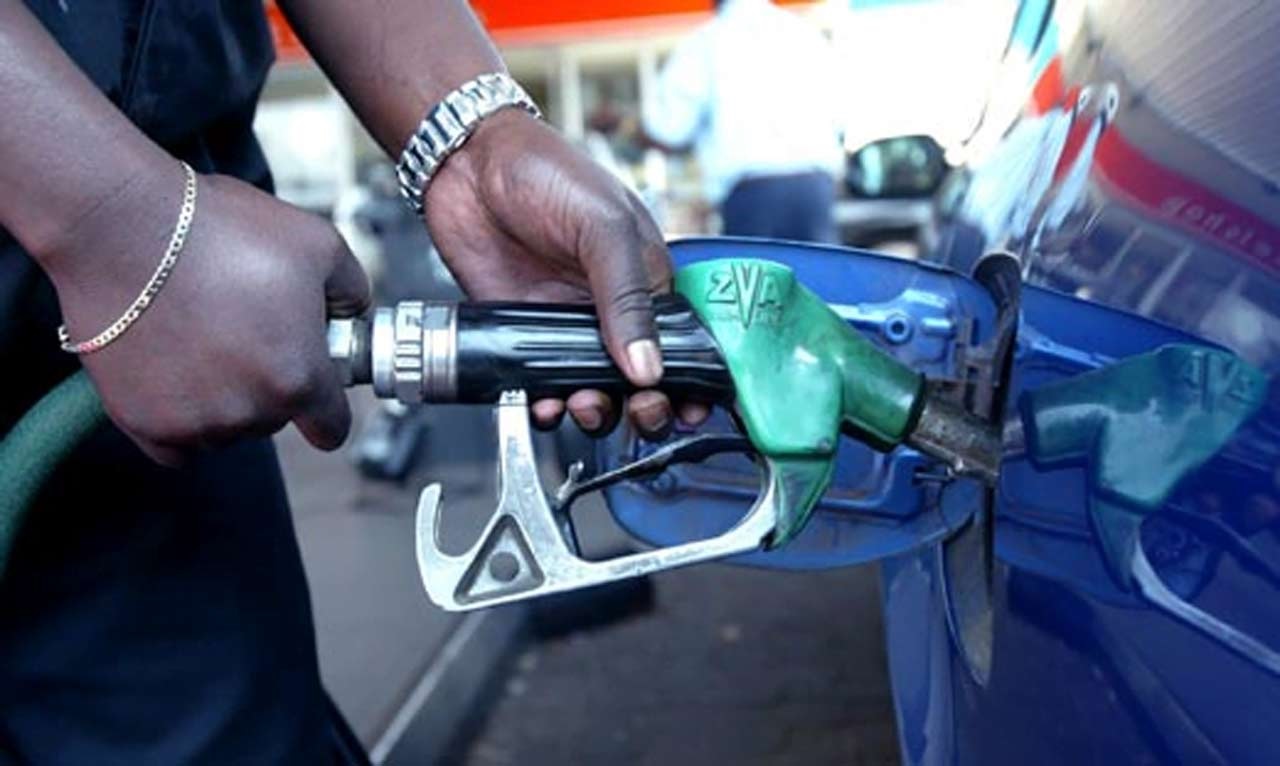
The cost of Premium Motor Spirit (PMS) has risen as much as N650 in some parts of Nigeria, following a jump in the price of crude oil in the international market and the poor performance of the naira in the forex market.

This is coming weeks after President Bola Tinubu announced the removal of fuel subsidy, and the central bank’s decision to float the FX market.

Petrol stations have begun to adjust their pump prices to reflect the changes in the markets. In June, the National Controller Operations, Independent Petroleum Marketers Association of Nigeria, Mike Osatuyi, warned that PMS prices will likely rise in July, as market fundamentals become the major determinant of the prices.

“What I am seeing is around N600 and above, depending on the exchange rate, the current crude price at the international market, and the landing cost. Those in Lagos will pay around N600, those outside Lagos around N600 plus, while those in the north would be paying anything from N700 and above,” he said.

Though the Independent Petroleum Marketers Association of Nigeria (IPMAN) debunked the report, saying the association has no plans to increase pump prices for now, the jump in fuel costs has proved Osatuyi right.

In Lagos and the Federal Capital Territory (FCT) Abuja, the price rose to N617 and N640, while in Ondo and Kano states; it sells for N650 and N620 per liter.

The prices are expected to go up in northern states like Sokoto and Maiduguri because of higher transportation costs emanating from moving the products from Lagos to the far north.

Mele Kyari, the group chief executive officer of the Nigerian National Petroleum Company Limited (NNPCL), said on Tuesday that the increase was determined by market forces.

Besides Brent crude price rising to $78.86 per barrel, naira’s performance in the forex market contributed immensely to the current price of fuel. The naira has slumped below N800/$1 in the Investor and Exporter, forcing an increase in the price of goods and services. This also means that the price of petroleum products will rise accordingly.

Marketers had in June explained that Nigerians were able to buy fuel below N600 per liter because they were still loading petroleum products at a government price of N496.50 per liter. But with the old stock out and new products arriving at higher landing costs based on current forex realities; it’s realistic to expect an increase in pump prices.

While Dangote Refinery is yet to begin operation as expected this month, consumers are counting on competition to drive the price down.

Ahmed Farouk, Chief Executive Officer of the Nigerian Midstream and Downstream Petroleum Regulatory Authority (NMDPRA), said the agency plans to issue more licenses to petrol importers. According to Farouk, more than 56 companies applied for import licenses to bring in petrol, but only 10 of them showed a commitment to import. Among these, Emadeb Energy, A.Y Shafa, and Prudent Energy successfully imported petrol into the country.

However, the increase in fuel prices means that Nigeria’s inflation is going to see a further spike as the cost of living soars. The Nigerian Bureau of Statistics announced on Monday that inflation rose to 22.79% in June, driven by the rise in the cost of goods and services that includes fuel.

The impact of this on businesses, which rely largely on generators for electricity supply, is expected to be severe. Many businesses are expected to shut down if the government does not act fast to mitigate the impact of fuel subsidy removal.

Meanwhile, the total fuel consumed in Nigeria has since dropped, post the removal of fuel subsidy.

He added that this represents a 35% reduction when compared with the 65 million litres per day, prior to subsidy removal, citing that, the daily average truck out after the announcement of the subsidy removal on May 29, dropped to 46.38 million litres per day.  The fuel regulator chief, said this is a significant reduction when compared to previous months saying: 

“The current daily consumption has drastically reduced as against 65 million litres which had been the daily consumption before subsidy removal. 

“In January, it was 62 million litres per day; February, 62 million litres per day; March, 71.4 million litres per day; April, 67.7 million litres per day; May 66.6 million litres per day; June, 49. 5 million litres per day and July, 46.3 million litres per day,”.

 

PwN Secures $2 Million in VC Fundings, As Coinfund set to back Early Crypto Startups with $158 Million

0

The decentralized finance (DeFi) sector is booming and one of the most promising startups in this space is PWN, a platform that allows users to borrow and lend crypto assets using smart contracts. pwn has recently announced that it has raised $2 million in a seed funding round led by some of the most prominent investors in the crypto industry, such as Coinbase Ventures, Pantera Capital, and Polychain Capital.

PWN aims to disrupt the traditional mortgage industry by offering a more transparent, efficient, and accessible way of financing real estate. Users can use their crypto assets as collateral to borrow stablecoins, which they can then use to pay for their property. Alternatively, users can also lend their stablecoins to other borrowers and earn interest. PWN leverages blockchain technology to ensure that the transactions are secure, fast, and verifiable.

PWN’s founder and CEO, Alice Smith, said that the funding will help the startup to scale its platform and reach more users across the globe. She also said that PWN has a vision of creating a more inclusive and fair financial system that empowers people to own their homes without intermediaries or barriers.

“We are thrilled to have the support of such reputable investors who share our vision of democratizing access to real estate financing. With PWN, anyone can use their crypto assets to get a mortgage or earn passive income by lending. We believe that this is the future of finance, and we are excited to be part of it,” Smith said.

PWN is currently in beta testing and plans to launch its mainnet in Q4 2023. The platform supports various crypto assets, such as Bitcoin, Ethereum, USDC, DAI, and more. PWN also has a native token, PWN, which is used for governance and incentives. Users can stake PWN to participate in the platform’s decision-making process and earn rewards.

PWN is one of the first DeFi platforms to focus on the mortgage market, which is estimated to be worth over $30 trillion globally. By leveraging the power of DeFi, PWN hopes to create a more open and efficient way of financing real estate that benefits both borrowers and lenders.

Coinfund to back Early Crypto Startups with with fresh $158 million

CoinFund, a leading crypto asset investment firm, announced today that it has raised $158 million for its third fund, which will focus on early-stage startups in the blockchain and decentralized web space. The fund, dubbed CoinFund III, was oversubscribed and attracted institutional investors, family offices, and high-net-worth individuals from around the world.

CoinFund was founded in 2015 by Jake Brukhman, a former software engineer and tech entrepreneur, who saw the potential of crypto assets as a new asset class that could enable novel business models and social coordination mechanisms. CoinFund has since invested in over 100 projects across various sectors, such as decentralized finance (DeFi), non-fungible tokens (NFTs), gaming, social media, infrastructure, and more.

Some of the notable portfolio companies of CoinFund include Rarible, a leading NFT marketplace; The Graph, a decentralized protocol for indexing and querying blockchain data; Livepeer, a decentralized video streaming network; and Audius, a decentralized music streaming platform.

CoinFund III will continue to support innovative and visionary founders who are building the next generation of decentralized applications and platforms. The fund will also leverage CoinFund’s extensive network and expertise in the crypto space to provide strategic guidance and operational support to its portfolio companies.

Brukhman said in a press release: “We are incredibly grateful to our investors for their support and trust in our team and vision. CoinFund III is a testament to our conviction in the long-term potential of crypto assets and the decentralized web. We believe that this technology will have a profound impact on the future of the internet and society at large, and we are excited to partner with the best entrepreneurs who are driving this transformation.”

Coinbase Brian Armstrong to hold Meeting with House Democrats

0

Coinbase CEO Brian Armstrong is scheduled to meet with several members of the House Democratic Caucus on Wednesday, according to a report by Politico. The meeting comes amid growing regulatory scrutiny of the cryptocurrency industry and Coinbase’s recent clash with the Securities and Exchange Commission (SEC) over its proposed lending product.

Armstrong, who has been vocal about his frustration with the lack of clarity and innovation-friendly policies in the U.S. crypto regulation, will likely use the opportunity to advocate for a more balanced and supportive approach from lawmakers and regulators. He will also likely face questions and concerns from some of the lawmakers, who may be wary of the risks and challenges posed by the rapidly evolving crypto space.

Coinbase, the largest U.S. crypto exchange by market capitalization, has been at the center of several regulatory disputes in recent months. In September, Armstrong publicly criticized the SEC for threatening to sue Coinbase if it launched its Lend program, which would allow users to earn interest on their crypto holdings. Armstrong accused the SEC of engaging in “sketchy behavior” and creating an “unfair market” for crypto innovation.

Coinbase later announced that it would delay the launch of Lend indefinitely and cooperate with the SEC’s investigation. However, the company also filed a legal complaint against the SEC, seeking to obtain documents and information related to the agency’s decision-making process and communications with other crypto platforms that offer similar products.

Coinbase has also faced pushback from other regulators, such as the Commodity Futures Trading Commission (CFTC), which fined Coinbase $6.5 million in March for allegedly reporting false or misleading information about its trading volume and liquidity. Additionally, Coinbase has been sued by several customers who claim that the company mishandled their personal data and failed to protect them from hackers and fraudsters.

Despite these challenges, Coinbase remains one of the most influential and successful companies in the crypto industry, with over 68 million verified users and a market value of about $65 billion as of Tuesday. The company went public in April through a direct listing on Nasdaq, marking a historic milestone for the crypto sector.

Coinbase is committed to fostering a healthy and transparent ecosystem for the crypto industry. We believe that regulation is necessary to protect consumers, investors, and innovators, and to ensure the long-term viability of this emerging technology.

However, we also recognize that regulation is not a one-size-fits-all solution. Different types of crypto assets and activities may require different approaches and frameworks. That is why we advocate for a principles-based and risk-based approach to regulation, rather than a prescriptive and rigid one.

We believe that regulators should focus on the outcomes and objectives they want to achieve, rather than on the specific means and methods. This would allow for more flexibility and innovation, while still ensuring a high level of consumer protection and market integrity.

We also believe that regulators should take into account the inherent differences and risks of various crypto assets and activities, rather than applying the same rules across the board. This would avoid creating unnecessary barriers and costs for low-risk or beneficial use cases, such as stablecoins, DeFi, or NFTs.

We welcome the opportunity to engage with regulators and policymakers around the world to share our insights and perspectives on the crypto industry. We believe that through constructive dialogue and collaboration, we can create a regulatory environment that supports the growth and development of the crypto economy, while safeguarding the interests of all stakeholders.

Armstrong’s meeting with the House Democrats could be a chance for him to build bridges and foster dialogue with some of the key policymakers who will shape the future of crypto regulation in the U.S. It could also be an opportunity for him to showcase Coinbase’s vision and values, as well as its contributions to the economy and society.

However, Armstrong may also face some skepticism and resistance from some of the lawmakers, who may have different views and priorities regarding crypto regulation. Some of them may be more inclined to support stricter rules and oversight to protect consumers, investors, and financial stability from the potential harms and abuses of crypto activities. Others may be more sympathetic to Armstrong’s call for more clarity and flexibility but may also have questions and suggestions on how to balance innovation and regulation in a responsible and sustainable way.

The Wealth of firms is in the People of the Firms

0

Companies exist to fix frictions in markets. To do that, they must mobilize factors of production to create products and services. When you examine the whole constellation of that translation of organizing, combining and recombining those factors to make products, you see three things: people, processes and tools. The People are the heart of every firm. They are the central nervous system of any operating entity, making it possible for the neurons and synapses of markets to operate effectively. The wealth of firms is in the People of the firms.

In the next few hours, one of the finest minds in this industry of discovering, nurturing, and uplifting the human capital to execute business missions will be at Tekedia Mini-MBA. Ijeoma Anunibe, PHRi, SHRM-SCP, ACIPM is the Head of People at Shuttlers, an innovative transportation startup.

IJ will teach on “Building Agile Workforce in Companies”. It would be an academic excursion from an industry leader with certifications in the critical domains of human resources management and administration.

Zoom link in the Board

Safaricom to Launch Satellite Internet in Kenya, Set to Rival Elon Musk Starlink

0

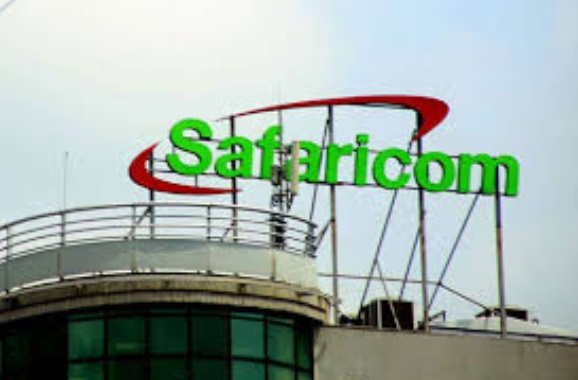
Kenya’s leading communications provider, Safaricom has announced plans to launch satellite internet in Kenya in the second half of 2023, as it is set to rival Elon Musk Starlink.

The company has partnered with AST spaceMobile to scale up its satellite, which is coming when Elon Musk’s Starlink has gone live with a similar offering in the East African country.

AST SpaceMobile has signed agreements with Vodafone Group PIc, Safaricom’s parent company. This collaboration will enable Safaricom to leverage AST SpaceMobile’s technology and infrastructure to offer reliable satellite-based connectivity to its customers in Kenya.

After Safaricom’s successful completion of trial, AST SpaceMobile will scale up their satellite deployments in partnership with Vodacom to provide ubiquitous communications to 4G devices across Africa and beyond.

In the partnership between Safaricom and AST SpaceMobile, revenue will be shared on a 50/50 basis. The agreement also includes a commitment to maintain market exclusivity to ensure the success of the collaboration.

This strategic alliance between both companies, demonstrates the shared vision of expanding access to reliable and high-speed Internet connectivity throughout Kenya and other African markets.

Also, Elon Musk’s expansion into the Kenyan market is part of Starlink’s mission to provide internet access to remote and underserved areas around the world.

The company announced on its website that it is targeting service in areas such as the capital Nairobi, Kisumu, Mombasa, and Nakuru. At the moment, Kenyans can order the starlink hardware for a total cost of KES90,825.93.

The move to venture into Kenya comes at a time when the demand for high internet speed for streaming, video calls, and online gaming is on the rise due to digitization and expensive data charges.

The company uses satellites to provide broadband internet across the globe, much like the global positioning system (GPS) provides location data to cell phones around the planet.

With the launch of Starlink in Kenya, customers can expect a reliable and affordable internet service that will help bridge the digital divide in the country.

The current Internet service providers in the country, mainly offer connectivity via fibre optic cables, over Wi-Fi and cellular networks. Star link on the other hand, delivers internet from satellites. Albeit pricey, which might see other users in the country opt for other cheaper satellite providers, Starlink’s speed is something to die for.

Notably, Starlink’s will no doubt be faced with stiff competition from some top internet service providers (ISPs) in the East African country like Telkom, Airtel, Safaricom, Zuku, Faiba, and others who mainly offer internet connectivity through fibre optics.

It is worth noting that Safaricom, has reportedly spent billions of shillings over the past five years on building its fixed-data network to connect homes, amid growth for online streaming services like Netflix.

With the range of satellite Internet connections in Kenya, it has the potential to shake up the traditional telecoms services, which are based on infrastructure that has left many areas without coverage, especially in rural parts of the country.