DD
MM
YYYY

PAGES

DD
MM
YYYY

spot_img

PAGES

Home Blog Page 4078

The Epistemology of Obasanjo’s “E Dide E Joko” Royal Conundrum

0

The recent incident at a government function in Oyo State, Nigeria, where former President Chief Olusegun Obasanjo ordered a group of traditional rulers, known as Obas in Yorubaland, to stand up and sit down (e dide e joko) in respect for the state’s governor, has sparked a heated debate.

Chief Obasanjo’s perspective, rooted in his belief that traditional rulers should greet presidents and governors as a sign of respect and a way to preserve Yoruba culture, has ignited strong reactions, particularly from the Yoruba people. This incident brings to light a complex epistemological question: What does “E Dide E Joko” truly signify in the context of Yoruba culture and governance?

The Cultural Significance

Obasanjo greeting Ooni

“E Dide E Joko” is not merely a phrase; it carries a profound cultural significance in Yoruba society. It encapsulates the essence of respect and hierarchy deeply ingrained in Yoruba traditions. Traditionally, this gesture is a mark of deference from a subordinate to a superior, acknowledging their authority and status. It is a display of honor, acknowledging that the person being greeted holds a position of power, knowledge, or authority that deserves reverence.

However, the recent incident challenges the conventional understanding of this gesture. Chief Obasanjo’s viewpoint asserts that traditional rulers should extend this form of respect to presidents and governors because of their elevated positions in contemporary governance. It raises the question: Can cultural practices evolve to adapt to changing societal structures and values without losing their essence?

Preservation of Yoruba Culture

Chief Obasanjo’s argument for extending the “E Dide E Joko” gesture to presidents and governors hinges on the preservation of Yoruba culture. He contends that adapting traditions to modern realities can ensure their continuity. However, this perspective is met with resistance, particularly from those who believe that the act diminishes the sanctity and authority of traditional rulers.

Epistemologically, this debate prompts us to explore the fluid nature of culture and how it interacts with evolving societal norms. Can culture, which is often considered a repository of tradition, adapt without diluting its core principles? How do we balance the need to preserve cultural heritage with the demands of contemporary governance and societal values?

Respect and Reciprocity

The “E Dide E Joko” incident also raises questions about the reciprocity of respect. While Chief Obasanjo emphasizes that traditional rulers should extend greetings to presidents and governors, there is an equally valid argument that those in positions of political power should reciprocate by respecting the traditional institution. This reciprocity is essential to maintain a harmonious balance between traditional and contemporary governance structures.

Obasanjo greeting Olowu of Owu in Ogun State

The “E Dide E Joko” incident serves as a thought-provoking case study in the epistemology of cultural practices. It challenges us to contemplate how deeply rooted traditions can adapt to modern realities without losing their essence. It also underscores the importance of reciprocity and respect in the coexistence of traditional and contemporary governance structures. Ultimately, the resolution of this cultural conundrum requires a nuanced understanding of Yoruba culture, a willingness to engage in dialogue, and a collective effort to strike a balance between preserving tradition and adapting to the ever-changing dynamics of society.

When BBNaija Destroys Brands [video]

0
I am not sure HFM is spending its advertising budget smartly. How do you associate yourself with these contestants who seem not to have passed through secondary schools in Nigeria? I mean are you telling me that CAC, NAFDAC, Appeal Court, etc are esoteric for any graduate with courses like GST 201 (Nigerian Culture and African Development), GST 103 (Humanities), GST Nigeria and Political Economy, etc which remain compulsory irrespective of the field of student in our universities?
 
How did they even pass Social Science in Junior Secondary School because JSSCE tests on these basic things?
 
I am truly flummoxed that we have men and women with “businesses” who do not know where the companies are registered. BBNaija has its business model but brands should be careful!

 
*using FUTO codes those days

Nigeria Should Promote Heliculture alongside Grain Production in Its Agricultural Development Plan

0

It is interesting to know that the Nigerian Government has pledged an increased agricultural investment towards accelerating agricultural production, especially the production and processing of grains in the country. However, beyond production of grains such as maize and rice which constitute the staple of many Nigerians, meat and protein production also plays a critical role in meeting the dietary or nutritional needs of the people.

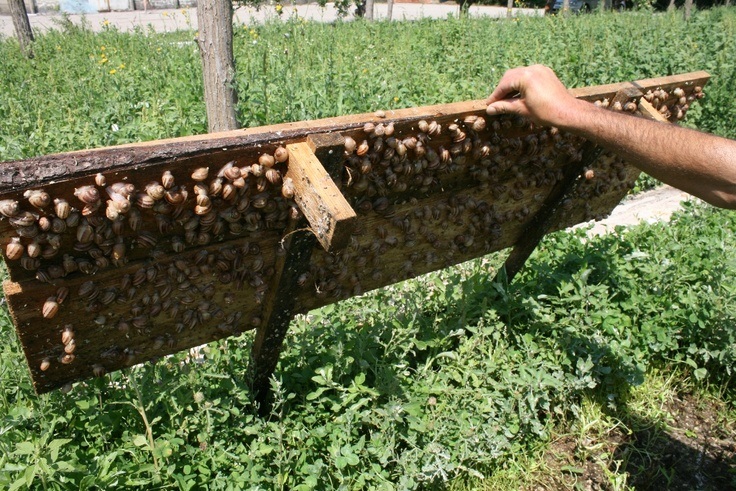
A part of the meat production business which has a huge value chain but remains largely untapped in Nigeria is snail farming. Snail is a member of the mollusc family that is generally known for its dietary and nutritional value. However, snail is also a source of raw materials to the non-food industries, particularly the cosmetic and pharmaceutical businesses. The practice of rearing snails for consumption and commercial purposes is called Heliculture and is common in Europe and some parts of the Mediterranean region.

The global consumption of snails increased astronomically in 2014 and the global market value of heliculture reportedly reached 12 Billion US Dollars per annum that year. About 15 percent of the total snails consumed globally are collected from the snail breeding units and the remaining 85 percent are collected from nature in poor countries where hunting and animal picking is common. Countries such as Spain, Morocco, China, France and Italy have the highest per capital consumption of snails.

Helix Aspersa, the compound snail species, which is commonly found in Europe constitutes the biggest in the international market with about 80 percent of the market share due to its high quality meat and slime. Other known species such as, Archatina fulica, archatina marginata, achatina achartina are largely found in the African region.

The interesting thing about snail is that every component of the animal is economically important. The snail flesh is a source of protein to individuals. The snail shell is used as a calcium supplement for livestock feeds and has medicinal value. Also the mucus secreted by the snail is of high value for spar treatment and the production of cosmetics.

Snail farming should be a reputable source of national wealth in the Nigeria’s agricultural ecosystem. However, an analysis of snail production and consumption in Nigeria shows a grossly untapped market despite a large deposit of the African giant snails in the country.

The snail supply chain in Nigeria has been highly fragmented and the business has been mainly funded through personal savings or soft loans from cooperative society. In snail farming, the cost of labour constitutes the largest component of the production cost unlike other sources of protein such as poultry where the feed is the most expensive input.

The underperformance of snail business in Nigeria has been mostly attributed to high level of illiteracy, the disorganised nature of the market, lack of technical know-how and poor access to finance etc.

There is also a deficit of information among the people about the huge potentials of snails. Most consumers of snail consume only the meat while the shell and the slime are often considered as wastes. Even the snail meat is keenly underselling compared to other animal sources of proteins like fish, birds, beef, pork etc. More so, there are a few experts of Heliculture in the country to service the local markets. The cost of travelling oversees to acquire training in snail farming and snail farm management may be a great setback to local farmers.

In spite of its challenges, snail farming has a great potential in Nigeria. Apart from the fact that the country has a favourable weather condition for snail farming, there is also high presence of fruit and leafy vegetables that could serve as snail feeds and habitats with a relatively low cost of labour.

Nigeria has a population of over 200 Million people, 30 percent of whom depend on Agriculture as a means of livelihood. It is believed that Heliculture has a huge potential to contribute meaningfully to Nigeria’s economy due to its capacity for high backward-linkage which has been largely tapped in other countries of the world, especially in Europe and America.

Therefore, the Nigerian Government is being nudged to look in the direction of heliculture, and channel resources toward creating an enabling environment for professionals in the industry as well as promoting needed trainings and knowledge in the field. More specifically, the government can encourage access to specialized funding for snail farmers and give tax relief to snail processors.

Guidance Provisions On Regulatory Preparedness For The Licensing/Access To Covid-19 Vaccines in Nigeria

0

Notable Guidance Provisions on Regulatory Preparedness For Licensing/Access To COVID-19 Vaccines in Nigeria

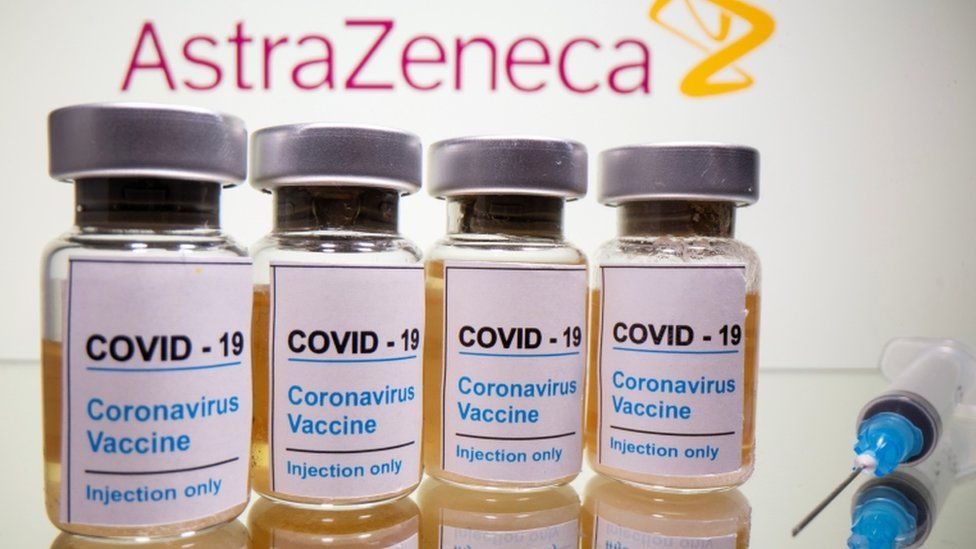
The year 2020 witnessed an outbreak of a deadly respiratory disease caused by a novel coronavirus. The virus was named the “severe acute respiratory syndrome coronavirus 2” (SARS-CoV-2) and the disease it caused was named the “Coronavirus Disease 2019” (COVID-19) which claimed several lives when the disease finally got to Nigeria.

On the 11th of March,2020,the World Health Organization (WHO) declared the COVID- 19 outbreak as a pandemic.

The SARS-CoV-2 pandemic presents an extraordinary challenge to global health. There were at the time of its emergence no licensed vaccines to prevent COVID-19. 

Commercial vaccine manufacturers and other entities later developed COVID-19 vaccine candidates using different technologies including RNA, DNA, protein, and viral vectored vaccines.

These Guidance notes forming the focus of this article released by the National Agency For Food and Drug Administration and Control (NAFDAC) aimed at preventing a recurrence of the disease unanswered by a coherent vaccine policy,provided applicants and vaccine manufacturers with:

-Guidance regarding regulatory pathways for approving COVID-19 vaccines;

– The regulatory considerations to take into account when evaluating the quality, safety and efficacy of candidate vaccines;

– Guidance on effective post-marketing surveillance of COVID-19 vaccines.

The Guidelines were developed in the context of the Pandemic COVID-19 Preparedness Framework for regulatory capacity-building and strengthening of pandemic preparedness and response and will be looked at here in detail.

What is the purpose and scope of the NAFDAC Covid-19 Vaccine Guidance notes?

-This regulation provides guidance on the regulatory oversight of COVID-19 vaccines for use in public health emergencies.

-This guidance is aimed to prepare and put in place a regulatory process for COVID-19 vaccines in advance of vaccines that are being developed for that purpose. Such a process would enable NAFDAC to expedite the provision of marketing authorization and lot release of COVID-19 vaccines in response to this pandemic emergency.

– The document specifically provides the general principles for evaluating COVID-19 vaccines and establishing basic emergency procedures for regulating COVID-19 vaccines. A strong emphasis is placed on the decision making processes that have been put in place which minimize duplication and make much-needed vaccines available for use without unnecessary delay during pandemic emergencies.

Other relevant NAFDAC vaccine guidelines should also be consulted as appropriate.

What are the general considerations for regulatory preparedness for COVID-19 vaccines as highlighted in the NAFDAC guidance note?

-The guidance provides for a risk-based approach that: 

(a) enables a more flexible response to different scenarios; and 

(b) uses a simplified pandemic phase structure (pandemic and post pandemic) phases.

-NAFDAC has reviewed the options available during this public health emergency and has chosen the appropriate procedures to fit the situation. 

-The emergency procedures include processes for ensuring information management, effective communication and cooperation between different directorates of the Agency and relevant stakeholders such as public health authorities.

– Plans were developed to address the need for official communication from NAFDAC relevant to specific audiences – such as the public, healthcare workers, national and subnational authorities and international collaborators when needed.

-Existing communication and information-sharing systems will be used.

-The submission of a Risk-management plan which is part of marketing authorization to monitor the safety and efficacy of COVID-19 vaccines used during a pandemic is necessary.

What are the provisions of the guidelines regarding considerations for national regulatory preparedness?

NAFDAC is responsible for developing the following procedures and plans to support future national pandemic COVID-19 preparedness plans and vaccine deployment plans:

i) Suitable regulatory pathways for COVID-19 vaccines during the emergency;

ii) Appropriate vaccine lot release procedures for emergency use;

iii) Post-marketing safety surveillance plans.

-NAFDAC’s preparedness procedures for facilitating the rapid availability of COVID-19 vaccines include:

a).Designated contact point for communications with WHO and other stakeholders on public health/regulatory issues;

b).Allocation of resources to be used when this pandemic alert was declared by WHO;

c). A public risk-communications plan summarizing the basis for decision-making;

d). An existing National Advisory Committee on Vaccines and Biologics (NACVB) for COVID-19 vaccines that:

1.) Include appropriate regulatory and programmatic expertise;

2.) Prepare procedures for evaluation of applications for COVID-19 vaccine;

3) Define the dossier and supporting documents needed for evaluation;

4.)Evaluate and recommend marketing authorization of suitable vaccines to the agency; and 

5.) Procedures for interactions (including discussion of options for appropriate sources of vaccine) with the public health agencies that will procure, deploy and administer the vaccines;

6.) A system to accelerate the licensure and lot release of COVID-19 vaccine including recognition of the decisions, or reliance upon the expertise, of supporting NRAs, and the optimizing of available resources in response to the pandemic;

What are the provisions of the guidelines regarding procedures and requirements for lot release of COVID-

19 vaccines by the agency during emergency situations?

The following steps are included in the regulatory preparedness procedures:

– A working procedure for marketing authorization of COVID-19 vaccine.

– Preparation of a template emergency risk–benefit consideration and assessment report;

– A procedure for emergency approval of the NRA recommendation, as appropriate;

– A process to expedite marketing authorization through the WHO collaborative procedure for prequalified vaccines, when appropriate;

– Preparation of an outline post-marketing surveillance plan which includes special provisions for post- marketing surveillance of the COVID-19 vaccine in use. 

What are the provisions of the guidelines on reliance on the decisions and expertise of other regulatory authorities?

-Mechanisms have been put in place to consider reliance on the product evaluation decisions made by other NRAs in vaccine-producing countries. 

-NAFDAC has established mechanisms and procedures for recognizing the marketing authorization decisions of the NRA of the country producing the vaccine, or of other NRAs with WHO ML 3 and above as appropriate, when considering the licensing of a COVID-19 vaccine. The Agency may rely on the assessment report of such NRAs.

What do the guidelines say on emergency approvals?

-During the pandemic period, the guidelines provide that emergency approval procedures may be used.

 -Approval may be based upon limited clinical data or quality data (for example, on stability) and upon expedited evaluation of the available evidence. 

-Therefore, the approval may include one or more special conditions for use. 

– These can include post-marketing safety reporting requirements, and limitations such as:

a). Use only during the pandemic period.

b).Use only by certain agencies.

c).Use only in certain listed groups at high risk .

What do the guidelines say concerning traceability?

-Mechanisms have been put in place to ensure that effective traceability solutions can be deployed to support the distribution of a COVID-19 vaccine.

-Applicants are therefore expected to deploy Serialisation Technology which are based on proven international global standards. This will enable the achievement of safe and effective distribution and delivery of COVID-19 vaccines.

-The Technology will also ensure that falsified products can be easily detected along the supply chain and also facilitate the conduct of activepost marketing surveillance and pharmacovigilance activities of the COVID-19 vaccines. 

What do the guidelines say about quality control preparedness?

-Lot release and quality control of COVID-19 vaccines will be handled by the National Control Laboratory for Vaccines and other Biologicals (NCLVB).

-Vaccines should be produced in compliance with GMP and tested for quality and safety by the vaccine manufacturer. 

– Such vaccines should also be subjected to quality control testing (with certificate of analysis issued) and released by the responsible NCL in accordance with the WHO’s Guidelines for independent lot release of vaccines by regulatory authorities (and should be accompanied by a lot release certificate). 

– For vaccines supplied through United Nations agencies further release by the NCLVB shall not be performed because such products are prequalified by WHO and released by the responsible NRA/NCL. 

– Likewise, WHO prequalified vaccines are normally released by the responsible NRA/NCL and as such will not be subjected to further lot release. The lot release certificate of the responsible NRA/NCL of the producing country shall be duly recognized.

-For non-WHO-prequalified COVID-19 vaccines, the NCLVB of NAFDAC will conduct lot release. The need for further Laboratory testing will be determined on a case by case bases guided by outcomes of risk-based assessment.

-The procedures adopted shall be to ensure the deployment of vaccines without undue delay.

Telegram Integrates TON-based crypto Wallet

1

Telegram, the popular messaging app with over 800 million users, has announced that it has integrated a crypto wallet based on the TON blockchain into its platform. This means that users can now send and receive TON Crystal tokens, the native currency of the TON network, directly from their Telegram chats.

The TON blockchain is a scalable and decentralized platform that aims to provide a fast, secure and user-friendly way to transfer value across the globe. The TON network was launched in 2019 by the Telegram team, after raising $1.7 billion in a private initial coin offering (ICO) in 2018. The TON network claims to have a capacity of millions of transactions per second, thanks to its innovative sharding and dynamic validator mechanisms.

The integration of the TON wallet into Telegram is a major milestone for both the TON project and the crypto industry, as it opens up a huge potential market for TON Crystal tokens. According to Telegram, its users can now easily access the benefits of the TON network, such as low fees, fast transactions and high security, without leaving their familiar chat interface. Users can also create and join groups and channels that support TON payments, as well as participate in various decentralized applications (DApps) that run on the TON blockchain.

To use the TON wallet, users need to update their Telegram app to the latest version and follow the instructions to create a new wallet or import an existing one. Users can then send and receive TON Crystal tokens by tapping on the attachment icon in any chat and selecting the “TON Wallet” option. Users can also view their balance, transaction history and settings from the same menu.

The TON wallet is currently available for Android and iOS devices and will soon be supported on desktop and web versions of Telegram. The TON wallet is also compatible with other third-party wallets that support the TON blockchain, such as Atomic Wallet, Trust Wallet and Ledger.

Telegram has stated that it does not have access to the users’ private keys or funds, and that it does not charge any fees for using the TON wallet. However, users are still responsible for securing their own keys and funds, as well as complying with the local laws and regulations regarding crypto transactions.

Is it safe to use Telegram crypto wallet? The answer is not straightforward, as there are several factors to consider. First of all, Telegram crypto wallet is a custodial wallet, which means that Telegram holds the private keys to your funds. This means that you have to trust Telegram to keep your funds secure and accessible. If Telegram gets hacked, goes offline, or decides to freeze your account, you could lose access to your funds.

Secondly, Telegram crypto wallet is not regulated by any authority, and it operates in a legal gray area. Depending on your jurisdiction, using Telegram crypto wallet could expose you to legal risks, such as tax evasion, money laundering, or sanctions violations. You also have to comply with Telegram’s terms of service, which may change at any time without notice.

Thirdly, Telegram crypto wallet is not compatible with other crypto wallets or exchanges. You can only send and receive cryptocurrencies within the Telegram app, and you cannot export your private keys or seed phrase to another wallet. This limits your options and flexibility, and it also makes it harder to recover your funds if you lose access to your Telegram account.

Therefore, using Telegram crypto wallet involves a high level of risk and uncertainty. You should always do your own research and due diligence before using any crypto wallet, and you should never invest more than you can afford to lose. If you are looking for a more secure and reliable way to store and manage your cryptocurrencies, you may want to consider using a non-custodial wallet that gives you full control over your funds and supports multiple platforms and currencies.

The integration of the TON wallet into Telegram is expected to boost the adoption and awareness of the TON network and its token, as well as provide a new use case for Telegram’s massive user base. It also demonstrates Telegram’s commitment to advancing the crypto space and empowering its users with more freedom and control over their money.