DD
MM
YYYY

PAGES

DD
MM
YYYY

spot_img

PAGES

Home Blog Page 4130

You Can Resgn Your Job Whenever

0

Recently, I have been seeing some contracts of employment (offer letters) laced with some obnoxious clauses; one of which caught my attention is the clause that you are not allowed to leave the job for a so-so number of years and if you do you will have to pay the company a so so amount. This is to say that as a part of the employment requirement, you are not allowed to quit or resign from the job for whatever reason for a period of years and if you do or if you intend to do that you will refund the company 80% of the salary they have paid you and if you decide to play smart and relocate out of the country or elope, the guarantor whom you provided and have signed off on your behalf before you got the employment will be closed on by the company. 

A friend who got a job with an investment bank drew my attention to this because his offer letter also contained this clause and 

an internet user recently posted something similar to this; he was offered a job as a medical laboratory scientist, with a pay of N270k per month but with a non-negotiable clause in the offer letter that he must not leave or resign from the job for the next 2 years and if he does or intends to resign before the expiration of two or more years he must refund 80% of every monthly salary ever collected. 

This type of contract of employment clause as I have got to know is quite familiar in the banking and medical industry. 

Now the big question is; what is the legality and enforceability of clauses like this in the contract of employment; are they legal and are they enforceable in court? 

The simple answer is that conditions or clauses like this embedded in a contract of employment are not legal and enforceable. You can leave or resign a job whenever you want despite whatever clause or time bond you signed, as long as you have given the organization a reasonable notice of your intention to resign or quit. Even if you leave without notice, the employer cannot enforce that clause of you staying for stipulated years in court because such clauses are illegal and the court can not be used to enforce an illegality. 

Loosely speaking, parties are at liberty to contract however they wish and add covenants and clauses they deem fit into the contract and the parties are to be bound by those clauses in the contract but such contractual clauses must always conform with legality for it to be valid, legal and enforceable in court. This is to say that the liberty or freedom of contracting parties to make their contract has its limitations.

Why such a clause in a contract of employment of working for a stipulated number of years before you could leave is illegal and enforceable is that such clause subjects an employee to servitude and both the constitution and other labour laws prohibit contract of servitude. 

Lawyer’s closing note; if you get a good job with good pay but the job comes with a time-bound clause, go ahead and take the job and you can leave whenever you like because such clauses are not legal and can never be enforced against you, just ensure to give the organisation a reasonable notice of your intention to resign before you leave so as to satisfy the provisions of the labour law. 

Naira Floatation, Fuel Subsidy Removal: Nigerians Face Hard Economic Realities As Electricity Tariffs Set to Spike by 40%

0

The Nigerian government’s decision to deregulate the forex market is expected to increase the nation’s rate of economic hardship as the cost of goods and services will be determined by exchange rates – which have gone up since the decision was announced.

The economic impact is exacerbated by the government’s decision to remove subsidies: first fuel subsidy that has kept the cost of Premium Motor Spirit (PMS) affordable for the Nigerian people, especially, Small & Medium Enterprises (SMEs) that count on cheaper fuel to power their generators – as an alternative to an epileptic power supply. Then electricity subsidy, which was factored in the Electricity Bill signed by President Bola Tinubu earlier this month. The removal of electricity subsidy means electricity tariff will hence be based on the floated foreign exchange rates.

Currently, the Nigerian government pays N50 billion monthly to make up for the revenue shortfall in the power sector, thereby subsidizing electricity tariff for consumers. The removal of the subsidy is expected to increase the cost of electricity by as much as 40%, starting July, according to Guardian.

The Nigerian Electricity Regulatory Commission (NERC) 2022 Multi-Year Tariff Order (MYTO) has a fixed price based on exchange and inflation rates, which have been impacted by the floating of the naira.

The regulator’s Service Based Tariff (SBT) was established based on an exchange rate of N441 per dollar and an inflation rate of 16.97%. The current tariff rose from cheaper tariffs previously determined by lower inflation and exchange rates.

The 2015 N60 per kilowatt tariff was based on N198.97 per dollar exchange rate. The average rate was reviewed upward in 2020 based on N383.80 per dollar while in 2022, it was N441.78 per dollar. Rising inflation rates were also considered during the tariff revision periods. In 2015, the inflation benchmark used by NERC’s MYTO was 8.3%, in 2020 it was 12%, and 16.97% in 2022, which is currently being used.

With the subsequent increase in inflation rates, which currently sits at 22.41%, and the spike in the exchange rate – orchestrated by the deregulation of the FX market, which has seen the naira depreciate to N770 per dollar, a higher tariff is expected to hit electricity consumers soon.

The bitter expectation is compounded by uncertainties surrounding both the FX market and inflation rates. Experts said there is a likelihood that the exchange rate will jump much higher than it is unless there is enough dollar liquidity to take pressure off the naira. The removal of fuel subsidy is also expected to push inflation further up to 30% in the coming months.

This backdrop means there is going to be a significant increase in electricity tariff. The cost is estimated to rise as much as N90/kilowatt, amid depleting purchasing power of consumers. This means that Nigerians may end up paying up to N5,000 for just 50 units of electricity.

The government decided to remove fuel subsidies and float the naira without making provisions for palliatives that will cushion the effects. The resulting effect is that the Nigerian public will be forced to rely on the N30,000 monthly minimum wage to confront the resulting rise in the cost of living.
Experts said the situation will impact the economy negatively. This is because Nigeria is not generating enough electricity at the moment.

Presently, Nigeria’s electricity generation strength is said to be wobbling at around 3,057.7MW from 17 power plants, falling short of the 5,000 megawatts a year supply, included in the contract the distribution companies (DisCos) signed with NERC.

This backdrop means that while Nigerians pay as much as N90 per kilowatt, they will still have to buy fuel at about N500 –N557 per liter to power their generators due to poor electricity supply emanating from insufficient power generation.

Economists have called on the government to conduct an upward review of minimum wage as a way of boosting the spending power of the people in the wake of these policies.

“Minimum wage of N30,000 is nothing. It must go up to a level that allows consumption. Inflation will rise and fall irrespective of minimum wage but consumption is tied directly to wage earnings and/or credit. Less than 5% of Nigerians have access to a bank loan, so minimum wage must go up,” financial expert Kalu Aja wrote.

Blackrock Files for Bitcoin ETF

0

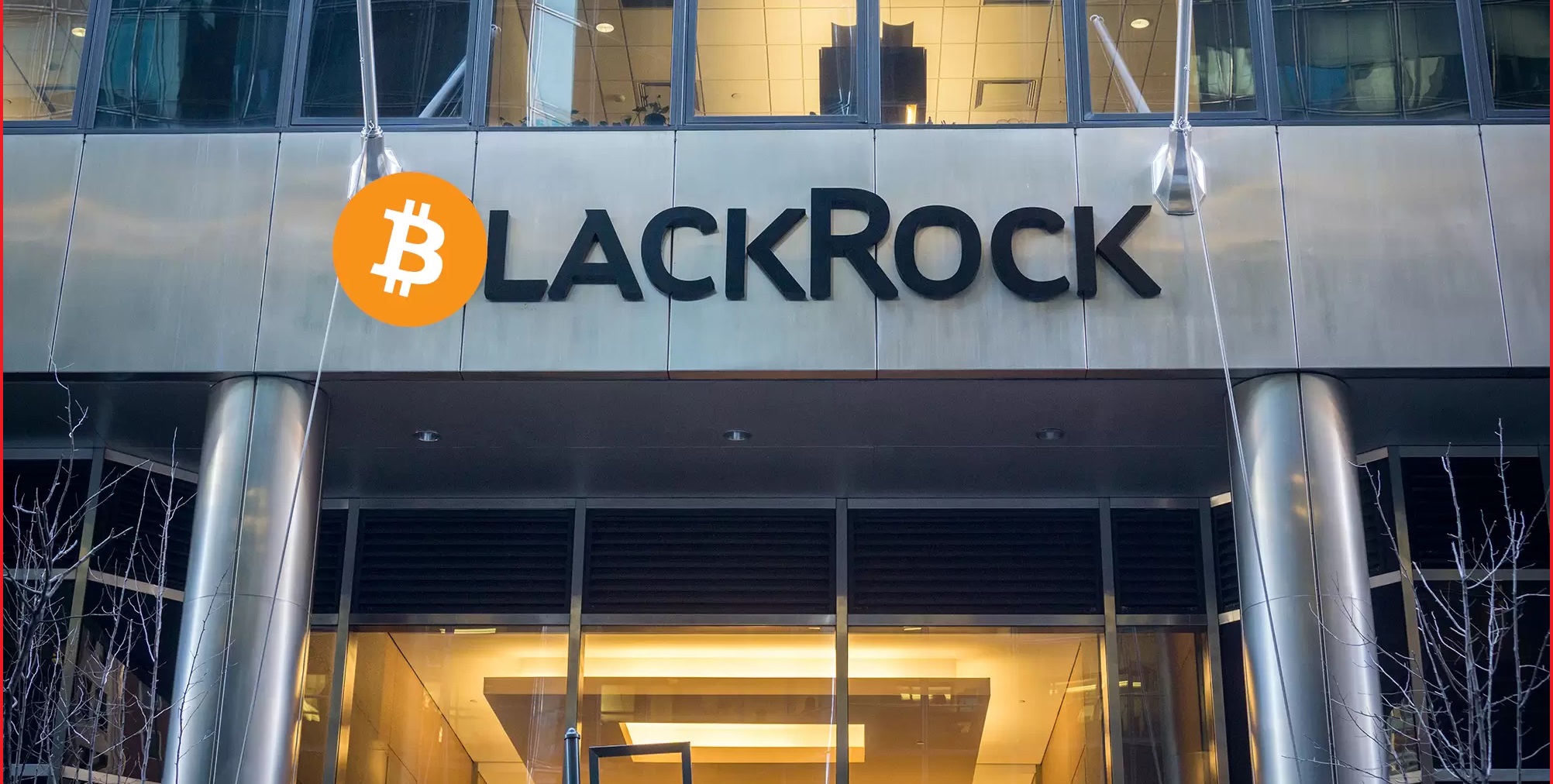
BlackRock, the world’s largest asset manager, has filed an application with the U.S. Securities and Exchange Commission (SEC) to launch a bitcoin exchange-traded fund (ETF). The move signals the growing interest and acceptance of the cryptocurrency among institutional investors.

A bitcoin ETF is a type of investment product that tracks the price of bitcoin and allows investors to buy and sell shares of the fund on a regulated exchange. Unlike buying bitcoin directly from a platform or a wallet, a bitcoin ETF offers more convenience, security and liquidity for investors who want exposure to the digital asset without having to deal with its technical aspects.

BlackRock’s proposed bitcoin ETF, named BlackRock Bitcoin Trust, would use the CME CF Bitcoin Reference Rate as its benchmark index. The fund would invest in bitcoin futures contracts traded on the Chicago Mercantile Exchange (CME), one of the largest and most reputable platforms for bitcoin derivatives. The fund would also hold cash and cash equivalents to meet its daily obligations.

According to the filing, BlackRock believes that investing in bitcoin futures contracts can provide several benefits for investors, such as: Access to a regulated and transparent market for bitcoin trading, Reduced counterparty and operational risks associated with holding or transferring bitcoin. Ability to diversify their portfolio with an alternative asset class that has low correlation with traditional assets; Potential to benefit from the long-term appreciation of bitcoin as a scarce and innovative technology.

However, BlackRock also acknowledges that investing in bitcoin futures contracts involves significant risks, such as:

  • High volatility and unpredictability of bitcoin prices.
  • Limited regulatory oversight and legal protection for bitcoin transactions.
  • Cybersecurity breaches and hacking attacks on bitcoin platforms and networks.
  • Competition from other bitcoin ETFs or similar products that may offer lower fees or better performance.

BlackRock’s filing comes at a time when the SEC is reviewing several other applications for bitcoin ETFs from various companies, such as VanEck, Valkyrie and WisdomTree. The SEC has not approved any bitcoin ETFs so far, citing concerns over market manipulation, fraud and investor protection. However, some analysts believe that the SEC may change its stance under the new leadership of Gary Gensler, a former MIT professor who has taught courses on blockchain and digital currencies.

A bitcoin ETF has several benefits for investors, such as lower fees; Buying and selling shares of a bitcoin ETF is cheaper than buying and selling bitcoin directly on a cryptocurrency exchange or platform, bitcoin ETF has more trading volume and liquidity than the underlying bitcoin market, which means investors can easily enter and exit positions without affecting the price too much.

Regulatory compliance: A bitcoin ETF is subject to the rules and regulations of the market where it is listed, which means investors can enjoy more transparency, security and protection than in the unregulated bitcoin market.

Tax efficiency: A bitcoin ETF may offer tax advantages for investors, depending on their jurisdiction and tax status. For example, in some countries, investors may be able to defer capital gains taxes until they sell their shares of the ETF, rather than paying taxes every time they trade bitcoin.

If approved, BlackRock’s bitcoin ETF would be a major milestone for the cryptocurrency industry, as it would attract more institutional capital and mainstream adoption to the nascent market. BlackRock is not only the largest asset manager in the world with over $9 trillion in assets under management, but also a trusted and influential name in the financial sector. The company has already expressed its interest and optimism in bitcoin in the past, with its CEO Larry Fink calling it a “great asset class” and its chief investment officer Rick Rieder saying it could “take the place of gold” in the future.

Nigeria’s Tinubu Sacks Service Chiefs, Appoints Their Replacements

0

President Bola Tinubu has approved the immediate retirement of all Service Chiefs and the Inspector-General of Police, Advisers, Comptroller-General of Customs from Service.

According to a statement issued on Monday by Willie Bassey, director of information, Tinubu also named their replacements with immediate effect.

See the full statement:

OFFICE OF THE SECRETARY TO THE GOVERNMENT OF THE FEDERATION

PRESS & PUBLIC RELATIONS DEPARTMENT

June 19, 2023

PRESS RELEASE

PRESIDENT TINUBU RETIRES ALL SERVICE CHIEFS, ADVISERS, COMPTROLLER GENERAL OF CUSTOMS, APPOINTS NEW ONES

President Bola Ahmed Tinubu, GCFR, has approved the immediate retirement of all Service Chiefs and the Inspector-General of Police, Advisers, Comptroller-General of Customs from Service as well as their replacements with immediate effect.

The newly appointed Officers are:

S/N NAME APPOINTMENTS

1 Mallam Nuhu Ribadu National Security Adviser

2 Maj. Gen. C.G Musa Chief of Defence Staff

3 Maj. T. A Lagbaja Chief of Army Staff

4 Rear Admiral E. A Ogalla Chief of Naval Staff

5 AVM H.B Abubakar Chief of Air Staff

6 DIG Kayode Egbetokun Acting Inspector-General of Police

7 Maj. Gen. EPA Undiandeye Chief of Defense Intelligence

Mr President has also approved the following appointments:

S/N NAME APPOINTMENTS

1 Col. Adebisi Onasanya Brigade of Guards Commander

2 Lt. Col. Moshood Abiodun Yusuf 7 Guards Battalion, Asokoro, Abuja

3 Lt. Col. Auwalu Baba Inuwa 177, Guards Battalion, Keffi, Nasarawa State

4 Lt. Col. Mohammed J. Abdulkarim 102 Guards Battalion, Suleja, Niger

5 Lt. Col. Olumide A. Akingbesote 176 Guards Battalion, Gwagwalada, Abuja

Similarly, the President has approved the appointments of other Military Officers in the Presidential Villa as follows:

S/N NAME APPOINTMENTS

1 Maj. Isa Farouk Audu

(N/14695) Commanding Officer State House Artillery

2 Capt. Kazeem Olalekan Sunmonu (N/16183) Second-in-Command, State House Artillery

3 Maj. Kamaru Koyejo Hamzat (N/14656) Commanding Officer, State House Military Intelligence

4 Maj. TS Adeola (N/12860) Commanding Officer, State House Armament

5 Lt. A. Aminu (N/18578) Second-in- Command, State House Armament

Mr. President has also approved the appointments of two (2) additional Special Advisers, and two (2) Senior Assistants, namely:

S/N NAME APPOINTMENTS

1 Hadiza Bala Usman Special Adviser, Policy Coordination

2 Hannatu Musa Musawa Special Adviser, Culture and Entertainment Economy

3 Sen. Abdullahi Abubakar Gumel Senior Special Assistant , National Assembly Matters (Senate)

4 Hon. (Barr) Olarewaju Kunle Ibrahim Senior Special Assistant, National Assembly Matters (House of Representatives)

Finally, the President has approved the appointment of Adeniyi Bashir Adewale as the Ag. Comptroller General of Customs.

It is to be noted that the appointed Service Chiefs, the Inspector-General of Police and the Comptroller General of Customs are to act in their positions, pending their confirmation in accordance with the Constitution of the Federal Republic of Nigeria.

Willie Bassey

Director, Information

For: Secretary to the Government of the Federation

African Solar Startup Yellow Raises $14 Million in Series B Funding to Deepen Its Reach in Existing Markets

0
Fund, money cash dollar

Solar Energy and digital devices asset financier, Yellow, has raised $14 million in series B funding to deepen its reach in its existing markets.

The funding round was led by Convergence Partners, with participation from the Energy Entrepreneurs Growth Fund managed by Triple Jump, in addition to follow-on investments from Platform Investment Partners.

The startup seeks to use the funds raised to deepen its reach in its existing markets which include Uganda, Rwanda, Zambia, Madagascar, and Malawi. It also plans to launch digital and financial products in the near term and prepare for future debt funding rounds to ramp up its growth.

Speaking on the funds raised Yellow CEO Mike Heyink said,

“The newly injected capital is being used to leverage more debt finance to reach more customers with financed smartphones and solar systems. While the business will broaden its product offering to include other mobile financial services, growth will primarily be driven by deepening our expertise in our existing product categories”.

Yellow Solar Power is a local start-up that focuses on the last-mile distribution of affordable Pay as you go (PAYG) solar home systems to low-income rural households. The startup is among the asset financiers that have attracted VC funding this year, indicating a continued appetite for deals in startups making solar power accessible.

Founded in Malawi in 2018 by Mike Heyink and Maya Stewart to bring solar energy to the country, since then it has expanded across Africa and broadened its product offerings to include digital devices like smartphones.

Yellow builds cutting-edge software to enable its sales force to serve customers in Africa and is rapidly emerging as one of the continent’s most promising start-ups. Its fleet of solar assets is distributed to the most rural corners of the continent.

The startup partners with only the best-value manufacturers and all its products come with warranty agreements. It operates through a network of 1,100 agents using its Ofeefee app, serving over 400,000 customers. Ofeefee enables digital stock management, deliveries, and warranty servicing in places where no one else does.

Yellow reveals it has achieved a compound annual growth rate of 265% over the past four years.  The company’s most popular product is a small home solar system, including a 6W-10W panel, 20-50Wh battery, and cellphone chargers. It also sells solar systems and smartphones.

As one of Africa’s fastest-growing tech start-ups, Yellow employs more than 76 team members across Africa and currently boasts of over 250,000 customers. Among others, the team is comprised of leading software developers, entrepreneurs, and operations executives. The startup is committed to making life better for 10 million everyday African households by 2030.

Yellow believes that the African continent will be driven by digital technology and business models, hence, its purpose is to make life better for everyday African households, as it uses technology to meet their basic needs.