DD
MM
YYYY

PAGES

DD
MM
YYYY

spot_img

PAGES

Home Blog Page 4131

Naira to Settle Around N600/$1 But FX, Fuel Subsidy Policies May Shoot Inflation Above 25% – JPMorgan

0

In the wake of the Nigerian government’s decision to float the naira, causing it to record a massive fall in the FX market against the dollar, JP Morgan on Thursday, projected that the currency will appreciate in the coming months, trading around N600 to a dollar.

The naira fell as much as N755 to a dollar on Wednesday following the announcement by the Central Bank of Nigeria (CBN) that all FX market control has been removed and all forex segments have been unified. But the American multinational financial services firm said that the naira, which later appreciated on Thursday, trading at N664.04 per dollar in the Investor and Export window, will settle at N600s in the coming months.

A statement by the institution said: “While it will take a few days for USD/NGN spot to settle, we fully expect an initial overshoot towards the parallel market rate of -750 or higher, after which, we expect USD/NGN to settle in the high 600s over [the] coming months.

“We remain long USD/NGN via non-deliverable forwards (NDFs) as well as OW emerging markets bond index global diversified (EMBIGD) index as we expect further positive catalysts to materialize in the near-term.

“We believe there is room for incremental positive surprises with respect to reform depth and execution speed. We had high expectations for the new administration’s reform agenda, however, the speed of execution has proven to be a positive surprise.”

While the government’s decision to float the naira has been widely applauded as the right step to boost foreign and portfolio direct investments, concerns have been raised about the inevitable rise in petrol prices the decision will force.

The Nigerian National Petroleum Company Limited (NNPCL), which previously had the monopoly of fuel import, said petrol price was pegged at N461 per dollar. Fuel is currently selling at N557 per liter following the removal of fuel subsidy by President Bola Tinubu last month. With the naira now trading at over N660 per dollar, petrol cost is expected to rise between N650 and N750 per liter.

JP Morgan said this reality could result in a further spike in Nigeria’s inflation rate. The Nigerian Bureau of Statistics announced Thursday that headline inflation climbed to 22.41 in May. JPMorgan said the rate could rise as much as 25 percent next month – remaining above 20 percent for the rest of the year.

“The near tripling of fuel prices could see headline inflation jump closer to the 25 percent mark in June and remain firmly above 20% for the rest of the year.

“However, fuel subsidies accounted for 1.7 percent of GDP in 2022 and a complete removal will be positive for the fiscal accounts, although we expect that some portion of the savings will be targeted towards social spending.

“Of course, a weaker exchange rate means the government would receive higher naira revenues from oil and gas exports.

“We believe the devaluing of the naira yesterday could have a more limited impact on headline inflation given a substantial part of the informal economy accessed dollars at the much higher parallel market rate,” the bank said, adding that there is room for more near-term reform execution surprises.

The near-term reforms are expected to focus on taming the inflationary impact of the new FX and fuel subsidy policies.

The National Executive Council (NEC) said Thursday after its inaugural meeting that it is seeking ways to provide palliatives for workers to mitigate the impact of the subsidy removal.

After the Council’s meeting, which was headed by Vice President Kashim Shettima, Governor Bala Mohammed of Bauchi State mentioned that they explored the potential of securing funds from the World Bank and partners in London to implement a Compressed Natural Gas (CNG) program for vehicles in the country. This initiative is intended to alleviate the impact of fuel subsidy removal.

Governor Mohammed also highlighted that the Council considered other proposals, such as the organized labor’s suggestion for a consequential adjustment on allowances amounting to N702.9 billion. Additionally, they discussed a request for a monthly allocation of no less than N25 billion to mitigate the effects of subsidy removal.
CoinEx Ordered to Stop Trading Securities in USA, As Binance Exits Netherlands

5

CoinEx, a popular cryptocurrency exchange platform, has been ordered by the US Securities and Exchange Commission (SEC) to cease its operations in the United States. The SEC alleges that CoinEx has been offering unregistered securities to US investors, violating the federal securities laws. According to the SEC’s complaint, CoinEx has been operating since 2017 and has attracted over 5 million users worldwide. The platform allows users to trade various cryptocurrencies, including Bitcoin, Ethereum, Litecoin, and its own native token, CET. The SEC claims that CET is a security that should have been registered with the SEC or qualified for an exemption.

The SEC further alleges that CoinEx has failed to implement adequate anti-money laundering (AML) and know-your-customer (KYC) procedures, exposing its users to the risk of fraud and illicit activities. The SEC also accuses CoinEx of making false and misleading statements about its regulatory status and compliance. The SEC’s order requires CoinEx to immediately stop offering and selling any securities in the US, and to provide notice to its US customers that they must withdraw their funds from the platform within 30 days. The order also imposes a civil penalty of $10 million on CoinEx and its founder and CEO, Haipo Yang.

CoinEx has not yet issued a public response to the SEC’s order. However, some users have expressed their frustration and disappointment on social media, while others have expressed their support and loyalty to the platform. It is unclear how CoinEx will handle the legal challenge and what impact it will have on its global operations. According to the NYAG, CoinEx failed to disclose important information to investors, such as the risks, fees, and conflicts of interest associated with its platform. The NYAG also claimed that CoinEx engaged in market manipulation and fraud by artificially inflating the prices and volumes of some tokens.

In June 2023, CoinEx agreed to settle the lawsuit by paying $1.8 million and exiting the U.S. market. The settlement includes $1.17 millions of refunds to 4,691 investors, plus a $626,000 fine. CoinEx also agreed to be banned from offering, selling, or buying securities and commodities in New York, or making its platform available in the state. The settlement is a significant outcome for the NYAG’s efforts to crack down on illegal and unregulated crypto activities in the state. The NYAG has previously sued other crypto platforms, such as Bitfinex and Tether, for allegedly defrauding investors and manipulating the market.

The settlement also has implications for the broader crypto industry, as it shows that the SEC and other regulators are closely watching the activities of crypto exchanges and platforms. The SEC has recently sued Binance and Coinbase, two of the largest crypto platforms in the world, for operating as unregistered exchanges. The SEC’s chairman, Gary Gensler, has stated that many crypto tokens are securities and should comply with the federal securities laws. He has also called for more regulation and oversight of the crypto industry to protect investors and consumers.

The legal battle between CoinEx and the NYAG is an example of how crypto regulation is evolving and becoming more complex in the U.S. It also highlights the challenges and risks those crypto platforms face when operating in different jurisdictions. As the crypto industry grows and matures, it will likely face more scrutiny and enforcement actions from regulators around the world.

In a different twist, Binance exited the Netherlands. According to a notice posted on Binance’s website on June 16, 2023, no new users residing in the Netherlands will be accepted with immediate effect. Starting from July 17, 2023, existing Dutch resident users will only be able to withdraw assets from the Binance platform. No further purchases, trades or deposits will be possible. Binance said that it made this decision “in order to comply with local regulations and protect our users”. The exchange also thanked its Dutch customers for their support and understanding. Binance’s exit from the Netherlands is not an isolated case. The exchange has faced increasing regulatory scrutiny and pressure from various jurisdictions around the world, including the United States, Germany, Japan, Canada, Singapore and the United Kingdom.

The main issue that regulators have with Binance is its lack of compliance with anti-money laundering (AML) and counter-terrorism financing (CTF) rules. As a VASP, Binance is required to implement adequate measures to prevent its platform from being used for illicit activities, such as money laundering, tax evasion, fraud and terrorism financing. However, Binance has been accused of operating without proper licenses and oversight, failing to conduct due diligence on its customers and transactions, and offering unregulated products and services, such as derivatives, leveraged tokens and stock tokens.

Binance has repeatedly denied any wrongdoing and claimed that it is committed to working with regulators and complying with local laws. The exchange has also taken some steps to improve its compliance standards, such as hiring former regulators and compliance experts, suspending some of its controversial products and services, and introducing mandatory identity verification for all users. However, these measures have not been enough to appease the regulators or prevent Binance from losing access to some of its key markets. The exchange’s future remains uncertain as it faces more legal challenges and regulatory hurdles.

For crypto users in the Netherlands, Binance’s exit means that they will have to find alternative platforms to buy, sell and trade cryptocurrencies. Fortunately, there are several other reputable and regulated crypto exchanges that operate in the Dutch market, such as Bitvavo, LiteBit, Kraken and Coinbase. These exchanges are registered with DNB as VASPs and comply with the Dutch AML/CTF Act. They also offer a variety of crypto products and services, such as spot trading, margin trading, staking, lending and custody.

However, crypto users should always do their own research before choosing an exchange and be aware of the risks involved in crypto trading. They should also follow the best practices for securing their crypto assets, such as using hardware wallets, enabling two-factor authentication and keeping backups of their recovery phrases.

Blackrock is Adding More Bitcoin to its Balance Sheet

0

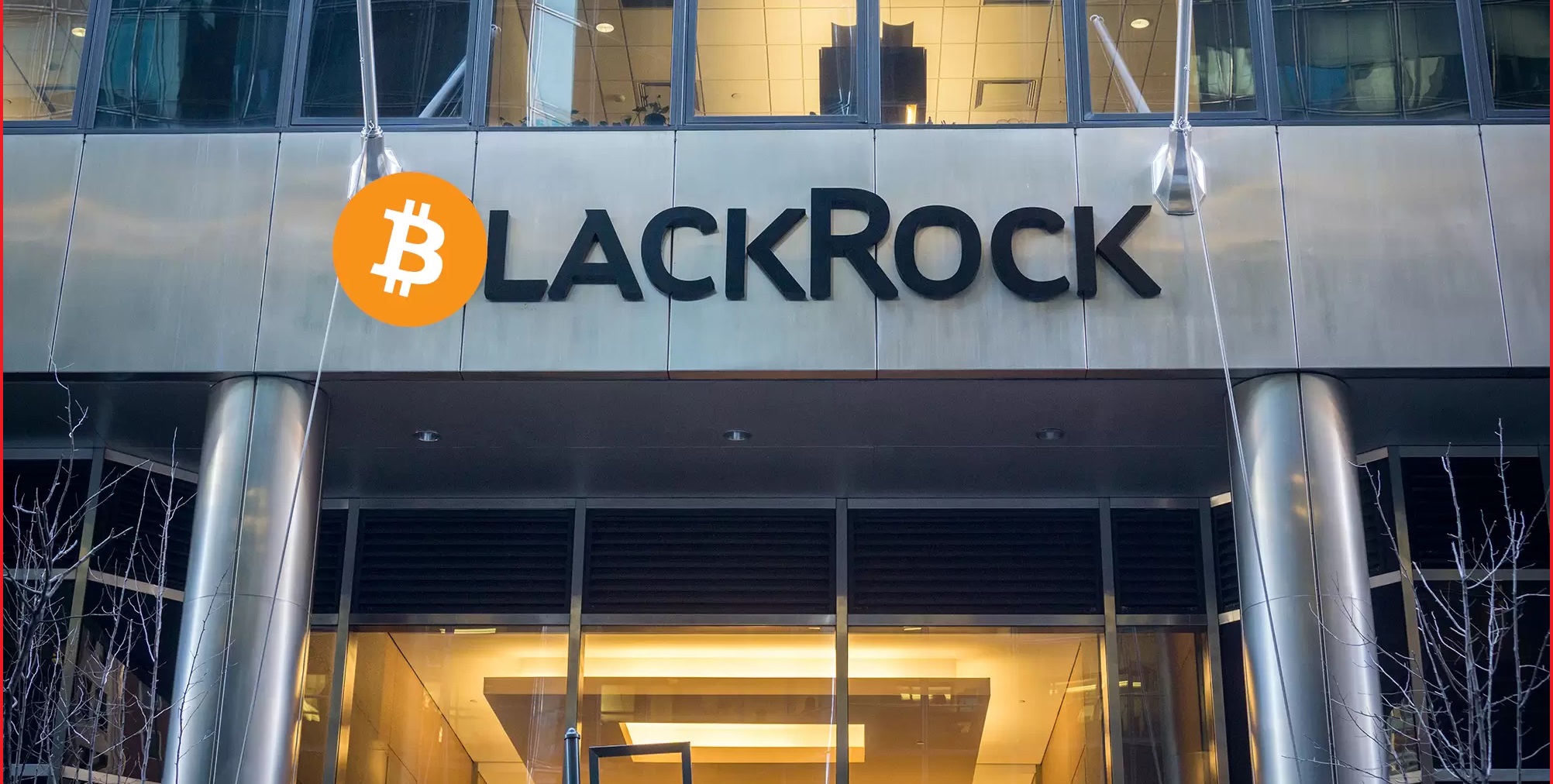
BlackRock, the world’s largest asset manager, has announced that it is increasing its exposure to bitcoin by adding more of the cryptocurrency to its balance sheet. The move comes as bitcoin continues to soar in value, reaching new all-time highs in 2023.

According to a recent filing with the Securities and Exchange Commission (SEC), BlackRock has purchased an additional 1,000 bitcoins, worth about $100 million at current prices, for its Global Allocation Fund. The fund, which has over $100 billion in assets under management, now holds about 2,000 bitcoins, or 0.002% of its portfolio.

BlackRock is not the only institutional investor that is betting on bitcoin. In 2021, several prominent companies, such as Tesla, MicroStrategy, Square, and PayPal, announced that they had invested in or accepted bitcoin as a form of payment. These moves boosted the credibility and adoption of bitcoin as a store of value and a medium of exchange.

Bitcoin is a decentralized digital currency that operates on a peer-to-peer network without any intermediaries or central authority. It was created in 2009 by an anonymous person or group using the pseudonym Satoshi Nakamoto. Bitcoin uses cryptography to secure transactions and create new units of currency. It has a limited supply of 21 million coins, which are expected to be mined by 2140.

Bitcoin has several advantages over traditional fiat currencies, such as low transaction fees, global accessibility, transparency, and resistance to inflation and censorship. However, it also faces several challenges, such as volatility, scalability, security, and regulatory uncertainty.

BlackRock’s decision to add more bitcoin to its balance sheet reflects its confidence in the long-term potential of the cryptocurrency. It also signals that more institutional investors are recognizing the value proposition of bitcoin and are willing to diversify their portfolios with this emerging asset class. This decision is a significant endorsement of bitcoin’s viability as an alternative asset class that can offer diversification and hedging benefits to investors.

Bitcoin has been gaining momentum in the past year, reaching new highs and attracting more institutional and retail interest. The cryptocurrency has also shown resilience in the face of regulatory and technical challenges, such as the crackdown in China and the network upgrade known as Taproot. Bitcoin’s supporters argue that it is a scarce and decentralized form of money that can serve as a hedge against inflation and currency devaluation.

BlackRock’s decision to add more bitcoin to its balance sheet reflects its confidence in the long-term potential of the cryptocurrency. By allocating a portion of its assets to bitcoin futures, BlackRock is signaling that it believes that bitcoin can provide attractive returns and risk-adjusted performance for its clients. BlackRock is also taking advantage of the growing liquidity and maturity of the bitcoin futures market, which offers lower costs and higher efficiency than buying and storing bitcoin directly.

BlackRock’s move is likely to have a positive impact on the broader adoption and acceptance of bitcoin as a legitimate asset class. As the leader in the asset management industry, BlackRock’s endorsement of bitcoin can influence other institutional investors to follow suit and allocate some of their funds to the cryptocurrency. This can increase the demand and value of bitcoin, as well as its stability and security. Moreover, BlackRock’s involvement in the bitcoin futures market can contribute to the development and innovation of the cryptocurrency ecosystem, fostering more transparency and regulation.

BlackRock’s decision to add more bitcoin to its balance sheet is a bold and forward-looking step that demonstrates its vision and leadership in the asset management industry. By embracing bitcoin as a viable alternative asset, BlackRock is not only enhancing its own portfolio, but also paving the way for more widespread adoption and recognition of the cryptocurrency among investors and regulators.

BlackRock has filed for an exchange-traded fund that tracks the price of Bitcoin, giving investors exposure to the cryptocurrency without having to directly buy it. In a Securities and Exchange Commission filing, the world’s largest asset manager said it would use Coinbase as its custodian. U.S. regulators have not yet approved any Bitcoin ETFs; proposals from Fidelity and other firms have been rejected on the basis that cryptocurrencies are vulnerable to fraud and market manipulation. The asset class is under increased regulatory scrutiny, with the SEC suing Coinbase and Binance earlier this month. (LinkedIn News)

How To Rebuild A Nation Via A Platform Strategy

1

Construction workers build platforms. Those platforms can serve bricklayers, carpenters, painters and anyone working in the project. In internet business,  great companies engineer products with duality: products which are also platforms. Facebook is a product and also a platform. The most valued top 10 tech companies in the world have products with platform duality. With platforms, you have CUSTOMERS; products deliver consumers.

Interestingly, we can use the same construct we use in building companies to build and rebuild a nation. Platforms for economic growth include constant electricity, security, decent road networks, supply chain systems and those basic amenities you expect from governments. When you build them, you turn your citizens from Consumers to Producers because they will have platforms to operate on. If you do not, they remain mere consumers, feeding on imports because they have zero platform to tinker or do things.

The greatness of America comes from its platforms which include interstate roads, airports, good universities, etc. Upon those platforms, great companies are then built. Remove those platforms, everything fades.

Nigeria needs to build economic platforms to bring shared prosperity to its citizens. Nigeria does not need to build companies and join in free enterprises; it simply needs to provide platforms and We The People will then build and unlock opportunities on top of those platforms.

Because of Facebook platform, we see Like buttons and Comment sections to like, share and comment using Facebook on this blog. Just like we use construction platforms when building houses, when you mount them, you never know everyone who will use them. But you know that no matter who, the platform will help in the house construction. The platform supports the bricklayers, carpenters, painters and plumbers. Simply, it makes it possible for you to build on top of one project phase to another; from bricklaying to plastering to painting. Digital platforms do similar works: you begin with texts but over time, you have messaging, video, etc as products all integrated as one.

TMS Network (TMSN) Presale Surges in Popularity, Outshining Solana (SOL) and Polkadot (DOT)

0

TMS Network (TMSN) has recently taken center stage with its presale, captivating the crypto community. While established tokens like Solana (SOL) and Polkadot (DOT) have held their ground, TMS Network’s (TMSN) remarkable ascent is capturing the spotlight. Let’s delve into the latest developments surrounding Solana (SOL) and Polkadot (DOT), and explore the reasons behind TMSN’s rising popularity.

Solana (SOL) – Fading Glory Amidst Regulatory Turmoil

The once-promising Solana (SOL) has experienced a tumultuous journey recently, leaving investors disheartened and skeptical about its future. The Securities and Exchange Commission’s (SEC) classification of Solana (SOL) as a security has cast a dark cloud over the token’s prospects. While the Solana (SOL) Foundation expressed its disagreement with the SEC’s decision, the damage had already been done. In an attempt to alleviate concerns, the Solana (SOL) Foundation reassured its members, and emphasized its commitment to creating the best blockchain for a decentralized future. However, the effects of the SEC’s crackdown were immediate, with investors losing faith in Solana (SOL). The recent announcement by cryptocurrency exchange, Robinhood, to stop supporting Solana (SOL), Cardano, and Polygon only added fuel to the fire, exacerbating the downward trend. Currently priced at $15.47, Solana (SOL) stands 94.05% below its all-time high.

Polkadot’s (DOT) Stumbling Blocks: Struggling for Relevance

While Polkadot (DOT) once held promise as a revolutionary cross-chain integration platform, it now finds itself grappling to keep up with the pace. Despite its cutting-edge technology and collaborations with Moonbeam and Hydra DX, Polkadot (DOT) is facing challenges that have led to a decline in its market standing. One notable collaboration involves the integration of Web2 services, and the Web3 universe through Phala Network’s Phat Contract, leveraging Polkadot’s (DOT) technological prowess. This integration of Polkadot (DOT) aims to bridge the gap between Ethereum Virtual Machine (EVM) and Substrate blockchains, facilitating seamless transitions and communications across different blockchains. Currently, Polkadot (DOT) is priced at $4.53. Polkadot (DOT) faces an uphill battle in reclaiming its position in the market. Polkadot’s (DOT) value stands 91.76% below its all-time high, signaling the need for a reevaluation of its strategies and offerings.

TMS Network (TMSN): The Rising Star of the Crypto Universe

In stark contrast to the struggles of Solana (SOL) and Polkadot (DOT), TMS Network (TMSN) has emerged as a beacon of hope and innovation in the crypto space. One of the standout features of TMS Network (TMSN) is its commitment to providing traders with a wealth of resources to enhance their trading experience. Unlike other platforms like Solana (SOL) and Polkadot (DOT), TMS Network (TMSN) offers a range of educational materials, empowering users to refine their trading strategies and stay ahead of the game. Whether it’s on-chain analytics, trading bots, or portfolio management tools, TMS Network (TMSN) ensures that traders have access to the latest cutting-edge technology. What truly sets TMS Network (TMSN) apart is its unique social trading feature. Investing in TMS Network (TMSN) also comes with a range of enticing incentives. Token holders not only gain voting rights within the network but also enjoy a share of commission revenue, and access to premium services provided by TMS Network (TMSN). The project has seen a staggering 4,300% increase in its token value, sending shockwaves through the market. While the token has reached $0.104, market analysts predict an even brighter future, with projections of TMS Network (TMSN) crossing $2 after the presale event.


Join the Presale:

Presale: https://presale.tmsnetwork.io

Website: https://tmsnetwork.io

Telegram: https://t.me/TMSNetworkIO

Twitter: https://twitter.com/@tmsnetwork_io