DD
MM
YYYY

PAGES

DD
MM
YYYY

spot_img

PAGES

Home Blog Page 4134

Electric Vibe at Asia crypto conferences points toward growing momentum

0

The cryptocurrency industry is booming in Asia, as evidenced by the electric vibe at recent crypto conferences held in the region. From Singapore to Seoul, thousands of enthusiasts, investors, developers, and entrepreneurs gathered to share insights, network, and showcase the latest innovations in the blockchain space. As more and more people adopt digital assets as a form of investment, payment, and innovation.

One of the main drivers of the crypto revolution in Asia is the growing demand for financial inclusion and empowerment. Many people in Asia lack access to traditional banking services, or face high fees, barriers, and risks when using them. Cryptocurrencies offer a decentralized, peer-to-peer, and borderless alternative that can enable anyone with a smartphone and an internet connection to participate in the global economy. According to a report by Chainalysis, Asia accounts for 43% of global cryptocurrency activity, with over $300 billion worth of transfers in 2020.

Another factor that is fueling the crypto revolution in Asia is the innovation and entrepreneurship that is happening in the space. Asia is home to some of the most influential and innovative crypto projects, exchanges, and platforms in the world, such as Binance, Huobi, OKEx, Bitmain, Ant Group, and many others.

These players are not only providing services and products to the crypto community, but also developing new technologies and solutions that can benefit various industries and sectors. For example, Ant Group’s blockchain platform AntChain is being used by various organizations such as the World Health Organization, Alibaba Group, and China Merchants Bank to improve transparency, efficiency, and security.

Another factor that is contributing to the crypto revolution in Asia is the regulatory and policy environment that is evolving in the region. While some countries in Asia have been more restrictive or hostile towards cryptocurrencies, such as China, India, and Indonesia, others have been more supportive or open-minded, such as Singapore, Japan, South Korea, and Thailand. These countries have recognized the potential benefits of cryptocurrencies for their economies and societies and have implemented regulations and frameworks that can foster innovation and growth in the space.

For example, Singapore has introduced the Payment Services Act, which provides a comprehensive licensing regime for crypto businesses. Japan has recognized Bitcoin as a legal form of payment since 2017. South Korea has passed a law that requires crypto exchanges to register with financial authorities and comply with anti-money laundering rules. Thailand has established a regulatory sandbox for crypto startups to test their products and services.

The crypto revolution in Asia is not without its challenges and risks. Some of the issues that need to be addressed include cybersecurity, consumer protection, education, taxation, governance, and interoperability. However, these challenges also present opportunities for further development and collaboration in the space. The crypto revolution in Asia is not a zero-sum game, but a win-win situation for all stakeholders involved. By embracing cryptocurrencies as a catalyst for change and innovation, Asia can lead the way towards a more inclusive, prosperous, and sustainable future.

One of the highlights of the Asian crypto scene was the Singapore Blockchain Week 2023, which took place from September 18 to 22. The event featured over 300 speakers, 100 exhibitors, and 10,000 attendees from more than 50 countries. The topics covered ranged from DeFi, NFTs, regulation, interoperability, scalability, and sustainability.

Another major event was the Korea Blockchain Week 2023, which was held from September 27 to October 1. The event attracted over 5,000 participants, who enjoyed keynote speeches, panel discussions, workshops, and networking sessions. Some of the prominent speakers included Vitalik Buterin, co-founder of Ethereum; Changpeng Zhao, CEO of Binance; and Michael Saylor, CEO of MicroStrategy.

These events showcased the growing momentum and maturity of the Asian crypto market, which has been leading the global adoption and innovation in the sector. According to a report by Chainalysis, Asia accounted for 43% of global cryptocurrency transactions in the last 12 months, followed by Europe with 22% and North America with 17%.

Some of the factors that contribute to Asia’s dominance in crypto include:

A large and diverse population of tech-savvy and young consumers who are eager to embrace new technologies and opportunities.

A supportive and dynamic regulatory environment that fosters innovation and experimentation while ensuring consumer protection and compliance.

A vibrant and competitive ecosystem of startups, exchanges, funds, media, and influencers that drive innovation and collaboration in the industry.

A strong presence and influence of global crypto players such as Binance, Huobi, OKEx, FTX, and Crypto.com that have established their headquarters or regional offices in Asia.

The electric vibe at Asia crypto conferences points toward a bright future for the industry in the region and beyond. As more people and businesses join the crypto revolution, Asia will continue to play a pivotal role in shaping the future of finance.

Marton’s departure marks the end of an era for New York Department of Financial Services

0

Peter Marton, the head of the virtual currency division at the New York State Department of Financial Services (NYDFS), is leaving his position after four years of service. Marton announced his departure in a LinkedIn post on Tuesday, saying that he will be joining a private sector company in the fintech space.

Marton joined the NYDFS in 2019 as the deputy superintendent of research and innovation and was promoted to lead the virtual currency division in 2020. Under his leadership, the NYDFS granted several licenses and approvals to crypto-related businesses, including BitLicense, conditional BitLicense, trust charter, and sandbox authorization. Marton also oversaw the implementation of the Greenlist, a list of pre-approved cryptocurrencies that licensed entities can use without further approval from the regulator.

Marton said that he was proud of his achievements at the NYDFS and thanked his colleagues and industry partners for their collaboration and support. He also expressed his optimism about the future of crypto regulation in New York and beyond.

“I believe that New York continues to be a leader in fostering a responsible and innovative crypto ecosystem, and I look forward to seeing how it evolves in the coming years. I also hope that other jurisdictions will follow New York’s example and adopt a balanced and forward-looking approach to crypto regulation that protects consumers and promotes innovation,” he wrote.

So why did Marton decide to leave NYDFS? According to his official statement, he wanted to pursue new opportunities in the private sector, where he could leverage his experience and knowledge to help businesses navigate the evolving regulatory landscape. He did not specify what kind of role or company he was looking for, but he expressed his gratitude and appreciation for his colleagues and partners at NYDFS.

Some analysts speculated that Marton’s decision might have been influenced by the recent changes in the leadership and direction of NYDFS. In June, Governor Andrew Cuomo appointed Linda Lacewell as the new superintendent of NYDFS, replacing Maria Vullo, who had served since 2016. Lacewell is a former prosecutor and chief of staff to Cuomo, and she has indicated that she intends to focus more on consumer protection and enforcement actions against financial misconduct.

Marton’s resignation might also reflect the challenges and pressures that regulators face in keeping up with the fast-paced and dynamic nature of the financial sector. As technology and innovation create new opportunities and risks for consumers and businesses, regulators have to balance the goals of fostering growth and innovation, while ensuring safety and soundness. Marton’s role at NYDFS required him to deal with a wide range of issues and stakeholders, from banks and insurers to startups and investors, to lawmakers and advocates.

Whatever his reasons, Marton’s departure marks the end of an era for NYDFS, and the beginning of a new chapter for him. He leaves behind a legacy of accomplishments and contributions that have shaped the state’s financial regulation for years to come. He also leaves behind a gap that will be hard to fill for NYDFS, which will have to find a successor who can match his skills and vision.

Marton did not disclose the name of the company he will be joining but said that he will share more details soon. He also said that he will remain involved in the crypto space as an advisor, investor, and enthusiast. Marton was one of the key figures in shaping and enforcing the state’s regulatory framework for the financial sector, especially in the areas of cybersecurity, fintech, and cryptocurrency.

Marton’s departure came as a surprise to many observers, who praised his leadership and expertise in overseeing some of the most complex and innovative aspects of the financial industry.

Kaduna State Election Tribunal Upholds the Election of Governor Sani, Dismisses PDP’s Petition

0

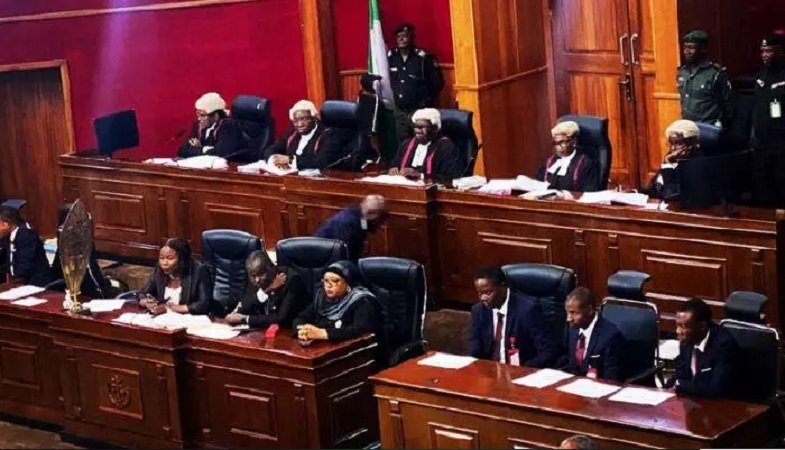
The governorship election petition tribunal sitting in Kaduna has upheld the victory of the All Progressive Congress (APC) candidate, Uba Sani, who was declared the winner of the 18 March governorship election in Kaduna State.

The disputed election was challenged by the first runner-up, Isah Ashiru of the Peoples Democratic Party (PDP). Both the PDP and Mr. Ashiru contended that extensive irregularities and result manipulation had occurred in certain local government areas, favoring Mr. Sani.

They maintained that Mr. Sani did not secure the highest number of valid votes cast during the election and, therefore, should not have been declared the winner.

Ruling on the matter, the three-member panel led by Victor Oviawe declared that the PDP and its candidate could not validate their claim that the election was rigged.

The verdict, which was announced via Zoom on Thursday, due to security concerns, held that the pre-hearing notice was filed out of time and therefore deemed to be abandoned. The petition was therefore dismissed.

The chairman of the tribunal and another member concurred that the appeal brought forth by the PDP and Mr. Ashiru lacked merit due to the procedural issue concerning the filing of the pre-hearing notice. They held that it “was abandoned and out of time, and therefore had dealt the entire petition a fatal blow.”

The tribunal said that if the petition had not been dismissed for its lack of merit, it would have ordered a supplementary election to be conducted within 90 days in 22 polling units.

Like in several other states, the Kaduna governorship election was allegedly marred by irregularities, prompting the petition by the PDP to challenge the outcome.

According to the results released by the Independent National Electoral Commission (INEC), Mr. Sani polled 730,001 votes to defeat his closest rival Mr. Ashiru who scored 719,196 votes.

The candidate representing the Labour Party (LP), Jonathan Asake, secured a distant third position with a total of 58,283 votes, while Suleiman Hunkuyi of the New Nigerian Peoples Party (NNPP) garnered 21,405 votes in the election. Both parties did not challenge Mr. Sani’s victory.

In response to the court’s judgment, the spokesperson for the governor, Mohammed Shehu, stated on behalf of Mr. Sani. In the statement, Mr. Sani praised the judgment, characterizing it as a victory for democracy and a confirmation of the people’s choice, ultimately viewing it as God’s will.

“On this historic day, I join the people of Kaduna State to celebrate this monumental victory for democracy,” the governor stated.

“I consider this verdict not only as a win but a call to action, a call to deliver on our campaign promises as captured in the SUSTAIN agenda. This victory is a testament to the strength of our great judicial institutions and a proud moment for me as one of the pioneer advocates for democratic governance in Nigeria decades ago.

“The Deputy Governor, Dr. Hadiza Sabuwa Balarabe, and I express our immense gratitude to the good people of Kaduna State for their prayers, support, and firm belief in our mandate.

“Indeed, your unshaken loyalty and confidence in our administration is the propellant to ensuring we continue to deliver on our promises to you,” he added.

Nevertheless, Ashiru, in a statement he personally signed and issued following the tribunal’s verdict, reassured the people of Kaduna that he would persistently pursue the mandate they had entrusted to him until its logical conclusion.

He, however, shed more light on what transpired in the court, which earlier today created confusing reports in the media.

He said: “Given the ruling of the Kaduna state election tribunal, it has become necessary to share with our teaming supporters the true position of the ruling.

“On the preliminary objection, the tribunal, based on the majority of 2:1 judges upheld the preliminary objection of the respondent to the effect that the application for pre-hearing was done prematurely i.e. before the service of the last set of petitioners’ reply to the 2nd respondent’s reply to the petition was served.

“However, the law enjoins the tribunal, as a trial court, to proceed to pronounce on the merit of the substantive suit so that in the event the court of appeal finds that the trial tribunal was wrong in its decision on the preliminary objection, it would have the benefit of pronouncing on the decision of the tribunal in the substantive matter.

“Accordingly, the trial tribunal finds merit in the aspect of the petitioner’s case relative to the margin of win between the two leading candidates. The tribunal by a split decision of 2:1 accordingly, nullified the election of the governor of Kaduna state, ordered that the Certificate of Return be retrieved and fresh elections be conducted in some polling units in 4 LGAs and the outcome thereof be reckoned with before the declaration of the winner of the governorship election in Kaduna state.

“I want to again thank the people of the state while urging them all to remain law abiding while we pursue the appeal process.

“One thing I can assure the good people of Kaduna state is that I will pursue this mandate you freely gave me to its logical conclusion and by the grace of God, victory on our side.”

What Ndubuisi Ekekwe Will Do To Stabilize the Naira: Option #1 – A Partnership with Nigerian Diasporas 

16
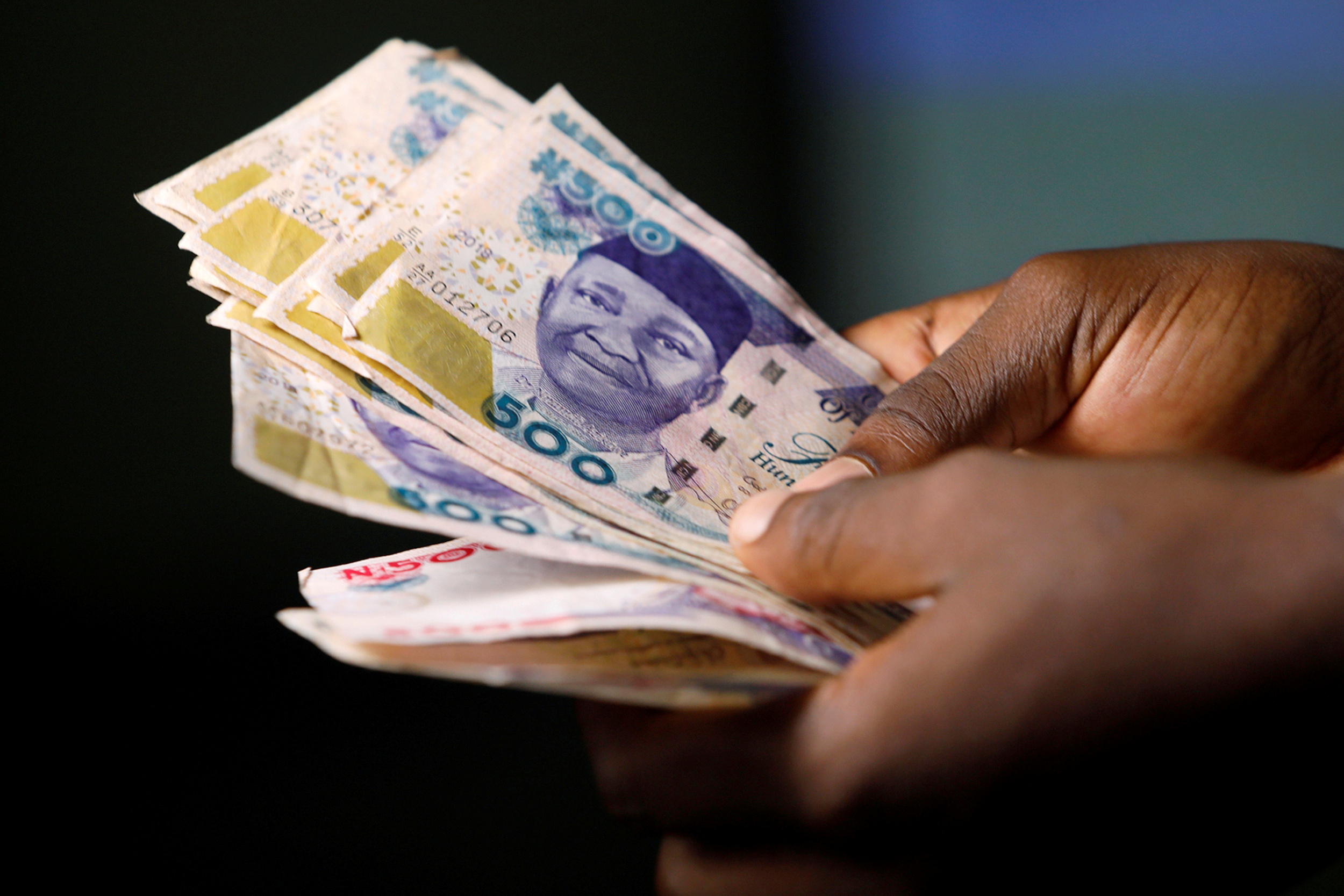
Nigerian naira banknotes are seen in this picture illustration, September 10, 2018. REUTERS/Afolabi Sotunde/File Photo

Premise: Ndubuisi Ekekwe was never a fan of the floating of the Naira and I have explained my reason via many posts. You cannot float Naira when you cannot fix the supply side of the US dollars in Nigeria. Across all indicators, the demand and supply imbalance of US dollars in Nigeria is the root cause of why Naira is struggling. Another component is the overdue forward payments of $6.8 billion.

The challenge now is how to fix this Naira, relying on public information We The People have access to. Here are my suggestions:

Option #1: A Partnership with Nigerian Diasporas 

Go to the Diasporas and unveil an opportunity to raise $10 billion over the next 6 months via a special national vehicle project, syndicated across US, Canada, EU, and the UK. Raise that money and offer to pay an 8% annual interest rate. Kickstarting this process will cool the temperature in the FX ecosystem.

Nigerians remitted about $20 billion in 2022 via the official channels: “According to a report by the World Bank, Africa’s most populous nation Nigeria, accounted for the highest remittance flow into sub-Saharan Africa in 2022. Remittance flow into the region reached $53 billion, and Nigeria accounted for 38% ($20.1 billion), followed by Ghana and Kenya with $4.7 and $4.1 billion respectively.” If you include non-official and non-border crossing remittance (i.e. internal swaps like pay Naira in local account, and I pay USD to where you need it in America), you can have close to $40 billion in 2022.

To make this partnership work, get the African Development Bank and Afreximbank to guarantee the investment, while you put a future crude sale of $10 billion handed over to the banks. In other words, the banks will guarantee to pay the principal and interest to the Diaspora investors, and Nigeria will sign-off on future crude oil sales to the banks.

Quickly, Nigeria will boost crude oil production to at least 2 million bpd, from about 1.2m bpd today, which remains within our OPEC quota. That extra production and closing all leakages will ensure the interest payment is covered while providing room to have additional funds.

We will take from the $10 billion and pay the $6.8 billion overdue forward payments. Another $1 billion will be invested to digitize the upstream oil & gas sector, making it impossible for leakages to happen, through technology. Another $1 billion will go into community-focused independent power systems which become a pool of funds, to support communities and states, on their electricity playbooks. That will jumpstart production in the nation. The balance will be put to get the national refineries back to full production.

And The Key Part: During repayment, the principal and interest should be paid into domiciliary accounts which will be opened automatically at the point of this investment, in Nigerian banking. The investors can decide to repatriate their funds, but I model that more than 80% will re-invest the funds in Nigeria with close to 40% leaving the funds in the dorm accounts, helping in the total USD supplies.

The whole construct of this option will get Naira back to N500/$ within three months.

Option 2: That will come in another post. I will be sharing here.

Tether makes strategic investment in Northern Data Group

0

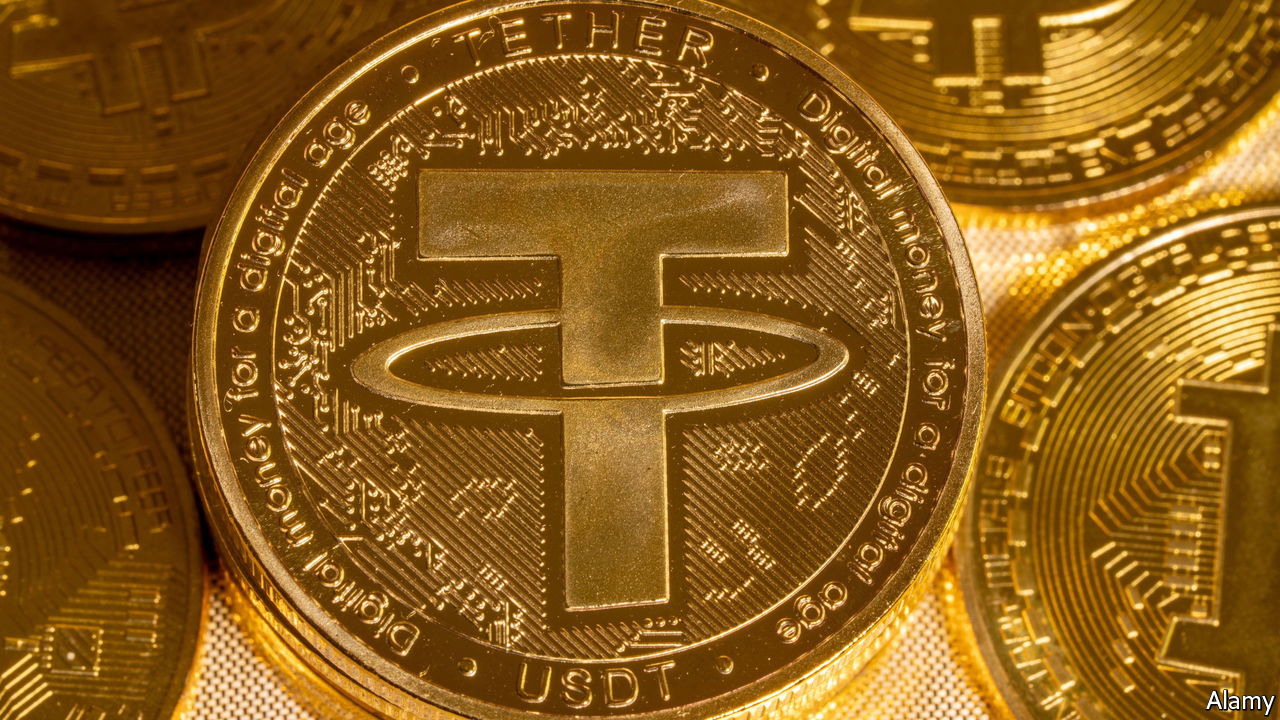
Tether, the leading stablecoin issuer, has announced a strategic investment in Northern Data Group, a global provider of high-performance computing solutions. The investment will enable Tether to leverage Northern Data’s expertise and infrastructure to enhance its blockchain-based services and products.

Tether is the most widely used stablecoin in the world, with a market capitalization of over $70 billion. Tether offers a digital token that is pegged to various fiat currencies, such as the US dollar, the euro, and the yen. Tether aims to provide a stable and transparent alternative to traditional money, enabling users to transact across different platforms and ecosystems. Tether is also a pioneer in innovation, being the first to launch stablecoins on multiple blockchains, such as Bitcoin, Ethereum, Tron, and Solana.

Northern Data Group is a leader in the field of high-performance computing, offering solutions for various industries, such as artificial intelligence, blockchain, gaming, and cloud computing. Northern Data operates several data centers across the world, with a total capacity of over 1.5 gigawatts. Northern Data also develops proprietary software and hardware solutions to optimize the performance and efficiency of its computing systems.

The strategic investment by Tether will allow both parties to benefit from each other’s strengths and synergies. Tether will be able to access Northern Data’s state-of-the-art computing facilities and resources, which will enhance its security, scalability, and innovation capabilities. Northern Data will be able to tap into Tether’s vast network and user base, which will increase its exposure and demand for its services.

Paolo Ardoino, CTO of Tether, said: “We are very excited to partner with Northern Data Group, a leader in high-performance computing and data center solutions. This investment reflects our commitment to innovation and excellence in the stablecoin space. We look forward to working with Northern Data to further improve our operations and security, and to explore new opportunities for collaboration.”

Tether operates on several blockchains, such as Bitcoin, Ethereum, Tron, and Solana, and can be transferred between them using a service called Tether Bridge. Tether can also be exchanged for other cryptocurrencies on various platforms, such as exchanges, wallets, and decentralized applications. Tether is often used as a medium of exchange, a store of value, and a hedge against volatility in the crypto market.

Aroosh Thillainathan, CEO of Northern Data Group, said: “We are delighted to welcome Tether as a strategic investor and partner. Tether is a trailblazer in the cryptocurrency industry and the most trusted and widely used stablecoin in the world. We are confident that this partnership will bring significant value to both parties and create new possibilities for growth and development.”

Tether’s solvency depends on two factors: its reserves and its demand. Tether’s reserves are the assets that back up the value of Tether. According to Tether’s website, these assets include cash, cash equivalents, short-term deposits, commercial paper, secured loans, corporate bonds, precious metals, and other cryptocurrencies. However, Tether does not provide a detailed breakdown of its reserves or a regular audit by an independent third party. This has raised doubts about whether Tether actually enough assets has to back up all the Tethers in circulation.

Tether’s demand is the amount of Tether that people want to hold or use. As long as there is enough demand for Tether, Tether can maintain its peg to the US dollar by issuing or redeeming Tethers as needed. For example, if there is more demand for Tether than supply, Tether can issue more Tethers and sell them for fiat currency or other assets to increase its reserves. Conversely, if there is less demand for Tether than supply, Tether can redeem some Tethers and buy back fiat currency or other assets to decrease its reserves.

Both Tether and Northern Data share a common vision of advancing the adoption and development of blockchain technology, which has the potential to transform various sectors and industries. By joining forces, they aim to create value for their customers and stakeholders, as well as contribute to the growth and maturity of the blockchain ecosystem.