DD
MM
YYYY

PAGES

DD
MM
YYYY

spot_img

PAGES

Home Blog Page 428

Aster Flips Tether on 24-hour Trading Fees While Jim Cramer Says “Buy Crypto”

0

Aster DEX, a decentralized perpetual futures exchange built on BNB Chain and advised by Binance founder Changpeng Zhao (CZ), has achieved a major milestone by surpassing Tether (USDT) in daily fee generation on September 29, 2025.

According to DeFiLlama data, Aster raked in approximately $29.2 million in fees over the past 24 hours, edging out Tether’s $22.2 million and dwarfing competitors like Circle $7.7 million and Uniswap $4.19 million. This marks the first time a DeFi protocol has overtaken the dominant stablecoin issuer in daily revenue, highlighting the explosive growth in decentralized trading volumes.

Aster processed $62.5 billion in perpetual futures volume in the last 24 hours, fueled by high-leverage markets up to 1,001x and features like trade privacy to prevent front-running. Over the past week, Aster generated $93.5 million in fees—nearly 10x Hyperliquid’s $9.35 million—while trailing Tether’s $154 million overall but showing faster daily peaks.

The $ASTER token jumped 14% to around $1.96, up over 1,900% since its September launch, amid speculation of token buybacks that could trigger a supply shock. With investments from CZ’s YZi Labs and former Binance talent on the team, Aster is positioning itself as a “Binance killer” in DeFi, drawing $185 billion in weekly trading volume—more than double Hyperliquid’s.

This flip underscores DeFi’s maturation, as trading fees now rival stablecoin yields from incumbents like Tether and Circle. Analysts see it as a sign of liquidity shifting from centralized exchanges, with Aster’s integration into Trust Wallet and potential Layer-1 chain launch adding fuel.

Jim Cramer Says “Buy Crypto”

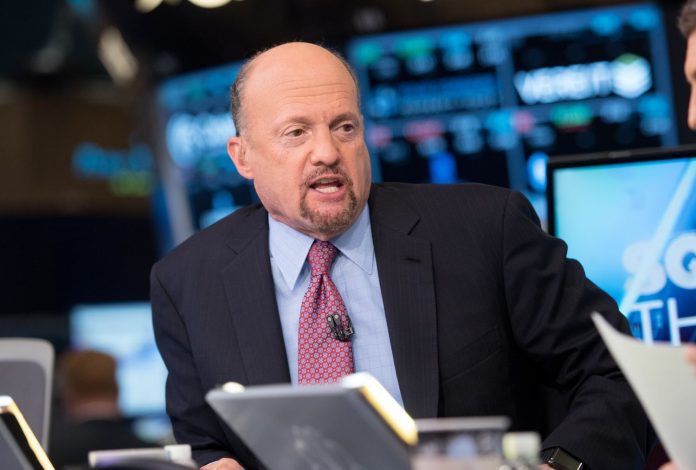
In a surprise tweet CNBC’s “Mad Money” host Jim Cramer posted simply: “buy crypto.” The cryptic message, accompanied by a photo likely symbolic or promotional, comes amid his ongoing book launch for How to Make Money in Any Market and has sparked widespread reactions in the crypto community.

Known as the “Inverse Cramer” indicator—where his calls often precede opposite market moves—this endorsement is being interpreted by many as a contrarian sell signal, with memes and jokes flooding X.

Cramer has shifted from calling crypto a “scam” in 2022 to advocating it as a hedge against the U.S.’s $37.8 trillion national debt. In July 2025, he revealed buying “a lot” of Bitcoin for his kids’ future, urging others to do the same.

He recommends keeping crypto under 5% of a portfolio as a speculative play, citing fortunes made despite volatility. In November 2024, he doubled down: “Own Bitcoin, that’s a winner.” X users are memeing it hard, with replies like “Time to sell everything”.

One post quipped: “A book on making money? Hope there’s a chapter on what to do when Jim Cramer says BUY CRYPTO.” These two headlines colliding on the same day feels like peak crypto chaos: DeFi innovation stealing the spotlight while a Wall Street icon accidentally (or not) fuels the “sell the news” vibe.

Aster’s $29.2 million in daily fees overtaking Tether’s $22.2 million signals a seismic shift in liquidity toward decentralized platforms. With $185 billion in weekly trading volume, Aster’s high-leverage perpetual futures (up to 1,001x) are pulling traders from centralized exchanges like Binance.

DeFi protocols like Aster generate revenue directly from trading activity, unlike Tether’s reliance on stablecoin yields tied to traditional finance. This shows DeFi’s ability to outpace CeFi in fee efficiency during high-volume periods.

Aster’s success, backed by figures like CZ and integrated with tools like Trust Wallet, boosts credibility for DeFi as a mature, scalable alternative to centralized systems. The $ASTER token’s 14% jump to ~$1.96 and 1,900% gain since launch reflect hype around potential token buybacks.

A supply shock could drive further price spikes, but volatility risks remain high. Higher fees could fund ecosystem growth, making $ASTER a focal point for speculative investment in DeFi.

Aster’s “Binance killer” narrative, amplified by its Binance-linked team, challenges centralized giants. Its $62.5 billion daily volume dwarfs competitors like Hyperliquid, signaling a potential reshuffling of market share.

Tether and Circle, reliant on stablecoin issuance, may face declining relevance if DeFi platforms continue capturing trading fees, especially as regulatory scrutiny of stablecoins grows.

Aster’s success bolsters BNB Chain’s position as a DeFi hub, leveraging low fees and high throughput to attract developers and traders. Features like trade privacy and extreme leverage highlight DeFi’s ability to innovate faster than CeFi, potentially drawing institutional interest despite regulatory risks.

Implications of Jim Cramer’s “Buy Crypto” Tweet

Cramer’s history as the “Inverse Cramer” indicator—where his calls often precede opposite market moves—means his “buy crypto” tweet could trigger short-term selling pressure. X posts already mock the call, with traders eyeing a dip.

Cramer’s mainstream reach via CNBC may draw new retail investors to crypto, but his mixed track record could lead to poorly timed entries, amplifying losses if markets correct. Cramer’s recent pivot to crypto as a hedge against the U.S.’s $37.8 trillion debt reinforces a growing narrative among Bitcoin bulls.

This could sustain long-term interest in BTC and other store-of-value assets, especially amid inflation fears. A Wall Street figure like Cramer endorsing crypto, even if polarizing, lends mainstream credibility, potentially encouraging hesitant investors to allocate that 5% portfolio slice he recommends.

Aster’s fee milestone showcases DeFi’s technical and economic prowess, while Cramer’s tweet reflects crypto’s growing acceptance in traditional finance circles. Together, they signal a tipping point where decentralized systems gain traction alongside mainstream narratives.

Cramer’s tweet may cause choppy price action, with traders fading his call, while Aster’s momentum could drive $ASTER and related tokens higher. Expect altcoin volatility as narratives clash.

Aster’s rise highlights DeFi’s ability to innovate and capture value, but Cramer’s influence could inflate CeFi-driven assets, creating a temporary disconnect. While Aster’s fees reflect real usage, Cramer’s tweet risks inflating speculative bubbles in unrelated tokens, potentially leading to a correction that overshadows DeFi’s structural gains.
Kazakhstan Launches State-Backed Crypto Reserve “Alem Funds”

0

Kazakhstan officially launched the Alem Crypto Fund, marking the country’s first national cryptocurrency reserve. This initiative represents a major step in integrating digital assets into the nation’s financial strategy, positioning Kazakhstan as a leader in Central Asian crypto adoption.

The fund is established by the Ministry of Artificial Intelligence and Digital Development, managed by Qazaqstan Venture Group, and registered within the Astana International Financial Centre (AIFC). It operates under the supervision of the Astana Financial Services Authority (AFSA) to ensure transparency, security, and regulatory compliance.

The fund’s debut purchase is BNB (Binance Coin), selected as the first digital asset for long-term holding. The exact amount invested has not been disclosed, but it underscores a strategic partnership with Binance Kazakhstan, a licensed entity within the global Binance ecosystem.

Primarily focused on long-term investments in digital assets to build strategic national reserves. In the future, it could evolve into a state savings tool, diversifying Kazakhstan’s economy and hedging against traditional market volatility.

Deputy Prime Minister Zhaslan Madiyev described it as a reliable instrument for major investors and a key foundation for digital state reserves.

Since 2021, the country has been a global Bitcoin mining powerhouse, peaking at 27% of worldwide hashrate after Chinese miners relocated there. It now holds 415,000 mining machines with 64 active licenses, supported by the “70/30 project” that allocates mining capacity while funding grid upgrades.

Launched Central Asia’s first spot Bitcoin ETF on the Astana International Exchange. Announced “CryptoCity,” a pilot zone in Alatau for crypto payments in everyday transactions like groceries and transport. Introduced KZTE, a Tenge-pegged stablecoin on Solana blockchain, in partnership with Mastercard and others.

National Bank outlined plans for a state-managed crypto reserve, funded by seized assets and public mining revenues. President Kassym-Jomart Tokayev has directed lawmakers to draft comprehensive digital asset legislation by 2026, including a full ecosystem for tokenized assets and institutional participation.

The reserve aligns with global trends, similar to El Salvador’s Bitcoin holdings or Norway’s sovereign wealth fund exposures via crypto ETFs. The launch generated buzz, with posts highlighting the BNB purchase and Binance tie-up. Users noted it as a “milestone in digital finance,” with one calling it a “strategic entry” amid Kazakhstan’s mining legacy.

This move could attract institutional investors and boost regional crypto hubs, though officials like National Bank Chairman Timur Suleimenov emphasize caution due to volatility. It follows a 2024 crackdown on illegal exchanges to enhance oversight.

Kazakhstan’s blend of state backing, mining infrastructure, and regulatory frameworks could set a model for emerging markets, potentially influencing similar reserves elsewhere.

By including digital assets like BNB in its reserves, Kazakhstan is diversifying beyond traditional assets like gold, foreign currencies, potentially hedging against inflation and fiat currency volatility.

The fund, backed by the Astana International Financial Centre (AIFC), signals a crypto-friendly environment, likely drawing institutional investors, blockchain startups, and foreign capital to Kazakhstan.

With 27% of global Bitcoin mining hashrate at its peak and ongoing mining operations, the fund could be partially financed by mining profits, creating a sustainable revenue stream for reinvestment.

The reserve aligns with Kazakhstan’s broader push to integrate digital assets via KZTE stablecoin, Bitcoin ETF, fostering a digital economy and reducing reliance on traditional sectors like oil and gas.

As the first Central Asian nation to launch a crypto reserve, Kazakhstan positions itself as a blockchain hub, potentially outpacing neighbors like Uzbekistan or Kyrgyzstan in digital finance innovation.

Following models like El Salvador’s Bitcoin adoption, Kazakhstan’s move could inspire other emerging markets to explore crypto reserves, enhancing its influence in global financial discussions.

The fund’s tie-up with Binance strengthens Kazakhstan’s alignment with major global crypto players, potentially deepening ties with tech-forward nations or firms while navigating U.S.-China tech tensions.

The reserve’s oversight by AFSA sets a precedent for regulated crypto markets, balancing innovation with risk management, which could serve as a model for other nations.

Kazakhstan’s vast mining infrastructure 415,000 machines, 64 licenses provides a foundation for scaling crypto-related tech, potentially supporting decentralized finance (DeFi) or tokenized asset platforms.

Kazakhstan’s crypto reserve could catalyze a shift in how sovereign wealth funds approach digital assets, encouraging other nations to explore similar strategies. It strengthens Kazakhstan’s role as a testing ground for crypto integration, potentially reshaping Central Asia’s financial landscape.

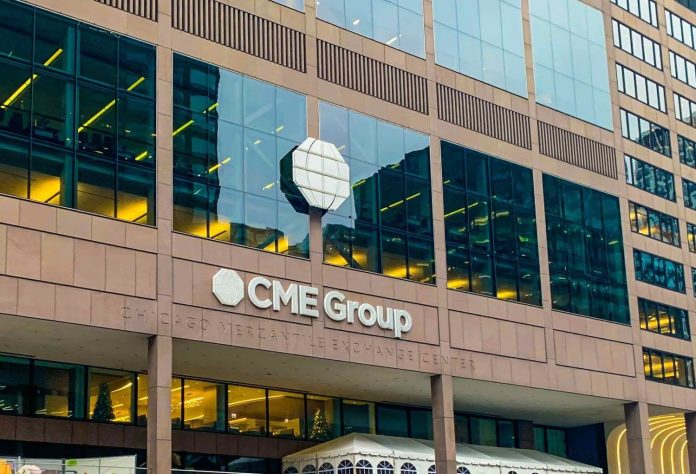
CME Group CEO Terrence Duffy Flips Off Polymarket CEO Shayne Coplan

0

During a joint SEC-CFTC roundtable on regulatory “harmonization” for digital assets and event contracts, a heated exchange escalated into an unforgettable moment.

The panel featured executives from traditional finance giants like CME Group alongside leaders from prediction market platforms, including Polymarket’s Shayne Coplan and Kalshi’s Tarek Mansour. The discussion touched on innovation, compliance, and the future of betting on real-world events—but things got personal when Coplan took a jab at legacy players.

The panel was meant to signal growing legitimacy for platforms like Polymarket and Kalshi in the eyes of regulators. Coplan, the 27-year-old founder of the blockchain-based prediction market that exploded in popularity during the 2024 U.S. election handling over $3.5 billion in bets, was sharing the stage with CME Group CEO Terrence A. Duffy, a 66-year-old veteran of traditional derivatives trading.

Duffy, whose exchange dominates futures markets, represents the old guard. The Jab: As the conversation veered into user accessibility and innovation, Coplan quipped about how consumers are “stuck with guys like you who are a lot older.”

It was a cheeky nod to the generational divide between crypto-native startups and established Wall Street firms, but it landed like a mic drop. Clips circulating on X show Coplan delivering the line with a smirk, prompting laughter from the audience.

Duffy didn’t miss a beat. He responded by flipping Coplan off—middle finger raised—right there on stage. The gesture was quick but unmistakable, captured in multiple attendee-recorded videos that went viral within hours.

Duffy followed up by joking about his weekend “gambling like an addict” on Kalshi, trying to lean into the banter, but the bird-flip stole the show. Coplan appeared unfazed, even grinning in some angles, later posting a cryptic eagle emoji, his signature on X without direct comment.

This wasn’t just theater; it highlighted real tensions: Old vs. New: CME Group has long dominated regulated event contracts like election futures, which they briefly offered in 2024 before pulling back.

Polymarket, unregulated for U.S. users and built on Polygon blockchain, has disrupted that by offering global, crypto-fueled betting on everything from elections to NFL games. Regulators invited both to the table as a nod to “harmonization,” but the flip-off underscored the rivalry—traditional finance sees crypto markets as chaotic threats, while innovators like Coplan view incumbents as outdated gatekeepers.

Polymarket’s rise has been meteoric but rocky. Coplan’s platform accurately “called” the 2024 election early, earning him Decrypt’s 2024 Person of the Year nod. But it also drew scrutiny: The FBI raided his NYC apartment in November 2024, seizing devices amid probes into U.S. user access illegal under current laws.

No charges followed, but it fueled “political retribution” theories tied to its Trump-favorable odds. Reactions on X and Beyond The moment lit up X with over 500K views on key clips by X NickPreszler captured the raw exchange, tweeting “There’s no way that just happened” with a 23-second video showing the flip-off clear as day. It racked up 1.5K likes and 500K+ views.

QuantYang called it Coplan “cooking” Duffy, adding, “Surprised there wasn’t a mention market for this” dubbed Duffy “unhinged,” while CryptoWendyO laughed it off as proof “regardless of wealth or status, they are just people.”

A few voices, like AlvaApp, questioned if it was “just CT banter” (crypto Twitter hype), but the videos and attendee accounts confirm it. Aggregators like rcivNFT listed it in a September 30 crypto newsletter, framing it amid ETF inflows and SEC shifts.

No formal apologies or fallout reported yet—Duffy’s CME hasn’t commented, and Coplan’s stayed coy. But in a world where prediction markets are betting on everything including, ironically, regulatory outcomes, someone should launch a market on “Will this lead to a collab or a lawsuit?”.

Overview of the SEC No-Action Letter for DoubleZero’s 2Z Token

0

The U.S. Securities and Exchange Commission (SEC)’s Division of Corporation Finance issued a significant no-action letter to DoubleZero, a decentralized physical infrastructure network (DePIN) project.

This letter confirms that the project’s native 2Z token, distributed programmatically to network participants, does not qualify as a security under federal securities laws. As a result, the SEC will not recommend enforcement action against DoubleZero for these distributions, provided they adhere to the specifics outlined in the company’s legal submission.

This marks one of the rare instances where the SEC has provided proactive regulatory clarity to a crypto project before its network launch, potentially serving as a blueprint for other utility-focused tokens in the DePIN space.

What is DoubleZero and the 2Z Token

DoubleZero is building a global network that leverages underutilized subsea and terrestrial fiber optic cables to enhance blockchain communication efficiency. It enables distributed systems like blockchains to access high-performance fiber-optic infrastructure, speeding up data movement and improving user experiences.

The 2Z token acts as “fuel” for the network—a pure utility mechanism. It is distributed as rewards to validators and contributors who provide bandwidth, perform network calculations, or contribute physical resources. Participants use 2Z to access bandwidth and earn staking rewards proportional to their contributions.

Importantly, it is not marketed as an investment with promises of profit from the project’s promoters. Unlike traditional token sales for fundraising, 2Z distributions are automated (“programmatic transfers”) based on network rules, compensating users for services rendered rather than soliciting investments.

The SEC determined that 2Z programmatic transfers do not need to be registered under Section 5 of the Securities Act of 1933, and the token itself is not required to be registered as an equity security under Section 12(g) of the Securities Exchange Act of 1934.

SEC Commissioner Hester M. Peirce, in a accompanying statement titled “Deep In,” explained that DePIN projects like DoubleZero differ from typical capital-raising schemes. Tokens here are rewards for “work performed or services rendered,” not investments expecting profits from others’ efforts. This economic reality places them outside the SEC’s core mandate, avoiding suppression of innovative networks.

This is hailed as a “game-changer” for utility tokens, providing clarity amid years of uncertainty. It signals a potential shift toward a more innovation-friendly stance from the SEC, especially for DePINs that incentivize real-world resource contributions via storage, energy, or connectivity.

Analysts suggest it could encourage similar projects, as the letter was issued pre-launch, emphasizing functional use over speculative value. The full no-action letter is available on the SEC website, detailing the conditions for non-enforcement. Peirce’s statement highlights how this fosters growth without overreach.

Co-founder Austin Federa called it “proof that U.S. founders can work with regulators to achieve clarity and still move fast.” The project shared the news via an X thread, expressing pride in the outcome.

Crypto media and analysts view this as a milestone, potentially reducing barriers for non-investment tokens. This development comes at a time when DePIN projects are gaining traction for bridging blockchain with physical infrastructure.

It sets a precedent for distinguishing utility tokens from investment contracts under the Howey Test, focusing on their functional role rather than speculative value. DePINs, which incentivize real-world contributions gain a regulatory framework to operate in the U.S. without fear of enforcement for programmatic token distributions.

This could spur innovation in DePINs, encouraging projects to integrate blockchain with physical infrastructure, as the letter validates their economic model. Unlike past SEC actions, which often followed enforcement or litigation, this no-action letter was issued before DoubleZero’s network launch.

This proactive approach signals that the SEC is open to working with projects early, potentially fostering compliance without stifling innovation. It may encourage other startups to seek no-action relief, creating a more predictable regulatory environment.

The no-action letter serves as a blueprint for other projects with similar tokenomics, particularly those avoiding investment-like promises. It could inspire a wave of DePIN and utility token projects to seek similar SEC relief.
However, it’s specific to DoubleZero’s structure.

Projects with different models via token sales for capital may still face scrutiny. Issued late in the current administration it reflects a potential shift toward innovation-friendly policies, possibly influenced by political pressures or evolving SEC priorities.

SEC Suspends Trading of QMMM Holdings Stock Amid Manipulation Probe

0

U.S. Securities and Exchange Commission (SEC) temporarily halted trading in the shares of QMMM Holdings Ltd. (NASDAQ: QMMM), a Hong Kong-based digital advertising firm, due to concerns over potential stock price manipulation.

The suspension, effective immediately, will last until 11:59 p.m. ET on October 10, 2025 10 trading days, allowing the regulator to investigate suspicious activity.

The SurgeQMMM’s stock experienced a dramatic rally in September 2025, surging over 2,000% from a low of around $11 per share to an intraday high of $260, before closing at $119.40 on September 26. This explosive growth was triggered by two key announcements on September 9.

The company revealed plans to establish a diversified cryptocurrency treasury with an initial $100 million allocation toward purchasing Bitcoin (BTC), Ethereum (ETH), and Solana (SOL). QMMM also announced a crypto analytics platform leveraging AI and blockchain technology, positioning itself as a bridge between traditional advertising and digital assets.

The news sparked intense retail investor interest, amplified by social media buzz on platforms like X (formerly Twitter) and Reddit, where QMMM was touted as a “sleeper hit” in the crypto space. Trading volumes spiked dramatically, contributing to the rapid price escalation.

However, the SEC alleges that this hype may not have been entirely organic. Allegations of ManipulationIn its official notice, the SEC stated: The Commission temporarily suspended trading in the securities of QMMM because of potential manipulation in the securities of QMMM effectuated through recommendations, made to investors by unknown persons via social media to purchase the securities of QMMM, which appear to be designed to artificially inflate the price and volume of the securities of QMMM.

This points to a possible “pump-and-dump” scheme, where anonymous promoters hype a stock to drive up its price before selling off holdings. The probe focuses on pre-announcement trading patterns and unusual volume spikes, though the company’s crypto strategy itself is not under scrutiny.

Neither QMMM nor Nasdaq has publicly responded to requests for comment. This action follows a broader regulatory crackdown. A Wall Street Journal report from September 25 highlighted SEC and FINRA inquiries into over 200 public companies adopting similar crypto treasury strategies, many of which saw unexplained pre-announcement surges.

Nasdaq has responded by requiring shareholder approvals for crypto-linked equity issuances and threatening delistings for non-compliance. The halt underscores the risks of social media-driven trades, especially in small-cap stocks tied to volatile sectors like crypto.

While QMMM’s pivot aligns with a trend—over 25% of public Bitcoin-holding firms now trade at discounts to their crypto assets’ value—this case highlights how hype can lead to swift regulatory intervention.

Corporate Bitcoin treasuries like MicroStrategy and Tesla have boosted legitimacy, but episodes like this could slow momentum by inviting stricter oversight on “crypto-adjacent” stocks.

Bitcoin hovered above $114,000 amid the news, showing resilience, but QMMM’s freeze has sparked discussions on X about TradFi’s caution toward crypto integration. Crypto news accounts amplified the story, warning of manipulation risks in hype-fueled rallies.

The investigation into potential manipulation taints QMMM’s credibility, even if no wrongdoing is found. Investors may hesitate to engage with the stock post-halt, fearing volatility or further regulatory scrutiny.

QMMM’s announced $100 million crypto treasury and AI-blockchain analytics platform aimed to position it as a crypto-adjacent player. The halt could delay or derail these plans if investor confidence wanes or regulatory restrictions tighten.

Current shareholders are unable to trade QMMM stock during the suspension, potentially trapping them in a volatile asset if prices collapse post-halt. The halt highlights the dangers of social media-driven stock surges, particularly in small-cap or crypto-linked companies.

Retail investors, who fueled QMMM’s 2,000% rally, may face losses if a pump-and-dump scheme is confirmed. The SEC’s focus on QMMM could deter investment in similar microcap or crypto-adjacent stocks, as investors reassess risks of manipulation and regulatory intervention.

QMMM’s crypto treasury announcement aligns with a trend of public companies holding Bitcoin and other digital assets. However, this halt may discourage other firms from pursuing similar strategies, fearing regulatory backlash or market manipulation probes.

The SEC’s action signals increased scrutiny of companies blending traditional business with crypto strategies. The ongoing probe into 200+ firms adopting crypto treasuries suggests broader oversight, potentially leading to new rules or compliance requirements.

The SEC’s swift action underscores its commitment to curbing social media-driven manipulation, especially in volatile sectors. This could lead to stricter monitoring of platforms like X and Reddit for coordinated stock promotion.

Nasdaq’s recent measures—requiring shareholder approval for crypto-linked equity issuances and threatening delistings—indicate exchanges are aligning with regulators to mitigate risks. This could reshape listing standards for crypto-adjacent firms.

The halt serves as a cautionary tale for retail traders chasing viral stocks, potentially tempering speculative trading in low-float or crypto-linked equities. Investors should brace for volatility when trading resumes, as pent-up selling or buying pressure could swing QMMM’s price.

The SEC’s findings will be critical—evidence of manipulation could lead to penalties, while a clean report might restore some confidence. This case could accelerate regulatory frameworks for crypto integration in public companies, impacting how firms structure treasuries or blockchain ventures.

It may also push retail investors toward more due diligence, reducing reliance on social media hype.If the investigation uncovers insider involvement, penalties could include fines, trading bans, or criminal charges. Investors should monitor SEC updates for resumption details.