Sign in
  • Click here - to use the wp menu builder
Sign in
Welcome!Log into your account
Forgot your password?
Terms & Privacy
Password recovery
Recover your password
Search

DD
MM
YYYY

Logo

CATEGORIES

  • Home
  • ENROLL
  • Contact
  • Forum
  • School
  • Tekedia Capital
  • Home
  • ENROLL
  • Contact
  • Forum
  • School
  • Tekedia Capital

PAGES

  • School
  • Contact
  • Capital
  • AI Consulting
  • Store
Facebook
Instagram
Twitter
Vimeo
Youtube

DD
MM
YYYY

Logo

spot_img
  • Home
  • ENROLL
  • Contact
  • Forum
  • School
  • Tekedia Capital
  • School
  • Contact
  • Capital
  • AI Consulting
  • Store

FACEBOOK

TWITTER

GOOGLE+

RSS

Logo

Logo

CATEGORIES

  • Home
  • ENROLL
  • Contact
  • Forum
  • School
  • Tekedia Capital

PAGES

  • School
  • Contact
  • Capital
  • AI Consulting
  • Store
Home Blog Page 4352

GEN.ART Announces Closure of Its Operations

By
Paul Ugbede Godwin
-
August 12, 2023
0

GEN.ART, the leading platform for generative art, has announced that it will cease its operations by the end of this month. This decision comes as a shock to many of its users, artists, and partners, who have relied on GEN.ART for creating and selling unique digital artworks. Generative art is a form of art that uses algorithms, rules, or systems to generate or influence the creation of an artwork. The artist sets the parameters and the code, and the computer executes the process, resulting in a dynamic and unpredictable output.

GEN.ART was founded in 2021 with the vision of democratizing generative art and making it accessible to everyone. We wanted to create a platform where anyone could create, discover, and collect generative artworks, without needing any coding skills or expensive software.

Lack of funding: As a bootstrapped startup, we relied on our own resources and revenue to run our platform. However, due to the niche nature of generative art and the high costs of hosting and maintaining our servers and infrastructure, we were unable to generate enough income to sustain our business.

Legal issues: As generative art involves the use of code and data, it also raises complex legal questions regarding intellectual property rights, ownership, attribution, and licensing. We tried to provide clear and fair terms of service and policies for our users and artists, but we still faced several disputes and claims from third parties who accused us of infringing their rights or using their data without permission.

Technical difficulties: As generative art is a constantly evolving field that requires cutting-edge technology and expertise, we also encountered many technical difficulties in developing and improving our platform. We had to deal with bugs, errors, compatibility issues, security breaches, and performance problems that affected the quality and reliability of our service.

Low demand: Despite our marketing efforts and outreach campaigns, we also struggled to attract and retain enough users and customers for our platform. We found that generative art was still a niche market that had limited appeal and awareness among the general public. Many people did not understand or appreciate the value and uniqueness of generative art, or preferred more traditional forms of digital art.

Read Excerpt from GEN.ART Community Notes

It is with great sadness that we announce the closure of GEN.ART, the first and largest NFT generative art platform in the world. After more than two years of pioneering the field of algorithmic art on the blockchain, we have decided to shut down our business due to various challenges and difficulties that we could not overcome.

We want to thank our amazing community of artists, collectors, curators, and supporters who have been with us since the beginning. You have made GEN.ART a vibrant and diverse space for creativity and innovation. You have inspired us with your vision, talent, and passion. You have shown us the endless possibilities of generative art and NFTs.

We are proud of what we have achieved together. We have hosted over 10,000 auctions, sold over 100,000 artworks, and generated over $50 million in revenue for our artists. We have supported emerging and established artists from all over the world, giving them a platform to showcase their work and earn a living from their art. We have curated and exhibited some of the most groundbreaking and influential generative art collections in history, such as Art Blocks, Fidenza, Ringers, Chromie Squiggle, and many more.

We have also collaborated with prestigious institutions and organizations, such as the Museum of Modern Art, the Smithsonian Institution, and the United Nations, to promote generative art and NFTs as a new form of cultural expression and social impact. We have faced many challenges and obstacles along the way, but we have always tried to overcome them with integrity, transparency, and resilience. However, in the past few months, we have encountered some insurmountable difficulties that have forced us to make this difficult decision. These include:

The increasing complexity and cost of maintaining our smart contracts and infrastructure on the Ethereum network, which have become unsustainable for our business model.

The growing competition and fragmentation of the NFT market, which have reduced our market share and profitability.

The legal and regulatory uncertainties and risks surrounding NFTs and generative art, which have created significant liabilities and barriers for our operations.

The ethical and environmental concerns and controversies associated with NFTs and generative art, which have eroded our reputation and trust among our stakeholders.

We have explored various options and alternatives to continue our business, such as migrating to a different blockchain network, partnering with other platforms or entities, or pivoting to a different product or service. However, none of these solutions were viable or feasible for us in the long term. Therefore, we have decided to close our doors and end our journey as GEN.ART.

We know that this news will come as a shock and a disappointment to many of you. We share your feelings of sadness and frustration. We understand that you may have many questions and concerns about what will happen to your artworks, your accounts, your funds, and your data. We want to assure you that we will do everything in our power to ensure a smooth and orderly transition for everyone involved. Here are some important points that you need to know:

All existing auctions will be completed as normal. You will be able to bid on, buy, sell, or transfer your artworks until the end of August 2023. All artworks will remain on the blockchain and will be accessible through third-party platforms or tools. You will still own your artworks and be able to view them on platforms such as OpenSea or MetaMask. All funds will be returned to their respective owners. You will be able to withdraw your balance from your GEN.ART wallet until the end of September 2023. All data will be deleted from our servers after the end of October 2023. You will be able to download your transaction history and other personal information from your GEN.ART account until then.

We will provide more details and instructions on how to proceed with these steps in the coming days. Please check our website and social media channels for updates. We apologize for any inconvenience or hardship that this decision may cause you. We hope that you will understand that this was not an easy or hasty decision for us. We have put our heart and soul into building GEN.ART from scratch, and we are deeply grateful for every moment that we have shared with you.

We believe that generative art and NFTs are not just a passing trend or a fad. They are a revolutionary force that will transform the art world and beyond. They are a new way of creating, collecting, owning, and experiencing art that empowers artists and audiences alike. They are a new medium for expressing ourselves, telling our stories, and connecting with each other.

Share this:

  • Click to share on Facebook (Opens in new window) Facebook
  • Click to share on X (Opens in new window) X
  • Click to share on WhatsApp (Opens in new window) WhatsApp
  • Click to share on LinkedIn (Opens in new window) LinkedIn
  • Click to email a link to a friend (Opens in new window) Email
  • Click to print (Opens in new window) Print

Like this:

Like Loading...

Sam Bankman-Fried Jailed Ahead of Trial

By
Paul Ugbede Godwin
-
August 12, 2023
0

Sam Bankman-Fried, the billionaire founder and CEO of cryptocurrency exchange FTX, has been arrested and detained by federal authorities in New York. He is facing charges of money laundering, tax evasion, and securities fraud related to his involvement in the crypto industry. A federal judge in New York has ordered the arrest of Sam Bankman-Fried, the judge said he was revoking the bail that was granted to Bankman-Fried last month, after he was indicted on charges of fraud, money laundering, and market manipulation.

According to the indictment, Bankman-Fried and his associates allegedly operated a scheme to inflate the prices of various cryptocurrencies on FTX and other platforms, using fake accounts, bots, and insider information. The indictment also claims that Bankman-Fried and his co-defendants laundered billions of dollars through offshore entities and shell companies, evading taxes and regulatory oversight.

The judge said he was convinced that Bankman-Fried was a flight risk, given his access to vast amounts of crypto assets and his connections to foreign jurisdictions. The judge also cited evidence that Bankman-Fried had attempted to tamper with witnesses and obstruct justice, by offering bribes, threats, and intimidation.

Bankman-Fried’s lawyers argued that he was innocent of the charges and that he had cooperated fully with the authorities. They also said that he had complied with all the conditions of his bail, which included surrendering his passport, wearing an ankle monitor, and posting a $100 million bond. They said that revoking his bail was unjustified and excessive, and that they would appeal the decision.

According to a statement from the U.S. Attorney’s Office for the Southern District of New York, Bankman-Fried was taken into custody on Friday morning after arriving at John F. Kennedy International Airport from Hong Kong, where he is based. He is expected to appear before a magistrate judge later today.

The statement alleges that Bankman-Fried and his associates used FTX, which is one of the largest and most popular crypto exchanges in the world, to facilitate illicit transactions involving billions of dollars’ worth of digital assets. The authorities claim that Bankman-Fried and his co-conspirators laundered money for criminal organizations, evaded taxes on their enormous profits, and manipulated the prices of various cryptocurrencies to defraud investors.

The statement also accuses Bankman-Fried of violating the Securities Act of 1933 and the Securities Exchange Act of 1934 by offering and selling unregistered securities, such as futures contracts and options, on FTX without complying with the relevant regulations and disclosures. The authorities allege that Bankman-Fried exploited his access to insider information and his influence over the crypto market to benefit himself and his associates at the expense of other traders.

Bankman-Fried, who is 29 years old and has a net worth of over $16 billion according to Forbes, is one of the most prominent and influential figures in the crypto space. He is known for his philanthropy, his advocacy for effective altruism, and his support for various social causes. He has also donated millions of dollars to political campaigns, including those of President Joe Biden and Mayor Francis Suarez of Miami.

However, his arrest has sent shockwaves across the crypto community and the financial world, as many wonder what this means for the future of FTX and the crypto industry as a whole. Some analysts have speculated that this could trigger a major sell-off of cryptocurrencies, as investors lose confidence and trust in the market. Others have suggested that this could be an opportunity for other crypto exchanges and platforms to fill the gap left by FTX and gain more market share.

Bankman-Fried has not yet issued any public statement or comment on his arrest or the charges against him. His lawyers have not responded to requests for comment either. He faces up to 20 years in prison if convicted on all counts.

Share this:

  • Click to share on Facebook (Opens in new window) Facebook
  • Click to share on X (Opens in new window) X
  • Click to share on WhatsApp (Opens in new window) WhatsApp
  • Click to share on LinkedIn (Opens in new window) LinkedIn
  • Click to email a link to a friend (Opens in new window) Email
  • Click to print (Opens in new window) Print

Like this:

Like Loading...

Court Revokes FTX founder Sam Bankman-Fried’s Bail Over Witness Tampering

By
Samuel Nwite
-
August 12, 2023
0
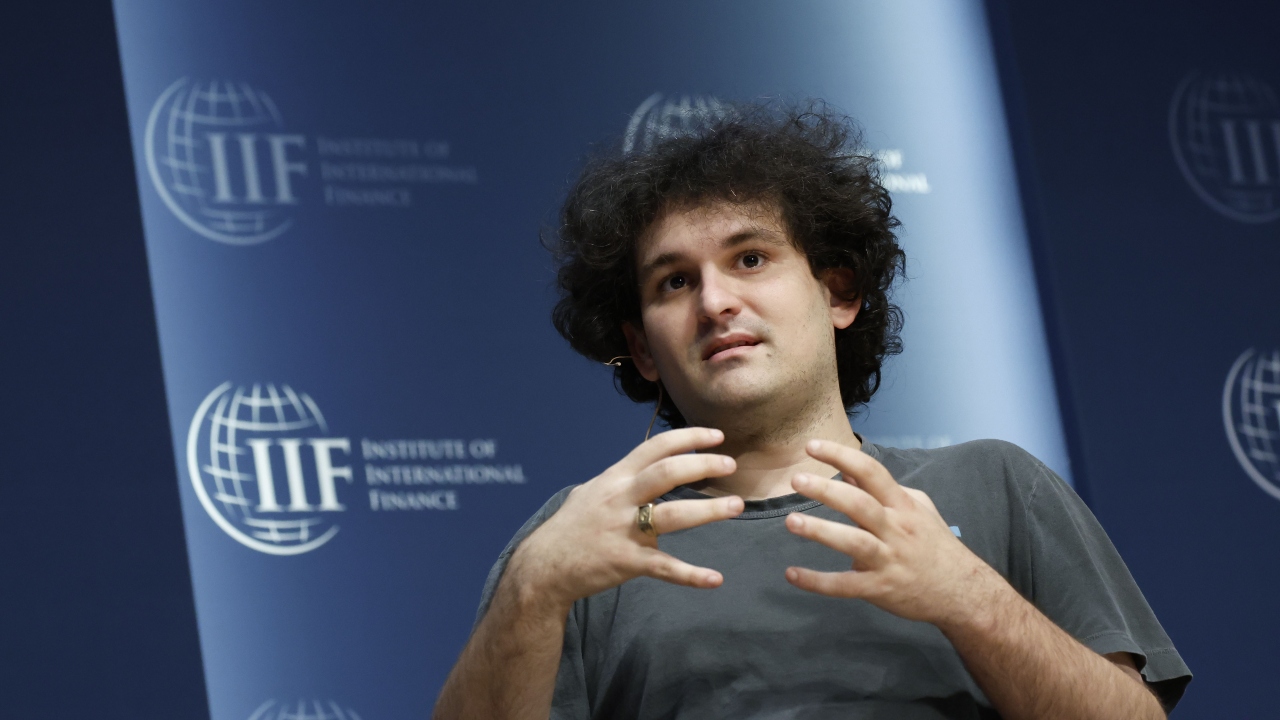
Sam Bankman-Fried

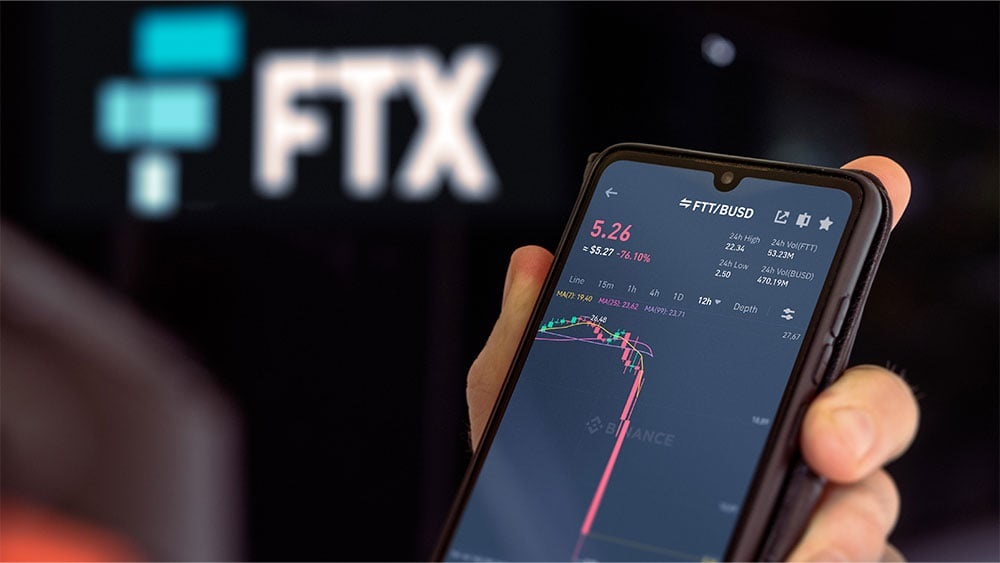
FTX founder Sam Bankman-Fried is heading back to prison after a judge granted the request of federal prosecutors and revoked his bail on Friday.

The twist in his case follows repeated violation of his bail conditions – mainly, speaking to the press. Judge Lewis Kaplan rejected Bankman-Fried’s plea for deferred detention pending an appeal, resulting in his direct remand into custody following a court proceeding in New York. He will stay in custody until his criminal trial commences on October 2nd.

Since his arrest last December following the implosion of FTX, Bankman-Fried has been in and out of court on pre-trial hearings, with Friday being the latest. He was bailed on a $250 million bond that came with the condition that he remains at his parents’ Palo Alto, California house.

Bankman-Fried’s continued dealings with the press were described by the Justice Department as a “pattern of witness tampering and evading his bail conditions,” which he was earlier in July warned about by Judge Kaplan.

In the motion seeking Bankman-Fried’s detention, the government asserted that in recent months, the defendant had dispatched more than 100 emails to media outlets and initiated over 1,000 phone conversations with members of the press.

According to CNBC, prosecutors said Bankman-Fried’s release of confidential diary entries belonging to his former girlfriend, Caroline Ellison, to the New York Times was the final straw.

Ellison, former Research co-CEO of Alameda – Bankman-Fried’s failed cryptocurrency hedge fund, had pleaded guilty to federal charges in December 2022 and is cooperating with prosecutors. She is expected to serve as a key witness for the prosecution.

“Faced with a series of conditions meant to limit the defendant’s use of the internet and the phone, the defendant pivoted to in-person machinations,” the prosecution said of Bankman-Fried, whose revised bail conditions include restricted internet access and a ban from smartphone use.

The report noted the government as further saying that Bankman-Fried engaged in over 100 telephone conversations with one of the authors of the Times article before its publication, often spanning around 20 minutes each.

The prosecution portrayed Bankman-Fried’s actions as an endeavor to undermine Ellison’s credibility. They characterized it as an “indirect form of witness intimidation through media channels.”

This argument successfully persuaded Judge Kaplan to order Bankman-Fried’s pre-trial detention.

Bankman-Fried is facing criminal charges over the alleged fraud of more than $1.8 billion he committed while at the helm of FTX. According to the prosecutors, the ex-billionaire defrauded regulators in “a house of cards” style, raising the fund from equity investors since May 2019 by promoting FTX as a safe, responsible platform for trading crypto assets.

Despite his bail requirements prohibiting him from speaking to the press, Bankman-Fried was notably talking to media outlets – denying any wrongdoing.
CNBC reported that various media representatives, including legal counsel for The New York Times and the Reporters Committee for Freedom of the Press, submitted letters contesting Bankman-Fried’s detention.

They raised concerns about freedom of speech.

In parallel, defense lawyers contended that Bankman-Fried was exercising his First Amendment rights and had not breached any conditions of his bail by talking to journalists.

Attorneys of the former FTX chief argued that if Bankman-Fried were to be detained, he would face challenges in adequately preparing for his trial. The challenges come from the extensive volume of discovery documents, which can only be accessed through a computer equipped with internet connectivity.

Share this:

  • Click to share on Facebook (Opens in new window) Facebook
  • Click to share on X (Opens in new window) X
  • Click to share on WhatsApp (Opens in new window) WhatsApp
  • Click to share on LinkedIn (Opens in new window) LinkedIn
  • Click to email a link to a friend (Opens in new window) Email
  • Click to print (Opens in new window) Print

Like this:

Like Loading...

Shares Under The Companies and Allied Matters Act (CAMA) 2020 Nigeria

By
Emmanuel Ifeanyi Ogbuka
-
August 11, 2023
0
CAC

Part 1: 

Shares are basically units of equity ownership of a company and constitute a major benchmark of rights for company members under Nigerian Corporate Law. Governed by the Companies and Allied Matters Act (CAMA) 2020 through the Corporate Affairs Commission (CAC), shares will be constituting the focus of this article, particularly regarding the topics of :-

– The rights and liabilities attached to shares.

– The transferability of shares

– Non-voting and weighted shares

– The issuance of shares

– The validation of improperly issued shares.

What are the rights and liabilities attached to shares under CAMA 2020?

– Subject to the relevant provisions of this act, the rights and liabilities attached to the shares of a company or any class thereof shall :-

a). Be dependent on the terms of issue or the company’s articles, and

b). Notwithstanding anything to the contrary in the terms of the articles, include the right to attend any general meeting of the company and vote at such a meeting.

What does the act say on the transferability of shares as property?

The act provides that shares or other interests of a member in a company are personal property transferable in the manner prescribed in the articles of association of the company.

What are the provisions of the act on non-voting and weighted shares?

The act provides that :-

– Unless otherwise provided by any other enactment, any share issued by a company shall carry the rights on a poll at a general meeting of the company to one vote in respect of each share.

– No company may by its articles or otherwise authorise the issue of shares which carry more than one vote in respect of each share or which don’t carry any right to vote.

– If a company contravenes any of the provisions of the act on non-voting and weighted shares, the company and any other officer in default shall be fined to an extent as the CAC shall specify and any resolution passed in contravention of this section shall be void.

– The provisions of CAMA 2020 on non-voting and weighted shares will not affect any right attached to preference shares .

What are the provisions of the act regarding the issue of shares?

The act provides that:-

– Subject to any limitation in the articles of a company with respect to the number of shares which may be issued and any pre-emptive rights prescribed in the articles in relation to the shares, a company has the power, at such times and for such consideration as it shall deem to issue shares.

What are the provisions of the act regarding the pre-emptive rights of existing shareholders?

The act provides that a company shall not in any event allot newly issued shares unless they are offered in the first instance to all existing shareholders of the class being issued in proportion as nearly as may be to their existing holdings. 

What does CAMA 2020 say about the issuance of class shares?

A company can, where authorized by its articles to do so, issue classes of shares and these shares shall not be treated as being of the same class unless they rank equally for all purposes.

The act also provides that any share in a company may be issued with such preferred, deferred or other special rights or such restrictions, whether with regard to dividend, return of capital or otherwise as the company may determine.

What does the act say about the issuance of shares at a premium?

– The act provides that a company’s shares may be issued at a premium.

– The act also states that where a company issues shares at a premium, whether for cash or otherwise, a sum equal to the aggregate amount or value of the premium on those shares shall be transferred to a “share premium account”.

– The provisions of the act relating to the reduction of the share capital of a company shall, except as provided in this section, apply as if the share premium account were paid-up share capital of the company. 

– The share premium account may  be applied by the company in :-

a). Paying up unissued shares of the company to be issued to members of the company as fully paid bonus shares.

b). Writing off the preliminary expense of a newly incorporated company.

c).Writing off the expenses of, or the commission paid on any issue of shares of the company.

d). Providing the premium payable on redemption of any redeemable share of the company.

It should however be noted that it is unlawful under the act for a company to issue shares at a discount.

Also, no company limited by shares shall, after the commencement of this act, issue any preference shares which are irredeemable.

What are the provisions of the act on the validation of improperly issued shares?

The act provides that:-

-Where a company has purported to issue or allot shares and the issue or allotment of those shares was invalid by reason of any provision of this Act or any other enactment, of the articles or the terms of issue or allotment were inconsistent with or unauthorized by any such provision, the company may within 30 days of an application made by a holder, mortgagee of those shares or by a creditor of the company, and by special resolution, validate the issue or allotment of those shares or confirm the terms of the issue and allotment, as the case may be.

– Where a company refuses to validate the issue or allotment of the shares or confirm the terms of the issue and allotment, the Court may, upon application made by a holder, a mortgagee of those shares or by a creditor of the company, and upon being satisfied that in all the circumstances it is just and equitable to do so, validate the issue, allotment of those shares or confirm the terms of the issue and allotment, as the case may be.

-In every case where the court validates an issue, allotment of shares or confirms the terms of an issue or allotment in accordance with the provision mentioned above, it shall make, upon payment of the prescribed fees, an order which is proof of the validation or confirmation and upon the issue of the order, those shares are deemed to have been issued or allotted upon the relevant terms of issue or allotment.

Corporate Law :- Shares Under the Companies and Allied Matters Act (CAMA) Part 2

This article installment will be focused on the topic of shares in areas that include :-

– Shares Allotment

– The method of making applications for share allotments under CAMA 2020

– Allotments as contractual considerations

– Irregular allotments

– Obtainable returns on allotments

Who has the authority to allot shares under CAMA 2020?

-The power to allot shares is vested in the company, and, in relation to a private company, this power may be delegated to the directors, subject to any condition or direction that may be imposed in the articles or by the company in general meeting.

-The power to allot shares of a public company is subject to the provisions of the Investment and Securities Act.

-The powers to allot the shares of a company are not exercised by the directors of a company unless express authority to do so has been vested in the board of directors by :-

(a) the company in a general meeting ; or

(b) the company’s articles.

What is the prescribed method of application and allotment regarding shares under CAMA 2020?

The act states that without prejudice to the provisions of the Investment and Securities Act, the following provisions apply in respect of an application for an allotment of issued shares of a company:-

(a) in the case of a private company or a public company where the issue of shares is not public, there shall, if so required by the company, be submitted to the company a written application signed by the person wishing to purchase shares indicating the number of shares required ;

(b) in the case of a public company, subject to conditions imposed by the Securities and Exchange Commission where the issue of shares is public, there shall be returned to the company a form of application as prescribed in the company’s articles, duly completed and signed by the person wishing to purchase the shares; and

(c) upon the receipt of an application, a company shall, where it wholly or partly accepts the application, make an allotment to the applicant and within 42 days after the allotment notify the applicant of the fact of allotment and the number of shares allotted to him.

An applicant under this section shall have the right at any time before allotment, to withdraw his application by written notice to the company. 

What does the act say about allotments as an acceptance of contract?

An allotment of shares made and notified to an applicant in accordance with section 150 is an acceptance by the company of the offer by the applicant to purchase its shares and the contract takes effect on the date on which the allotment is made by the company.

What are the provisions of the act on voidability of allotments and the effect of irregular allotments?

– An allotment made by a public company before the holding of the statutory meeting to an applicant in contravention of the provisions of this Act, is voidable at the instance of the applicant:-

(a) within one month after the holding of the statutory meeting of the company and not later, or  

(b) where the allotment is made after the holding of the statutory meeting, within one month after the date of the allotment, and not later : Provided that the allotment shall be so voidable notwithstanding that the company is in the course of being wound up.

The act also provides that If any director of a company knowingly contravenes, permits or authorizes the contravention of any of the provisions of this Act with respect to allotment, he is liable to compensate the company and the allottee respectively for any loss, damages or costs which the company or the allottee may have sustained or incurred thereby, but proceedings to recover any such loss, damages, or costs shall not be commenced after the expiration of two years from the date of the allotment.

What are the obtainable returns regarding allotments as required under the act?

When a company limited by shares makes any allotment of its shares, the company shall within one month thereafter deliver to the Commission for registration:-

(a) a return of the allotments in the prescribed form, stating – 

(i) the number and nominal value of the shares comprised in the allotment,

(ii) the names, addresses and description of the allottees, and

(iii) the amount, if any, paid or due and payable on each share, whether on account of the nominal value of the shares or by way of any premium payable in relation to such shares ;

(b) in the case of shares allotted as fully or partly paid up otherwise than in cash :-

(i) a contract in writing, constituting the title of the allottee to the allotment together with any contract of sale, or for services or other consideration in respect of which that allotment was made, such contracts being duly stamped,

(ii) a return stating the number and nominal amount of shares so allotted, the extent to which they are to be treated as paid up, and the consideration for which they have been allotted, and

(iii) with respect to public companies, particulars of the valuation of the consideration in accordance with section 162 of the act ; and

c) any other document as may be required by the Corporate Affairs Commission (CAC).

What are the provisions of the act regarding the prohibition of payments of commissions and discounts from shares and capital?

– Except as provided in section 156 of the act, no company shall apply any of its shares or capital money either directly or indirectly in payment of any commission, discount or allowance to any person in consideration of his subscribing or agreeing to subscribe, whether absolutely or conditionally, for any share in the company, or procuring or agreeing to procure subscriptions, whether absolute or conditional, for any share in the company, whether the shares or capital money are so applied by being added to the purchase money of any property acquired by the company or to the contract price of any work to be executed for the company, or any such money is paid out of the nominal purchase money or contract price, or otherwise.

-Nothing in this section affects the payment of any brokerage or agency fees agreed between the company and a broker or agent of the company, for services provided by such broker or agent in connection with the raising of the capital by the company.

– A vendor to, promoter of, or other person who receives payment in money or shares from a company, shall have and is deemed always to have had power to apply any part of the money or shares so received in payment of any commission, the payment of which, if made directly by the company, would have been legal under this section

What are the provisions of the act on the power to pay commissions in certain areas? 

The act provides that a company may pay a commission to any person in consideration of his subscribing or agreeing to subscribe, whether absolutely or conditionally, for any share in the company or procuring or agreeing to procure subscription, whether absolute or conditional, for any share in the company if :-

(a) the payment of the commission is authorized by the articles , and if (b) the commission paid or agreed to be paid does not exceed 10% of the price at which the shares are issued or the amount or rate authorized by the articles, whichever is lesser.

What are the provisions of the act regarding calls on & payments for shares? 

-Subject to the terms of the issue of the shares and of the articles, the directors may make calls upon the members in respect of any money unpaid on their shares (whether on account of the nominal value of the shares or by way of premium) and not by the conditions of allotment of the shares made payable at fixed times provided that no call shall exceed one fourth of the nominal value of the share or be payable at less than one month from the date fixed for the payment of the last preceding call.

A call is deemed to have been made at the time when the resolution of the directors authorizing the call was passed, and may be required to be paid by installments.

Regarding payment for shares, subject to the provisions of sections 161 and 162, the shares of a company and any premium on them shall be paid up in cash, or where the articles so permit, by a valuable consideration other than cash or partly in cash and partly by a valuable consideration other than cash.

The act also provides that shares are not deemed to have been paid for in cash except to the extent that the company shall have actually received cash for them at the time of, or subsequently to, the agreement to issue the shares. 

Share this:

  • Click to share on Facebook (Opens in new window) Facebook
  • Click to share on X (Opens in new window) X
  • Click to share on WhatsApp (Opens in new window) WhatsApp
  • Click to share on LinkedIn (Opens in new window) LinkedIn
  • Click to email a link to a friend (Opens in new window) Email
  • Click to print (Opens in new window) Print

Like this:

Like Loading...

Musk Said Fight with Zuckerberg will Happen in “Epic Location” in Italy

By
Samuel Nwite
-
August 11, 2023
0

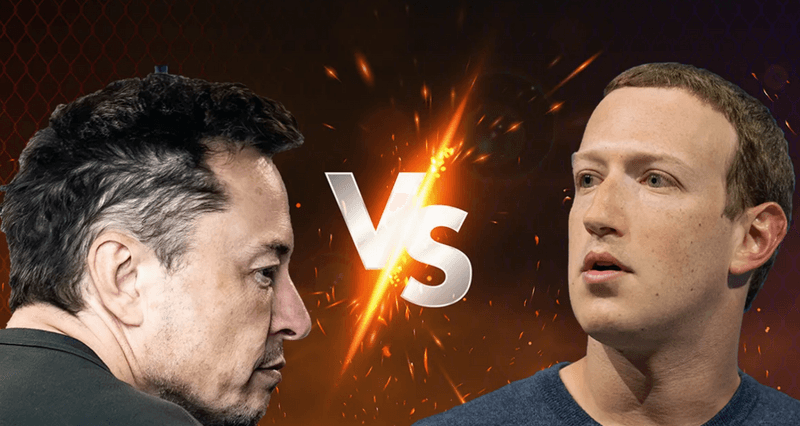
The proposed fight between X (Twitter) owner Elon Musk and Meta’s CEO Mark Zuckerberg is nearing its day, according to a post made by Musk on Friday.

The world’s richest man said contrary to some media reports, the fight will be managed by his and ‘Zuck’s foundations’, not the UFC.

Musk said that he has spoken to the PM of Italy and the Minister of Culture. “They have agreed on an epic location.” He added that the fight will be livestreamed on X (Twitter) and Meta (Facebook or Instagram). 

“Everything in camera frame will be ancient Rome, so nothing modern at all,” he said. 

The fight will be managed by my and Zuck’s foundations (not UFC).

Livestream will be on this platform and Meta. Everything in camera frame will be ancient Rome, so nothing modern at all.

I spoke to the PM of Italy and Minister of Culture. They have agreed on an epic location.

— Elon Musk (@elonmusk) August 11, 2023

The fight which started like a joke followed Meta’s plan to launch Threads, a text-based platform that copied Twitter. Zuckerberg said he created the copycat platform because there is a need for a bigger platform for real-time conversation.

“It will take some time, but I think there should be a public conversation app with 1 billion+ on it. Twitter has had the opportunity to do this but hasn’t nailed it. Hopefully, we will,” he said on Threads.

In response to Threads’ launch, Twitter had in early July, threatened to sue Meta – accusing the social media behemoth of engaging in “systematic, willful, and unlawful misappropriation of Twitter’s trade secrets and other intellectual property.”

In June, Musk responded to a tweet about Meta’s plan to launch Threads saying: “I’m sure Earth can’t wait to be exclusively under Zuck’s thumb with no other options.” He followed up with a tweet teasing a cage fight with Zuckerberg.

The Meta’s chief executive, posting a screenshot of Musk’s tweet overlaid in an Instagram story, fired back with the caption: “Send Me Location.”

Since then, speculations have circled the seriousness of the American tech billionaires, especially as Musk, in his usual way, has been making posts of humor about the fight.

“For fighting preparation, I’ll use technique of famous Inspector Clouseau & have Cato attack me at random moments,” he said in July.

For fighting preparation, I’ll use technique of famous Inspector Clouseau & have Cato attack me at random moments

— Elon Musk (@elonmusk) July 14, 2023

The fight story was revitalized last week when Musk started posting about his preparatory workout.

He said last week that he’s “lifting weights throughout the day, preparing for the fight” because he doesn’t have “time to work out, so I just bring them to work.”

Full details of the fight are yet to be announced by Musk and Zuckerberg’s foundations.

Last month, a picture of Zuckerberg training with kickboxing champions Israel Adesanya and Alexander Volkanovski surfaced online. Zuckerberg 39, is trained in martial arts and recently won gold and silver medals at his very first Brazilian jiu-jitsu tournament in Redwood City, California. 

Musk 52, is taking other steps in preparation of the fight. He said Friday that he spent 3 hours in an MRI machine on Monday.

“Bottom line is that my C5/C6 fusion is solid, so not an issue,” he said.

“However, there is a problem with my right shoulder blade rubbing against my ribs, which requires minor surgery. Recovery will only take a few months,” he said.

Share this:

  • Click to share on Facebook (Opens in new window) Facebook
  • Click to share on X (Opens in new window) X
  • Click to share on WhatsApp (Opens in new window) WhatsApp
  • Click to share on LinkedIn (Opens in new window) LinkedIn
  • Click to email a link to a friend (Opens in new window) Email
  • Click to print (Opens in new window) Print

Like this:

Like Loading...
1...4,3514,3524,353...8,567Page 4,352 of 8,567

Products

  • Artificial Intelligence (AI) in Business Masterclass | $400 or N200,000 Artificial Intelligence (AI) in Business Masterclass | $400 or N200,000 $400.00
  • Tekedia Startup Masterclass: from Start-Up to Unicorn | $400 or N200,000 Tekedia Startup Masterclass: from Start-Up to Unicorn | $400 or N200,000 $400.00
  • Advanced Diploma Programs | $100 or N60,000 Advanced Diploma Programs | $100 or N60,000 $100.00
  • Tekedia Mini-MBA Annual Package | $340 or N180,000 Tekedia Mini-MBA Annual Package | $340 or N180,000 $340.00
  • 1:1 Video Consultation w/ Ndubuisi Ekekwe | $300 or N200,000 1:1 Video Consultation w/ Ndubuisi Ekekwe | $300 or N200,000 $300.00

Recent forum posts

Khloe Kardashian has asked Kris J …by Oladosun Joshua Segun6 hours ago
Ray J claimed he’s been with 12,5 …by Oladosun Joshua Segun13 hours ago
Shakira’s Rio concert preparation …by Oladosun Joshua Segun2 days ago
MLB pitcher Kody Funderburk’s wif …by Oladosun Joshua Segun3 days ago
Jamie Lynn Spears Shares Bittersw …by Oladosun Joshua Segun4 days ago

Domain + CPanel Hosting

  • School
  • Contact
  • Capital
  • AI Consulting
  • Store

© Tekedia. All rights reserved.

Term & Privacy

© Tekedia. All rights reserved.

Term & Privacy

%d