DD
MM
YYYY

PAGES

DD
MM
YYYY

spot_img

PAGES

Home Blog Page 4369

Ways to Launch AI Startups

0

We studied how mega consumer-based AI startups are launching into the markets; we identified three paths, and drawing on them to answer the learner:

  • Partner with a company with a large user base. OpenAI’s ChatGPT partnered with Microsoft which has millions of users. Microsoft is providing the feedstuff (yes, the data) to advance ChatGPT at scale.
  • Spend a huge amount of money via promos and advertisements to get data which will improve your AI models as quickly as possible. This is the Temu path; Temu uses AI to power shopping in its ecosystem. It spent $5 million for a 30-second advert during America’s Superbowl game. Without the data, it has no mission.
  • Bake AI into existing in-house data. If you are lucky, and you have the data as Google does, you can launch your Bard equivalent once your code is ready.

And note this: any consumer AI pitch deck that does not address how that data acquisition will be done is not complete! Indeed, without the data, your mission has limited value. In the consumer AI age, controlling or influencing demand is even more important than providing supply if the goal is to generate alpha!

From Hamlet’s “Words, words, words” to ChatGPT’s “data, data, data”, you can see why we have moved well past Shakespeare’s era.

Baidu Rolls Out AI-Powered Chatbot “Ernie Bot” to Enhance User Experience

0

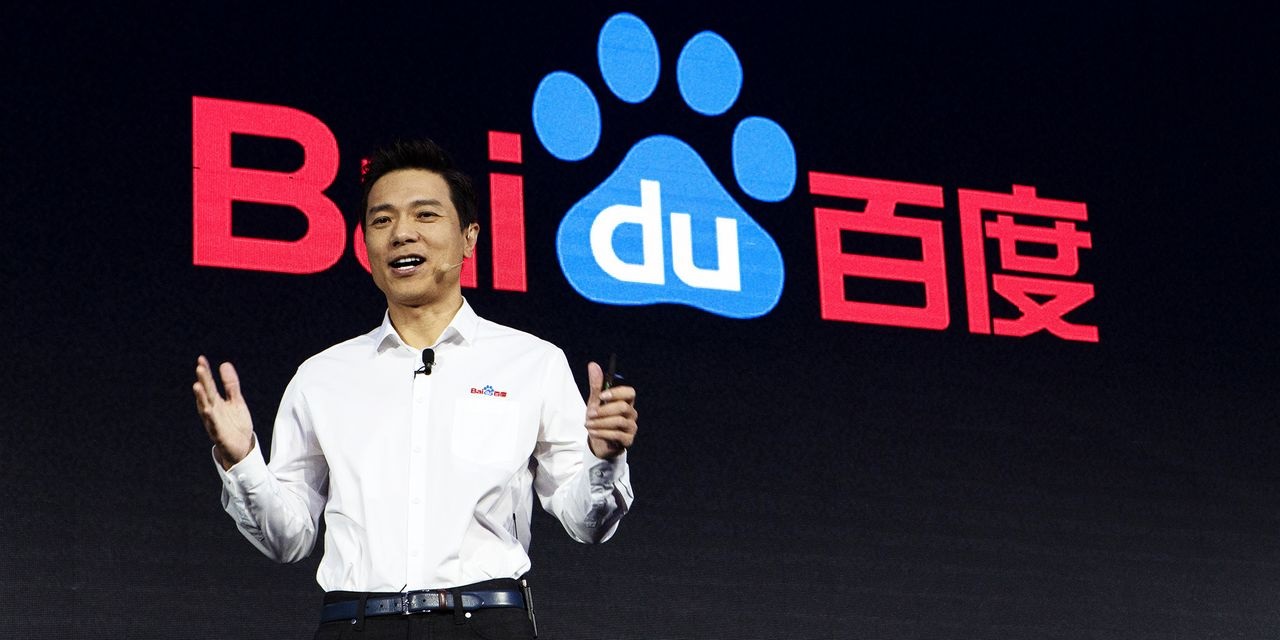
Chinese multinational technology company that specializes in Internet-related services, products, and artificial intelligence Baidu, has officially launched its much anticipated AI-powered chatbot known as “Ernie bot”, to enhance user experience.

According to the company, the chatbot is capable of comprehending human intentions and can deliver responses very close to human level.

At the launch, Baidu showcased five major capabilities of Ernie Bot, which are, Literary Writing, Business Copywriting, Algebra, Chinese culture, and multi-modal content generation. The company CEO Robin Li however disclosed that only the first three capabilities will be available.

As regards the recent unveiling of the chatbot, he said, “For sure we cannot say that it’s perfect, so why are we unveiling it today? Because the market demands it. Today’s announcement is a natural continuation of the hard work we have put in over the past many years”. He added that Baidu has seen expectations from the market that Baidu’s product could compete with OpenAi chatbot ChatGPT.

On Thursday, Ernie Bot will be open to an initial group of users with invitation codes, and companies can apply to embed the bot into their products via Baidu’s cloud platform. The CEO revealed that 650 companies have signed up to use Ernie Bot, which can be implemented in a variety of applications such as searches, AI cloud, autonomous driving and in smart devices.

The popularity of OpenAi chatbot ChatGPT, which is currently the rave of the moment, has no doubt triggered a frenzied rush among tech companies which has seen them integrate similar chatbots into their products to enhance user’s experience.

Baidu did not hesitate to jump to the forefront of the race after it disclosed last month that it was completing a chatbot using its AI-driven deep learning model, Ernie bot which means “Enhanced Representation through Knowledge Integration”.

According to the tech giant CEO Robin Li, he disclosed that Baidu has for over a decade persisted in investing in Artificial Intelligence (AI), and Ernie Bot is the result of many years of hard work after the first version was developed in 2019.

The chatbot has been described to be very suitable for Chinese users owing to the fact that it understands Chinese culture better than Western models. This implies that the chatbot is likely to enjoy a significant market advantage on its home turf over other similar products. Although, Ernie bot will also be trained on other languages in the future.

Baidu plans to use Ernie bot to transform its search engine, to give users an interesting experience, which will see the platform become the most used and dominant platform in China and across the globe.

The chatbot reportedly has 550 billion facts in its knowledge graph, but they’re mostly focused on the Chinese market. So while it will be able to list Chinese idioms for users, it may not be able to answer as many questions for certain subjects outside the region.

EU Observer Mission Said Organized Violence, Voter Intimidation, Others, Marred March 18 Nigeria Elections

0

The European Union Election Observation Mission (EU EOM) to Nigeria has published its second preliminary report of the Nigeria 2023 elections, supplementing the first report issued on 27 February.

In the report, the EU EOM lamented the pervasive violence during Saturday’s Governorship and House of Assembly elections, which it said claimed the lives of 21 persons across the country, due to various violent attacks relating to the election.

The mission has been present in Nigeria since 11 January and will continue to observe post- election developments.

In a press conference held in Abuja, the EU EOM decried voter apathy experienced during the governorship and State House of Assembly polls, which it attributed to infractions emanating from the Presidential and National Assembly elections. The mission said something must be done urgently to correct the situation in the future so as not to allow for a relapse in Nigeria’s democracy.

The EU EOM Chief Observer Barry Andrews said the mission observed that shortly before, and on election day, incidents of organized violence in several states created an environment of fear for voters. Andrews noted that the Independent National Electoral Commission (INEC), failed to win public confidence by not addressing the concerns raised by electorates.

He said the March 18 election was marred by thuggery and organized violence in states like Lagos, Rivers and Kano.

“Public confidence and trust in INEC were severely damaged on 25 February due to lack of transparency and operational failures in the conduct of the federal level polls. Up until the postponement, INEC continued to abstain from providing information, limiting its communication to a few press releases and ceremonial statements and hence failing to address public grievances and rebuild confidence in the electoral process,” Andrews said.

“From 11 March onwards, despite compressed timeframes, INEC introduced various corrective measures to render a timely delivery of electoral materials, efficient use of election technologies, and ensure prompt publication of result forms, some of which were effective.

“Overall, on election day, multiple incidents of thuggery and intimidation interrupted polling in various locations, primarily across the south but also in states in the central and northern areas. There were reportedly some 21 fatalities. In polling units in several states, violent incidents targeted voters, INEC personnel, citizen observers and journalists.

“Most polling units opened with materials and personnel deployed on time, although a dismal level of voter participation meant less pressure on INEC operations throughout the day. Vote-buying, also observed by EU EOM observers, further detracted from an appropriate conduct of the elections.

“The 18 March elections did not face the same problems with the use of the Bimodal Voter Accreditation System, BVAS, as on 25 February. Result forms for the gubernatorial races were uploaded and displayed for public scrutiny. At the time of the declaration of presidential results only.”

Andrews said the EU EOM observed that Nigerians have a great appetite for democracy and are keen to engage in various civic activities.

“However, in many parts of the country, their expectations were not met. Many were disappointed and we witnessed voter apathy that is in part a clear consequence of failures by political elites and, unfortunately, also by INEC,” he said.

Andrews further remarked that despite cases of violence, voter intimidation and thuggery, campaigns in state elections were competitive and fundamental freedoms of assembly and movement were largely respected. He said that however, insecurity impeded the canvass for votes in certain parts of the country and organized violent attacks shortly before the elections in several states led to a fearful atmosphere.

“Some states governors took executive actions, negatively affecting the campaign environment,” he said.

The mission also noted the misuse of administrative resources, including through various financial and in-kind inducements to voters, giving an undue advantage to the party in power. According to Andrews, the abuse of incumbency gave an undue advantage to the party in power in several states.

He said that EU EOM observers also received credible reports of pressure on civil servants by governors, citing Katsina state, where several high level officials were dismissed after a disappointing outcome for APC in the 25 February presidential elections and LGA officials were threatened to lose their jobs if they did not ensure victory in the upcoming polls, as an example.

“In the last week before 18 March, the governor of Rivers authorized the promotion of civil servants at all levels in the state and announced the recruitment of 10,000 youth employment positions in the administration.

Similar steps were taken by the Lagos State government and others.

The mission said misuse of state resources was evident, primarily through the promotion of social benefits and relief programmes, which significantly intensified between the polls.

“As noted by EU EOM observers and reflected in media reports, governors publicly provided inducements to voters, including significant grants for traders, distribution of vehicles, buses, and motorcycles (Yobe, Gombe, Adamawa); issuing cheques to different beneficiary groups (Nasarawa, Yobe, Kwara); inaugurating infrastructure projects and for campaign purposes (Ogun, Katsina); and the payment of 1.2 billion Naira in backlogged pensions to civil servants and the release of impounded vehicles to owners free of charge days before the elections (Lagos).”

Andrews pointed out that law enforcement agencies failed to prosecute persons who attacked, intimidated, or harassed journalists during or after the presidential polls in at least five southern states with fiercely contested state-level races.

“In two further states, police arrested two journalists on bogus charges. EU EOM observers confirmed 10 incidents involving media; only in one instance police opened a case. Impunity encouraged by police inaction is detrimental to freedom of expression, particularly as independent and trusted outlets are targeted. This does not accord with Nigeria’s regional and international commitments for protection of the media.

“On 15 February, the National Broadcasting Commission (NBC) sanctioned 41 media outlets, with excessive fines on 25 radio and TV stations for vaguely defined breaches. The NBC did not publish its decisions nor grant due process, effectively subduing critical reporting prior to the state elections,” he said.

The mission also reported that vote buying by or on behalf of APC and PDP was also observed by five EU EOM observer teams within the vicinity of polling units, including by the distribution of goods and money. It said it will present and publish its final report, including recommendations for improving the electoral framework in the next few months.

Growing SME Revenue By Digitizing Microtransactions – Tekedia Mini-MBA

0

Today, we continue our conversation on the mechanics of markets as we invite Afolabi Olamide of Touch and Pay, the creators of Cowry card in Lagos, to Tekedia Mini-MBA. In less than three years, they grew from 1,000 to more than 3 million users, demonstrating the power of innovation.

What do they do? They digitize small payments like N200, N300, etc, making sure that revenue is assured for merchants, owners, vendors and companies. And the vision has worked, maximally: if you take care of the kobos, the Nairas will take care of themselves.

They built by design a system which delivers more than 99% reliability through a closed network. And it is contactless which means the card lasts longer in the rain, sun, and harmattan. Olamide will speak and we will learn from him on why everything is open for a redesign!

They have big data: restaurants, danfo owners, bus drivers, shops, etc who digitize see bigger revenue. Yes, when leakages are blocked, revenue increases.

Tekedia Institute Mini-MBA >> the best teach here.

Dream VC Launches 2023 Talent Accelerator Programs to Train The Next Generation Of African Venture Capital Professionals

0
Fund, money cash dollar

Investor accelerator dedicated to supporting the next generation of African-focused investors and ecosystem builders globally, Dream VC, has announced the commencement of applications for the 2023 cohort of its flagship VC accelerator program.

The program offers an extensive curriculum, practical training, and direct exposure to world-class investors, providing the ideal launchpad for aspiring and current investors to break even into the African venture space.

A Look at Dream VC’s 2023 program

This year, Dream VC will run two programs:

  1. The 3-month-long Launch into Venture Capital Program (LIVC)
  2. The 5-month-long Investor Accelerator Program

Applications for the 2023 cohort “Launch into VC (LIVC)”Launch into VC (LIVC)” and “Investor Accelerator” programs opened on Monday, March 13th, and will close on the 16th of April 2023. Both programs will run in Summer and Autumn. Launch into VC runs for 3 months from June to Late August. The Investor Accelerator program commences in June and runs until October. A total of 5 months.

Both programs combine an extensive curriculum, and practical training with direct exposure to world-class investors to provide sophisticated investor training. Dream VC’s carefully curated investor-talent accelerator programs are dedicated to training the next generation of African-focused investors to fill this much-needed gap.

“Launch into VC” and “Investor Accelerator” is Dream VC’s flagship annual and remotely delivered venture capital fellowship program that provides the ideal launchpad for all aspiring and current investors to learn and sharpen the skills needed to successfully seek, invest in and support African technology businesses.

Dream VC’s application is always highly competitive. Based on previous data, and interviews with the founders. It has a 10% acceptance rate, and applicants are taken through a 4-stage application process involving motivational questions, a video assignment, interviews with past fellows and Dream VC staff.

Founded in 2021, Dream VC has seen over 2000 applications for its past programs, and has trained more than 80 African and Africa-focused investment professionals in 3 successive cohorts, many of whom are currently leading and operating in different investment roles for leading African venture and tech firms.

The strong focus on Africa and the global presence of the Dream VC community makes them stand out from similar programs. “Dream VC gave me a great simulation of life as a VC, and I was able to successfully pivot from investment banking into venture capital within weeks of graduating from the program,” said, Lamin Darboe, VC Associate at BDev Ventures, a Dream VC Fellow from the 2022 LIVC cohort.

Previous Dream VC cohorts have benefited from guest lectures from leading African GPs such as Dr. Ola Brown (HealthCap), Samakab Hashi (Lateral Frontiers), Satoshi Shinada (Verod-Kepple Africa Ventures), Keet Van Zyl (Knife Capital), and Zachariah George (Launch Africa Ventures).

In the last 6 years, African technology companies have raised more than $15 billion from angel investors, institutional venture investors, and development funders. The astounding growth of the venture market in Africa has deservedly put the highlight on the continent which continued to grow in 2022 despite a global decline in venture funding to startups.

While a significant portion of the capital raised is foreign, local funds are deepening their participation in Africa’s burgeoning venture ecosystem and becoming critical players in the stability of the ecosystem. At the same time, angel investors and syndicate funds are raising institutional capital from foreign and local limited partners.

Given the acceleration of technology businesses, digital adoption, and investor interest in Africa, it is only logical to build a deep pool of sophisticated investment talent to build the foundations of the continent’s private markets needed to ensure the sustainability and sustained impact of venture investment.

Just as there are significant efforts across the continent to build out support infrastructure for entrepreneurs, the key to unlocking local capital lies in investor support infrastructure, which is sorely lacking compared to almost every other global ecosystem. Hence, the mission of Dream VC goes beyond just accelerating ‘X’ amount of investors over ‘Y’ amount of years; the company are builders who obsessively mull over how we can plug into the gaps in the investor ecosystem.

Co-founder at Dream VC Cindy Ai, strongly believes in the potential of African talent, and its programs to help prepare future leaders who will join VCs, launch ESOs, become angels, venture builders, and even entrepreneurs.

After the successful pilot launch of Dream VC’s flagship program in 2021, and the successful two programs in 2022, the organization has now returned with bold ambitions to accelerate the next generation of ecosystem-building African investors. It will train  individuals to gain in-depth knowledge of investing through an Afro-centric lens, gaining the most valuable skills and toolkits to become successful investors in their respective ecosystems.

Dream VC’s mission is to provide knowledge, access, and built-in networks to extraordinarily driven, positively minded and collaborative individuals who dream of playing a direct role in birthing innovation in all tech sectors on the continent.