When Facebook’s parent (Meta) unveiled its Meta Verified where you pay a fee to get the blue badge, I wrote: “I wrote about this when Elon Musk pioneered it, noting that it would be a good feature for Meta (Facebook parent company) and LinkedIn. …For years, nobody wanted to do this until the boldest entrepreneur in our generation, Elon Musk, did it, and it is going to become an industry standard henceforth.”
In this piece, how Meta copied the Twitter playbook is explained. Meta did not just copy the business model, it went also for the absolute pricing mechanism, across digital domains of iOS and Google Play Store.
BoFA research note said, “Given a broader audience reach and bigger revenue opportunity for creators, we believe Meta could outperform the subscriber ramp (as a percent of users) of peer subscription offerings (the service will likely be refined and improved over time)”.
According to a principal analyst Jasmine Enberg, she disclosed that the increased reach and visibility that comes with Meta’s verification service is the real news. In her words, “I expect Meta Verified’s impact on Meta’s revenue will be minimal. But by increasing subscriber reach and visibility, Meta could attract up and coming creators, many of whom have had trouble building audiences on Instagram.”
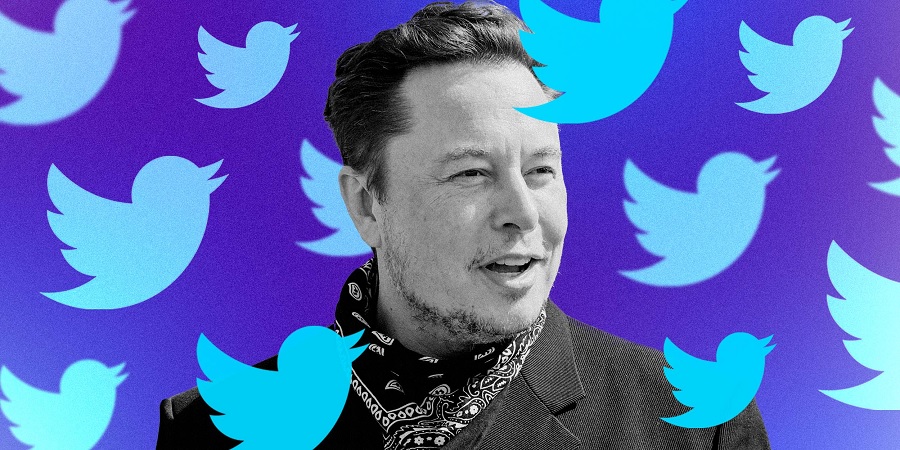
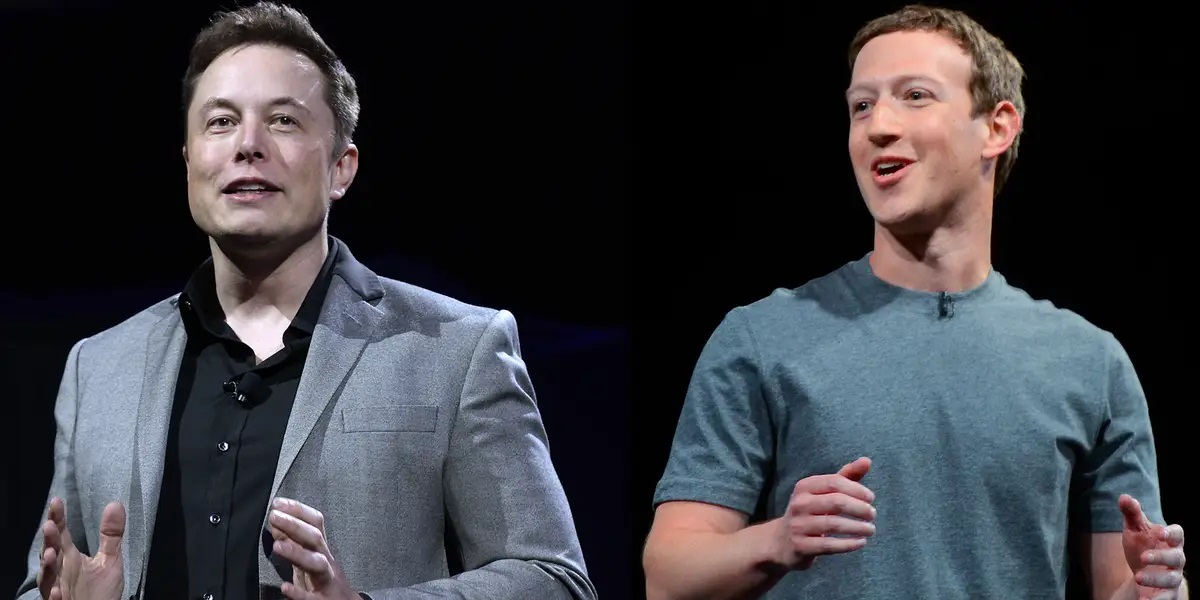
Also reacting to Meta’s rollout of a paid subscription service, Twitter CEO Elon Musk responded by tweeting “Inevitable” to a tweet that disclosed that Meta’s CEO Mark Zuckerberg copied the microblogging platform verification payment feature.
Inevitable
— Elon Musk (@elonmusk) February 19, 2023
Meta’s new subscription service is coming months after Twitter’s CEO Elon Musk rolled out Twitter’s Blue subscription service in December, which costs $8 a month for web users and $11 a month for people who purchase it via Apple App’s Store. Reports reveal that the service currently has nearly 300,000 worldwide subscribers.
Recall that two days ago, tech giant company Meta, rolled out a paid verification service for Instagram and Facebook. Following its launch, the company CEO Mark Zuckerberg wrote on his Instagram account, “This week we’re starting to roll out Meta Verified—a subscription service that lets you verify your account with a government ID. This new feature is about increasing authenticity and security across our services.”
What is the message: if you cannot innovate, COPY. I made that call many years ago in the Harvard Business Review: “Entrepreneurs need to think about whether they need to innovate when there are business models that can be copied lawfully”.
Comment on Feed
Comment 2A: Copying is not innovating because you are simply replicating what someone else evolved on innovated or created. To be innovative is to be novel and pioneering. However, this aspect of innovation is not subject to IP protection, hence Meta copied without consequences.
Comment 2B: innovation is different from invention, you can be in innovative without pioneering anything. So, yes, copying can still qualify as innovation, if you are in doubt, ask Apple.
Comment 2R: I guess in the context I made my statement, it stands. It takes ingenuity to discover how blockchain that is prevalent in the crypto space can work in optimising a platform business for instance. Same principles but different context. However, in applying same, there is a huge need for customisation and tweeking, there the “innovation” comes in. Another question really could be “How novel is novel”?. There is always an element of leverage in Innovation. You are either combining principles or applying parts of another or creating yours from the micro parts of others. Leverage is key! Thats my point.
My Response: I think I agree with. Innovation = invention + commercialization. That invention may not even have to come from you. Pebble has gone bankrupt after it invented smartwatch. Today, Apple owns that sector because it innovated on it, after copying Pebble. The key is doing it lawfully!