DD
MM
YYYY

PAGES

DD
MM
YYYY

spot_img

PAGES

Home Blog Page 4459

Poor Implementation of Cashless Policy Undermines Trust in Nigeria’s Financial System – Fintech Association of Nigeria

0

In the wake of the recent naira redesign policy by the Central Bank of Nigeria (CBN), which has triggered currency scarcity due to its poor implementation, the Fintech Association of Nigeria has expressed concern that the impact may hurt the overall implementation of the CBN’s cashless policy.

The resulting cash crunch has masterminded a significant shift to digital transactions that has seen financial institutions struggle to meet the unprecedented demand. The Association said the situation may erode customers’ trust in Nigeria’s banking system.

As ATMs remain empty amid overwhelming demand for cash, which the N5,000 or less over-the-counter payment quota per individual has abysmally failed to curtail, alternative payment channels such as the PoS have upped their charges by nearly 50 percent, the Association noted.

The national fintech body expressed this concern through its ‘Thought Leadership Series’ titled ‘Cashless Economy on Steroids: Strategic or Suicidal?’ where it further noted that a cashless policy should bring about greater ease and convenience of payments, not the chaotic challenges currently unfolding in Nigeria.

“Challenges with execution may be leading to the erosion of trust in the banking system, with merchants asking for cash payments despite empty ATMs, digital channels increasingly overwhelmed, and POS charges inching towards 50 percent,” the body said.

Reports of delayed and unsuccessful electronic transactions have followed the naira redesign policy, compounding the cash scarcity and creating lack of confidence in digital channels as alternative to cash payments.

The CBN introduced the naira redesign policy in October and set a limited deadline of about two months to fully implement it. The naira redesign has been seen a segment of the apex bank’s decade old broader cashless policy but its implementation has failed to impress advocates of financial inclusion.

The Fintech Association of Nigeria said current challenges may defeat the purpose of the cashless policy which it explains as follows:

“The Central Bank of Nigeria first issued the framework for its cashless policy in 2012, to reduce the amount of physical cash in circulation, deepening financial inclusion by driving digital payments, reducing fraud and curbing cash-aided crimes such as terrorism financing, kidnapping, extortion, blackmail, and so on.

“Today, the maximum weekly withdrawal limits for individuals and corporates across all channels are N500,000 and N5,000,000 respectively. In an event where cash withdrawal exceeds these limits, a processing fee of three per cent and five per cent will be incurred for individuals and corporates, respectively. In addition, third-party cheques exceeding the sum of N100,000 are not eligible for over-the-counter payment.

“On the surface, a cashless economy in itself does not seem like a bad policy. Anyone who has been paying attention to the global payments trend knows that a cashless world looms and that it is only a matter of time till hard notes become obsolete or close enough.”

The Association laid emphasis on the need to create policies that will help emerging fintech firms in Nigeria to meet global digital payment goals. It quoted a Bain and Company report, which said that 67 percent of global payments will become digital by 2025. This, it indicated, means a greater a need for the Nigerian financial system to broaden its operation in order to accommodate the potential significant shift to digital payment.

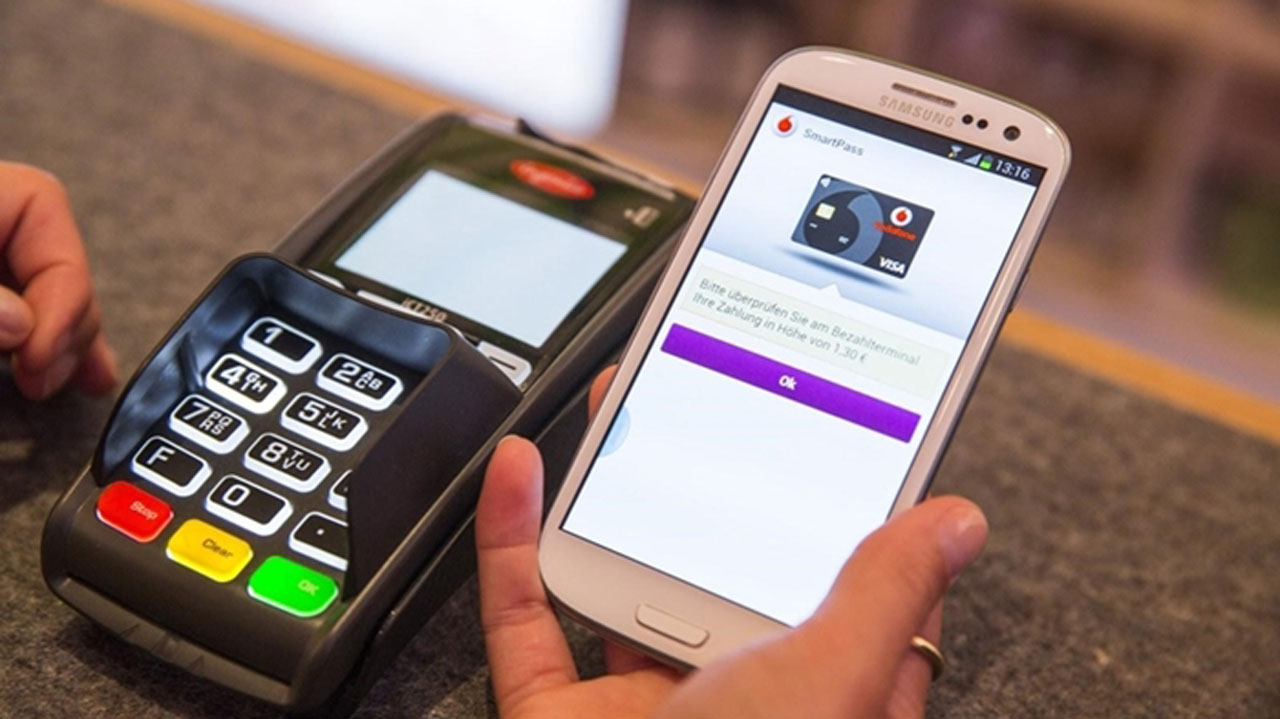
“The current rise of digital-only banks (neo-banks) and contactless payments with the help of smartphones and super-fast networks indicates that the use of cash as a medium of exchange has been declining gradually for years,” the Association said, noting that while the drive for a cashless economy at all cost by the CBN was strategic, its execution and results had been described by many as suicidal.

The body said the CBN should learn from India’s failed cashless policy of 2016, which happened because the policymakers failed to take into consideration concerns of the people such as preferences, economic development, and technological advancement, during its implementation.

“One thing is clear. When adopting a cashless policy it is more important to have a customer-centric approach rather than a technical one. The success of a cashless policy is directly linked to the incentives offered to encourage mainstream adoption,” it said.
Zambia Currently Developing New Technology to Regulate Cryptocurrency

0

South-Central African country Zambia is currently developing new technology to regulate cryptocurrencies, with its central bank and securities regulators currently testing the technology.

According to the country’s minister of Science and Technology Felix Mutati, he disclosed that the testing will be done through the Security Exchange Commission (SEC) and Bank of Zambia.

He said, “Cryptocurrency will be a driver for financial inclusion and a change maker for Zambia’s economy”.

Mutati argued that Zambia needs to regulate this revolutionary technology because it encapsulates the future of the country’s desire to achieve.

He also revealed that testing of the regulatory technology will soon be upscaled as part of measures to help Zambia attain an inclusive digital economy. In addition, the minister noted that Zambia, which is seeking to become the region’s technology hub, is already putting in place the infrastructure needed to help the country achieve such a goal.

Meanwhile, the central bank of Zambia had in the past declared that Bitcoin is not a legal tender, however, the recent remarks by the country’s minister of science and technology Mutati suggest that president Hakainde Hichilema’s government is embracing the use of crypto assets in the country.

The minister also claimed that Zambia has established itself as an investment destination of choice for many investors as the government seeks to target over $4.7 million in digital payments, which would be huge for the economy.

In his words, “Zambia has created magnetism that attracts investments and it is one of the countries in Africa that is becoming a must-be place for investment”.

As regards using cryptocurrency to advance the country’s financial inclusion agenda, Zambia hopes to achieve this through the yet-to-be-launched central bank digital currency.

It would be recalled that in October 2018, the Central Bank of Zambia warned against using cryptocurrencies like bitcoin, noting that they are not recognized by the country’s financial system. As such, trading or using crypto currencies will be at users’ risk as there is no legal recourse with all cryptocurrencies still unregulated in Zambia.

The bank also accused virtual currencies of increasing the risk of money laundering, financing activities of terrorism, and general consumer protection risks such as fraud and hacking.

Citing a section of the BoZ Act that vests the right to issue notes and coins exclusively to it, the bank said it does not oversee, supervise nor regulate the cryptocurrency landscape.

Zambia in particular, according to the report, has advised “extreme caution” in dealing with cryptocurrencies but has also noted that blockchain technology could “prove to be positively disruptive, transformative and efficiency enhancing.”

Zambia’s sudden adoption of cryptocurrencies is coming amidst the widespread of digital transactions across the globe, which could potentially unlock a new level of economic growth and fun inclusion for the country and its citizens.

As regards the African continent, interest in cryptocurrency is growing steadily, which has seen it gain widespread adoption. Some economists say it is a disruptive innovation that will blossom on the continent.

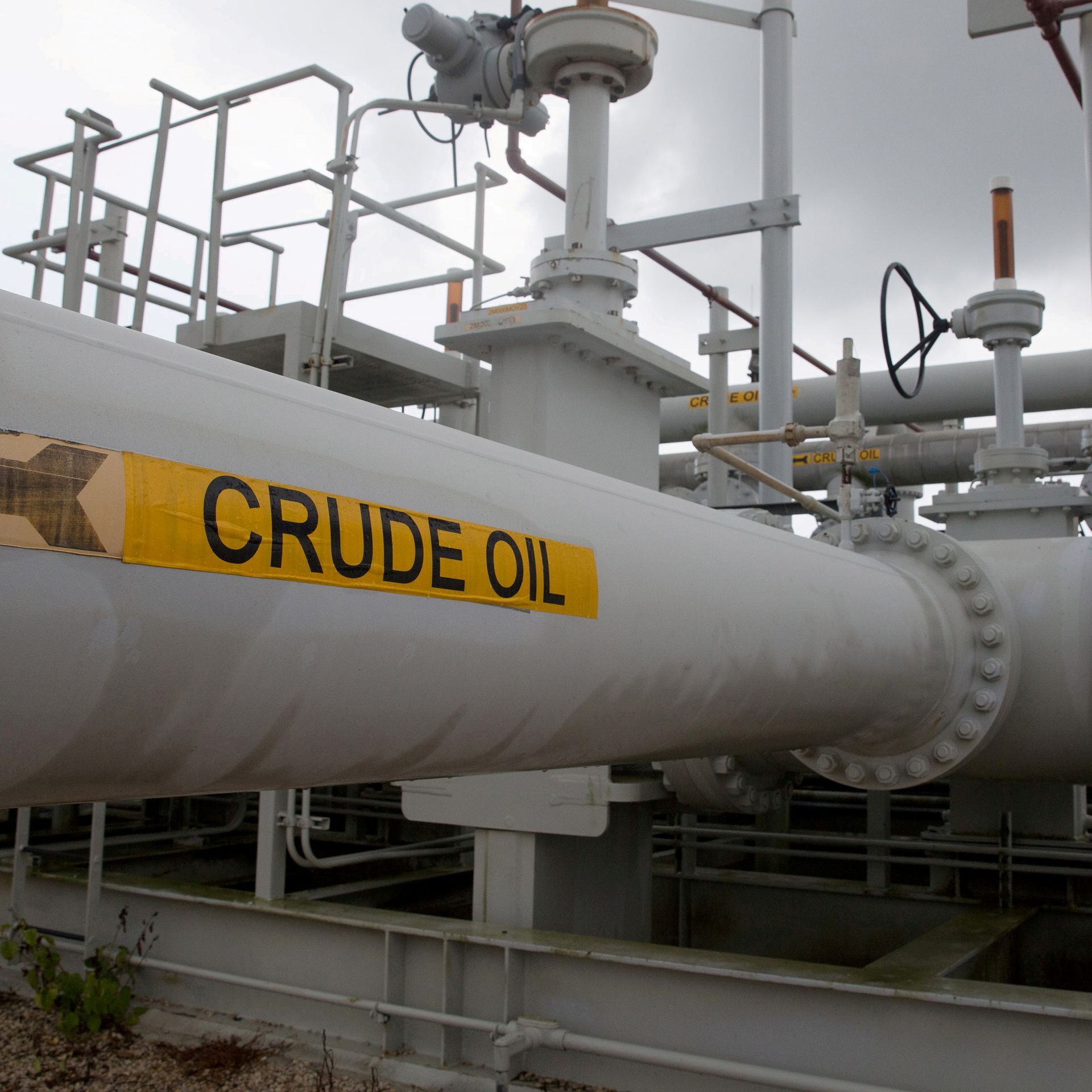
Inaccurate Measurement, Reason for 40% of Nigeria’s Crude Oil Losses – NUPRC

0

The Nigerian Upstream Petroleum Regulatory Commission (NUPRC) has attributed the high volume of oil losses to measurement inaccuracies not theft as it is widely believed.

Last year, Nigeria was said to have lost up to 80% of its oil production to theft, significantly depleting its oil-based revenue generation.

Speaking at the petroleum club quarterly dinner held in Lagos, Gbenga Komolafe, chief executive officer, NUPRC, was quoted in a statement saying that about 40% of the purported crude oil theft was losses emanating from measurement inaccuracies.

He said the NUPRC uncovered the truth following a forensic audit it conducted on the volume of stolen crude oil from January 2020 to November 2022.

Nigeria’s oil revenue generation dropped to nearly zero in the third quarter of 2022, triggering a national inquest into where most of the produced crude oil went. Komolafe said the Commission conducted the audit to ascertain, with accuracy, the stolen volume of crude oil between January 2020 and November 2022.

To forestall the losses, the NUPRC boss said that the Commission is committed to dealing with the issue of metering errors by ensuring that original equipment manufacturers (OEMs) are licensed directly. He added that agents of the Commission will be responsible for the deployment and maintenance of metering facilities across Nigeria’s oil and gas establishments, for transparency in hydrocarbon accounting, according to a statement.

“The reform measure adopted by the commission offers a paradigm shift from the trajectory in Nigeria’s hydrocarbon measurement since oil was discovered in Nigeria in Oloibiri in 1956 and is aimed at ensuring that no one becomes a judge in his own case,” he said.

“Admittedly, one major area of value erosion in the industry is the menace of crude oil theft. Our records indicate that the menace of oil theft has negatively impacted the oil and gas sector for about two decades with attendant huge financial losses to our nation.

“The commission, in collaboration with the various arms of the security forces, the NNPC Limited and the host communities, has been able to suppress the ugly trend of hydrocarbon value decimation. Now, our nation has continued to record good dividends of these collaborative efforts as production figures are progressively increasing.

“The January 2023 volume is approximately 1.5 million barrels per day of oil and condensates. It is expected that this number will continue to increase as further measures are introduced and sustained to remove all illegal connections that aid crude oil theft.”

Mele Kyari, the head of Nigerian National Petroleum Commission Limited (NNPCL) had in October last year, told a legislative committee that a 4-kilometer pipeline from the Forcados export terminal has been used to steal oil for nine years, resulting in the theft of hundreds of thousands of barrels of oil per day.

Kyari said as a result of the illegal pipelines, Nigeria was losing an alarming 600,000 barrels of oil every day, triple the figure initially estimated. The high volume of stolen crude oil contributed to Nigeria’s inability to meet its quota from the Organization of Petroleum Exporting Countries (OPEC), enabling the country’s failure to cash in on the oil windfall orchestrated by Russia-Ukraine conflict.

How To Start and Build Great Startups – Tekedia Mini-MBA Live

0

She co-runs an amazing company and we’re very happy to have invested in her company. A chartered accountant, certified fraud examiner and MBA holder with a bachelor degree in one of Nigeria’s best – UNIBEN. Join us today at 7pm WAT , for Tekedia Mini-MBA Live, as Chineye Ochem ACA, CFE, MBA shares how to start and build a modern startup.

Tekedia Capital invested in her mission at Tyms Africa which has expanded out of Nigeria to Rwanda and Uganda. (Fun add-on: they are growing, and just opened a new fundraise; connect with her if interested). Zoom link in the Board; come and learn how to conceive an idea, and execute it, from a startup founder.

Tekedia Institute Mini-MBA >> learn from the best!

Dogecoin Price Prediction – DOGE Could See Another Bull Rally Soon

8

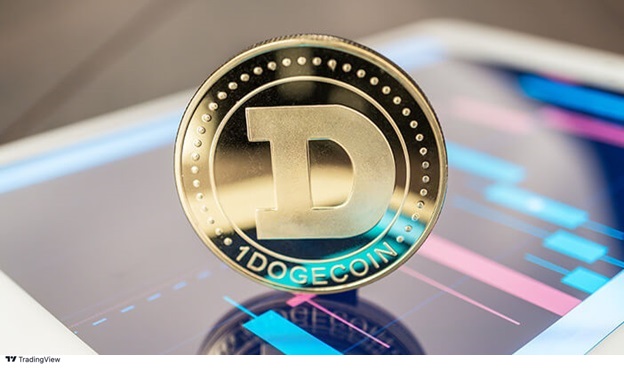
Since Dogecoin hit the market, it has proven to be a worthy investment option for investors. The popular meme coin is a decentralized, open-source crypto designed to facilitate the transfer of value quickly, efficiently, and securely. It was one of the standout performers in the crypto market, initiating a meme coin frenzy within the crypto sphere.

The crypto quickly gained popularity across social media platforms thanks to its fun logo of a Shiba Inu dog. One of the key catalysts for its price rise in 2021 was high celebrity endorsement and support from a dedicated Dogecoin community.

Although DOGE fell in value, along with other cryptos, in 2022, the best meme coin is slowly regaining its status, and experts believe that the price could see another bull rally soon.

>>>Buy Dogecoin Now<<<

Crypto asset investing is highly volatile

Factors That Affected Dogecoin’s Price

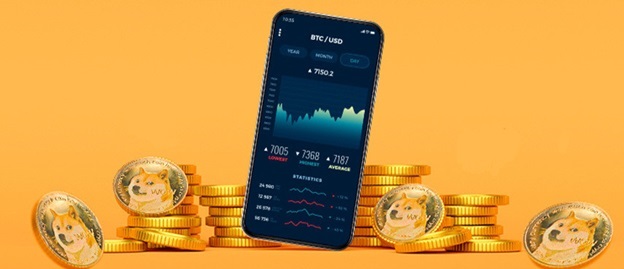
The increased hype and popularity of Dogecoin made it a viable payment alternative with low transaction fees for merchants across the globe. There are over 1900 merchants that accept DOGE as a payment, and the list includes established names like Tesla, Dallas Mavericks, etc. The crypto is also used for tipping services, allowing Reddit and Twitter users to send quick gifts to other users.

Strong Community Support

Its dynamic and staunch value has created a strong fan community that puts faith in its rise. The Dogecoin communities on social media platforms like Twitter, Reddit, and TikTok have rebounded from time to time, to make DOGE popular and acceptable in the mainstream. Therefore, it is no secret that social sentiments have increased the adoption rate of this crypto to new highs over the years, making it one of the most sought-after cryptos in the market today.

The Musk Factor

From billionaire American corporate heads to Hollywood stars have actively promoted Dogecoin across social media platforms in its initial days. The biggest name among them is none other than the billionaire and CEO of Tesla, Elon Musk. Musk started hyping the coin since 2020, which grabbed the attention of other celebrities and investors. Tapping into the already high social media hype, Musk tweeted that it is the “people’s crypto” and went as far as to call himself the “Dogefather.” His regular tweets championing the meme coin skyrocketed it to all-time high values. Since Musk’s Twitter takeover, there has been sufficient community-anticipation that DOGE might get listed as the official cryptocurrency of Twitter. If that happens, the crypto will most certainly reach new all-time highs.

>>>Buy Dogecoin Now<<<

Crypto asset investing is highly volatile 

Dogecoin Social Sentiment Surges To Last year Levels

One of the significant growth drivers for any leading coin is the popularity, support, and fan wave revolving around them. And Dogecoin proved this in 2021, with its price hitting an all-time high of $0.7376 in May, followed by hype, celebrity endorsement, and community support. However, the 2022 crypto market crash adversely affected the DOGE’s price, bringing it significantly down from its all-time high. But according to reports, social sentiment around it is slowly regaining its pace and has not been this positive since October of 2022, when DOGE pumped 160%.

Crypto enthusiasts believe that a key catalyst for this could be Elon Musk’s takeover of Twitter in 2022. DOGE’s rally in Musk’s takeover of Twitter was initially positive, and experts believe that this could again take Dogecoin to the moon. Also, the fact that Musk SpaceX is ready for launch and around the corner, and the mission is funded entirely by Dogecoin will boost its value in the long term.

The sentiment chart clearly shows the eventual rise in its prices. Previously a rise in DOGE’s social volume and the weighted sentiment was when it rose above $0.14 in the first half of 2022.

DOGE Can Rally Off Social Sentiment Alone

Over the years, Dogecoin has proven that it can rise high merely based on social sentiment, and the real value lies in the confidence the buyers have and the community support it gets. At the time of writing, DOGE is trading at a price of $0.088, down over 2.3% in the last 24 hours but up around 5.45% in the last seven days.

Although it is a highly speculative crypto, if DOGE repeats the history and follows the same trend of October 2022, it is possible for the crypto to clear its resistance level and reach $0.1 shortly.

Dogecoin can also go further upside if the positive sentiment remains consistent and high, making it a good buy now. The crypto has plenty of room for growth as there is a lot of potential in the digital payments space. Also, the DOGE price could see another bull rally soon as Musk considers integrating a new payment system into Twitter. Speculations say that the well-liked meme coin would be his top priority as one of the payments.

However, despite these use cases and popularity, the crypto lacked strong fundamentals and utilities. But the core team is working vigorously to upgrade its blockchain with several bugs and features like memory management that can reduce high network traffic.

Another promising factor that could push DOGE’s price in 2023 is the team’s plan to enhance the token’s utility. The major focus is to make DOGE highly efficient to its users for payments and make it mainstream. The increased adoption rate and additional use cases would significantly boost the coin’s value proposition.

Dogecoin Price Forecasts

Regardless of any development or predictions, hype on this meme coin has historically foreshadowed market conditions. If things go as planned, the Dogecoin price prediction could see another bull rally soon. However, the meme coin is a highly speculative investment option, and investors are advised to conduct thorough research before investing.

>>>Buy Dogecoin Now<<<

Crypto asset investing is highly volatile 

Read more