DD
MM
YYYY

PAGES

DD
MM
YYYY

spot_img

PAGES

Home Blog Page 4460

Can you teach “ChatGPT & DALL-E 2 and Potential Business Opportunities in Africa” in our school?

0

We took a sample of learners joining us at the next Tekedia Mini-MBA starting Feb 6, on one special course we should include. The message is clear: add Overview of ChatGPT & DALL-E 2 and Potential Business Opportunities in Africa.  Of course, that is what our mission is: educate on things people care about. 

ChatGPT is a text generator  and DALL-E 2 is an image generator – and both work on natural language instructions. Both were developed by OpenAI run by Sam Altman. I just checked my emails and noticed that I received a message from Sam in April 2022 announcing their first research launch on DALL-E 2.  People, in less than a year, they have made gigantic progress – and they’re about to change the world.

So, I am reaching the world: can you help and teach this course for us? We will give you enough time to develop it since our program will run from Feb 6 to May 6, 2023.

I listened to a science program yesterday on NPR (US national public radio) and was inspired by the young man who created an app to help schools catch essays written by ChatGPT. He had already resigned from his day job to focus on making that app better. Indeed, there are going to be opportunities. We want big thinkers to provide guidance so that our learners will play ahead.

If you have the skill and can help, please email info@tekedia.com

(We have also written OpenAI via our contact for any material they can share. Of course, their focus now will be technical partners and not business school partners)

Tekedia Mini-MBA already offers courses on singularity and other big futurism topics, developed by eminent  global experts in the industry.

  • Exponential Technologies and Business Opportunities in the Age of Singularity – Edward Hudgins, PH.D
  • Singularities, Transhumanism, and Entrepreneurship – Gennady Stolyarov II
  • Singularity, Exponential Growth and Technology – Chogwu Abdul, PhD
  • Futurism, Malleability, and Category King Companies – Brent Ellman

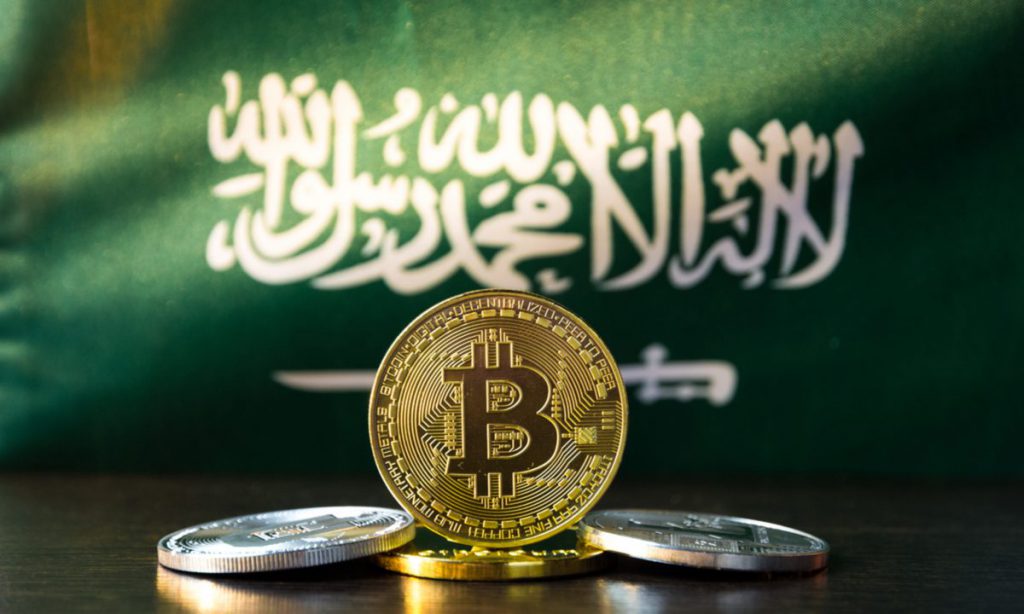
Saudi Arabia Announces CBDC Experiment As El-Salvador Pays Debt

0

Saudi Arabia’s Central Bank [SAMA] launches CBDC experiments while El-Salvador paid its debt in full with interests accrued from its Bitcoins Investments over the years

SAMA is carrying out experiments with a central bank digital currency in cooperation with other financial institutions and fintech firms, the Saudi Press Agency reported. The project is in line with measures taken by central banks around the world to issue widely accessible digital coins to ensure privacy and financial security.

SAMA CBDC development is merely in its first phase. It notes that the Central Bank is set to “review policy, legal and regulatory considerations before moving to the next phase of the CBDC journey.” This aligns with the nation’s Saudi Vision 2030.

H.E. governor Fahad Almubarak opined that;

Local banks and payment companies will always be the cornerstone of this project and its implementation, stating that it has already opened discourse with “both local banks and fintechs, as well as other market players and third-party consulting and technology providers,” throughout the CBDC development.

112 countries, representing over 95% of global GDP, are exploring a CBDC. While 11 countries have already launched a digital currency, 14 countries are testing pilot programs, including South Korea, Nigeria, Thailand, Sweden, China and now Saudi Arabia.

RishiKumar.eth, candidate for Silicon Valley’s House of Representatives stated on microblogging platform Twitter that;

Saudi Arabia is now ‘open’ to the idea of trading in currencies besides the US dollar, the “de-dollarization” of the global economy is beginning.

We need to push fo an American CBDC lest the Chinese, European or Indian CBDCs takes over the global economy.

Vladimir Putin- Russia, President XI- China, and King Salman Bin Abdulaziz- Saudi Arabia, have all been very vocal during ‘WEF’ meetings on Central Bank Digital Currencies (CBDC), probably not the best role models as states.

Its being trialled in parts of the West too. I did wrote about the Federal Reserve had done some trials on incorporating CBDCs into the US fiscal scheme. UK – Treasury singing on a leader for the development of their Digital Pound. Again, looking at the last 90 days for the UK, they’re moving much faster.

The only reason for it is state control and its going to be the most important political fight we will all ever face. Once they control your money they control your life. When Saudi Arabia publicly announces that the U.S. dollar is no longer the world reserve currency and the Brenton Woods Agreement is over.(which it is right now) and they are accepting multiple digital cbdc for oil trade worldwide.

Crash/hyperinflation; China is making deals with Saudi Arabia on oil and military support. Once Saudi Arabia joins BRICS it will sound the death knell of the Petrol-dollar-dominated market bringing the US economy to its knees. The only thing left is for the US to end fiat dominance and start a push for massive CBDC roll out.

Statement….

The Saudi Central Bank (SAMA) continues to experiment on Central Bank Digital Currency (CBDC) as it is currently working on a phase of a project that focuses on domestic wholesale CBDC use cases in collaboration with local banks and fintechs.

This project comes in line with several central banks CBDC initiatives across the globe and as part of SAMA’s ongoing research and experimentation on CBDC. During this phase of the project, SAMA seeks to explore CBDC economic impact, market readiness, and potential robust and fast applications of a CBDC-based payment solution. In addition, SAMA seeks to review policy, legal and regulatory considerations before moving to the next phases of the CBDC journey to contribute to achieving the objectives of Saudi Vision 2030.

The Governor of SAMA H.E. Fahad Almubarak stated that local banks and payment companies will always be a cornerstone of this project and its implementation, SAMA stated that it has engaged both local banks and fintechs, as well as other market players and third party consulting and technology providers, to gain a better understanding of CBDC’s functionality and to test various design options.

SAMA is set to continue with its research on CBDC while consulting with relative international bodies, local government entities and public. Additionally, SAMA will continue to experiment on CBDC solution as an infrastructure enabler of innovation in financial services that has the potential to contribute to a more resilient payment ecosystem and accelerate digital transformation in the local financial sector.

SAMA stresses that although no decision has been made regarding the introduction of CBDC in the Kingdom, it continues to focus on exploring the benefits and potential risks of implementing CBDC. This will contribute to informed decision-making within SAMA and to CBDC explorations within the central banking community.

It is worth noting that SAMA successfully conducted CBDC experiment “Project Aber” in 2019, an initiative in collaboration with the Central Bank of the UAE to examine whether distributed ledger technology could contribute to seamless cross-border payments.

CBN Increases Interest Rate to 17.5%, Says Deadline for Old Naira Notes Won’t Be Extended

0

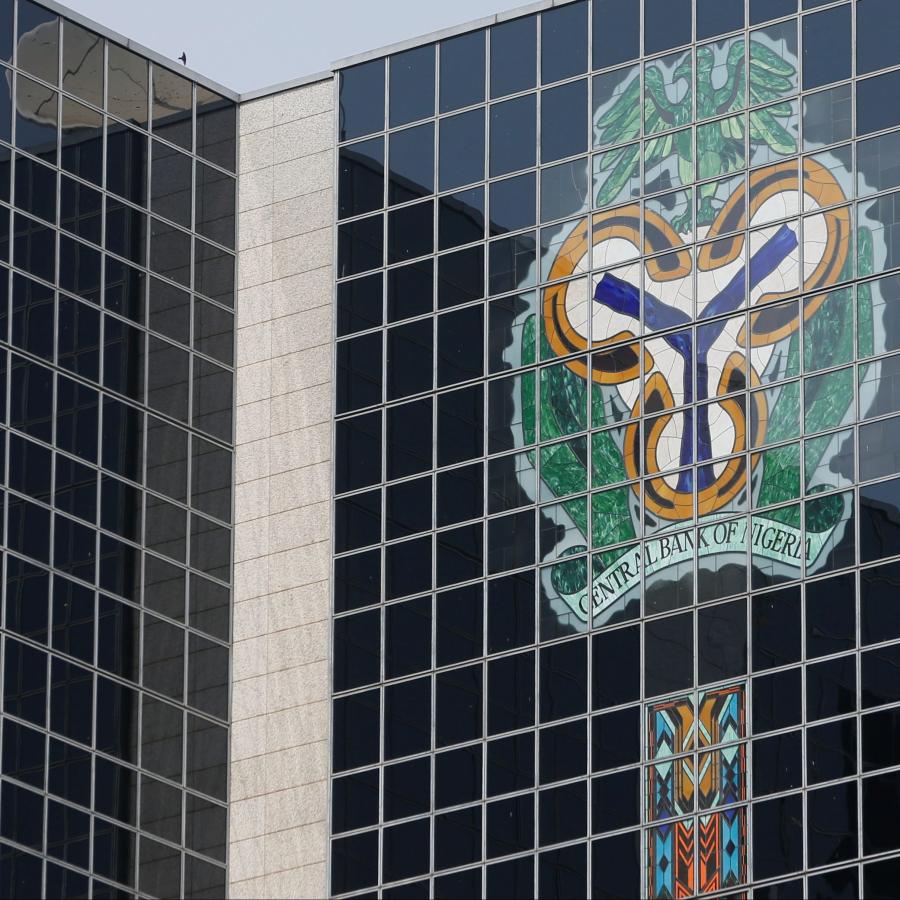
The Central Bank of Nigeria (CBN) has raised the Monetary Policy Rate (MPR) to 17.5% from the previous 16.5%, in its latest push to tame rising inflation.

The new MPR, was announced by the central bank governor, Godwin Emefiele, after the Monetary Policy Committee (MPC) meeting in Abuja on Tuesday.

The MPC raised the monetary policy rate by 100 basis points to 17.5% and kept the asymmetric corridor at +100/-700 basis points around the MPR. Cash Reserve Ratio (CRR) was retained by 32.5% while liquidity ratio was kept at 30%.

The CRR is the share of a bank’s total customer deposit that must be kept with the central bank in the form of liquid cash, while the bank’s liquidity ratio is the proportion of deposits and other assets they must maintain to be able to meet short-term obligations.

The MPC made the decision to increase the MPR despite the decline in inflation. Nigeria’s inflation rate dropped to 21.34% in December of 2022, a slight decrease from a 17-year peak of 21.47% in November 2022, according to Nigeria’s statistics agency NBS. Emefiele said the inflation decline is an indication that the MPC’s previous decisions to raise the MPR are yielding positive results.

“Members welcome the recent deceleration of the year-on-year headline inflation, noting that the persistence in policy rate hike over the last few meetings of the committee have started to yield the expected decline in inflation,” he said.

The CBN governor said the committee considered perennial scarcity of Premium Motor Spirit known as petrol, the 2023 general elections, continuous rise in energy prices, exchange rate pressure as well as continuous rise in insecurity. He added that the committee members noted that the naira redesign has huge moderating factors to price development on cash.

“MPC was of the view that although inflation rate moderated marginally in December, the economy remained confronted with the risk of high inflation with adverse consequences on the general standards of living.

“Committee, therefore, decided to sustain the current stance of policy at this point in time to further rein in inflation aggressively.

“MPC voted to raise the MPR to 17.5%, retain the asymmetric at +100/-700 basis points around the corridor,” he said.

However, experts say the new interest rate spells further trouble for Small and Medium Enterprises (SMEs) that are already in the grip of unfriendly economic policies.

“The hike in interest rate will hurt investors and the private sector, especially those in the real economy and entrepreneurs. As long as you are in production, and you borrow from the bank for your business, this hike in interest rate will hurt you, for it exposes your risk,” an economist and Executive Director, Centre for the Promotion of African Economies, Muda Yusuf, told The ICIR.

“This is a time businesses are going through various challenges in exchange rate, high cost of diesel, cost of transportation and insecurity. Hiking of rate is compounding their problems,” he added.

Deadline for old naira notes stays

Emefiele also reiterated after the MPC that the CBN’s January 31, 2023 deadline for the validity of the old N200, N500 and N1,000 notes will not be extended. This is despite reports that ATMs are still dispensing old naira notes as the deadline nears.

He said there is no reason to extend the deadline because the 90-day period given by the central bank for the return of old naira notes is enough. Emefiele said that some persons have been hoarding the naira, causing the circulation to rise from N1.4 trillion to N3.2 trillion in seven years.

“I must say here that unfortunately, I don’t have good news for those who feel that we should shift the deadline. My apologies.

“The reason is because just like the President has said more than two occasions and even to people privately, that for us, 90 days, in fact, we feel it is 100 days, that it is enough for anyone who has money or the old currency to deposit it in the bank. And we took every measure to ensure all the banks remain open to receive all old currencies.

“100 days we believe is more than adequate. We called on the banks, not only are we requesting you to extend your banking hours so that you can receive old currencies, but we are also asking you to keep your doors open on Saturdays, ladies and gentlemen, the banks did not even have any reasons to even keep their banking halls open on Saturdays neither did they see the kind of rush that they anticipated.

“We do not see any reason to begin to talk about a shift because people could not deposit their old monies into their banks,” he said.

Crypto Exchange Gemini Announces Plan to Reduce Workforce by 10%

0

Crypto exchange platform Gemini has revealed plans to trim its workforce by 10% as it seeks to navigate the economic downturn.

According to reports, this is Gemini’s third round of job cut in less than a year. In July 2022, the crypto exchange trimmed its workforce by 7%, and in November same year, it had 1,000 employees and laid off around 100 people.

Speaking on Gemini’s proposed layoff plan, the company’s founder Cameron Winklevoss, disclosed that the current macroeconomic conditions have left the company with no choice but to lay off some members of its workforce.

In his words,

It was our hope to avoid further reductions after this summer, however, persistent negative macroeconomic conditions and unprecedented fraud perpetuated by bad actors in our industry have left us with no other choice but to revise our outlook and further reduce headcount”.

Meanwhile, Gemini crypto exchange announced last year December that its customers were targeted in phishing campaigns after a threat actor collected their personal information from a third-party vendor.

The crypto platform then went ahead to advise its customers to rely on strong authentication methods and recommended activating two-factor authentication (2FA) protection and/or the use of hardware security keys to access their accounts.

The company also provides the steps necessary for changing the email address associated with the Gemini account.

This year, in an open letter issued to the Digital Currency Group (DCG), Gemini co-founder Cameron Winklevoss accused cryptocurrency lender Genesis of defrauding Gemini and its 340,000 users.

This prompted the Securities and Exchange Commission (SEC) to charge both crypto firms Genesis and Gemini with allegedly selling unregistered securities in connection with a high-yield product offered to depositors.

According to the SEC, Genesis loaned Gemini users’ crypto and sent a portion of the profits back to Gemini, which then deducted an agent fee, sometimes over 4%, and returned the remaining profit to its users. “Genesis should have registered that product as a securities offering”, SEC officials said in a complaint filed in Manhattan federal court.

The two firms have been engaged in a high-profile battle over $900 million in customer assets that Gemini entrusted to Genesis as part of the Earn program, which was shuttered this week.

Also, following the collapse of the FTX exchange platform last year, Genesis also suspended withdrawals, restricting customers from pulling their funds.

The crypto firm revealed that it has $175 million tied up with FTX. Genesis (GGH) and two subsidiaries Genesis Global Capital et Genesis Asia Pacific have filed for Chapter 11 bankruptcy protection in the Southern District of New York.

Come and master the future of AI-driven businesses at Tekedia Institute

0

Congratulations ChatGPT, the OpenAI pioneering AI system, for passing your MBA exam! Yes, ChatGPT “has passed the final exam for the University of Pennsylvania’s Wharton School Master of Business Administration (MBA) program. The exam was set by Professor Christian Terwiesch, in a research to test ChatGPT’s artificial intelligence capabilities.”

The age of singularity is around the corner as machines become smarter. Tekedia Mini-MBA assembled eminent experts in this domain to help businesses understand that future:

  • Exponential Technologies and Business Opportunities in the Age of Singularity – Edward Hudgins, PH.D
  • Singularities, Transhumanism, and Entrepreneurship – Gennady Stolyarov II
  • Singularity, Exponential Growth and Technology – Chogwu Abdul, PhD
  • Futurism, Malleability, and Category King Companies – Brent Ellman

Understand ChatGPT, singularity, and the promises of the future at Tekedia Institute Mini-MBA which begins Feb 6 here.

ChatGPT Passes An MBA Exam Set by A Wharton Professor