
DD
MM
YYYY

PAGES

DD
MM
YYYY

spot_img

PAGES

Home Blog Page 5

Thrive Capital Spins Up AI-Driven IT Services Platform, Appoints Former Palantir CIO Jim Siders as CEO of Shield

0

Thrive Holdings, the operating arm launched this year by Thrive Capital founder Josh Kushner, said on Monday it has appointed long-time Palantir executive Jim Siders as chief executive officer of Shield Technology Partners, a newly formed business focused on modernizing IT services through artificial intelligence.

Siders joins Shield after spending more than 12 years at Palantir, one of the most prominent beneficiaries of the AI boom. He most recently served as the data analytics company’s chief information officer, where he oversaw global IT operations, enterprise systems, and infrastructure supporting Palantir’s rapid growth. His career at the firm began at the ground level as an IT helpdesk engineer, giving him what he describes as a “full-stack” view of how technology organizations scale from early-stage operations to global enterprises.

Palantir’s trajectory has made Siders’ background particularly notable. The company’s shares have surged nearly thirtyfold since late 2022, as governments and enterprises embraced its AI-driven data platforms. That experience, Thrive believes, positions Siders well to lead Shield’s ambition to bring advanced AI capabilities to a fragmented and often under-digitized IT services industry.

Thrive Capital, an early investor in OpenAI and Stripe, launched Thrive Holdings in April as a distinct division designed to own and operate businesses rather than simply invest in them. The idea is to identify traditional service companies that could be transformed by technology, acquire meaningful ownership stakes, and then actively drive operational change using AI, engineering talent, and modern software tools.

Shield Technology Partners was created in June as part of that strategy through a partnership between Thrive Holdings and investment firm ZBS Partners. The venture launched with more than $100 million in initial funding and focuses on acquiring stakes in IT services providers, particularly those serving small and mid-sized businesses. Shield aims to help these firms grow faster and operate more efficiently by giving them access to cutting-edge AI models, automation tools, and shared engineering resources that would typically be out of reach.

“If we’re doing this right, we’re going to see a lot of value created all the way up the chain, from end customer all the way through to us here at Shield,” Siders said in an interview.

He described the companies Shield works with as “great businesses” that are poised to benefit disproportionately as AI reshapes how IT services are delivered.

As of December, Shield works with seven portfolio companies and is expected to generate more than $100 million in revenue this year, according to Thrive. While its current footprint is concentrated in IT services, the platform has ambitions to expand its portfolio and scale aggressively over the coming quarters, as consolidation and technology disruption accelerate across the sector.

Shield’s structure is designed to align incentives between the platform and the companies it backs. Rather than fully absorbing its partners, Shield allows IT services firms to retain equity in their businesses, a model intended to encourage founders and management teams to buy into the long-term transformation effort rather than pursue short-term exits.

The Shield appointment also comes as Thrive deepens its ties with OpenAI. Earlier this month, OpenAI disclosed that it had taken an ownership stake in Thrive Holdings, a move that goes beyond a typical commercial partnership. Under the arrangement, OpenAI will embed engineering, research, and product teams directly within Thrive’s operating companies, including Shield’s portfolio.

“We said, ‘The way in which we’re going to achieve the best results for our customers is if OpenAI is an owner in Thrive Holdings alongside us,’” said Anuj Mehndiratta, a member of Thrive Holdings’ founding team.

He added that ownership enables OpenAI to focus on long-term outcomes rather than short-term deployments, aligning its incentives with Thrive’s operating model.

The immediate priority for Siders, who officially began his role as Shield CEO on Monday, is to understand Shield’s existing partners and identify new acquisition targets. He signaled that the platform plans to move quickly, describing the next few quarters as a period of ambition and expansion.

“There’s a whole industry out there, people who’ve spent their careers trying to deliver this value for everybody’s benefit,” Siders said. “This is a unique and special thing to attack that.”

The appointment denotes how investors closely tied to the AI ecosystem are now pushing beyond software and models into the harder work of transforming legacy service industries, betting that ownership, scale, and deep integration with AI developers like OpenAI can unlock value that traditional private equity and venture capital approaches have struggled to capture.

Meta Internal Documents Reveal Platforms Made Billions From Chinese Scam Ads

0

Internal Meta documents, spanning its finance, engineering, safety, and lobbying divisions over the past four years, reveal a stark conclusion: the social media giant was deriving a significant portion of its revenue from fraudulent advertisers originating in China, who were defrauding users across Facebook, Instagram, and WhatsApp worldwide.

According to Reuters, though China’s government prohibits its citizens from using Meta’s social media platforms, it permits Chinese companies to purchase ads to target foreign consumers. This policy has made China a crucial revenue source for Meta, with annual advertising sales from the country reaching over $18 billion in 2024, representing more than a tenth of the company’s global revenue.

The Scale of Illicit Revenue

Meta’s internal analysis revealed the uncomfortable reality that roughly 19% of its revenue from China—more than $3 billion—was derived from ads promoting scams, illegal gambling, pornography, and other banned content. Furthermore, Meta believed that China was the country of origin for approximately a quarter of all ads for scams and banned products across its global platforms.

The victims of this fraud were geographically diverse, ranging from investors in the United States and Canada who were swindled out of their savings to shoppers in Taiwan who purchased bogus health supplements.

Internal presentations from April 2024 warned Meta leaders that the company needed to “make significant investment to reduce growing harm.” The documents reflect a long-standing internal tension: a desire to police its platforms clashing with a reluctance to implement fixes that could sharply undermine its vital revenue stream.

Enforcement Efforts and Results

Responding to the mounting scale of the problem, Meta created a dedicated anti-fraud team to scrutinize problematic advertising activity originating from China. By utilizing stepped-up enforcement tools—which went beyond previous monitoring efforts—Meta successfully slashed the percentage of problematic Chinese ads by nearly half during the second half of 2024, reducing the figure from 19% to 9% of total advertising revenue from China.

Several technological and geopolitical factors compound the ability for fraudulent advertisers to thrive on Meta’s platforms:

  • Ease of Account Creation: To place an ad, an advertiser only needs to establish a basic user account with a name and birthdate. The widespread availability of fake or stolen accounts makes it easy for fraudulent advertisers to quickly disguise their true identities.
  • Evasion Tools: Chinese technology firms actively sell tools designed to obscure the advertisers’ real locations, mask their identities, and disguise fraudulent ads as innocuous content.
  • AI-Generated Documents: Fraudsters are leveraging artificial intelligence to generate fake documentation, allowing them to evade verification attempts by Meta’s systems.
  • “Ad Optimization Specialists”: An entire specialized industry of “ad optimization specialists” has emerged to exploit weaknesses in Meta’s enforcement systems. These specialists manage sophisticated, often large-scale, shady advertising campaigns funded by “informal” sources, including loan sharks.

The investigation by Propellerfish consultants highlighted a major geopolitical factor enabling the fraud: because the harmful advertising targets only overseas audiences, China’s government generally “turns a blind eye”, concluding that the violations do not interfere with Chinese citizens. This lack of domestic enforcement means crooked domestic advertisers face “little or no risk” of prosecution within China, allowing the abusive ecosystem to flourish.

The records also indicate that Meta’s own enforcement practices often prioritized revenue. For instance, the company typically only banned advertisers when automated systems predicted a 95% likelihood of fraud, a high evidentiary standard. Furthermore, some internal documents suggested that likely scammers scoring under that 95% threshold were sometimes not banned but were instead charged higher ad rates—a practice that effectively monetized suspicious activity.

FTC and 21 U.S. States Escalate Legal Fight With Uber Over Subscription Billing and Cancellation Practices

0

U.S. regulators have intensified their legal challenge against Uber, accusing the ride-hailing and delivery giant of deceptive billing and cancellation practices tied to its Uber One subscription service, in a case that deepens scrutiny of how large tech platforms monetize recurring payments.

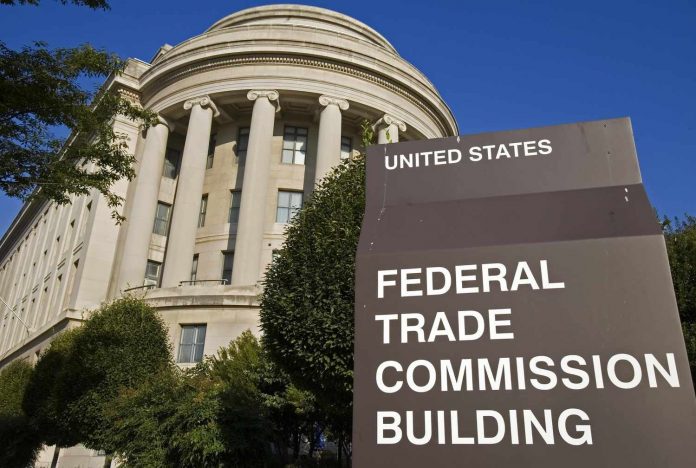
The Federal Trade Commission (FTC) said on Monday that it, alongside attorneys general from 21 states and the District of Columbia, has filed an amended complaint against Uber in the U.S. District Court for the Northern District of California. The revised filing expands on allegations first brought in April, claiming Uber charged consumers for subscriptions without their consent, failed to deliver promised benefits, and erected significant hurdles for users trying to cancel.

News of the expanded lawsuit weighed on investor sentiment, with Uber shares falling more than 3% following the announcement.

At the center of the case is Uber One, the company’s paid monthly or annual subscription offering. Uber markets the service as providing $0 delivery fees on eligible orders and up to $25 in monthly savings across its ride-hailing and food delivery platforms. Regulators, however, said many consumers reported being charged delivery fees despite the promise of free delivery and failing to receive the advertised savings.

The amended complaint alleges that Uber enrolled some users in Uber One without their knowledge, including customers who signed up for free trials. According to the filing, some users were charged automatically before their trial periods expired, a practice the FTC says violates the Restore Online Shoppers’ Confidence Act as well as a range of state consumer protection laws.

The lawsuit also takes aim at Uber’s cancellation process, describing it as intentionally burdensome. Regulators allege that users attempting to cancel their subscriptions were forced to navigate as many as 23 screens and complete up to 32 separate actions before successfully exiting the service. Such friction, the FTC argues, discouraged cancellations and kept consumers paying for subscriptions they no longer wanted.

Uber has strongly disputed the allegations. In an emailed statement, the company said it does not sign up or charge consumers without their consent and rejected the characterization of its cancellation process. Uber said the majority of cancellations take 20 seconds or less and can be completed directly in the app at any time. The company acknowledged that prior to December 2024, customers who were within 48 hours of their next billing cycle were required to contact customer support to cancel, adding that this condition was disclosed during the sign-up process.

The expanded lawsuit seeks civil penalties, signaling that regulators are pursuing not just behavioral changes but also financial consequences if the court finds violations. The participation of a broad coalition of states — including California, New York, Texas, and Illinois — underscores the growing bipartisan focus on so-called “dark patterns” in digital subscriptions, where companies are accused of making it easy to sign up but hard to opt out.

The case also places Uber alongside a growing list of major tech and consumer platforms facing enforcement actions over subscription practices. Regulators in the U.S. and Europe have increasingly targeted auto-renewals, free-trial conversions, and complex cancellation flows, arguing they erode consumer trust in the digital economy.

The lawsuit comes at a sensitive moment for Uber, which has been pushing to deepen customer loyalty and recurring revenue through Uber One as competition intensifies in food delivery and ride-hailing. Subscriptions offer a steadier income stream and encourage more frequent use, but the FTC’s action highlights the regulatory risks attached to aggressive growth tactics.

The legal battle is still at an early stage, and Uber is expected to mount a robust defense. But the amended complaint raises the stakes, both financially and reputationally, and adds to the broader pressure on large platforms to simplify subscription terms and put clearer limits on how consumers are billed and retained.

Empowering Startups with Essential Legal and Consulting Services

0

Legal and consulting services are crucial for startups.

We get it, most startup founders are busy building products and chasing customers. However, without a solid legal foundation, even the best business idea is set to crumble.

Startups fail for a variety of reasons, but according to Fortune, legal challenges accounted for 18% of startup failures. In other words, for almost one in five startups, the reasons for failure are not getting their legal ducks in a row.

The silver lining in all this mess is that proper legal and consulting services in the initial stages of a startup can help to prevent those costly mistakes from happening. Even better, most legal and consulting services that startups need are easily accessible. Here’s how to do it the right way…

In this article, you will learn:

  • The importance of Legal and Consulting services for startups
  • The Core Legal Services you need as a Startup
  • How Consulting Services helps your business grow
  • How to establish your Legal and Consulting Services foundation the right way

Why your startup needs Legal and Consulting Services

Starting a business is a dream come true for many people. However, with great business comes great responsibility.

Legal and Consulting services can guide startups through the complex world of legal regulations, contracts, and compliance. For those founders who dare to skip this crucial step, the consequences are usually avoidable expensive mistakes.

Think about it in these terms…

A startup without a proper legal structure is like a house without a foundation. It might look great at the beginning. But when trouble comes, everything comes crumbling down.

The U.S. legal services market is worth $396.80 billion as of 2024. And this grand figure shows just how many businesses are coming to professional lawyers for legal guidance. And this investment more than pays off for startups in the long run.

Whether it is working with an estate planning lawyer who understands business structures and asset protection and succession planning or with a consultant who specialises in startup compliance, the right legal and consulting services team can make all the difference.

Here’s why legal and consulting services are so important:

  • Protect intellectual property – Safeguard ideas, products, and brand identity against competitors.
  • Structure the business correctly – Choosing the right entity type for tax and liability
  • Navigate Regulations – Stay compliant with industry-specific regulations and laws.
  • Draft solid contracts – Avoid disputes with partners, vendors, and customers.

Pretty important stuff if you ask us.

The Core Legal Services you need as a Startup

All legal services are not created equal. Startups have different needs that must be addressed by specialised attention.

Here are the core legal services that a startup must prioritise…

Business Formation

Choosing between an LLC, a corporation or a partnership is not a simple paperwork decision. In fact, it is a choice that deeply impacts the business in terms of taxes, liability and potential for growth.

Many Founders jump into this decision with both feet. Don’t be like them.

The right business structure protects personal assets and paves the way for future investors. A qualified attorney can explain the advantages and disadvantages of each option and recommend the right one for your startup.

Contract Drafting and Review

Contracts are the glue that hold business relationships together.

Every startup has contracts. Agreements with customers. Vendor deals. Employee contracts. Partnership terms.

Bad contracts lead to disputes. Disputes lead to lawsuits. Lawsuits cause a tremendous amount of time and money which is to be used for growing the business instead of bleeding out of it.

Intellectual Property Protection

If you have a unique product or brand, you should protect it.

Trademarks, patents, and copyrights keep competitors from stealing all the hard work you have put into your startup. Many startups don’t make intellectual property protection a priority in the beginning and later pay the price when someone else copies their ideas.

Compliance and Regulatory Guidance

Every industry is regulated by a different set of rules. Healthcare startups have to deal with HIPAA. Fintech with financial regulations. E-commerce must be aware of consumer protection laws.

Staying compliant isn’t an option. Violations can lead to fines, lawsuits or even business closure.

How Consulting Services helps your business grow

If legal services protect the business, consulting services help it grow.

The best startups combine the two. Here’s what Consulting Services brings to the table…

Strategic Planning

Consultants can help Founders to see the big picture. Consultants can help you identify opportunities and risks that are not so obvious from the inside of the business.

A fresh set of eyes can be a treasure when it comes to major decisions about products, markets, or expansion.

Financial Guidance

Money management is where many startups falter. Consultants with a financial background help with budgeting, forecasting, and preparing for investor meetings.

They can also help with deal structuring and negotiations in order to get terms that benefit the startup.

Operational Efficiency

Lean operations matter for startups. Consultants can audit and analyse operations and then recommend ways to cut waste while increasing outputs.

This kind of optimization can make the difference between burning cash and building a sustainable business.

Market Entry Strategy

Expansion into new markets is a delicate endeavour that must be planned well in advance. Consultants can help with the research of the market condition, identifying the target customers and developing entry strategies.

Going into a new market blind is rarely ever a good idea.

Building your Legal and Consulting Services foundation the right way

Now that you know what Legal and Consulting services a startup must have to grow, let’s look at a simplified approach to getting started…

Start with the Basics

Before getting into complex legal matters, make sure the basics are covered:

  • Register the business properly
  • Get all necessary licences and permits
  • Set up basic contracts for common transactions
  • Protect the company name and logo

These first steps create a solid foundation on which to build everything else.

Find the right professionals

Not every lawyer and not every consultant has worked with startups. Look for professionals that specialise in new businesses.

These people understand the unique challenges and opportunities that startups face. They are also more likely to be flexible on pricing and payment terms.

Budget for Legal Expenses

Legal and Consulting services are an investment and not an expense.

Smart entrepreneurs budget for legal costs from day one of their business. Fixing legal problems after they have occurred is always more expensive than preventing them.

Build ongoing relationships

The best relationships with legal and consulting professionals are long-term relationships.

These professionals who know the business can provide more useful advice over the long haul. They know the history, the goals and the challenges. This knowledge makes their guidance more valuable.

Wrapping it up

Legal and consulting services are not only reserved for larger enterprises. Startups need them as well, if not even more.

The right legal foundation will protect the business against avoidable and costly mistakes. And the right consulting support will help the business to grow smarter and faster.

So, to wrap it all up quickly:

  • 18% of startups fail due to legal challenges.
  • Core legal services include Business Formation, Contracts, IP Protection, and Compliance.
  • Consulting services help with strategic planning, finances, operations, and market entry.
  • Building a relationship with the right professionals pays off in the long run.

Don’t wait for problems to arise before getting proper legal and consulting support in place. The time to build that foundation is now.

Starting a business is hard enough. Having the right legal and consulting team by your side will make the journey that much smoother.

Could LXYZ Become One of the Top Altcoins Researched Alongside Bitcoin and Ethereum This Cycle

0
An illustration of LXYZ token performance trends and presale activity on the Solana blockchain.

South Asia has become the focus of attention of the crypto industry once again as regulatory developments in South Asia portend another round of adoption across the world. With Binance and HTX given the green light to pursue crypto licensing in Pakistan, key exchanges are establishing their roots in developing countries, transforming the dynamics of compliance and access to co-exist in a decentralized future.

Pakistan’s Regulatory Breakthrough Spurs Global Attention

Both Binance and HTX were given the green light to seek crypto licenses under the Pakistani anti-money-laundering (AML) policy, as verified by Binance CEO Richard Teng. This action depicts that Pakistan is willing to promote regulated development of digital assets and enhance investor protection. Analysts see this development as a powerful regional sign of growing legal frameworks in the Asia region.

Source- X

This is not just an infrastructure move, as the world’s major exchanges become deeper embedded in developing markets, yet it is consistent with the increased demand to build cross-chain and transparent ecosystems. The regulatory clarity in Pakistan may serve as a guide to other emerging economies in Asia and Africa that may need to bridge the traditional finance to blockchain involvement.

LXYZ Protocol: The New Standard in Decentralized Trading

LXYZ is perfectly poised to join this global change, becoming the leading presale crypto defining decentralized finance on Solana. Its specialty of offering offers so seamlessly as off-chain markets, it sounds like speed and trust. In the introductory paragraph of its announcement, its key keyword focus and promise of deep liquidity transformed the perception of decentralized exchanges.

LXYZ has institutional-grade transparency, audited by SpyWolf, QuillAudits, and SolidProof. Its triple audit certification enhances investor confidence and confirms its model of solid hybrid AMM and order book. In Phase 1 of its presale, the price of every token is already 0.10, with the increase to 0.15 in the subsequent phase. Market confidence seems to be well established with 1,101 holders and a raised capital of $111,000.

In Solana, LXYZ can use unified capital in the form of meta-pools to reduce slippage but remain in control in a non-custodial manner. The platform is a trustless 100x leverage liquidity offering with full community alignment via DAO governance. The architecture of LXYZ, including its 400ms to finalize transactions, and the smart routing is in a unique position to position it next to Bitcoin and Ethereum in terms of research potential in this market cycle.

In contrast to centralized platforms, each of the elements of LXYZ is created to be verifiably owned, democratized, and widely interoperable. Its presale enables traders and liquidity providers to gain early access before token valuations go up with subsequent stages being released.

Conclusion: A Timely Entry Point for Early Investors

With global regulation becoming mainstream and Solana consolidating its DeFi presence, the LXYZ becomes a legitimate competitor to the leading presale crypto projects of 2025. Having gone through the audit, performance demonstrated and presale momentum picking up, investors have an easy call to action and this is to buy into LXYZ before the next round price breakout.

For more information about LXYZ visit the links below:


Website: https://l.xyz/

Buy Presale- https://l.xyz/#sale

Twitter/X: https://x.com/ldotxyz

Telegram:https://t.me/ldotxyz / https://t.me/lxyzgroup