DD
MM
YYYY

PAGES

DD
MM
YYYY

spot_img

PAGES

Home Blog Page 5105

The Dirty game of politics

1

When people say that politics is a dirty game, it is not a cliche because politics is really dirty and stinking, and for you to be a politician (a politician in the limelight and not some backyard honorable) you will need to get dirty or play dirty. 

The amount of money that gets wasted in the quest for political ambition and campaigns, the amount of betrayal and backstabbing that goes on in politics and political campaigns, the level of lies, dishonesty and fake promises that men who are expected to be upstanding and exhibit the highest level of integrity in the society tell just to grasp power and satisfy their political quest and ambition is ridiculous. 

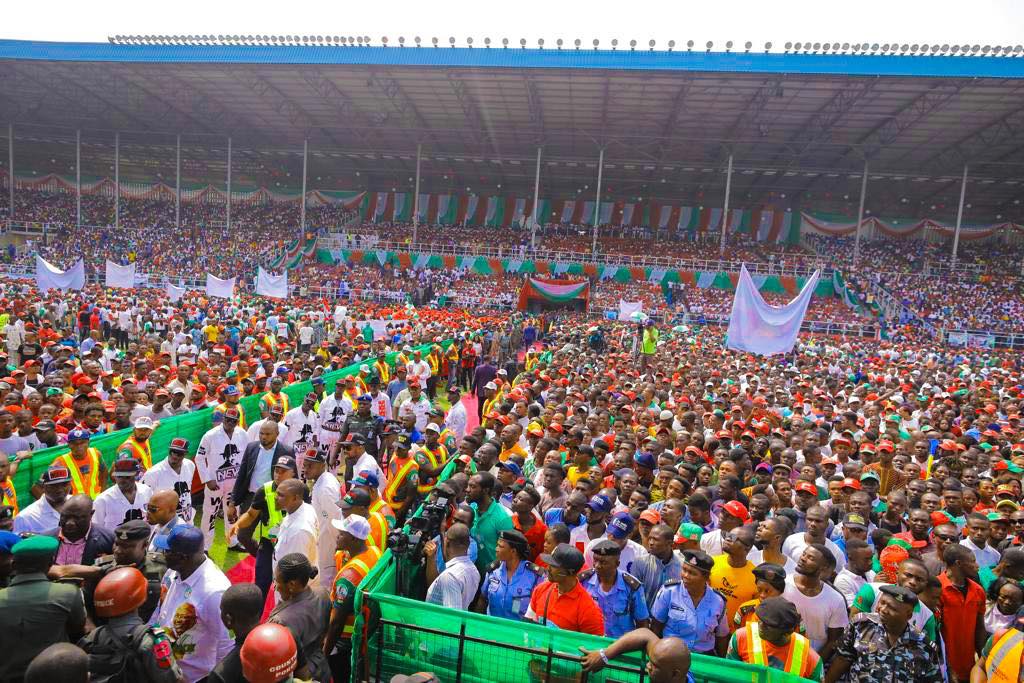
The amount of money that flowed in Abuja yesterday during the PDP presidential primaries makes one wonder if Nigeria is really suffering economically, sharing of money for the purchase of votes was done openly, and delegates are bought or paid for their votes. It is no longer the contest of who is the fit and right candidate based on ideologies, agendas, and track record but a contest of who is the highest paying candidate or the highest bidder.  Some candidates are said to have smiled home with an accumulative sum of 50k USD which was paid for the purchase of their votes.

A government that is built on corruption will definitely be corrupt. A government that is formed through electoral malpractice which is a form of corruption will be corrupt but we no longer want to accept the fact that vote-buying is a form of electoral malpractice and a form of corruption. It is now a norm in Nigerian politics. 

After all of these, every politician is expected to exhibit the spirit of sportsmanship and play fair to win, and if he loses he is to bury the hatchet and support whoever wins and be a nationalist and join in rebuilding the nation because politics is a democratic process used in selecting better and fit individuals to take the society from one level of glory to another or from grass to grace. 

On this note, if you are yet to get your PVC you have a few days left to do that, your vote counts and you can now apply to get a PVC online through https://cvr.inecnigeria.org

Western Powers Set To Give South Africa $8.5bn For Energy Transition

0

In a joint statement issued by the South African government and the African Development Bank (AfDB), it has been revealed that the countries of the United Kingdom (UK), the United States (US), France, and Germany, among others in the European Union (EU) have pledged an initial amount of $8.5 billion to South Africa.

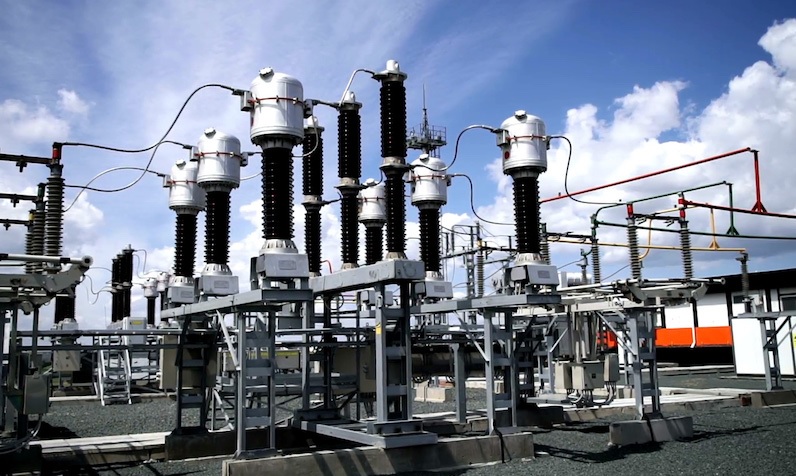
The said fund is targeted to finance the country’s long-term ‘just transition’ process to reduce the carbon intensity of her electricity system, while also developing new sectors such as green hydrogen and electric vehicles.

South Africa submitted an ambitious Nationally Determined Contribution (NDC) prior to COP 26. At COP26, the South African government also forged the Just Energy Transition Partnership (JETP) jointly with the aforementioned western powers.

The objective of the JETP is to ensure a just transition for workers and communities that had historically relied on South Africa’s coal-based value chains for their livelihoods.

The scale of the challenge means that partnerships, including with the private sector and development finance institutions, would be indispensable to achieving desired outcomes, according to both the AfDB and the country’s government.

As part of its commitment to the development of Africa’s energy sector in line with its New Deal on Energy for Africa (NDEA) strategy, the AfDB is playing a leading role in supporting African countries on their energy transition journeys with policy advice, technical assistance, and financing.

In this context, the Minister of Finance of the Republic of South Africa, Enoch Godongwana formally requested the AfDB to support South Africa with technical assistance on its Just Energy Transition process.

The AfDB had responded favourably to the request of South Africa and had agreed to provide the demanded support through the COP26 Energy Transition Council Rapid Response Facility, financed by the Bank’s Sustainable Energy Fund for Africa (SEFA).

The technical assistance would be targeted at enhancing the capacities of relevant institutions in South Africa – primarily the Asset and Liability Management (ALM) Division of the National Treasury and the Presidential Climate Finance Task Team (PCFTT) – to engage and negotiate with external and internal partners of the South African Just Energy Transition process.

This technical assistance is reportedly independent, separate and not in any way linked to any further financial support that the AfDB may contribute towards South Africa’s just transition in the future.

The broad scope of the technical assistance had been agreed upon between the ALM Division and the PCFTT, which allows them to draw on financial, technical and other skills that enable them to fulfil their respective mandates and responsibilities to develop recommendations for the financing package offered under the JETP.

According to the AfDB, the details of the implementation of the agreed-upon technical assistance were currently being finalized with a launch of the assistance expected in the coming weeks.

The government and the AfDB had also reached an in-principle understanding that this rapid assistance may be followed by a larger SEFA technical assistance programme, supporting the medium-to-longer term needs of South African institutions in the Just Energy Transition process, once such needs become more apparent.

“This technical cooperation builds on a long-term partnership between the AfDB and the South African government, that is based on the recognition of the important emphasis that energy security and just transition play in the country’s climate response as well as the need to meet economic, environmental and social development objectives.” the joint statement concludes.

This kind of cooperation is indeed commendable, hence deserves every needed support and encouragement. Other countries presently in need of such an energy transition are therefore enjoined to leverage the opportunities this rare platform provides.

Citibank Partners With Lagos-Based Babban Gona To Offer 50,000 Farmers A $10m Boost

0

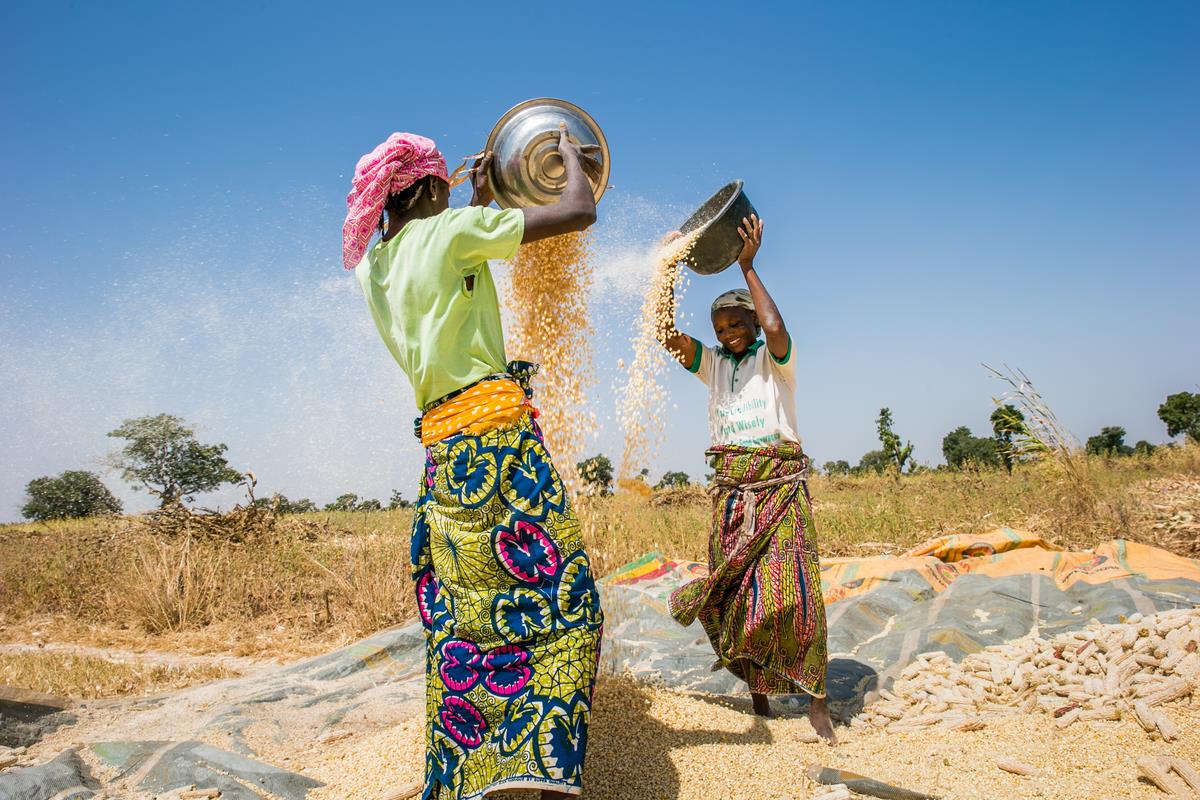
American multinational investment bank and financial services corporation, Citibank has entered into a partnership with Lagos-based social enterprise Babban Gona, a business model that helps Nigerian farmers in Nigeria to become more profitable. Such partnership will increase lending to local smallholder farmers in a bid to boost agricultural output in Africa’s most populous country.

Babban Gona will administer a $10million Citigroup financing to about 41,000 small farmers in the West African nation, which it stated in an emailed statement. According to Babban Gona, such financing to small-hold farmers will enable them to improve income by 350% per hectare.

The organization since its establishment in 2012 has already extended nearly $200 million in loans to over 280,000 smallholder farmers. As regards the funding by Citibank, it forms a part of Citigroup’s $1trillion global commitment to sustainable financing by 2030.

The Chief Executive Officer of Citibank Nigeria Ireti Ogbu disclosed that the bank will not hesitate to do more and partner with more organizations once its partnership project with Babban Gona is successful. She further disclosed that there is a pipeline of projects under consideration as Citigroup plans to use its worldwide network to help fintechs tap into the global financial market over the next few years.

Lately, I have been keeping tabs on the recent developments going on in the agricultural sector in Nigeria, and I must say that it has been a feeling of ecstasy, to see the funds and support the farmers in the sector have been receiving.

There have been efforts by the Nigerian government to make agriculture the mainstream of the Nigerian economy, meanwhile, there have been complaints from citizens that the government has refused to make the sector a priority which is why the sector has been underperforming.

On the other hand, to ensure that these farmers are able to access loans, the Central Bank Of Nigeria, CBN introduced the anchor borrowers program (ABP) in 2015, to achieve financial inclusion by helping farmers have easy access to credit loans.

Despite efforts from the Central Bank and the government, most farmers in Nigeria still lament the poor access to loans. Notwithstanding, it is interesting to note that some private firms and start-ups are beginning to step in to ensure that small-hold farmers have access to loans, without having to entirely depend on the government to do everything.

It is pertinent to note that the Agricultural sector in underdeveloped and developing countries in Africa, such as Nigeria, is a sustainable economic development of the agricultural sector. With proper access to loans to these small-hold farmers in Nigeria, it will no doubt improve the production output in the sector, because these farmers will be faced with little or no constraint, which will also ensure proper food security in the country.

Looking at the effect of the Russian-Ukraine war that has caused most countries in Africa to witness severe hunger and famine, due to the blockage of food supplies to these regions caused by the war, it should be a warning signal to Nigeria to improve its agricultural sector.

Smallholder farmers in Nigeria must get access to adequate loans to ensure that the country never witnesses famine or severe hunger. Once the agricultural sector in the country blossoms, it can also improve the country’s economy by boosting its revenue through the exportation of food products.

Government Describes Dangote Refinery As Game Changer To Drive Africa’s Revolution

0

The Federal Government of Nigeria has described the 650,000 barrels-per-day (bpd) Dangote Petroleum Refinery as a game-changer that is capable of driving the refining revolution in Africa.

Nigeria’s Minister of Information and Culture, Alhaji Lai Mohammed, who made this declaration during a media tour of the $19 billion Dangote Petroleum Refinery and Petrochemicals Plant at Ibeju-Lekki in Lagos State, opined the project would be a game-changer once it comes on stream.

The Minister, who also went on tour of the $2.5 billion Dangote Fertiliser Plant, listed the benefits of the Refinery to include huge value addition that would contribute to increase in Nigeria’s Gross Domestic Product (GDP); conservation of foreign exchange as importation of petroleum products would be eradicated; generation of forex through export of finished product; availability of petroleum products thus ending petrol queues, and attraction of foreign capital investment.

He stated, “After visiting the facilities, one can conveniently say that Dangote is leading Nigeria’s industrial revolution. The coming into being of such huge industrial complex as the Dangote Fertiliser Company and the Refinery were made possible by the enabling environment provided by the administration of President Muhammadu Buhari.

“Today, businesses are springing up in all sectors, thanks to a conducive business environment. Under this Administration, the Presidential Enabling Business Environment Council (PEBEC) has implemented over 150 reforms, moving Nigeria up 39 places on the World Bank Doing Business index since 2016. Mr. President also signed the Companies and Allied Matters Act, 2020 (CAMA 2020) – Nigeria’s most significant business legislation in three decades.

“The result of this favourable business environment is the birth of new businesses such as the $2.5 billion Dangote Fertiliser Plant that will produce 3 million metric tonnes of Urea every year; the 650,000 barrels-per-day oil refinery due to open later this year; Lekki Deep Sea Port, one of the most modern sea ports in West Africa; the 5,000 barrels-per-day Modular Refinery in Ibigwe, Imo State, and three more modular refineries to be commissioned before May 2023 in Edo and Bayelsa states just to mention a few.”

Speaking on the benefits of Dangote Fertiliser to the economy, Lai Mohammed said prior to the inauguration of the present administration, Nigeria had a fertiliser shortfall of about 3.5 million tonnes per annum.

According to him, with the coming on stream of the Dangote Fertiliser Plant, Nigeria was now self-sufficient in the production of urea. “In fact, Nigeria is now the leading producer of Urea in Africa. The Dangote Fertiliser plant is already exporting to the US, India, Brazil, Mexico and Argentina. We were fortunate to witness a ship being loaded with urea for export to Argentina,” he added.

Mohammed said the conducive business environment created by the government and its support had enabled the coming on stream of the $2.5 billion Dangote Fertiliser Plant which was inaugurated recently by the president. He said the 650,000 bpd refinery was due for opening later this year, adding both projects would guarantee food and energy security for the teeming Nigerians.

On his part, Group Executive Director, Strategy, Capital Projects and Portfolio Development, Dangote Industries Ltd., Mr. Devakumar Edwin, thanked the government for the support towards the completion of the projects.

Edwin said the refinery was the world’s largest single train petroleum refinery and was designed to maximise production of Premium Motor Spirit (PMS) with a capacity of about 53 per cent compared to 20 per cent by other refineries.

He said, “The petroleum refinery can meet 100 per cent of the requirements of Nigeria, of all the liquid products – Gasoline (PMS), Diesel (AGO), Kerosene (DPK) and Aviation Jet Fuel (Jet A-1).

“While 60 per cent of the production of this petroleum refinery can meet the entire requirement of Nigeria, the rest 40 per cent will go for export, generating huge amount of foreign exchange.” he added.

Justifying the government’s decision to acquire a 20 per cent stake in the refinery, Edwin noted the project was of strategic national importance and a win-win for the nation and the Dangote Group.

Indeed, the upcoming Dangote Refinery is a ‘game changer’ for Nigeria, hence deserves every support from any well-meaning individual or entity, in or outside the country.

However, the government is enjoined to grant similar opportunities to other prospective investors in Nigeria, so the downstream sector won’t witness a monopolistic market, which wouldn’t augur well for the country.

There are other private investors who would want to follow suit, but unwholesome support from the government might trigger a deterrent. The Dangote Group got the needed support and encouragement from the government before embarking on this journey, hence the success recorded so far.

Such collaboration, as stated above, is required by other genuine investors. It ought to be given to them as requested by making the environment more friendly and enabling.

Abuja-Kaduna Flight Tickets Sold For Over N100,000 Each

0

Following the attack by bandits on the Kaduna airport which happened two months ago that led to the shutdown, commercial flights have recently resumed at the airport. According to a reliable source, the reopening of the Kaduna airport was facilitated by the state government through a committee raised to assess the transportation situation.

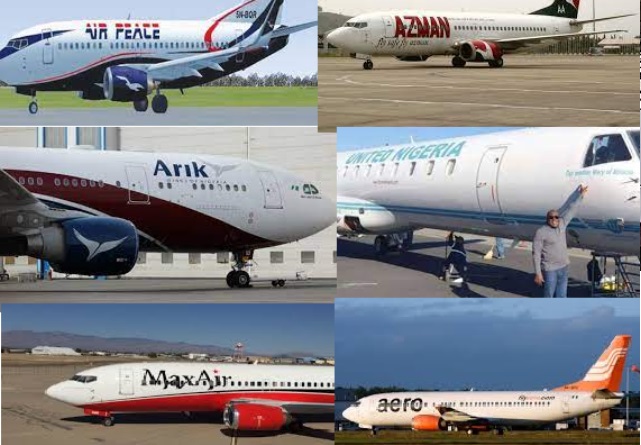
Unfortunately, after its resumption, passengers now battle with the price of tickets sold for over N100,000 per ticket, for flights between Abuja and Kaduna. Despite complaints from different people about the outrageous flight fare, the Executive Director of Zenith travels and consult, Mr. Olumide Ohuanyo disclosed that there was nothing unusual about the cost, as airlines are at liberty to fix any fare.

In his words, “The airfare is deregulated. Airlines are at the liberty to fix any fare. They just have to file a notification to the Nigerian civil aviation authority. With that, it is easier for the airlines and the passengers to determine their fares using the forces of demand and supply. Presently, Kaduna is one of the most dangerous cities to go into by land, either by road, rail or if there is water transportation. So it is a hot cake. Tickets are programmed in such a way that they increase as demand increases”.

Asides from the fact that the price of aviation fuel increased which saw the prices of tickets skyrocket. Air passengers have been groaning over the high cost of these airfares, describing the increase as too exorbitant which has seen them call on the government for intervention.

After the Kaduna attack where some citizens lost their lives, with some still in captivity, Kaduna currently is a dreaded city. Going there by road or rail is not safe, as flight seems to be the only safest means currently.

Flight tickets to Kaduna are currently a hot cake and are currently programmed in such a way that the price increases as demand increases. I feel raising the price fare as demand increases is not ideal, because it’s more like these airlines are capitalizing on what is happening in Kaduna to make excess profit, knowing full well that flight is the only safest means and passengers will have it as their best option.

Traders on the other hand have had issues in bringing their goods to the state due to the closure of road and train services, as they are left with no option but to use air. Although some out of desperation have paid these outrageous airfares as they have no other option left.

Meanwhile, some airline operators have attributed the upsurge in fares to the current exchange rate, and they have stated that the rise in the fare was inevitable as these airlines need to stay afloat.

As these airline operators continue to increase their fares for a justifiable reason, however, the Nigerian Civil Aviation Authority should also step in to regulate these prices as some of them are way too high. They shouldn’t use the fact that the roads are not safe to profit from the insecurity in Nigeria, rather they should be considerate.

The NCAA had earlier warned to sanction airlines over price-fixing without their permission, to the detriment of the traveling public. They must step up to ensure that these airlines are monitored closely to ensure that those who raise their fare to outrageous amounts without their approval are sanctioned.