DD
MM
YYYY

PAGES

DD
MM
YYYY

spot_img

PAGES

Home Blog Page 5235

Tomato Jos Launches First Fully Made In Nigeria Tomato Paste

0

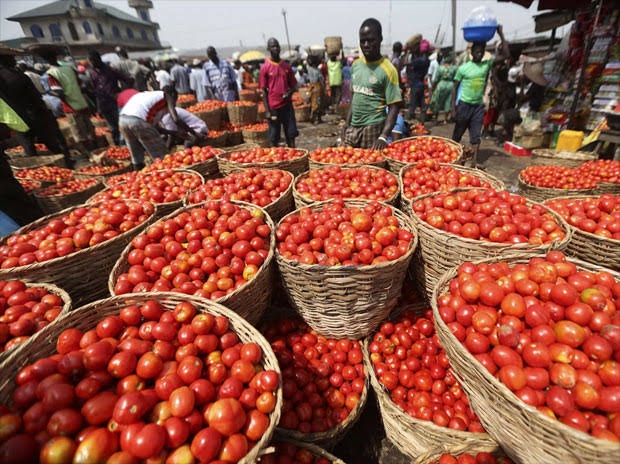
Good news coming in from Nigeria, as a factory in the country can now boast of Manufacturing tomato paste, courtesy ‘Tomato Jos’ factory. The factory which is based in Kaduna state Nigeria is led by American-born entrepreneur Mira Mehta. The facility is said to be the third-largest of its kind in Nigeria. The idea to process tomatoes in tomato paste first came to Mehta as she was traveling for non-profit work in the northern part of Nigeria in 2008 where she saw first-hand the post-harvest loss of tomato crops.

She then proceeded to attend Harvard Business School in 2012, where she fine-tuned her business plan, and ever since then, her company tomato Jos has been perfecting its tomato farming process, increasing its yields and training local farmers.

Just recently, the company launched its much anticipated Tomato Jos paste variant into the Nigerian market, which is already in circulation in the Northern part of Nigeria. The new tomato paste is packaged in a 65-gram sachet, which comes in a superior flavor and color. According to information obtained, the tomato paste variant is said to be the company’s first consumer product since it began operation.

Speaking at the unveiling event of the “Tomato Jos Paste, the company’s CEO Mira Metha had something remarkable to say.

In her words, “It is a dream come true. Though entrepreneurship is full of ups and downs, I feel encouraged whenever I see my passion for this business ignite in one of my colleagues. I am incredibly proud of the Tomato Jos team for their hard work and belief that we could achieve something on this scale. The facility is the only one of its kind in Nigeria that can produce sachet tomato products directly from fresh tomatoes. The product is currently available throughout Kaduna State, and we intend to expand to more states by the end of 2022. Our company’s theme for 2021 was ‘Let’s Do This!’ and, well, we did it! The future looks bright for Tomato Jos. We will continue to grow until we become a household name across Nigeria”.

I am very ecstatic to see this good news come from Nigeria because the country has been depicted to be more of a consumer economy than a producer economy. According to statistics, Nigeria is the world’s 13th largest importer of tomato paste, even though the country is richly blessed with fresh tomato products. It is indeed a thing of joy that a company in the country can now manufacture tomato paste because facts have it that there are usually post-harvest losses of approximately 45% of tomatoes in the country because buyers cannot be found.

According to Metha, she disclosed that driving across Northern Nigeria, she would see piles of tomatoes that farmers couldn’t sell. Not anymore, as the company can now transform those leftovers into tomato paste. This is a perfect time for the government to partner with Tomato Jos company and invest properly into the company, as well as going to set up many more companies like that so that there can be massive production of tomato paste in the country, which will stop the country from the importation of tomato paste.

According to the CEO of Tomato Jos, Metha, she disclosed that her company plans to raise an additional $10 million in debt and equity to fund further growth and expand its reach across the country. The exportation of these products will greatly improve the country’s economy as many countries will seek to patronize these products. Permit me to say that Nigeria is on its path to becoming one of the highest manufacturers of tomato paste.
Are investors in African Startups biased towards foreign-educated CEOs?

1

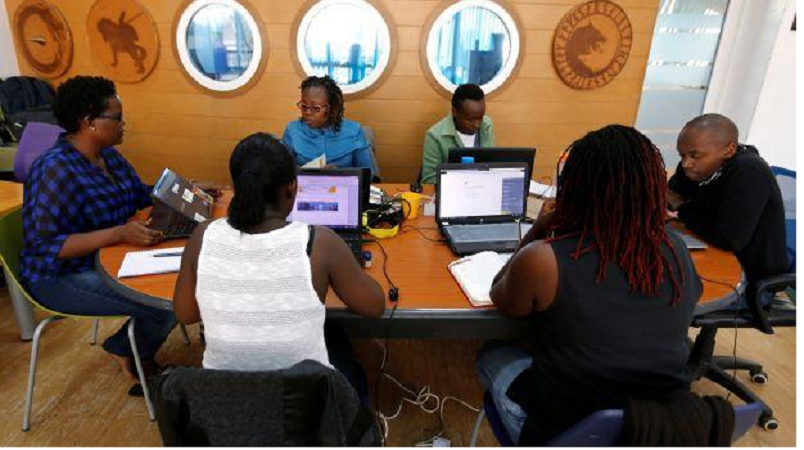
The Big Deal – a substack newsletter that covers startup deals in Africa – recently released data shows that in 2021, 73% of the over $4 billion raised by African startups was by CEOs whose latest degree was a Masters or MBA obtained from a university outside of Africa.

The data shows that both in terms of the number of deals and amount raised, “it is US-educated CEOs who lead the charge, followed by their UK-educated peers.” In the numbers, Startup CEOs who last studied in Africa signed 44% of the deals but raised only 28% of the over $4 billion raised by African startups. This was true for all African countries except Egypt and South Africa. For the two countries, more than 60% of the capital raised in 2021 was by CEOs who last studied in their home country.

The conversation around this has tried to suggest that there might be investor biases or existing prejudices that favor founders who have acquired a degree outside the continent, over the founders who only schooled at home. This may or may not be true, and the authors of the data have agreed that more research would be needed before any such claim can be made.

Let’s talk about it. As an entrepreneur, does where you go to school matter? Are there things you would be taught outside of the continent, that is not being taught in African higher institutions? Are all of this education and certificates even necessary?

The direct answer is a No. The school you attended will not matter in the real scheme of things, because education is continuous especially if you are an entrepreneur. Besides, there are now different ways you can educate yourself without going through the four walls of a higher institution, and some of them are just as effective as any formal education you can get. There are online courses and certifications if you consider all that to be necessary. What counts, and I speak for most entrepreneurs and investors, is your productivity and ability to provide the results that will solve people’s problems.

But how can we explain the lopsided investment pattern that the data reveals for African startup founders? I will attempt to look at it from two angles – perception and reality.

In terms of perception, when people (investors or not) come across someone who has traveled outside the shores of his country to get an education, the perception is that this could be a person who places a higher premium on education and exposure; and so he has traveled thousands of miles in search of it. This may not always be true. A local institution may be offering better quality education of the specific field of study he has, but the discomfort of traveling to school just gives the impression that he or she must have traveled in search of the best.

Now let’s consider reality.

What are investors on the lookout for when they invest? Irrespective of whatever biases or prejudices they have, investors generally want to put their money into a business that has a higher possibility of success. They want to back that CEO who looks like he has what it takes to carry the idea through. This is highly subjective of course, and that is why the same business one investor refuses to fund, can have several others who are willing to inject the needed funds.

Thankfully, data is only showing a slightly imbalanced pattern with foreign schooled CEOs getting 56% of the funding deals, while those who schooled locally signed 44% of the deals. The major difference comes when you begin to consider the funds secured in those deals.

Why are investors willing to throw more money behind CEOs who schooled outside the continent? Here is what I think.

Most times, startups founders in their pitch will talk about plans to expand into other countries and take their business beyond their current locality. Given this, an investor would naturally prefer a CEO who has some exposure outside their current country of operation. Schooling outside of your country or even continent means that the foreign schooled founder has more exposure and multicultural experience.

Most investors might consider it folly, to give you money to expand your business into a country you have never lived in. You may not be familiar with the system there, its market structure, regulatory issues, and the like. In such a terrain, your chances of failure may be higher than your chances of success. If however, you have someone on your team, a partner, or a co-founder who schooled or lives in that location, it could help your case.

On a radio show recently, the CEO of a software company in Nigeria mentioned that he had started his business in the UK even while he was servicing Nigerian clients. During this time, all his efforts at fundraising were futile because investors insisted that he needed to live in Nigeria to serve Nigerian clients or get a partner who had schooled or lived in Nigeria for decades. He had to relocate the business to Nigeria and get a fully Nigerian partner before the funds came in.

This, in my opinion, shows that there may not necessarily be a bias against founders and CEOs who schooled locally. Investors want to ensure that people have been exposed to that environment that they want to play in. If you are proposing a business that crosses a nation’s boundaries, it just helps to have multi-cultural experience, cross-border exposure, and an international network with ex-colleagues or ex-coursemates in other climes. It means you will have a better understanding of the culture, and the people.

Take all these away, and you may be seeing a lot of cultural clashes and knowledge gaps that could become a clog in the wheels of the business. Keep in mind that before any pitch, you should increase your chances of getting funds by getting a partner who has those qualities that you lack. Learning never ends, so there could be other opportunities for studying that could come your way.

#IamAnEngineer

1

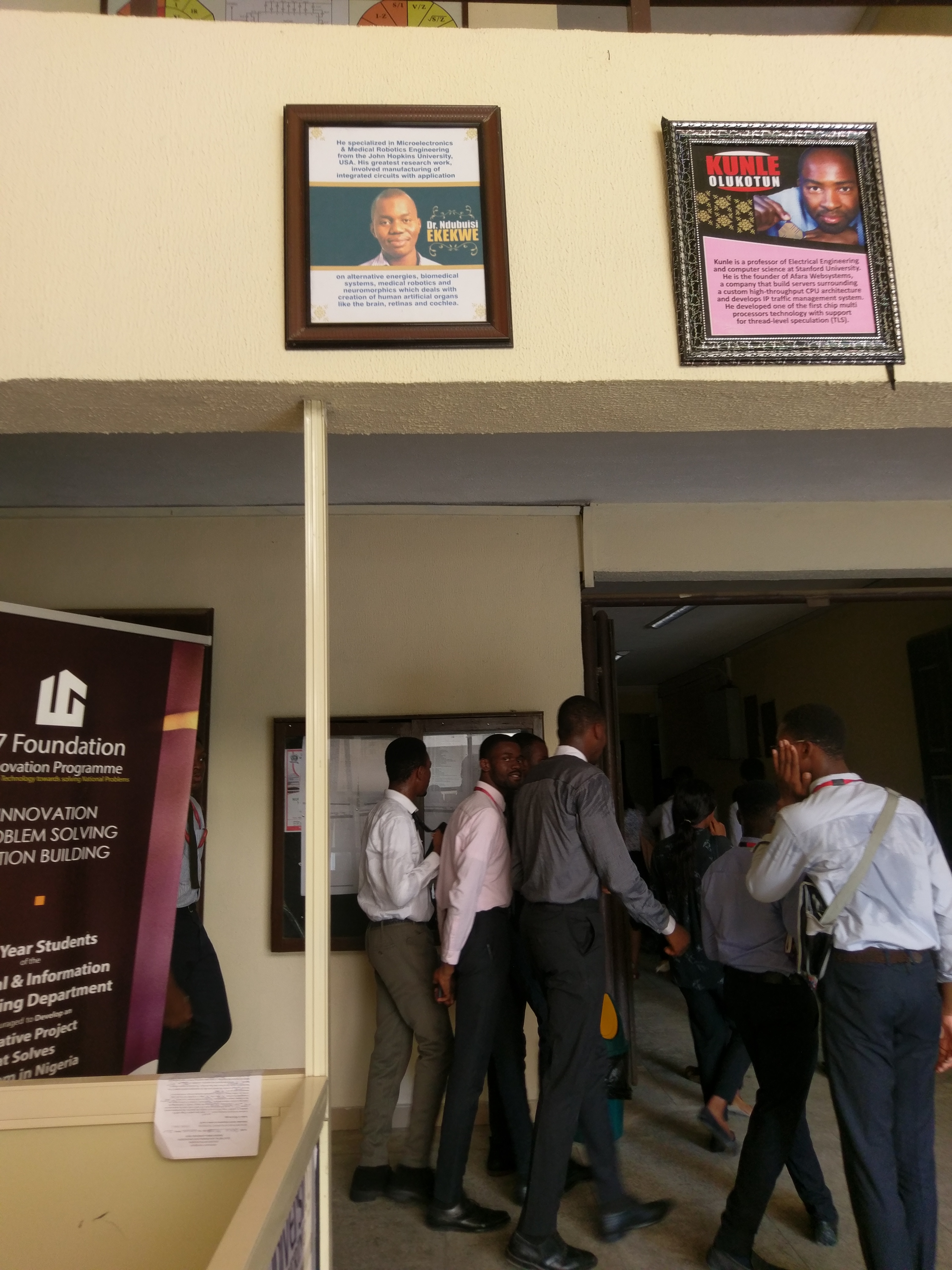
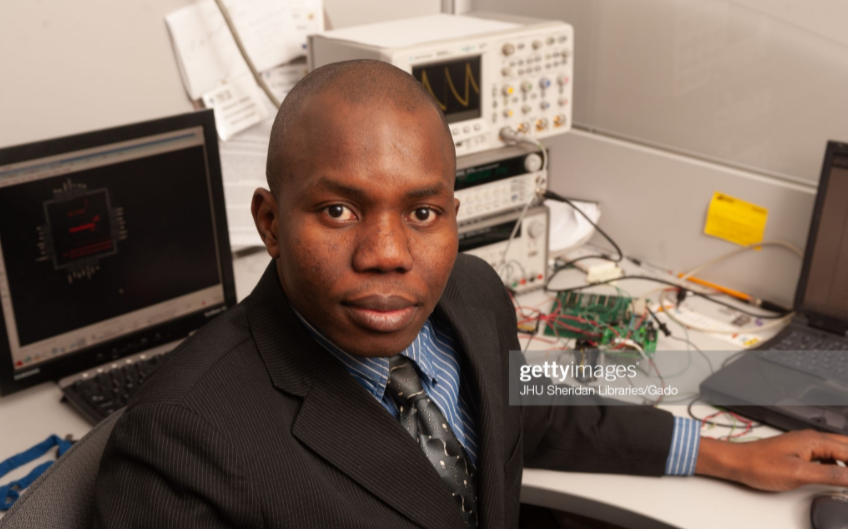
Never a bigger honour than when Africa’s finest private university puts your portrait in its building. They referenced my PhD thesis in the Johns Hopkins University, and the patent out of it, and which the United States Government sought and received assignee rights. I developed a way to make it possible for robots to operate on humans (minimal invasive surgery across abdominal, thoracic, etc). It turns out that the technology is also useful for astronauts as they navigate limited gravity in space. I am so proud that my work is going to be used in space. Thanks Covenant University for the honour. #IamAnEngineer

Musk Launches Tesla Gigafactory in Germany

0
elon musk
elon musk

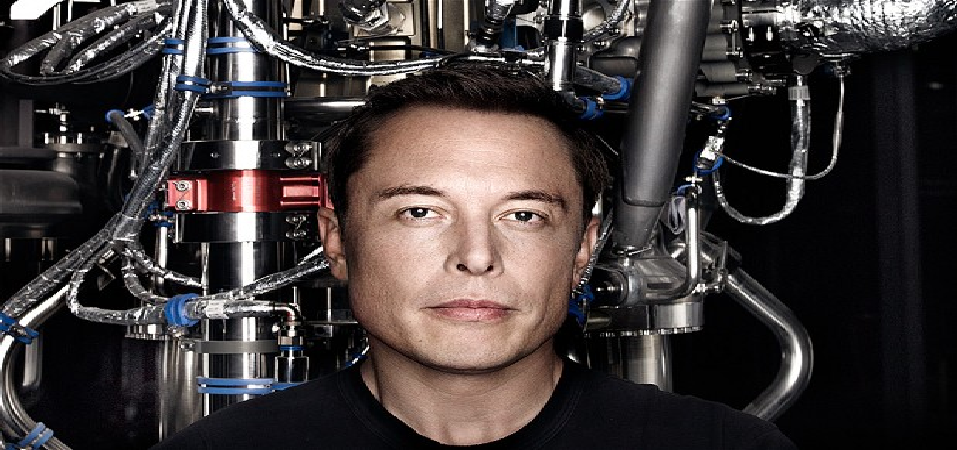
After conquering North America and Asia, Tesla’s CEO Elon Musk has shifted his attention to Europe, hoping also to win competition with rival European EV companies.

Musk was at the inauguration of Tesla’s German gigafactory on Tuesday, where new Tesla models were unveiled to the excitement of clients.

Reuters reported that Musk was cheered as he oversaw the handover of Tesla’s first German-made cars at its Gruenheide plant on Tuesday, marking the start of the U.S. automaker’s inaugural European hub just two years after it was first announced.

Loud music played as 30 clients and their families got a first glimpse of their shining new vehicles through a glitzy, neon-lit Tesla branded tunnel, clapping and cheering as Tesla Chief Executive Musk danced and joked with fans.

“This is a great day for the factory,” Musk said, describing it as “another step in the direction of a sustainable future”.

Europe is a top destination in Musk’s bid to make Tesla a global auto brand, a bid which was limited by lack of a Tesla factory in the region. But there has been opposition.

Per Reuters, German Chancellor Olaf Scholz, who was also at the event and lauded the gigafactory as the future of the car industry, witnessed some environmental activists block the factory’s entrance in protest over the factory’s high water use.

The European Union takes environmental concerns seriously and the gigafactory was caught up in a series of it. Musk’s hope to begin output from the factory mid-last year was thus delayed due to licensing issues bordering on environmental concerns.

Until March 4, when it got approval from local authorities to begin production under stipulated conditions that addressed the environmental concerns, Tesla was forced to service European orders from Shanghai.

The delay in getting production approval for the German plant was compounded by global chip shortage and other supply chain disruptions, forcing Tesla to increase the cost of its vehicles.

However, the new Tesla plant means German-based auto companies, especially Volkswagen, making a shift to electric vehicles now have a major challenger in their backyard.

On Tuesday, new German owners received the Model Y Performance configuration, a vehicle costing 63,990 euros ($70,491) with a 514 km (320 miles) range, Tesla said, adding that new orders from the plant could be delivered from April. Tesla said that around 3,500 of the plant’s expected 12,000 workers have been hired so far.

Reuters reported that at full capacity, the plant will produce 500,000 cars a year, more than the 450,000 battery-electric vehicles that German rival Volkswagen sold globally in 2021.

It will also generate 50 gigawatt hours (GWh) of battery power, surpassing all other plants in Germany.

For now, Volkswagen still has the inside track in the race to electrify Europe’s fleet, with a 25% market share to Tesla’s 13%. Musk has said ramping up production would take longer than the two years it took to build the plant.

JPMorgan predicted Gruenheide would produce around 54,000 cars in 2022, increasing to 280,000 in 2023 and 500,000 by 2025.

Volkswagen, which has received 95,000 EV orders in Europe this year, is planning a new 2 billion euro EV factory alongside its existing facility in Wolfsburg and six battery plants across Europe.

But its timeline lags Tesla’s, with the EV factory due to open in 2026 and the first battery plant in 2023.

Nigeria Electricity Woes, High Diesel Cost, Crippling Businesses

0

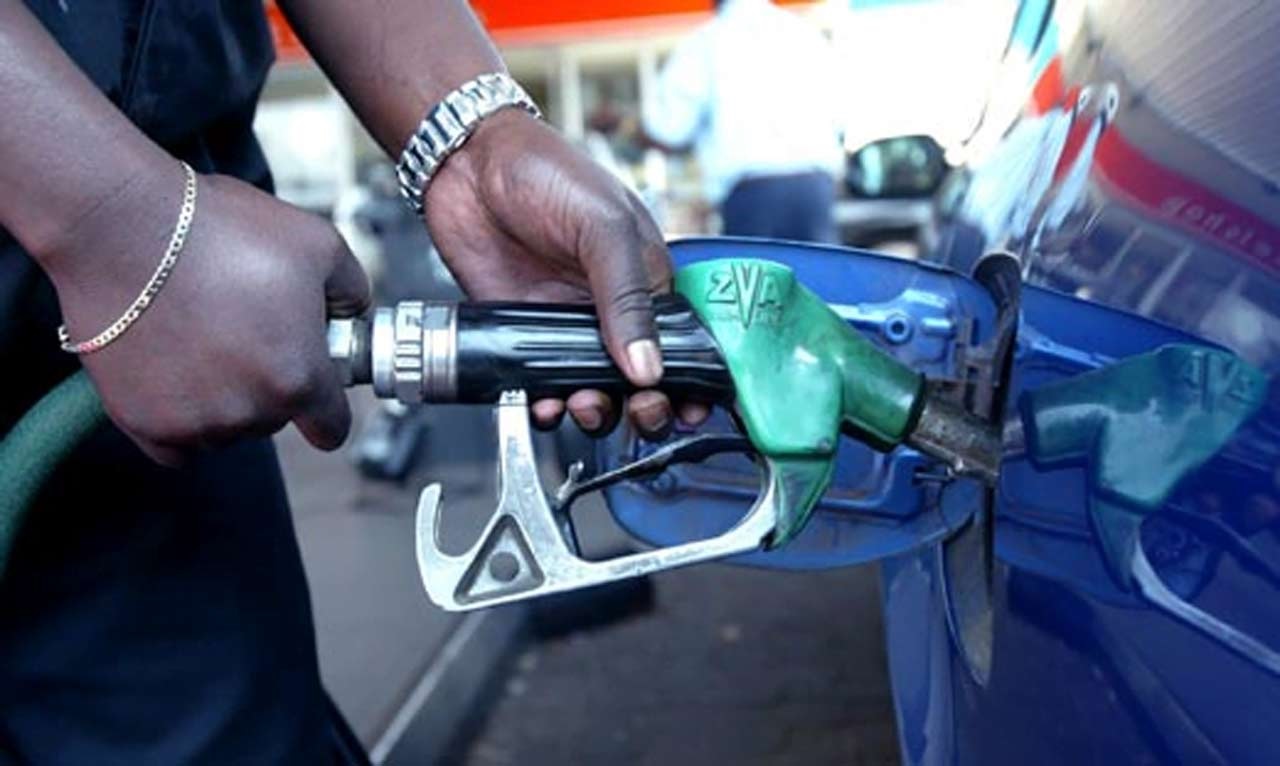
With the cost of diesel rising from $0.75 (N312) per litre to $1.92 (N800), the price of petrol also skyrocketing, coupled with poor electricity supply, businesses in the country continue to suffer loss. Just recently, the Manufacturers Association Of Nigeria (MAN) raised an alarm over the negative impact of the skyrocketing price of petrol and diesel which is making it almost impossible for them to continue to operate.

They have appealed to the state and federal government to urgently come to their aid, as energy cost is currently gulping over 50 percent of their operating costs. Truth is, If the government dilly-dally on this issue rather than move into swift action, it can spell doom for the real sector which might see it collapse which will definitely lead to thousands of people losing their jobs. These negative outcomes have a ripple effect in the society, as high job loss will lead to an increased crime rate and insecurity in the country.

Chairman of Manufacturers Association Of Nigeria(MAN) Kwara/Kogi branch, Mr. Bioku Rahmon lamented that power which accounts for over 40 percent of factories costs, has now doubled with this major cost element, the cost implications in the overall cost outlay for industries have precipitated an alarming rise in the production costs, running costs and costs of transporting raw materials and finished products, all of which have now become more unbearable players in the country.

Not only are businesses and manufacturing companies affected, banks are also not left out. According to sources, most banks in the country are beginning to cut down their banking service hours. Some had to send messages to their customers notifying them of the new closing time which is now 4 pm instead of the usual 5 pm closing time. This adjustment was made as regards the poor electricity power supply in the country and also due to the rising cost of diesel. Most of these banks are beginning to look for alternative energy sources such as Solar, as they strive to limit the impact of the skyrocketing diesel cost on their operations.

This period is indeed a challenging one for businesses in Nigeria, most especially SMEs, as they continue to accrue more losses than profits in their business due to lack of power supply and high petrol/ diesel prices. It’s an irony that a country like Nigeria, known as one of Africa’s biggest oil-producing countries, yet manufacturers and retailers are currently facing intense pressure and hardship from rising fuel and diesel costs, coupled with poor electricity supply.

Manufacturers are now faced with an escalation in the cost of production which will see the erosion of profit margins, and many businesses and companies will now have to face the risk of continuity. There is currently inflation in the price of goods, due to the high cost of production. Just recently Multichoice increased Dstv and Gotv subscription rates due to the ongoing inflation. The firm blamed “rising costs of inflation and business operations” for the increase. Also the price of sachet water commonly known as “pure water” has doubled across most states in the country. Things are really becoming unbearable for the masses as the standard of living in Nigeria continues to increase.

According to statistics, 12 in every 25 Nigerians make use of generators, spending about $16 million to fuel only 14 million generators annually. This is indeed painful and shameful for a country that calls itself the “giant of Africa”, but has failed to live up to the acclaimed name.

If a country like Ghana that doesn’t rank up to Nigeria in terms of natural resources and GDP can celebrate years of uninterrupted powers supply, then this is nothing but gross incompetence on the part of the leaders in Nigeria. Achieving efficient power generation and distribution of electricity in Nigeria has over the years remained a sore point and a major threat to the growth of the economy. It’s high time the government implements measures to put a halt to this incessant hike in petrol and diesel prices and also see to ensure that the country enjoys a stable power supply, because lack of these things will take a toll on the economy of the country which creates problems for the people, businesses, and manufacturers.