DD
MM
YYYY

PAGES

DD
MM
YYYY

spot_img

PAGES

Home Blog Page 5339

Technology Tops 2022 Edelman Trust Barometer

0

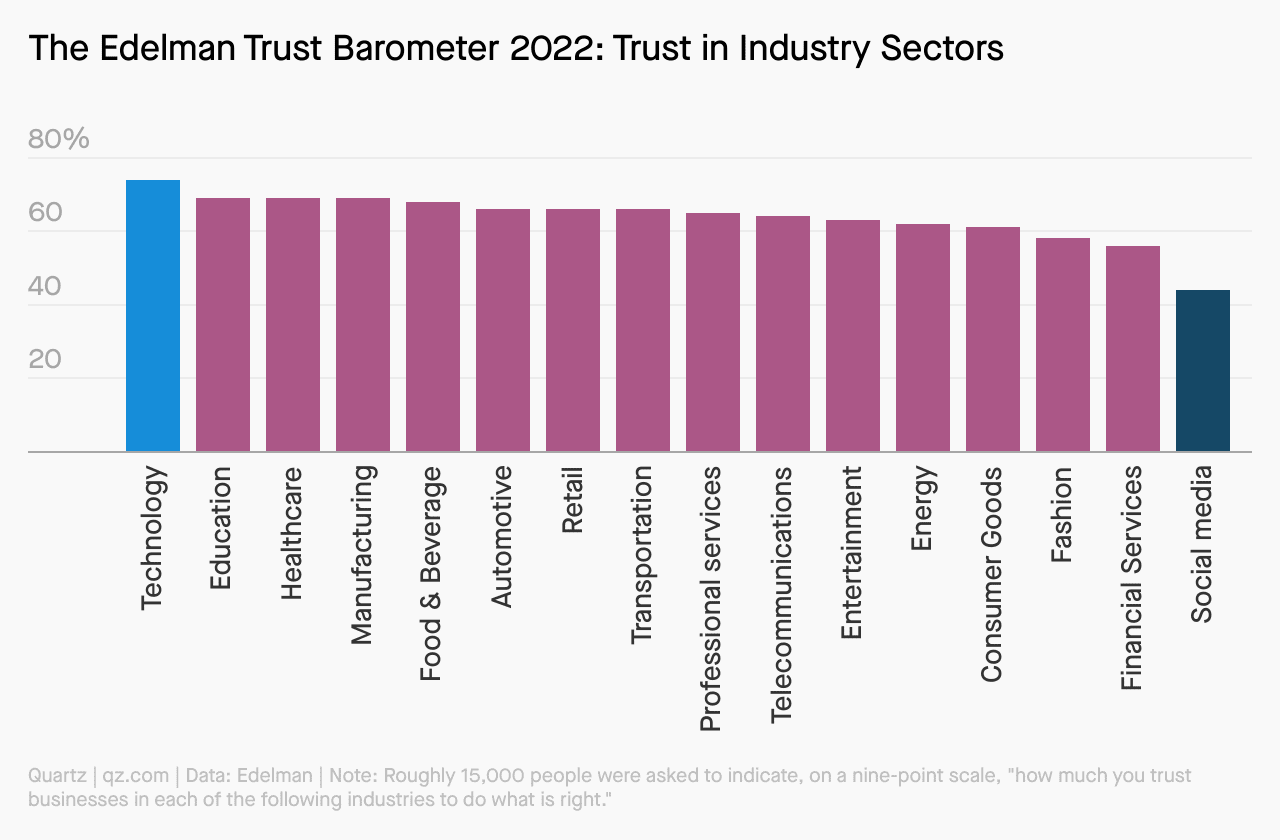
Technology has topped all sectors as the sector people trust the most. You may wonder why there are many high voltage searchlights beamed on these firms from government quarters. Of course, tech is simplifying people’s lives and people appreciate those, privacy or no privacy.

“A new survey, part of the 2022 Edelman Trust Barometer (pdf) report, shows that people trust the tech industry more than any other—even more than healthcare, the sector the world has relied on most heavily during the pandemic.

“The findings go against the grain of reports of an ongoing “techlash”—a wave of hostility to technology, its numerous breaches of privacy and security, and its disconcerting pace of disruptive change. Edelman’s newest numbers suggest that tech has perhaps benefited from an overall cross-sector rise in trust. But it also follows a period in which technology has proven even more indispensable to our lives during the pandemic.” – Quartz newsletter

But that is coming despite this debacle on regulation: who do you expect Google to do?  Improve privacy and be sued, or leave it and be sued. Tough position for the search giant.

Fortune newsletter: “Germany’s biggest publishers and advertisers have complained to the European Commission that Google’s plan to phase out third-party cookies in Chrome is illegal on competition grounds. Google is of course already the EU’s most successful antitrust-fine magnet, but on the other hand, what it’s doing is a pro-privacy move, and the EU likes privacy. Either way, the Commission is already looking into the issue. Financial Times”

Nigeria Suspends Removal of Subsidy Indefinitely

0

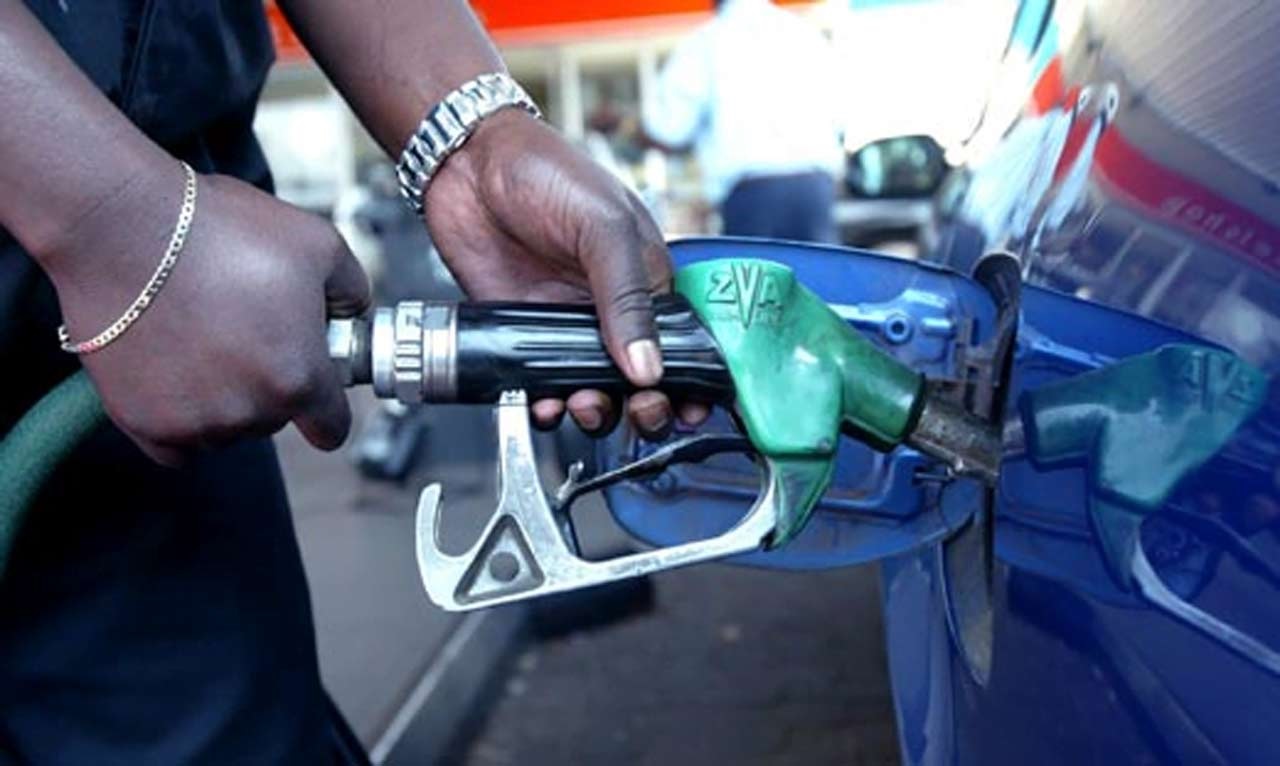
Last year, Nigeria came close to removing fuel subsidy following the lifting of petrol pump price to N165 per liter. The move generated a lot of backlash and protest from organized labor, who argued that it will compound the suffering of Nigerians.

Ever since then, the topic has remained controversial. On one hand, the government is facing pressure from the International Monetary Fund, World Bank and economic experts, to remove the fuel subsidy and channel the fund to educational or infrastructural development. On the other hand, the government is being dared by organized labor unions, who have threatened to embark on an indefinite nationwide strike if the subsidy is removed.

Caught in the dilemma, the Nigerian government has been exploring a way out. The only choice hung on Dangote Refinery, which is expected to be launched in July this year. Based on this expectation, the government had set a mid-year timeline for the removal of the subsidy – but it has been forced to change the timeline.

On Monday, the Minister of Finance, Budget and Economic Planning, Hajia Zainab Ahmed, said in Abuja, during a meeting held at the National Assembly, that the Federal Government had postponed the planned removal of subsidy on petroleum products till further notice.

The meeting was convened at the instance of the President of the Senate, Ahmad Lawan, following the unwavering determination of organized labor to embark on strike, should the government remove the fuel subsidy.

At the meeting which had in attendance the Minister of State for Petroleum Resources, Timipre Sylva and the Group Managing Director of the NNPC Limited, Mele Kyari, among others, the Finance Minister said there is a change in Federal Government’s initial plans to remove subsidy on petroleum products from July this year.

“Provision was made in the 2022 budget for subsidy payment from January till June. That suggested that from July, there would be no subsidy. The provision was made sequel to the passage of the Petroleum Industry Act which indicated that all petroleum products would be deregulated.

“Sequel to the passage of the PIA, we went back to amend the fiscal framework to incorporate the subsidy removal. However, after the budget was passed, we had consultations with a number of stakeholders and it became clear that the timing was problematic. We discovered that practically, there is still heightened inflation and that the removal of subsidies would further worsen the situation and impose more difficulties on the citizenry.

“Mr. President (Muhammadu Buhari), does not want to do that. What we are now doing is to continue with the ongoing discussions and consultations in terms of putting in place a number of measures. One of these includes the roll out of the refining capacities of the existing refineries and the new ones which would reduce the amount of products that would be imported into the country.

“We therefore need to return to the National Assembly to now amend the budget and make additional provision for subsidy from July 22 to whatever period that we agreed was suitable for the commencement of the total removal,” she said.

While this decision will compel organized labor to shelve its proposed strike, it sets Nigeria up to spend more on fuel subsidy in the coming months, especially as oil price rises. Brent Crude reached a seven-year high at $88.67 a barrel, as of Monday. This means a major adjustment has to be made in the 2022 budget to accommodate the shift in subsidy removal plans.

In 2021, fuel subsidies gulped over N2 trillion from the national budget amidst revenue shortfalls, which were exacerbated by the oil downturn and forced the government to borrow to fund the budget. With this turn of events, the government, who is still counting on loans to fund the 2022 budget, will pay more to finance the subsidy particularly as oil price goes up.

However, it is a win for the people whose poor living condition degenerated under covid strains, and cannot afford the amount of additional economic hardship the subsidy removal would bring.

Burkina Faso has joined Chad, Mali and Guinea in coups

0

Did you notice something? Coups are happening here and there in West/Central Africa. Burkina Faso has joined Chad, Mali and Guinea – and the khaki boys are arguing that deteriorating security is the reason they are leaving the barracks to the government houses. With the US withdrawn from Africa as they confront the rise of China and the hotspots with Russia in Ukraine, it is looking like West Africa will have a long harmattan.

ECOWAS and AU, it is time to save the continent because the businessmen who help these guys to overthrow elected governments will open bank accounts for them in Europe and North America tomorrow.

But you may ask: what can ECOWAS do since most of its members are broken? People, despite the optimistic exuberance of AfCFTA, most parts of Africa have serious issues which must be addressed for sustained progress.

Burkina Faso’s army said on Monday it had ousted President Roch Kabore, suspended the constitution, dissolved the government and the national assembly, and closed the country’s borders.

The announcement cited the deterioration of the security situation and what the army described as Kabore’s inability to unite the West African nation and effectively respond to challenges, which include an Islamist insurgency.

Signed by Lieutenant Colonel Paul-Henri Sandaogo Damiba and read by another officer on state television, the announcement said the takeover had been carried out without violence and that those detained were at a secure location.

Photo: Sidsoré Kader Ouedraogo on state television announcing the Burkina Faso coup.

Pay Attention to this Dominant Business Model of the 21st Century

1
These firms on the radar

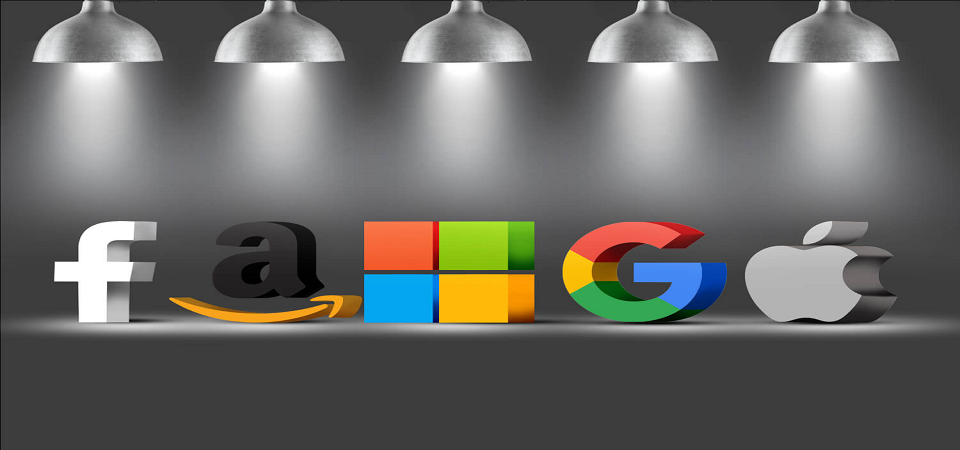
More than 80% of the most successful digital (especially web-based) tech companies run this business model: Aggregation-Integration Construct. In this piece, I argue that the empires of the future, in this web economy, will be built on the business model. If you are building and you want to become a category-king in the online business, pay attention to AIC.

From Facebook to Google to Amazon, this business model powers the very best in them.

Also, I posit that if this model has brought a new basis of competition, improving marginal cost efficiency in many business sectors, it will anchor and become the foundation of the future. All businesses will become technology companies and those with tech nativity will dominate. As we digitize and take more sectors to the web, AIC will be catalytic in the new ordinance.

I explain in this video.

Ndubuisi Ekekwe To Join Eminent Scholars In Nigerian Economic Summit Group (NESG) Panel On Launch of Macroeconomic Outlook Report

0

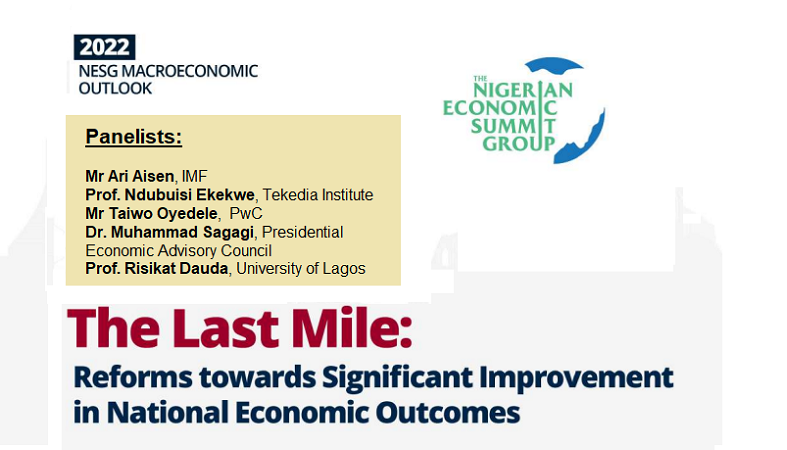
The long-awaited report has been released by the nation’s finest think tank:  the Nigerian Economic Summit Group. Yes, the Nigerian Economic Summit Group will release a Macroeconomic Outlook Report with the theme “The Last Mile: Reforms Towards Significant Improvement in National Economic Outcomes” tomorrow. Yours truly will join eminent scholars  to discuss the report and these scholars include:

  • Mr Ari Aisen, IMF
  • Prof. Ndubuisi Ekekwe, Tekedia Institute. 
  • Mr Taiwo Oyedele,  PwC.
  • Dr. Muhammad Sagagi, Presidential Economic Advisory Council.
  • Prof. Risikat Dauda, University of Lagos.

Date: Tuesday, January 25, 2022  

Time: 9:00 am (West African Standard Time: GMT +1) 

Venue: Transcorp Hilton Hotel, Abuja 

Background

Nigeria is rapidly consolidating its recovery from the pandemic-induced recession, but the pre-COVID narrative of lack of growth inclusiveness and worsening macroeconomic instability still persists. Nonetheless, the impact of COVID-19 is still glaring on businesses and citizens. Despite a GDP growth of 3.2 percent in the first three quarters of 2021, data from the National Bureau of Statistics (NBS) show that average prices of goods and services were high; trade balance remained in deficit and foreign investment inflow was constrained in the year.

The World Bank estimated that an additional 8 million Nigerians fell into poverty between 2020 and 2021 due to lower purchasing power. Although Nigeria’s potential is enormous, job creation across sectors has been lagging, resulting in an increase in the number of unemployed individuals.

While there is considerable improvement in some areas, such as, the mobilisation of non-oil revenue in the last few years, one thing is clear: Nigeria cannot afford to continue with the business-as-usual approach in policy making and execution. The heightened insecurity and social vices in several parts of the country is a testament that when some segments of the population are left behind, this will not only offset the few gains made prior to COVID-19, but will also deprive the country of much-needed investments that will contribute to sustainable growth and development.

The challenges associated with insecurity, rising prices, unemployment and lower investments intensify the need for reforms that will set the country on a path of substantial economic progress and improved social inclusion. This will ensure that businesses and citizens constitute the core of government policies and actions.