DD
MM
YYYY

PAGES

DD
MM
YYYY

spot_img

PAGES

Home Blog Page 6

Bank of England and Financial Conduct Authority Launch Joint Consultation on Tokenized Wholesale Markets

0

The decision by the Bank of England and the Financial Conduct Authority to launch a joint consultation on tokenized wholesale financial markets marks another major step in the modernization of global finance. As central banks, regulators, and financial institutions increasingly explore blockchain infrastructure, the United Kingdom is positioning itself at the forefront of the transition from traditional financial systems to programmable digital markets.

Wholesale financial markets refer to the large-scale markets where banks, asset managers, insurers, and institutional investors trade securities, bonds, derivatives, and other financial instruments. These markets form the backbone of the global economy, handling trillions of dollars in transactions every day. By introducing tokenization into this environment, regulators are signaling that blockchain technology is no longer viewed as a speculative niche innovation but as a potentially transformative layer for mainstream finance.

Tokenization involves converting traditional financial assets into digital tokens recorded on blockchain networks. These tokens can represent bonds, equities, money market funds, deposits, or other financial instruments. Supporters argue that tokenization can improve efficiency, reduce settlement times, lower operational costs, and enhance transparency across financial markets.

Instead of relying on fragmented legacy systems and lengthy reconciliation processes, blockchain-based systems allow transactions to settle almost instantly while maintaining an immutable audit trail. The consultation launched by the Bank of England and the FCA is particularly significant because it demonstrates a coordinated regulatory approach. Innovation in crypto and digital assets has often outpaced regulation, creating uncertainty for institutions seeking to adopt new technologies.

By proactively seeking industry feedback, UK authorities are attempting to establish a framework that encourages innovation while maintaining financial stability and market integrity. One of the central themes likely to emerge from the consultation is how tokenized assets interact with existing legal and regulatory structures.

Questions surrounding custody, settlement finality, operational resilience, liquidity, and systemic risk remain critical. Regulators must determine whether existing rules can adequately govern tokenized markets or whether entirely new frameworks are required.

This balancing act is delicate: excessive restrictions could stifle innovation, while insufficient oversight could expose markets to instability or abuse. The initiative also reflects intensifying global competition in digital finance. Financial hubs such as Singapore, Hong Kong, and Switzerland have already introduced regulatory sandboxes and pilot programs for tokenized assets.

Meanwhile, major institutions including JPMorgan Chase, BlackRock, and Franklin Templeton have expanded tokenization initiatives involving treasury products, digital deposits, and blockchain-based settlement systems. The UK’s consultation can therefore be seen as part of a broader race among financial centers to shape the next generation of capital markets infrastructure.

The Bank of England has previously explored wholesale central bank digital currency models and synchronized settlement systems. Integrating tokenized assets with trusted forms of digital money could significantly reduce counterparty risk and improve efficiency in large-value transactions. Such developments may eventually redefine how securities are issued, traded, and settled globally. The joint consultation represents more than a technical policy exercise.

It symbolizes a growing acknowledgment that blockchain technology may become deeply embedded within institutional finance. While challenges surrounding regulation, scalability, cybersecurity, and legal certainty remain unresolved, the willingness of UK authorities to engage directly with tokenized market structures suggests that the financial system is entering a new phase of digital transformation.

Why PHBingo Games Remain Popular in GameZone Today

0

PHBingo Games continue drawing strong attention as casual players increasingly shift toward mobile-first entertainment. The demand is no longer just about playing bingo in a familiar format. It is now about how smoothly a platform delivers access, stability, and usability across different devices.

GameZone responds to this shift by offering structured digital environments designed for simple navigation and consistent gameplay performance. These improvements make PHBingo Games easier to access, more stable to play, and more aligned with how modern users engage with casual gaming.

The result is a gaming experience that feels familiar in concept but upgraded in execution, especially for mobile users who prefer quick, flexible sessions without complexity.

The Rise of Mobile-First Bingo Gaming Experiences

Mobile gaming habits have reshaped how players approach bingo-style entertainment. Most users today prefer short sessions that fit into daily routines rather than long, structured gameplay periods. PHBingo Games align naturally with this behavior because the mechanics remain simple and easy to understand.

GameZone strengthens this accessibility by organizing bingo categories in a way that reduces unnecessary steps before gameplay begins. Players can enter sessions faster, browse options more efficiently, and understand game formats without confusion.

This kind of structure matters because modern users expect entertainment platforms to feel immediate. Slow navigation or unclear layouts often lead to drop-offs, especially in casual gaming environments where attention spans are shorter.

PHBingo Games benefit from this mobile-first design approach, which prioritizes speed, clarity, and convenience.

How GameZone Improves the PHBingo Experience

GameZone focuses heavily on improving clarity, navigation, and system stability across all PHBingo Games. These elements form the foundation of a smoother user experience, especially for casual players who prefer simple interaction.

The platform organizes bingo sections into clearly defined categories, making it easier for users to locate specific game types. This reduces the time spent searching and increases time spent actually playing.

Responsive design also plays a key role. Whether users are on smartphones or tablets, the interface remains consistent and functional. Touch controls are optimized for mobile interaction, ensuring that gameplay feels natural across different screen sizes.

GameZone also minimizes unnecessary interface clutter. By reducing visual distractions, players can focus more on gameplay itself rather than navigating complex menus. This improves engagement and helps maintain a more relaxed gaming environment.

Online Bingo Growth and Mobile Accessibility Trends

Online bingo continues to grow due to improved internet access and widespread smartphone usage. Players now expect gaming platforms to function seamlessly across devices without requiring complicated setup processes.

GameZone supports this expectation by maintaining optimized systems that allow PHBingo Games to run smoothly on mobile devices. This includes stable performance, quick loading times, and responsive interaction across gameplay sessions.

Another key factor behind this growth is flexibility. Players can now participate in bingo games in shorter bursts throughout the day. This shift makes casual gaming more appealing to a broader audience, especially those who prefer entertainment that fits into busy schedules.

As mobile accessibility continues to expand, PHBingo Games remain well-positioned within this growing segment of digital entertainment.

Consistency and Structure in GameZone Bingo Systems

Consistency is one of the most important elements in maintaining a positive user experience. GameZone ensures that PHBingo Games follow structured layouts and predictable gameplay flows across sessions.

This consistency helps players become familiar with the system more quickly. Once users understand how one session works, they can easily transition into others without needing to relearn mechanics.

Organized categories also contribute to smoother navigation. Different bingo formats are clearly separated, allowing users to switch between game types without confusion.

Stable gameplay flow reduces disruptions during sessions. Combined with responsive controls, this creates a reliable experience that feels steady across all devices.

For casual players, this predictability is a major advantage, as it reduces friction and increases comfort during gameplay.

Simplicity in Bingo Game Design

Bingo remains one of the most widely recognized casual games due to its simple structure and easy-to-understand mechanics. PHBingo Games build on this simplicity while improving digital presentation and accessibility.

GameZone introduces a more structured version of bingo through organized card layouts and streamlined gameplay flow. This helps players stay focused on the game rather than navigating complicated systems.

The simplicity of bingo also makes it highly approachable for new users. There is no steep learning curve, which allows players to begin sessions almost immediately after entering the platform.

At the same time, consistent design and predictable mechanics help maintain player confidence. Users know what to expect, which enhances comfort and reduces uncertainty during gameplay.

This balance between simplicity and structure is one of the key reasons PHBingo Games continue to perform well in casual gaming environments.

Mobile Accessibility and Everyday Gaming Habits

Mobile accessibility has become a defining factor in online gaming growth. PHBingo Games benefit significantly from this trend because they are designed for quick, flexible interaction.

GameZone ensures that players can access bingo games without lengthy installation steps or complicated setup requirements. This convenience supports spontaneous gameplay, which is increasingly common among mobile users.

Touch-friendly interfaces and responsive controls further improve usability. Players can interact with games naturally, whether they are using small smartphones or larger tablets.

This level of accessibility encourages more frequent engagement, especially among users who prefer short gaming sessions throughout the day.

As a result, PHBingo Games continue expanding their presence among mobile audiences worldwide.

Why GameZone Supports Better Bingo Experiences

GameZone provides a structured environment that enhances the overall PHBingo Games experience through three core strengths: organization, stability, and accessibility.

Organized navigation ensures players can move easily between game categories. Stable performance reduces interruptions during gameplay. Accessible design allows users to play across multiple devices without losing consistency.

These elements work together to create a more reliable and enjoyable gaming experience. Instead of dealing with cluttered layouts or inconsistent systems, players can focus entirely on casual gameplay.

This is especially important in bingo-based games, where simplicity and flow are central to the experience.

Final Thoughts on PHBingo Games in GameZone

PHBingo Games remain popular because they align closely with modern mobile gaming habits. Players want simple mechanics, fast access, and smooth performance across devices. GameZone supports these expectations by delivering structured systems designed for clarity and ease of use.

With organized navigation, stable gameplay, and mobile-friendly interaction, the platform enhances the overall bingo experience without overcomplicating it.

As casual gaming continues to grow, platforms that prioritize accessibility and consistency will remain at the forefront. PHBingo Games in GameZone reflect this direction, offering a straightforward yet refined digital bingo experience suited for today’s mobile-first players.

Who Will Shape the Global AI Era?

0

Artificial intelligence is rapidly becoming the defining technology of the twenty-first century. Much like the industrial revolution transformed manufacturing or the internet reshaped communication, AI is now redefining economics, national security, healthcare, finance, education, and global influence. The race to dominate artificial intelligence is no longer simply about technological innovation.

It is about who will shape the rules, ethics, infrastructure, and economic systems of the future. The global AI era will ultimately be shaped by the nations, corporations, and institutions capable of combining innovation, data, capital, and strategic vision. At the center of this competition are the United States and China, two superpowers investing aggressively in AI development.

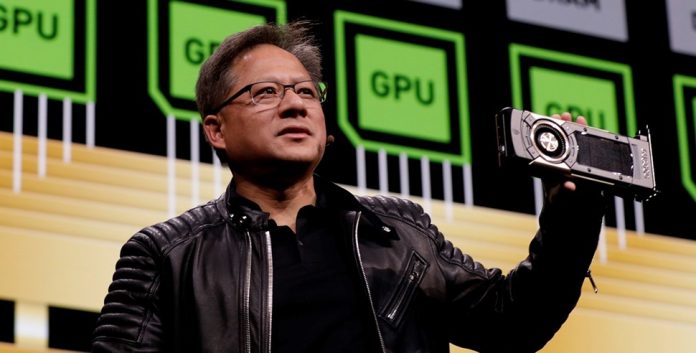
The United States currently leads in foundational AI research, semiconductor design, and advanced AI models. Companies such as OpenAI, Microsoft, Google, and NVIDIA have built a powerful ecosystem that combines research talent, venture capital, and computing infrastructure. Silicon Valley remains a global hub for AI startups, while American universities continue to produce leading AI researchers and breakthroughs.

China, however, approaches AI with a different but equally powerful strategy. Through state-backed funding, massive datasets, and long-term industrial planning, China has accelerated the deployment of AI across surveillance, manufacturing, fintech, and military applications.

Companies like Baidu, Alibaba, and Tencent are deeply integrated into the country’s AI ambitions. China’s advantage lies in scale, centralized coordination, and its ability to rapidly commercialize emerging technologies. Yet the future AI order may not belong exclusively to one nation. The global AI era will likely be shaped by alliances and ecosystems rather than individual countries alone.

Europe, for example, is positioning itself as the leader in AI regulation and digital ethics. The European Union has already introduced frameworks aimed at ensuring transparency, accountability, and responsible AI development. While Europe may lag behind in consumer AI giants, it could shape the legal and ethical standards that govern AI worldwide.

Emerging economies are becoming increasingly important participants in the AI revolution. Nations such as India, United Arab Emirates, and Singapore are investing heavily in AI infrastructure, digital education, and innovation hubs. These countries understand that AI leadership is not solely determined by military power or GDP, but also by adaptability, talent development, and digital transformation.

The private sector will also shape the AI era as much as governments. The most influential AI systems are increasingly being built by corporations with access to immense computational power and proprietary datasets. The companies controlling cloud infrastructure, advanced chips, and large-scale AI models may wield influence comparable to nation-states. This raises important questions about accountability, monopoly power, and the concentration of technological control.

The future of AI will not simply be decided by who creates the smartest machines. It will be determined by who can responsibly integrate AI into society while balancing innovation, ethics, economic growth, and global cooperation. The leaders of the AI age will not only dominate technology markets but also shape the political, cultural, and economic foundations of the modern world. In many ways, the race for AI leadership is really a race to define the future of humanity itself.

Register for Tekedia Capital Markets Masterclass and Mini-MBA Program

0

Greetings! We are excited to share two programs beginning in June and invite you to consider participating:

1. Tekedia Nigeria Capital Market Masterclass
This program is designed to provide a comprehensive understanding of Nigeria’s capital market ecosystem, one of the most important sectors of the nation’s economy. Participants will gain practical insights into how the market functions – from legislation and regulation to technology, market products, infrastructure, core operators, etc.

Delivered by industry experts, the program provides a structured understanding of how the capital market works in practice. The program also includes internship opportunities and is being delivered in partnership with Contisx Securities Exchange Plc, an upcoming securities exchange in Nigeria.

Program Start Date: The eight-week program begins on June 15, 2026. To learn more and register, click here https://school.tekedia.com/course/market/

2. Tekedia Mini-MBA
Our award-winning management and innovation program will begin its 20th Edition on June 8, 2026. The Mini-MBA has become one of Africa’s leading executive education programs, bringing together participants from around the world to learn innovation, growth strategy, business execution, and digital transformation. Early bird discounts are currently available.

To learn more and register, click here https://school.tekedia.com/course/mmba20/

AI Agents on the Solana Blockchain Changing How Decentralized Economies Operate

0

The emergence of AI agents on the Solana blockchain is beginning to reshape how decentralized economies operate, and for the first time, the sector is generating measurable economic output rather than speculative hype alone.

Over the last year, crypto markets have seen countless experiments involving autonomous AI agents capable of trading, posting content, managing liquidity, executing governance decisions, and coordinating onchain activities without direct human intervention.

While earlier iterations of AI-driven blockchain systems were largely theoretical or experimental, recent developments within the Solana ecosystem suggest that autonomous agents are now producing observable economic activity across decentralized finance, creator markets, and automated infrastructure.

The significance of this milestone lies in the transition from narrative-driven speculation to verifiable utility. In previous crypto cycles, many blockchain projects depended heavily on token appreciation and community enthusiasm without demonstrating sustainable productivity. The Solana AI agent economy, however, is beginning to show indicators typically associated with real economic systems: transaction fees, service revenues, liquidity generation, computational demand, and recurring user engagement.

These metrics indicate that AI agents are no longer simply interacting with protocols for testing purposes; they are participating in markets in ways that create measurable value. One of the primary reasons Solana has become a leading environment for AI agents is its technical architecture. The network’s high throughput, low transaction costs, and fast finality make it suitable for machine-speed interactions.

Unlike traditional blockchains where high fees make frequent automated execution expensive, Solana enables autonomous agents to perform hundreds or thousands of micro-transactions efficiently. This allows AI-powered systems to continuously rebalance portfolios, manage decentralized exchanges, optimize yield strategies, and interact with applications in real time. The rise of these autonomous systems has also introduced a new form of digital labor.

AI agents are increasingly functioning as economic actors that can provide services independently. Some agents analyze market sentiment and execute trading strategies, while others generate content, manage online communities, or automate governance participation for decentralized autonomous organizations. In effect, these systems are becoming productive entities within the broader crypto economy. The value they create can be quantified through trading profits, protocol revenue, subscription payments, or transaction volume generated across the network.

Another important development is the emergence of agent-to-agent coordination. Rather than operating in isolation, some AI systems are beginning to interact directly with other autonomous entities onchain.

This creates miniature digital economies where agents negotiate, exchange data, purchase computational resources, or coordinate liquidity management autonomously. Such behavior represents an early version of machine-native commerce, where economic activity occurs between software agents with minimal human oversight. This trend could strengthen the network’s long-term positioning within the blockchain industry.

The platform has already become associated with high-performance decentralized applications, memecoin trading, and consumer-focused crypto products. AI agents introduce an additional layer of utility that could attract developers, capital, and infrastructure investment. If autonomous systems continue generating measurable transaction flow and protocol activity, they may become a major source of sustained network demand.

However, challenges remain. Questions surrounding security, accountability, manipulation, and governance are becoming increasingly important as autonomous agents gain financial influence. Poorly designed AI systems could amplify volatility, exploit vulnerabilities, or create systemic risks within decentralized markets. Regulators may also scrutinize autonomous trading systems and AI-managed financial operations more aggressively in the coming years.

Even with these uncertainties, the measurable economic output emerging from Solana’s AI agent ecosystem marks a pivotal moment for both artificial intelligence and blockchain technology. It suggests that decentralized networks are evolving beyond passive infrastructure into active digital economies populated by autonomous participants capable of producing value independently.