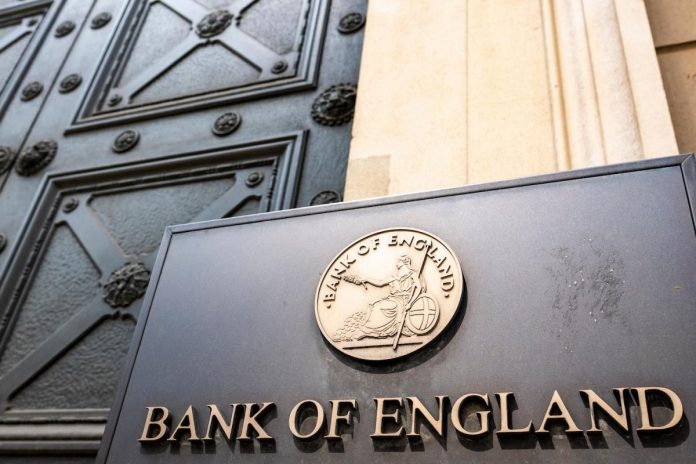
The decision by the Bank of England and the Financial Conduct Authority to launch a joint consultation on tokenized wholesale financial markets marks another major step in the modernization of global finance. As central banks, regulators, and financial institutions increasingly explore blockchain infrastructure, the United Kingdom is positioning itself at the forefront of the transition from traditional financial systems to programmable digital markets.
Wholesale financial markets refer to the large-scale markets where banks, asset managers, insurers, and institutional investors trade securities, bonds, derivatives, and other financial instruments. These markets form the backbone of the global economy, handling trillions of dollars in transactions every day. By introducing tokenization into this environment, regulators are signaling that blockchain technology is no longer viewed as a speculative niche innovation but as a potentially transformative layer for mainstream finance.
Tokenization involves converting traditional financial assets into digital tokens recorded on blockchain networks. These tokens can represent bonds, equities, money market funds, deposits, or other financial instruments. Supporters argue that tokenization can improve efficiency, reduce settlement times, lower operational costs, and enhance transparency across financial markets.
Instead of relying on fragmented legacy systems and lengthy reconciliation processes, blockchain-based systems allow transactions to settle almost instantly while maintaining an immutable audit trail. The consultation launched by the Bank of England and the FCA is particularly significant because it demonstrates a coordinated regulatory approach. Innovation in crypto and digital assets has often outpaced regulation, creating uncertainty for institutions seeking to adopt new technologies.
By proactively seeking industry feedback, UK authorities are attempting to establish a framework that encourages innovation while maintaining financial stability and market integrity. One of the central themes likely to emerge from the consultation is how tokenized assets interact with existing legal and regulatory structures.
Questions surrounding custody, settlement finality, operational resilience, liquidity, and systemic risk remain critical. Regulators must determine whether existing rules can adequately govern tokenized markets or whether entirely new frameworks are required.
This balancing act is delicate: excessive restrictions could stifle innovation, while insufficient oversight could expose markets to instability or abuse. The initiative also reflects intensifying global competition in digital finance. Financial hubs such as Singapore, Hong Kong, and Switzerland have already introduced regulatory sandboxes and pilot programs for tokenized assets.
Meanwhile, major institutions including JPMorgan Chase, BlackRock, and Franklin Templeton have expanded tokenization initiatives involving treasury products, digital deposits, and blockchain-based settlement systems. The UK’s consultation can therefore be seen as part of a broader race among financial centers to shape the next generation of capital markets infrastructure.
The Bank of England has previously explored wholesale central bank digital currency models and synchronized settlement systems. Integrating tokenized assets with trusted forms of digital money could significantly reduce counterparty risk and improve efficiency in large-value transactions. Such developments may eventually redefine how securities are issued, traded, and settled globally. The joint consultation represents more than a technical policy exercise.
It symbolizes a growing acknowledgment that blockchain technology may become deeply embedded within institutional finance. While challenges surrounding regulation, scalability, cybersecurity, and legal certainty remain unresolved, the willingness of UK authorities to engage directly with tokenized market structures suggests that the financial system is entering a new phase of digital transformation.