
DD
MM
YYYY

PAGES

DD
MM
YYYY

spot_img

PAGES

Home Blog Page 600

Shiba Inu Burns vs Avalon X Demand: Which Narrative Moves Price More?

0

Shiba Inu (SHIB) has been one of the top meme coins for years due to its huge popularity and ongoing SHIB Burn effort. As of now, Shiba Inu coin price is  $0.00001224, down 0.4% in the last 24 hours with a market cap of $7.21 billion. The last 24 hours’ trading volume stands at $215.8 million, a small gain of 0.33%.

However, what investors are left to ponder is if hype burns can compare to project-supported, real-world asset demand from projects like Avalon X (AVLX).

Shiba Inu Coin Price Prediction: A Community-Focused Strategy

The SHIB burn saga has been the most reliably persistent grassroots push in crypto. Burning tokens systematically, Shiba Inu token holders are trying to limit supply and, eventually, drive the coin price up. The paradigm has created passion and dedication but is very speculative in character.
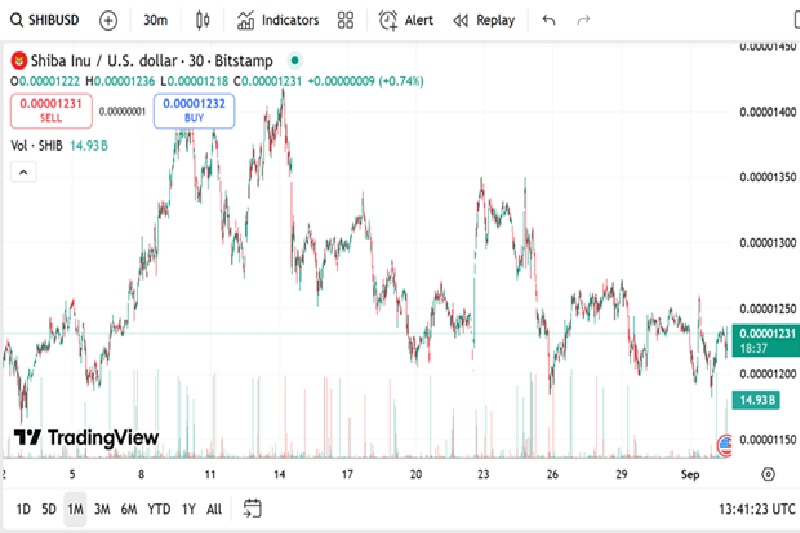
Source: Tradingview

While certainly fueling community sentiment, however, SHIB Burn doesn’t necessarily alter Shiba Inu’s lack of utility outside of the digital realm. To support price action on a sustainable basis, there are many investors who feel more tangible use cases are needed along with mere supply destruction.

Avalon X Demand: Utility Meets Real Estate

In contrast, Avalon X (AVLX) presale demand is rising. Backed by Grupo Avalon’s close to $1 billion Dominican Republic real estate project pipeline, Avalon X connects blockchain to tangible, income-producing property. Unlike meme coins, its token price mirrors property developments with established demand.

By tokenizing high-end property, Avalon X demand provides solo investors with a window into the $379 trillion real estate market — a field previously reserved for institutions. This connection to physical value differentiates Avalon X from strictly speculative proposals such as the SHIB Burn.

Massive One Million AVLX Giveaway

Avalon X is beginning with a history-making $1 million giveaway and townhouse in the gated Eco Avalon development, not as hype but to give something back to the community. This act puts AVLX in the spotlight as a project that is interested in inclusivity and transparency.

Eco Valley Townhouse Giveaway

The giveaway helps engage investors in and make them emotionally invested in the project cause. By paying back early supporters, Avalon X gains attention while at the same time creating a sense of shared ownership.

Security Backed by CertiK

Avalon X presale has also gone one step further than the majority by getting their smart contracts audited by the most prominent name in blockchain security, CertiK. The extra security feature suggests that the team is not just jumping the bandwagon—it’s developing for the long run.

In a time when most presales go up in flames, Avalon X is different by virtue of the CertiK seal. Investors do not have to worry that AVLX is built on shaky ground.

SHIB Burn or Avalon X Demand: Investor Takeaway

SHIB Burn remains a mainstream crypto cultural movement, but its influence is limited to supply-side forces. Avalon X demand is motivated by real-world utility and incentive-driven investment — creating a twin engine for sustained growth.

While SHIB will continue to expand as a meme token community, investors are moving to projects rooted in demand for real assets. Comparing the two puts things into perspective: Avalon X demand has a stronger sustainable, utility-driven narrative than the SHIB Burn model.

The Bottom Line: Which Story Wins in 2025

Both SHIB and Avalon X expose two aspects of crypto investing — the community-imposed scarcity and the real-world demand. Whereas the SHIB Burn may keep the anticipation going, Avalon X demand is keeping pace with the fate of crypto markets, whereby engagement with the real economy is at the core.

Investors who prioritize utility over hype will see Avalon X not merely as a presale opportunity but as an entry point into a crypto backed by real world assets. In 2025, that vision may outshine the short-lived buzz of meme coins.

Join the Community

Website: https://avalonx.io

$1M Giveaway: https://avalonx.io/giveaway

Telegram: https://t.me/avlxofficial

X: https://x.com/AvalonXOfficial

Building Brand Buzz Like Casino Drops Do

0

Online casinos have learned how to hype. Each and every launch, each and every promotion, each and every limited-time drop is created to capture attention, generate a buzz, to bring players back. To creators and community managers, these campaigns provide a playbook on how to transform a casual interest into buzz that is here to stay. The lessons can be learned in the gambling world, but the strategies used are applicable far beyond it.

How Online Casino Launches Capture Attention

Casinos know that excitement doesn’t happen by accident. From quick promotions to flashy visuals, they build entire campaigns around urgency, reward, and participation. Fast-withdrawal platforms highlighted By PokerScout show how speed and satisfaction reinforce trust, which is why players stick around. Creators and community managers can tap into these same ideas by building moments that feel rewarding and shareable; they can create movements that grow naturally.

Buzz Techniques from Online Casino Launch Campaigns

Time-Sensitive Offers

Casinos thrive on deadlines. A banner that reads 24 hours left to claim is not an ad it is a call to action. That clock creates a sense of urgency and FOMO, and players would not want to wait. With creators, the same strategy applies to flash sales, special live events, or early access material, which vanishes after a limited time period. Telling people they have limited seats in a webinar or that there are only a few days left to enroll in a course makes them value your offer because when you say limited days, they know you are telling the truth.

Game-Specific Incentives

Casinos also know how to target interests. A promotion tied to a $100K poker tournament doesn’t speak to everyone, but it hooks poker fans instantly. This focus draws in the exact crowd most likely to engage deeply. Community managers can do the same by tailoring campaigns to specific audience groups. If you run a creative community, release rewards tied to a niche challenge. If your brand has multiple products, spotlight one with a unique bonus. The narrower the focus, the stronger the connection with the people who care about it most.

Interactive Elements

A spin of the wheel or a mystery box is irresistible because it asks players to take part. The interaction builds anticipation and keeps attention longer than static offers. For brands, this translates into polls, quizzes, or reward unlocks where the audience is actively involved. A creator running a newsletter might add a “choose your bonus” option for subscribers. A community manager might gamify engagement with a leaderboard or raffle. The more people feel like participants, the more invested they become in the outcome.

Dynamic Visuals

Bright colors, spinning coins, and glowing roulette wheels aren’t there by accident. They signal excitement and luxury, catching the eye before the mind even processes the message. Creators can borrow this by using strong design cues that reflect their brand’s energy. Community managers can also theme their visuals around events, making them feel distinct from everyday content.

Motivating Texts

Casino campaigns speak directly to rewards: “Spin and win” or “Grab your bonus now.” The message is clear, short, and benefit-driven. Creators and managers should cut through fluff in the same way. Instead of vague copy like “explore new features,” say “save two hours a day with this update.” Replace “join us” with “claim your spot.” Simple, direct text that highlights the benefit makes people act faster because they understand exactly what’s in it for them.

Social Proof

Seeing other players win makes new players want to join. That’s why casinos highlight testimonials, screenshots of wins, and active leaderboards. People trust what others validate. Creators can use the same principle with customer stories, user-generated content, or public shoutouts. Community managers can spotlight active members, celebrate milestones, or share feedback in real time. When people see that others are already enjoying the experience, the buzz feels authentic rather than manufactured.

Influencer Collaboration

Influencers and streamers give casino ads a human touch and transform an otherwise non-personalized offer into a personalized one. Their fans are there not only to watch the game but also because they trust them. Similar partnerships can be used by creators and brands that are not involved in gambling. Partner with voices that your audience already admires, be it experts in a niche, micro-influencers, or celebrities. The borrowed credibility will carry your campaign even further, and the influencer will gain something to deliver to his or her community that is exciting.

Drops Campaigns

Few tactics match the thrill of random drops. Surprise in-game rewards or pop-up bonuses at unexpected times keep players engaged long after launch. They feel valued because something extra shows up when they least expect it. Creators and managers can use drops by sending surprise gifts to subscribers, unlocking hidden content, or rewarding loyal members at random. Add a leaderboard or friendly competition, and you give people both a reason to stay and a reason to talk about it.

Building Sustainable Brand Excitement

The reason casino campaigns work so well is simple: they make people feel like they’re part of something bigger. Every spin, every deadline, every reward is designed to build anticipation and keep conversations going. When creators and community managers apply the same principles, they can build communities that buzz with energy, not just for one event, but over the long term.

Improving Your Knowledge on Human Body & Performance: 6 Points to Consider

0

The human body is a complex machine that operates through an intricate system of interrelated components. Understanding how these systems work can dramatically impact physical performance, health, and overall well-being. Knowledge about the body enhances athletic ability and contributes to better lifestyle choices and injury prevention. To delve deeper into this fascinating subject, here are six key points to consider.

Understanding Anatomy and Physiology

A comprehensive knowledge of anatomy and physiology is fundamental to maximizing human performance. Anatomy refers to the structure of the body, including muscles, bones, joints, and organs. Conversely, physiology explores how these anatomical components function and interact during physical activity. Gaining insights into muscle fiber types can inform training decisions. Slow-twitch fibers are tailored for endurance, while fast-twitch fibers are designed for explosive strength. Learning about these variations can help individuals tailor their training programs for desired outcomes.

A thorough grasp of joint mechanics can aid in identifying proper movement patterns, leading to more effective and safer exercise. Those who study or work within the fitness industry, such as trainers or coaches, will find this knowledge invaluable. Resources available through options like Brookbush Institute can provide exploration into these crucial aspects of human performance. Without a robust understanding of these concepts, individuals may struggle to progress in their fitness journey.

The Role of Nutrition in Performance

Nutrition plays an important role in enhancing physical performance and recovery. The body requires a variety of nutrients to function optimally, including carbohydrates, proteins, fats, vitamins, and minerals. Carbohydrates serve as the primary fuel source during high-intensity exercise, while proteins are important for muscle repair and growth. Proper hydration is important, as even mild dehydration can lead to decreased performance and increased risk of injury.

Identifying the right balance of macronutrients to support specific training regimens can significantly affect performance. Individuals may benefit from consulting with nutritionists or dieticians to develop personalized meal plans optimized for their goals. Understanding how the timing and composition of meals affect energy levels can enhance performance. Eating strategically before and after workouts can lead to improved recovery and muscle synthesis.

The Importance of Recovery

Recovery is just as crucial as the training itself for optimal performance. During exercise, muscles undergo stress and micro-tears that need time to heal. Failure to allow adequate recovery can lead to overtraining, diminishing returns, and potential injury. Various recovery methods can enhance muscle repair, including sleep, active recovery, and mobility work. Quality sleep supports the body’s natural recovery processes by promoting hormone regulation and muscle repair.

Incorporating techniques such as stretching, foam rolling, and active recovery workouts can facilitate circulation and alleviate muscle soreness. Psychological recovery is another key aspect often overlooked. Stress management techniques, such as mindfulness or meditation, can help athletes maintain a healthy mindset amidst the pressures of performance.

The Impact of Biomechanics

Biomechanics involves the study of movement and the mechanics of body parts. Understanding principles of biomechanics can greatly aid individuals in improving their performance while minimizing the risk of injury. Analyzing running technique can help identify inefficient movement patterns that may lead to injuries. Knowledge of proper body alignment and biomechanics is critical for activities involving complex movements, such as weightlifting or gymnastics.

Comprehensive assessments can pinpoint areas of improvement and provide tailored training programs focusing on effective movement patterns. Engaging in practices that promote efficient biomechanics can enhance power and endurance while safeguarding against common injuries.

The Significance of Mental Training

Mental training plays a monumental role in enhancing performance. Psychological resilience, focus, and motivation are integral components that can sway performance outcomes. Strategies like visualization, goal-setting, and positive self-talk can strengthen an athlete’s mental fortitude and determination. Practicing mental strategies consistently can help athletes cope with competition pressures and stay committed to their training goals.

Acknowledging the interplay between mental and physical aspects of performance leads to more comprehensive training experiences. The ability to shut out distractions and maintain concentration during competitions is often what separates successful athletes from their less accomplished counterparts. The journey toward peak performance clearly recognizes the intertwining of body and mind.

Staying Informed and Continuous Learning

To continuously improve performance, staying informed about the latest research, techniques, and technologies is important. The fitness landscape is ever-evolving, with new insights emerging consistently and informing better training practices. Workshops, seminars, and online courses offer educational opportunities for athletes and trainers alike.

Embracing continuous learning equips individuals with tools and knowledge to adapt and modify their programs based on research findings. Following credible sources, like specialized fitness organizations and institutions, can enhance understanding of best practices and cutting-edge methods.

Understanding the human body and its performance factors is a multifaceted approach that requires commitment and ongoing education. This knowledge empowers individuals to design well-rounded training programs, optimize nutrition, prioritize recovery, and remain mentally resilient. By embracing each of these components at a fundamental level, athletes and fitness enthusiasts alike can enhance their performance and enjoy a healthier lifestyle.

CFTC Greenlights Polymarket to Relaunch U.S. Operations

0

The U.S. Commodity Futures Trading Commission (CFTC) issued a no-action letter, allowing Polymarket to relaunch its crypto-based prediction market operations in the United States after a three-year hiatus.

This approval marks a significant regulatory milestone for the decentralized finance (DeFi) sector, enabling Polymarket to operate under the regulatory framework of QCX, a CFTC-licensed derivatives exchange acquired by Polymarket for $112 million in July 2025. The no-action letter exempts Polymarket from certain swap data reporting and recordkeeping requirements, facilitating its return to the U.S. market without facing enforcement actions for non-compliance with these specific obligations.

This development follows Polymarket’s earlier challenges, including a $1.4 million fine and a cease-and-desist order from the CFTC in January 2022 for operating unregistered event-based binary options contracts. The platform had been barred from offering services to U.S. customers since then.

The recent approval reflects a broader shift in U.S. regulatory attitudes toward crypto and prediction markets, with the CFTC and Securities and Exchange Commission (SEC) showing increased openness to digital asset trading. Polymarket’s CEO, Shayne Coplan, praised the CFTC for its swift action, noting the process was completed in “record timing.”

The relaunch is bolstered by strategic moves, including an investment from 1789 Capital, a venture fund backed by Donald Trump Jr., who also joined Polymarket as an advisor. This approval positions Polymarket to compete with platforms like Kalshi and capitalize on growing interest in prediction markets for political, economic, and cultural events, potentially reshaping the DeFi and fintech landscapes in the U.S.

However, the no-action relief is conditional and does not exempt Polymarket from other regulatory requirements, such as anti-money laundering (AML) or know-your-customer (KYC) obligations, and state-level regulations may pose additional challenges.

The no-action letter signals a more permissive regulatory stance toward decentralized finance (DeFi) platforms, potentially paving the way for other crypto-based prediction markets to gain approval. This could encourage innovation in the DeFi sector, as platforms see a clearer path to compliance within the U.S.

Polymarket’s return to the U.S. market, facilitated by its acquisition of the CFTC-licensed QCX exchange, allows it to tap into a large user base interested in prediction markets for events like elections, economic indicators, and cultural outcomes. This could drive significant user growth and trading volume, positioning Polymarket as a leader in the sector.

The approval intensifies competition with other prediction market platforms like Kalshi, which also recently received CFTC approval for similar activities. This could lead to innovation, better user experiences, and potentially lower costs for participants, but it may also spark pricing wars or market saturation.

Prediction markets, often seen as more accurate than polls for forecasting events like elections, could gain mainstream traction in the U.S. With Polymarket’s high-profile backing, including from figures like Donald Trump Jr., these platforms might influence public discourse or be leveraged for political and economic insights, raising concerns about manipulation or bias.

While the no-action letter exempts Polymarket from certain reporting requirements, it must still navigate other federal regulations (e.g., AML/KYC) and varying state-level rules. This could limit its operational flexibility or increase compliance costs, potentially affecting smaller players in the market differently.

The CFTC’s decision reflects growing acceptance of crypto-based financial products, which could boost investor confidence and mainstream adoption of cryptocurrencies. It may also encourage other regulators, like the SEC, to clarify their stance on similar platforms, reducing uncertainty in the crypto space.

As a decentralized platform built on Polygon, Polymarket’s U.S. approval could set a benchmark for other jurisdictions, influencing global regulatory approaches to prediction markets and DeFi. However, it may also prompt stricter oversight in regions wary of crypto’s unregulated nature.

The conditional nature of the no-action relief means Polymarket must adhere strictly to CFTC terms. Any misstep could lead to regulatory backlash, as seen in its 2022 fine, potentially undermining confidence in the platform or the broader DeFi sector.

Overall, this move strengthens Polymarket’s position, fosters DeFi innovation, and enhances the role of prediction markets in the U.S., but it also underscores the complex regulatory landscape that crypto platforms must navigate.