


Notes: Tekedia Institute has added more certificate tracks for capstone; click for them here. The N75 billion Nigeria survival fund presentation (pdf) here and here. Tekedia LIVE Tuesday| 7pm-8pm | Business Process & Leadership – Ayodeji Oyebola, Saint Mary’s | Zoom link Thursday | 11am – 12noon | General – Ndubuisi Ekekwe | Zoom Link Saturday […]
Week 9 Session
Notes: Tekedia Institute has added more certificate tracks for capstone; click for them here. The N75 billion Nigeria survival fund presentation (pdf) here and here. Tekedia LIVE Fri | 7pm-8pm | Internal Auditing Strategy for SMEs – Abel Osuji, Afreximbank | Zoom Link Saturday | 11am – 12noon | General – Ndubuisi Ekekwe | Zoom Link […]
Week 6 Session
Notes: Tekedia Institute has added more certificate tracks for capstone; click for them here. The N75 billion Nigeria survival fund presentation (pdf) here and here. Tekedia LIVE Fri | 7pm-8pm | Internal Auditing Strategy for SMEs – Abel Osuji, Afreximbank | Zoom Link Saturday | 11am – 12noon | General – Ndubuisi Ekekwe | Zoom […]
The Vice President’s Meritocracy Sermon
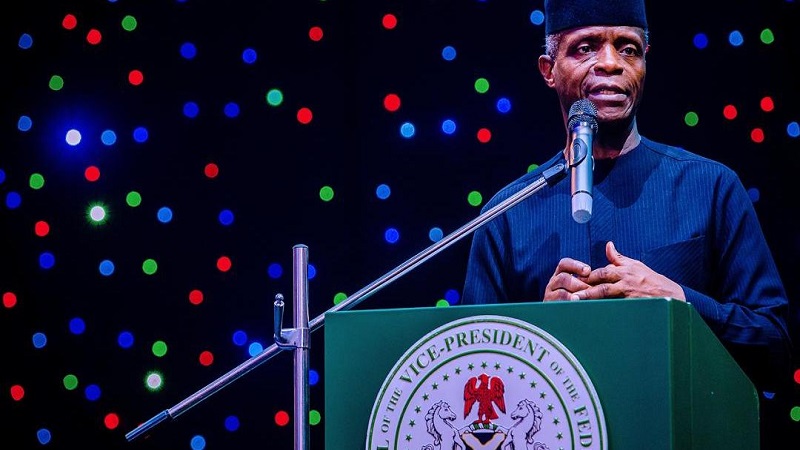
“Meritocracy is crucial in an economically viable value system because it rewards talent and enterprise. And it is talent and enterprise that would drive sustainable growth,” Vice President of Nigeria, Yemi Osinbajo.
I will simply add: Mr. Vice President, make this happen. It is five years now and we are still waiting for you on this matter. We know the problems – and we desperately want solutions.
Nigeria’s desire and pursuit of economic growth and sustainable development is best achieved through the adoption of merit as a national value, according to Vice President Yemi Osinbajo.
The Vice President made the remarks in a keynote address delivered at the Nigeria Leadership Initiative (NLI) webinar series themed: “A National Conversation on Rebuilding our National Values System”.
“Meritocracy is crucial in an economically viable value system because it rewards talent and enterprise. And it is talent and enterprise that would drive sustainable growth,” Mr Osinbajo affirmed.
Stressing the point about the importance of merit to sustainable growth, the vice president said, “Economic growth rests upon the substructure of values. The basis of the entire credit system as we know it, is trust. Indeed, the word credit is derived from the Latin word “credere” —to believe or to trust. For a credit facility to be extended to a person, trust is placed in the borrower and his or her willingness and ability to repay.
A young lady reported here how she made a First Class in a university in the South South region of our nation but because she came from the South West, the school bypassed her and gave the graduate assistantship job to someone who finished below her. How do we expect her to believe in Nigeria that we are fair? But her case is not isolated. From how we choose leaders in schools and offer opportunities to our young people, Nigeria is running a dangerous playbook.
I wrote a few days ago, noting that the indigenization of key positions in federal universities in Nigeria is the new order. Yes, being a Yoruba man is not enough in UI; it has to be an Ibadan man. Being an Igbo man does not cut it in UNN, he must be an Nsukka man. And being an Hausa Fulani cannot qualify unless the man is from Zaria for ABU. Too bad that I am using “man” because yes, in nearly 99% of these races, our female professors are overly marginalized.
To make her believe, Mr. Vice President has an obligation to begin to change this evil through policies over just giving speeches. He might have enjoyed a fair merit-based system in his time. I did while in FUTO. We need to fix this lack of merit in the Nigerian system, urgently; now is the time for action.
How I spent 6 years getting a degree but never regretted it – Mariam Olayiwola
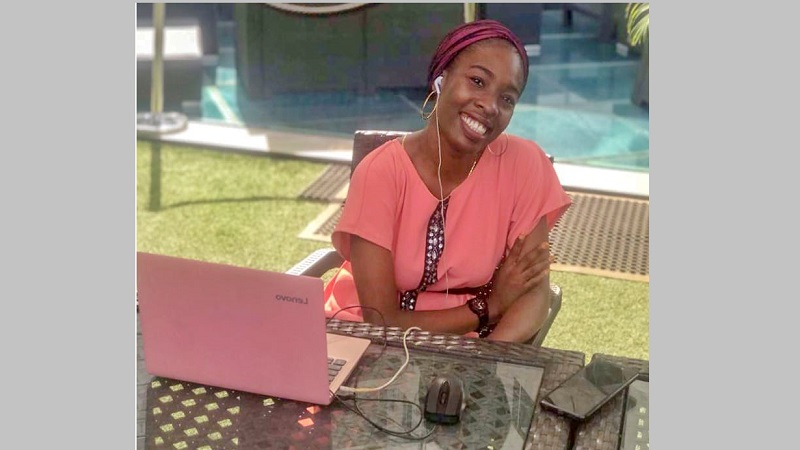
Her story is an amazing one. It simply demonstrates resilience and the need to find one’s purpose early in life. It also captures the essence of self discovery. As an undergraduate, she had to move from Biochemistry in natural sciences to Mass Communication in the social sciences. Consequently, she had to lose about three year because she had to start from 200 Level after having got to 300 Level in her previous course of study so as to get a degree in a course she has demonstrated passion for. Today, she is happy as her decision has paid off. She has changed jobs twice when millions are finding it hard to find one. Meet Mariam Olayiwola in this chat with Rasheed Adebiyi where she talks about her journey so far.
Tekedia: Could you tell us about yourself?
Mariam Olayiwola: My name is Mariam Omomolade Olayiwola, a Millennial striving to do things differently and creating magic in this world. I am a digital strategist, content curator, social media manager and a bunch of other things media related.
Tekedia: We learnt you spent six year in the university before you eventually graduated. What happened?
Mariam Olayiwola: Moving from Biochemistry to Mass Communication was born out of my interest in media and communications after I joined a campus journalism group in school. I started finding myself and my interests after I had started Biochem, and it was hard to deviate from the things I actually loved. My interest in media kept growing and the bad grades in sciences were discouraging me from continuing the course. I just had to opt out.
Tekedia: How does it feel having to go some years back before you graduated?
Mariam Olayiwola: Losing some years was inevitable due to the disparity in the two courses. I already weighed my options and thought it made more sense to lose two years and be fulfilled rather than continue with my worst nightmare and be miserable.
Tekedia: Looking back now, how do you feel about that decision to move from the sciences to the social sciences?
Mariam Olayiwola: Getting a Mass Communication degree is the best thing I’ve done for myself. I can say I wouldn’t have been more useful for myself if I had continued with Biochemistry, and I wouldn’t be happier. For me, my happiness is paramount, and that, I get from my career.
Tekedia: Any takeaway for parents and young undergraduates about choice of career and course of study?
Mariam Olayiwola: It’s odd to give parents advices, because I’ve never parented before. But I’ll like to say my experience has thought me that it’s important to allow people follow their heart and chase their dreams. It’s also very important not to decide for people millennials especially). Our generation is a very complex one, and it is highly different from the previous generation. Therefore, let people find themselves, chase their dreams and make their career decisions themselves. Doing things differently is one thing that keeps Millennials going, and for me, doing things differently saved me. For young undergraduates, I was like you a few years ago, but I distinguished myself by trying my hands on everything positive that could make me relevant. It’s not too early to start creating magic.
Tekedia: Your advice for youths in any educational system that is finding it hard to see clarity and purpose in their life journey?
Mariam Olayiwola: Finding purpose doesn’t happen overnight. I think it’s one of the hardest things about life because sometimes you think you have found your purpose and you still find yourself gallivanting about. Try your hands on the things you love and you naturally find yourself doing. I believe most times, our career paths are born out of hobbies, talent and passion. Do some mental exercises, find these things and develop your interest in them. Finally, back it up with some form of spirituality. I mean you have to pray as well.
Tekedia: Thank you for your time.
Mariam Olayiwola: It’s my pleasure.