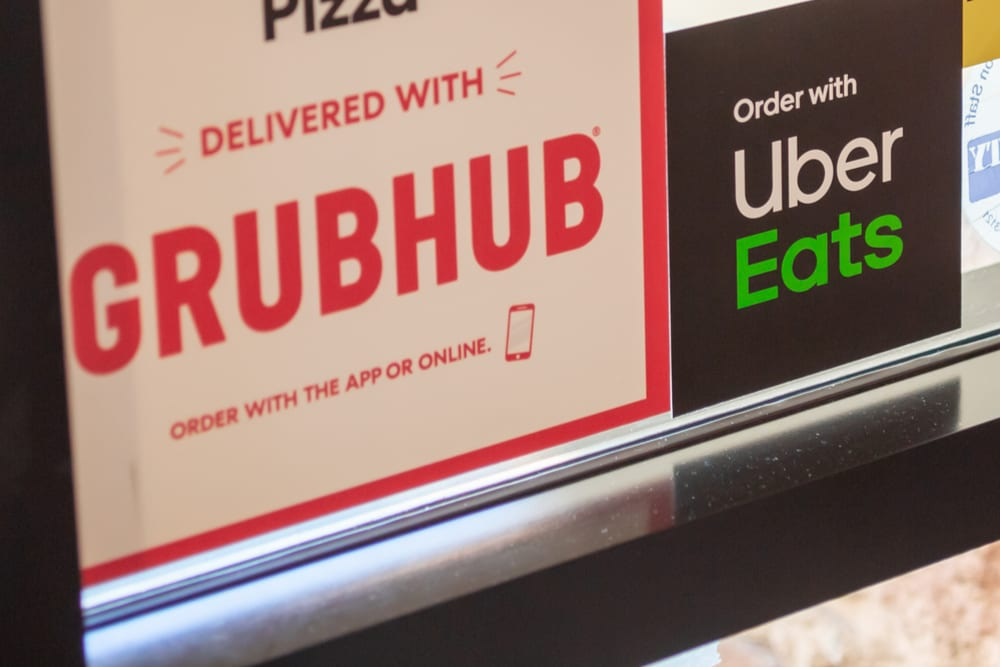
Last week, Uber lost out on the much anticipated deal that would have seen the biggest consolidation of eatery business in the United States. Uber has been in acquisition talks with GrubHub as it pushes to augment losses being incurred as a result of COVID-19 induced lockdowns.
The ride-hailing company failed to reach a deal with GrubHub due to price and regulatory concerns, according to people familiar with the matter.
Consequently, GrubHub turned attention to European Just Eat Takeaway, and the duo reached a takeover deal valued at $7.3 billion. Just Eat Takeaway said it would value GrubHub at $75.15 per share, and GrubHub’s founder and chief executive Matt Maloney will join Just Eat Takeaway’s board to oversee the business in North America.
Just Eat Takeaway confirmed in a release that “it is in advanced discussion with GrubHub regarding an all-share combination of Just Eat Takeaway.com with GrubHub.”
The development is a big blow to Uber that is hoping the acquisition would narrow competition and give it an edge in the United States food market. Uber and Grubhub are domestic rivals, and both have been struggling recently even in the face of online food delivery surge masterminded by the coronavirus pandemic.
Uber’s shares dropped 5% on the news that it lost the deal to European rival. The American ride-hailing giants backed out of the deal as many US senators started showing interest over antitrust concerns. Last month, Sens. Richard Blumenthal, Amy Klobuchar, Patrick Leahy and Patrick Booker had urged responsible agencies to investigate the deal.
Klobuchar said in a statement that the US doesn’t need another merger that could squelch competition.
“I have repeatedly raised concerns and advocated against a potential merger between Uber and GrubHub. During this pandemic, when millions are out of work and many businesses are struggling to stay afloat, our country does not need another merger that could squelch competition. News that the Uber/Grubhub deal may not materialize would be good for both consumers and restaurants,” he said.
Uber and GrubHub had previously agreed on a stock ratio of 1.925 Uber shares per share of GrubHub, but regulatory concerns posed a challenge to the deal.
The fear that Uber/GrubHub merger would cripple competition and throw others in the market out of business spurred the lawmakers to push for investigation.
The online food delivery is an existential threat to local restaurants and COVID-19 pandemic aggravated the already bad situation as lockdowns compelled those who eat out to order foods online as most restaurants remain shut. The news that the merger deal between Uber and GrubHub failed would have brought a great relief to local restaurant owners and politicians.
Earlier, Klobuchar and other senators had written to the antitrust agencies expressing this concern.
“As our country grapples with the many health and safety challenges brought about by the coronavirus (COVID-19) pandemic, many consumers have turned to food delivery apps to order meals online, and many restaurants have come to rely on the business they get through these apps to stay afloat,” the senators wrote.
They added that “a merger of Uber eats and GrubHub would combine two of the three largest food delivery application providers and raise serious competition issues in many markets around the country.”
Uber’s failure to close the GrubHub’s deal has dealt a further blow to its dwindling services. With life yet to return to normal, the hope of generating revenue from ride-hailing services is still far from reality. Uber said it will continue to look out for other merger deals; however, its investors’ confidence has been dampened by the recent event as anxiety over its increasing losses grows.
However, while the failed merger deal between Uber and GrubHub hurts the ride-hailing company’s chances of recovery from the economic spikes of COVID-19, it offers a lifeline to local restaurants that would have been heavily impacted by the resultant dominance.
Restaurants in many US states are only allowed to do takeout and delivery as part of measures to curtail the spread of coronavirus amidst the increasing dominance of the likes of Uber Eats and Grubhub. Restaurants owners were wary that a successful merger by two American companies would monopolize the eatery market, and eat out restaurants will be at the receiving end.
According to data from Second Measure, GrubHub held 30% of the US meal delivery while Uber held 20% as of October last year raising concern that a consolidation would put a further strain on restaurants.
Many states in the United States put a cap on delivery services as the pandemic shut restaurants out, to ease pricing concerns in the near term.