DD
MM
YYYY

PAGES

DD
MM
YYYY

spot_img

PAGES

Home Blog Page 64

“Remember Me”: The Lessons from Joseph On Career Elevation

0

He was betrayed by his own brothers, sold into slavery, and eventually thrown into prison. Yet even in confinement, Joseph deployed his gifts. Two of Pharaoh’s servants had troubling dreams, and Joseph interpreted them, a pro bono service, freely offered, yet delivered with excellence. But he also did something profoundly strategic: he asked one of them, “When it is well with you, remember me.” Yes, “remember me” is the vital phrase, not just accepting his “Thank you”.

Time passed, and Pharaoh himself had a dream no astrologer, sage, or thinker could decode. Then the freed servant remembered Joseph: “A young Hebrew interpreted our dreams…and everything happened exactly as he said.” Pharaoh sent for Joseph, and destiny opened.

There are deep lessons here:

(1) Joseph used unpaid work to showcase capability. He added value before he was paid for it.

(2) Joseph was intentional about being remembered. His request was clear: “Mention me to Pharaoh.” He understood that greatness requires both competence and advocacy. And that is the core wisdom: until people can recommend you in your absence, certain elevations will never come. Joseph was still in jail, but a good word spoken in the right room brought him before the king.

So ask yourself: How many times have you asked colleagues, supervisors, or partners, not just to thank you for a job well done, but to remember you when opportunities arise? These days we say “do not mention”, a nonsensical idiomatic way of saying forget I helped!

In my family here, when we rise in the morning, we pray: “Oh Lord, as You send Your angels on assignment today, REMEMBER us. Qualify us for them to remember us. Let Your blessings locate us in the day and in the night. Our hands are lifted up, and by thy grace, we do not stand as strangers before You. Remember us”.

Amazing grace as you ask someone to REMEMBER you. No great career can be unlocked until people can remember and recommend you in your absence. Happy Sunday.

U.S. Plans to Rapidly Revive Venezuela’s Oil Output by Harnessing Chevron and Major Service Firms

0
chevron oil tanker
chevron oil tanker

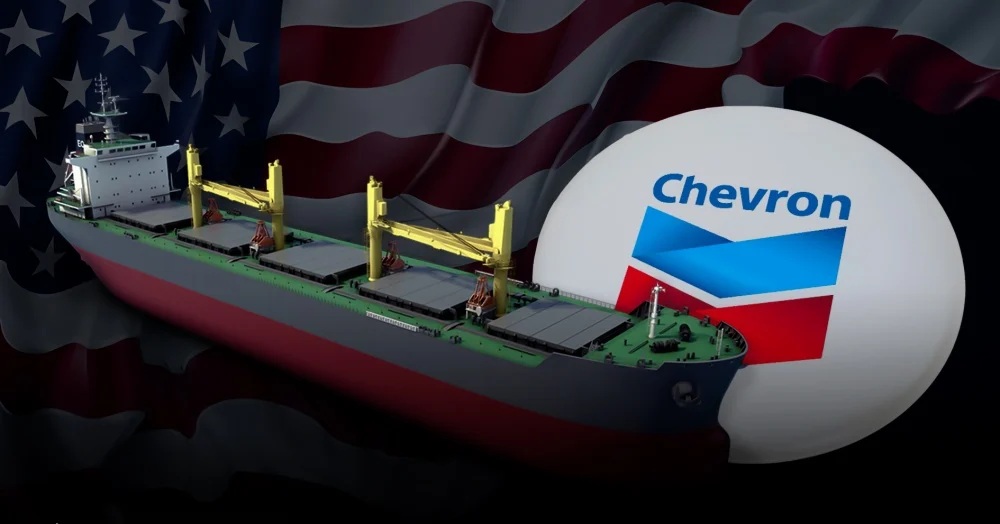
The United States is in active discussions with Chevron and other major oil producers and service providers about a fast-track plan to increase Venezuela’s crude oil production.

This move underscores how energy policy, geopolitics, and economics are converging following the dramatic shift in power in Caracas.

Senior U.S. officials told Bloomberg News that Washington has explored deploying American oilfield service heavyweights, including SLB, Halliburton, and Baker Hughes, to repair and replace Venezuela’s aging equipment and refresh older drilling sites. With limited but targeted investment, officials believe Venezuela could lift crude output by several hundred thousand barrels per day in the short term, as modern U.S. equipment and techniques could quickly bring existing wells back online and unlock incremental production within months.

The discussions come against the backdrop of President Donald Trump’s renewed emphasis on boosting Venezuelan oil production after the capture and removal of long-time leader Nicolás Maduro. Trump said on Friday that U.S. oil companies would soon begin drilling in Venezuela, making clear his desire to restore output in a country that holds some of the world’s largest proven crude reserves. Venezuela’s reserves are estimated at more than 300 billion barrels, but years of mismanagement, corruption, sanctions, and chronic underinvestment have left its oil industry a shadow of its former self.

At its peak in the early 2000s, Venezuela produced as much as 3.5 million barrels per day. By late 2025, output had fallen below 1 million barrels per day, depriving the country of its main source of foreign currency and contributing to a prolonged economic collapse. Reviving Venezuelan crude production offers Washington a strategic opportunity to reshape global energy flows, bolster supply, and deepen U.S. influence in Latin America at a time of heightened competition with China and Russia.

Chevron is central to the plan because it is the only major U.S. oil company that never fully exited Venezuela. Operating under a sanctions waiver, Chevron has been producing roughly 240,000 barrels per day through joint ventures with state-owned PDVSA. Its existing infrastructure, workforce, and relationships put it in a unique position to scale up production more quickly than other international firms if political and regulatory conditions allow. Energy analysts say Chevron’s footprint could serve as the backbone for a broader U.S.-led effort to stabilize and expand Venezuelan output.

Oilfield service companies would play an equally critical role. SLB has previously said it could rapidly boost operations in Venezuela with the right licenses and commercial protections in place, noting that it has maintained a local presence despite years of constraints. Halliburton has also signaled interest in returning more aggressively to the country, though executives have stressed the need for clear payment mechanisms and legal safeguards. Baker Hughes, while less publicly vocal, has been included in discussions aimed at upgrading outdated infrastructure and restoring production capacity that has been offline for years.

The renewed push, however, is not without complications. U.S. sanctions remain a key constraint, and while Washington has shown greater flexibility in recent years, the legal framework governing foreign participation in Venezuela’s oil sector is still evolving. The Venezuelan National Assembly has been debating reforms that would reduce state dominance, expand the role of private operators, and strengthen investor protections, including access to international arbitration. Whether those reforms will be fully implemented and respected remains an open question for companies weighing large capital commitments.

There is also lingering caution among U.S. energy firms after years of asset seizures and contract disputes under previous Venezuelan governments. Even with political backing from Washington, many companies remain wary of committing billions of dollars without long-term guarantees on ownership rights, revenue repatriation, and regulatory stability. Analysts note that near-term production gains from refurbishing existing wells are feasible, but restoring Venezuela’s oil industry to even a fraction of its historical capacity would require sustained investment running into tens of billions of dollars.

Still, the potential upside is significant. Incremental Venezuelan barrels could help ease global supply pressures, influence OPEC+ dynamics, and provide U.S. refiners with greater access to heavy crude well-suited to Gulf Coast facilities. Strategically, a revived Venezuelan oil sector under partial U.S. influence would mark a major shift in hemispheric energy politics and reduce the space for rival powers to deepen their foothold in the country.

In the near term, U.S. officials see the effort as a pragmatic attempt to deliver quick wins by applying modern technology to a system long starved of capital and expertise. In the longer term, the success of the strategy will depend on whether Venezuela can offer the political stability, legal certainty, and governance reforms needed to sustain a lasting recovery of its oil industry.

Singapore Commits over S$1bn to Public AI research as Global race for Talent and Compute Intensifies

0

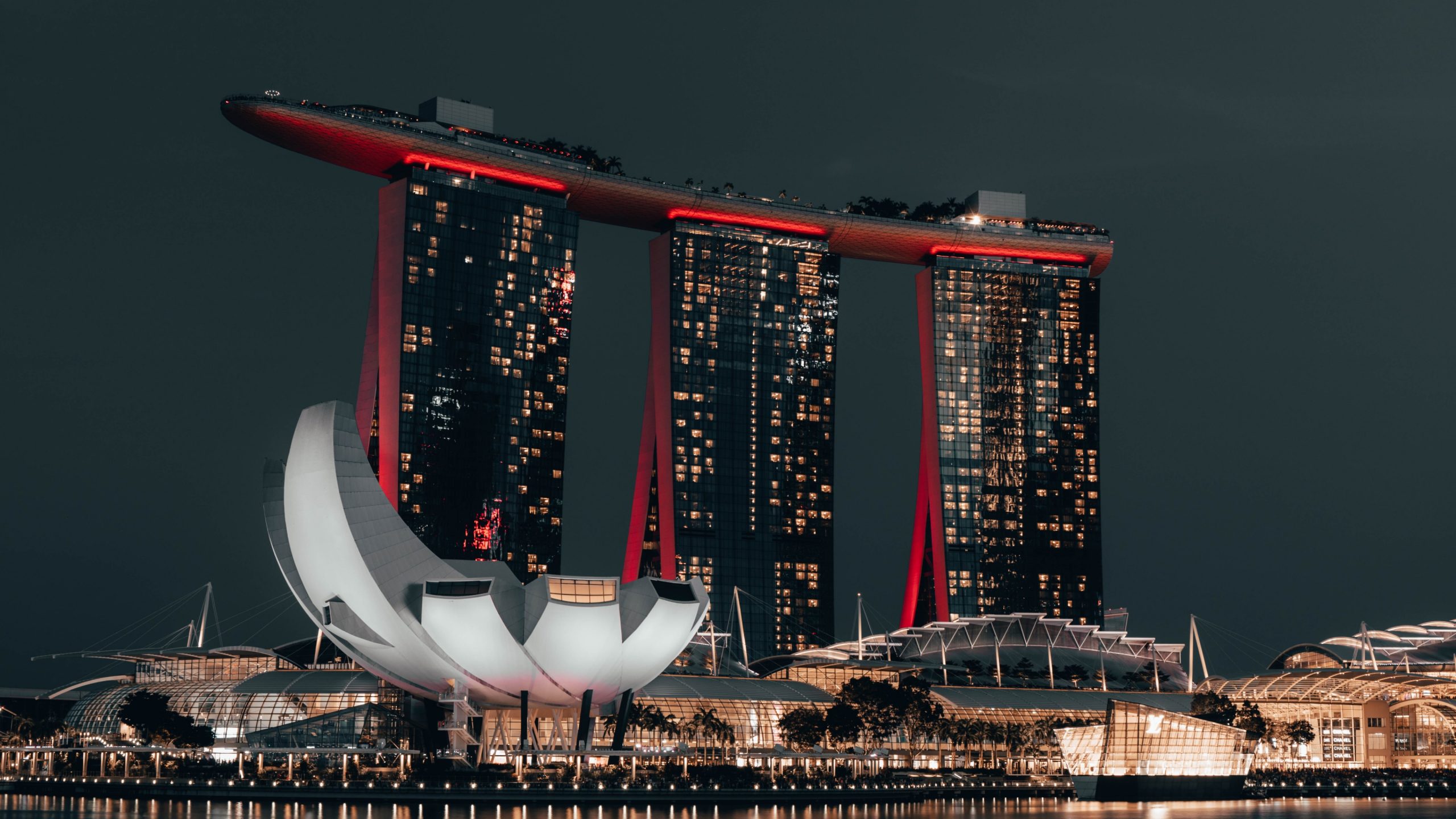
Singapore will invest more than S$1 billion ($778.8 million) in public artificial intelligence research through 2030, deepening a multi-year push to position the city-state as a leading hub for AI development, deployment, and governance.

The Ministry of Digital Development and Information said on Saturday that the funding will be directed at priority research areas, including the development of responsible and resource-efficient AI systems, as well as building a domestic pipeline of talent spanning pre-university education, tertiary institutions, and faculty-level research.

The government said part of the investment will also be used to strengthen national capabilities that support the adoption and application of AI across industries, signaling a continued emphasis on translating research into commercial and public-sector use.

The latest commitment builds on a series of large public investments that have steadily expanded Singapore’s AI ecosystem over the past three years. In 2024, the government set aside S$500 million to secure high-performance computing resources, a move aimed at easing access to the costly infrastructure required to train and deploy advanced AI models in both the private and public sectors. Around the same period, it committed more than S$500 million to AI research and development through AI Singapore, a national programme created to anchor deep AI capabilities within the country.

These investments have helped Singapore move beyond policy ambition into model development and deployment. In 2023, researchers under AI Singapore released an open-source large language model known as Southeast Asian Languages in One Network, or Sea-Lion, backed by S$70 million in public funding. The model was designed to address a gap in AI systems trained primarily on Western and Chinese language data, and it has since been adopted by regional companies, including Indonesia’s GoTo.

A newer version of Sea-Lion was released in October 2025. It was built on top of Qwen, a foundation model developed by China’s Alibaba, and expanded to improve performance in a wide range of regional languages, including Burmese, Filipino, Indonesian, Malay, Tamil, Thai, and Vietnamese. The update underscored Singapore’s strategy of combining open-source collaboration with targeted national investment to produce systems that are regionally relevant and commercially usable.

Officials have increasingly framed AI as both an economic and strategic priority. By focusing funding on responsible and resource-efficient AI, the government is signaling awareness of growing global concerns around energy use, safety, and governance, at a time when the scale and cost of training frontier models continue to rise. The emphasis on talent development from an early stage also reflects concerns that access to skilled researchers and engineers could become a binding constraint as global competition for AI expertise intensifies.

The new funding pledge comes as governments worldwide race to secure AI capabilities through public spending, industrial policy, and partnerships with the private sector. While the United States and China continue to dominate spending at the frontier level, smaller economies such as Singapore are carving out niches by focusing on applied research, regional language models, and frameworks for trusted deployment.

The approach aligns with Singapore’s broader economic strategy that prioritizes technology adoption, workforce upskilling, and regional relevance over sheer scale. The government is seeking to ensure that AI becomes embedded across sectors rather than remaining concentrated in research labs, by coupling large investments in compute and research with practical support for industry adoption.

The Ministry of Digital Development and Information said the new investment will run through 2030, providing long-term funding certainty at a time when AI research cycles and infrastructure planning increasingly span multiple years.

Implications of Trump’s Criticism of Wind Energy 

0

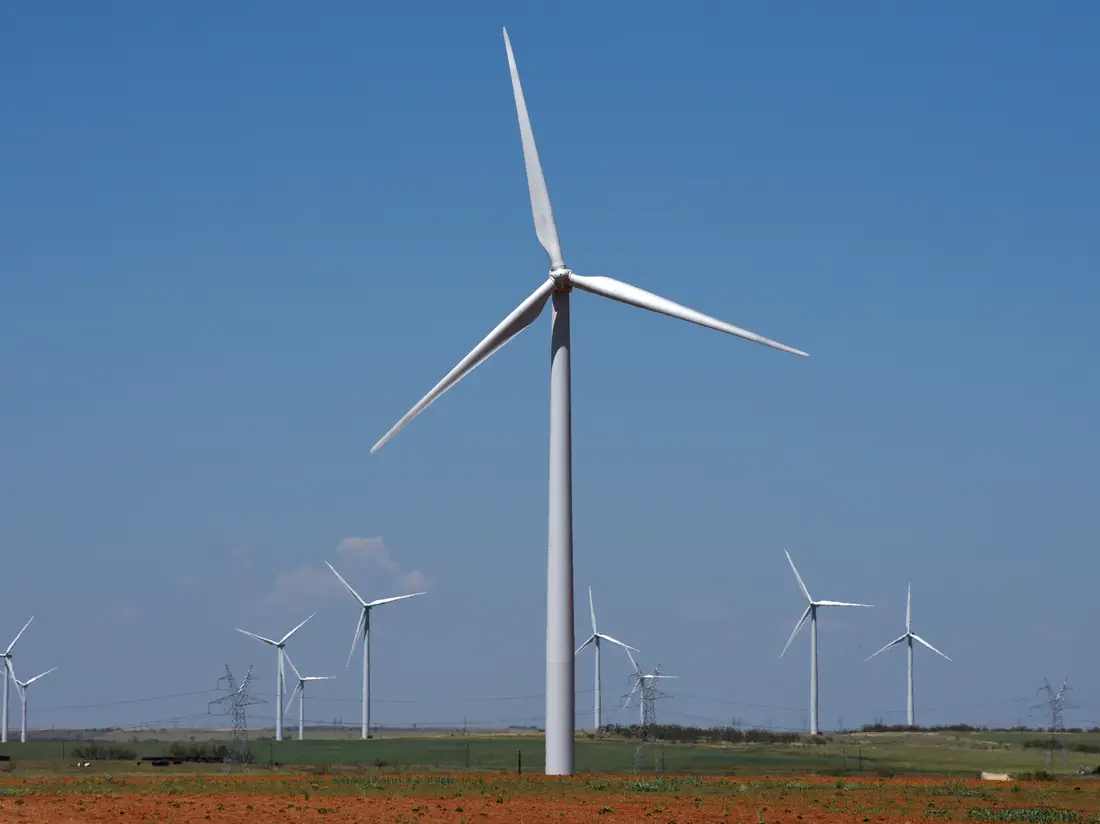
President Trump criticized wind energy—often calling it part of the “Green New Scam”—and specifically targeted wind turbines which he frequently refers to as “windmills”. In his remarks, he said:” There are windmills all over Europe.

There are windmills all over the place and they are losers. One thing I’ve noticed is that the more windmills a country has, the more money that country loses, and the worse that country is doing.”

He tied this to broader claims that China manufactures most of the turbines, sells them profitably to “stupid people” or “foolish people” who buy them, while rarely using them domestically, and that energy should make money rather than lose it (e.g., “You’re supposed to make money with energy, not lose money”).

This fits into Trump’s long-standing and well-documented opposition to wind power, which dates back over a decade. His criticism intensified during his first term and has continued, often citing concerns like:High costs and inefficiency  requiring heavy subsidies.

Many articles describe this as a “personal vendetta,” partly tracing back to his 2010s legal battle in Scotland to block an offshore wind farm near his golf course which he lost. In his current administration, this has translated into policy actions like pausing offshore wind leasing, halting permits, and broader anti-renewable pushes, though some efforts have faced court setbacks.

Trump’s claim that more wind turbines directly cause economic losses isn’t supported by mainstream energy economics. Countries with high wind penetration have seen wind become one of the cheapest new sources of electricity in many markets, though integration challenges, grid upgrades, and intermittency can add system costs.

China actually leads the world in installed wind capacity by a wide margin far more than the US or Europe, contradicting part of his narrative about them avoiding their own product. The quote has circulated widely on X in news clips, and commentary, often framed as a blunt, signature Trump takedown of green energy policies.

Trump’s “Scotland wind battle” refers to a long-running legal and public dispute in the early 2010s over an offshore wind farm proposed near his luxury golf resort in Aberdeenshire, Scotland.

Many observers and media outlets trace much of his intense, long-standing opposition to wind turbines which he often calls “windmills” back to this episode, describing it as the origin of what some call his “personal vendetta” against wind energy.

In 2006, Donald Trump purchased the Menie Estate north of Aberdeen and developed the Trump International Golf Links Scotland often called Trump Turnberry or Menie in references, promising it would become “the world’s greatest golf course.”

The site overlooks the North Sea, with sweeping coastal views that were a key selling point for the high-end resort.Around the same time, the Scottish government was aggressively promoting renewable energy, including offshore wind, as part of its climate goals.

In 2011–2012, the Aberdeen Offshore Wind Farm also known as the European Offshore Wind Deployment Centre or “EOWDC” received approval for development. This project involved 11 wind turbines located in the North Sea, several miles offshore but visible from parts of Trump’s golf course property on clear days.

Trump strongly opposed the project, arguing the turbines would: Ruin the scenic views from his golf course. Harm property values and the resort’s luxury appeal. Be “ugly” industrial monstrosities that would devastate the landscape and tourism.

He launched a high-profile public campaign against it, writing letters, giving interviews, and calling Scottish officials including then-First Minister Alex Salmond misguided for supporting “ugly” wind power over his development.

The Legal BattleIn 2013, Trump’s company filed a formal legal challenge against the Scottish government’s approval of the wind farm under Section 36 of the Electricity Act 1989. He argued the decision was flawed, that there should have been a public inquiry, and that political interference had improperly influenced the approval.

Courts at multiple levels heard the case: Lower Scottish courts rejected his claims in 2014. He appealed further. In December 2015, the UK Supreme Court unanimously dismissed his final appeal (Trump International Golf Club Scotland Ltd v The Scottish Ministers [2015] UKSC 74), ruling that the Scottish Ministers had the authority to grant consent without modification restrictions and that the process was lawful.

The wind farm (EOWDC) went ahead and became operational around 2018–2019. Trump lost every stage of the litigation. In 2019, after further proceedings on costs, his organization was ordered to pay the Scottish government’s legal expenses.

They eventually settled for about £225,000 roughly $290,000 USD at the time. The golf resort has reportedly faced financial challenges though it’s unclear how directly the wind farm contributed versus other factors like market conditions or management.

This episode is widely cited as fueling Trump’s vocal criticism of wind power ever since. He has repeatedly referenced it in speeches, interviews, and policy positions: Claiming turbines kill birds, are unreliable, expensive, and subsidized.

Arguing they ruin views and economies. In recent years, including during his 2025–2026 administration, this has influenced actions like pausing new offshore wind leasing and permits in U.S. waters.

While the Scotland case was primarily about visual and aesthetic impact on his private business, it became a symbolic flashpoint. Supporters see it as Trump fighting “green overreach”; critics view it as NIMBYism from a wealthy developer who lost to broader public renewable energy priorities.

The turbines are still there today, and the views from the golf course include distant offshore wind installations on the horizon—exactly what Trump fought (and failed) to prevent.

Crypto and Blockchain Gained Significant Attention at Davos 2026

1

The phrase “Crypto lobbying at Davos, not a completely united front” captures key dynamics at the World Economic Forum Annual Meeting 2026 in Davos, where cryptocurrency and blockchain topics gained significant attention amid discussions on tokenization, stablecoins, regulation, and global finance.

Crypto advocates were highly visible, with leaders pitching blockchain as integral to the future of finance. However, divisions emerged both within the crypto industry and in clashes with traditional finance (TradFi) interests.

Coinbase CEO Brian Armstrong was particularly outspoken. He sparred publicly with the Bank of France Governor François Villeroy de Galhau on a panel about tokenization and yield-bearing stablecoins. Armstrong pushed for a “Bitcoin standard” approach and criticized banking lobbying for trying to restrict crypto firms from offering competitive yields which he framed as anti-competitive efforts to protect legacy bank margins.

He alleged D.C. lobbying groups were “putting their thumb on the scale” to ban competition, especially around U.S. crypto market structure legislation like the Clarity Act. This ties into broader U.S. regulatory tensions: Armstrong and Coinbase reportedly withdrew support for a draft Senate bill, arguing it favored TradFi incumbents by limiting stablecoin rewards, blocking tokenized equities, and preserving structural advantages for banks.

Despite this, he noted ongoing talks with the White House and senators, suggesting negotiations continue rather than collapse. Other voices in crypto showed nuance or disagreement. For instance, some references including X posts highlight that not all crypto leaders aligned—e.g., one noted Ripple’s Brad Garlinghouse effectively pushing back against a full “Bitcoin Standard” push, illustrating internal fractures.

On the TradFi side, central bankers and institutions expressed caution. The Bank of France governor warned that yield-paying stablecoins could destabilize banks and opposed interest on a potential digital euro. Broader panels discussed convergence between banks and blockchains, but with warnings about risks and the need for regulated frameworks.

Crypto presence included sponsorships and events alongside major players like BlackRock and JPMorgan. Topics like asset tokenization accelerated, with optimism from some about institutional adoption, but lobbying battles highlighted competing interests—crypto pushing for innovation and fair rules, while bank groups sought protections.

While crypto made strides in visibility and influence at Davos shifting from fringe to a “consequential theme”, the front isn’t monolithic. Internal differences among crypto firms, aggressive pushback against perceived TradFi capture, and direct confrontations with regulators underscore that lobbying efforts reflect fragmented priorities rather than a single, cohesive strategy.

This mirrors ongoing U.S. debates over bills that could shape crypto’s role in global finance, with politics and money colliding amid geopolitical backdrops.

Crypto’s prominent role at Davos marked a shift from fringe discussions to mainstream finance debates, with topics like tokenization, stablecoins, and even a “Bitcoin standard” dominating panels.

Leaders like Coinbase’s Brian Armstrong aggressively positioned blockchain as a superior, transparent alternative to fractional-reserve banking. This elevated profile attracts institutional interest and signals potential for faster global adoption.

However, heated confrontations—such as Armstrong’s sparring with Bank of France Governor François Villeroy de Galhau over yield-bearing stablecoins—underscore regulatory wariness. Central bankers warned of risks like bank disintermediation, “full dollarisation” via stablecoins, and systemic instability if private issuers dominate.

The result: greater policy attention, but also tougher safeguards, potentially delaying or shaping innovation in restrictive ways.

The crypto sector’s lack of cohesion was evident in several ways: Differing priorities — Armstrong pushed hard for unrestricted stablecoin yields and tokenized assets including equities, framing restrictions as anti-competitive TradFi lobbying.

Other voices appeared more measured or opposed a full “Bitcoin Standard” pivot, suggesting fractures over strategy. Coinbase’s withdrawal of support for a key U.S. Senate draft bill tied to the Clarity Act/market structure legislation alienated some allies including parts of the venture community like Andreessen Horowitz.

This stemmed from concerns the bill favored banks by limiting rewards, blocking tokenized equities, and preserving incumbents’ advantages. Despite President Trump’s Davos comments signaling imminent signing of crypto-friendly legislation, the delay and ongoing negotiations highlight how disunity risks stalling progress in Washington.

These splits dilute the industry’s bargaining power. A fragmented front makes it harder to present a coherent ask to regulators and politicians, potentially leading to compromises that favor TradFi or slower, piecemeal reforms rather than sweeping pro-crypto changes.

Davos 2026 reinforced tokenization as “the name of the game,” especially in wholesale markets, with optimism around on-chain tradability reshaping liquidity and capital flows. Yet the TradFi-crypto tension—banks protecting margins vs. crypto pushing unbrokered access—suggests convergence will be bumpy.

Yield debates exemplify this: crypto sees interest-bearing stablecoins as a competitive edge, while regulators fear deposit flight and instability. This could lead to hybrid models rather than pure disruption, benefiting incumbents in the short term while forcing crypto firms to adapt.

Amid Davos’s bigger themes (AI, geopolitics, Trump-era policies), crypto’s role as a “consequential theme” ties into global finance shifts. Divisions could slow U.S. leadership in crypto regulation, giving other jurisdictions an edge in attracting innovation.

For investors and users, this means uncertainty in the near term—volatility from regulatory delays—but potential long-term upside if tokenization delivers promised efficiencies. Trump’s pro-crypto signals offer hope, but industry fractures risk turning optimism into prolonged gridlock.

The disunity at Davos isn’t fatal but acts as a reality check: crypto has arrived at the table, yet proving unified value amid TradFi resistance and internal disagreements will determine whether 2026 becomes an inflection point for widespread adoption or a period of contested, incremental progress.