Registration continues for Tekedia Mini-MBA. Classes begin exclusively online on June 22, 2020 to end Oct 22 (four months). Program is self-paced which means your work would not be affected as you can consume our academic materials (class notes, cases, videos, etc) anytime. On Mondays, contents are pushed to the digital board, and you can study them at your time and pace.
Invest $140 or local equivalent for a top-grade professional development. Our program has elevated people. Our faculty are business leaders from BUA Group, Deloitte, Schlumberger, Access Bank, Queen’s University, Nigerian Breweries, St. Mary’s University, Polaris Bank, Infoprive, esure Group Plc, and other leading global organizations. The theme is simple: Growth, Innovation and Execution.
Join us by registering today – and ADVANCE. In edition 1, co-learners from 16 countries joined us (not sure many universities can write that). Learn the mechanics of business, and REACH higher. Be honoured, for excellence! Begin here – https://www.tekedia.com/mini-mba-2/
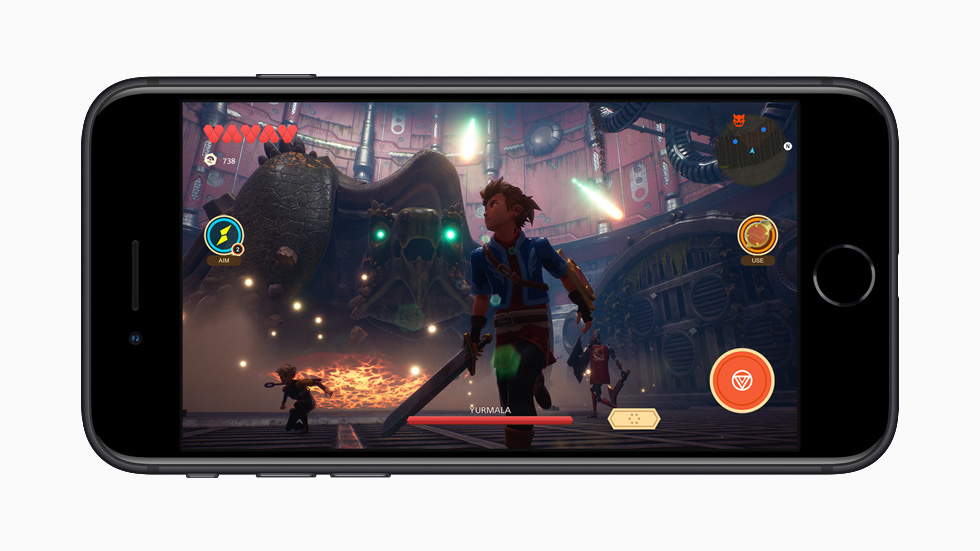
Let me celebrate a call: as Apple was ramping up prices on the iPhone, I predicted in August 2017 that “Apple must have a phone with a price range in the neighborhood of $300-$450”. (The new iPhone SE begins at $399.) The debate on LinkedIn was intense as many dismissed any strategy of Apple going downwards on pricing. My prediction was based on finite hardware improvement. Yes, there is a ceiling on how far you can improve the value and quality on hardware to command more non-marginal dollars. What can you do to double the price of an electric iron? With other devices advancing, Apple’s moat of exclusive hardware packaged on proprietary software will crack for entrance into the castle. Simply, phones will have largely marginal value improvements for years!
More so, as I have noted, I maintain that we would see the iPhone being priced at $300 soon. Why? Apple is pushing a services-driven strategy, and that means the more people who are using the hardware, the better. It is a better business to have ten people on Apple Music, Apple Pay, etc than just one person who can afford an expensive hardware. The lifetime value of those ten customers from a revenue perspective would be superior to the money made from the one expensive buyer. With ten users, retailers will open their systems for partnerships. In short, across all metrics, you win with more users of iPhone.
On average, these trends are negative for Apple: anything that declines the absolute number of iPhone sold is bad because even the services which are supporting higher revenue cannot grow without more people using iPhones since Apple services are exclusive to the hardware.
[…]
Apple will be fine and investors will align. Simply, the company is making it clear that its future is going to include services. So, if you hold Apple stocks because of iPhones and iPads, you may have to reconsider. By dropping the disclosure, Apple wants investors to focus on its revenue bottomline and not the number of devices sold. As far as the company is concerned, if it can grow revenue through payment, apps, licensing, etc, investors should not overly care what is happening on hardware as the company transmutes into making services a key part of its future. Simply, Apple has gone Services.
So, the base of my call – $300 – remains possible for the iPhone.
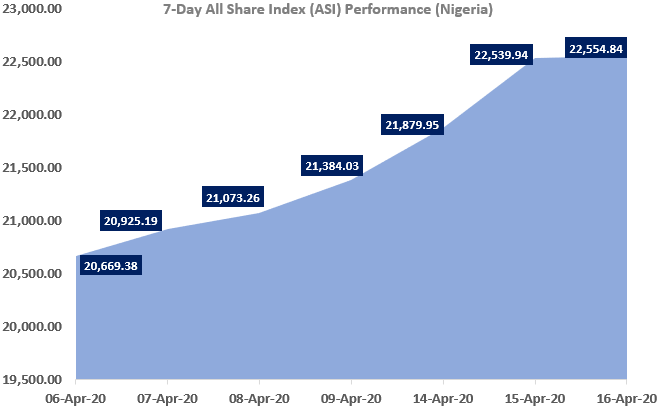
Tracking from 6th April 2020, the market has now gained over 9% in 6 consecutive trading days and recovered over N980 billion for Investors. The last time the market enjoyed this bullish run was an 8-day streak between 2nd and 13th January 2020.
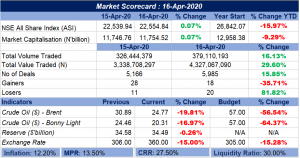
Today, the Bulls held on to their winning run with a marginal gain of 0.07% to close the All-Share Index (ASI) at 22,554.84 and abate the year-to-date loss of the Market to 15.97%.
See the image below for a complete snapshot of market performance.
Click on the link https://bit.ly/2XrvIf9 to open a stockbroking/share purchase account and trade within 24 hours.
Market Breadth: Profit-taking activities on the shares of Banks weakened the breadth of the market as it recorded 18 gainers compared to 28 recorded yesterday. Bargain hunters pushed the price of NESTLE to the top of the gainers list along with NB and CONOIL. STERLING and ACCESS top the table of 20 losers, this is the first time the losers have dominated the gainers in 7 trading days. See the list of top gainers or losers below:
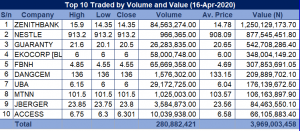
Market Turnover: Heavy profit-taking on the shares of ZENITH and bargain exchange in the shares of blue-chips like NESTLE and DANGCEM increased the volume of the market by 16.13% and value by 29.60%. See top 10 traded stocks below:
The Organised Private Sector (OPS) players are the engines and drivers of economic growth in Africa, therefore faces considerable risks in light of the COVID-19 pandemic which has caused an unprecedented human and health crisis. “This is the defining global health emergency of our time and the greatest challenge we have faced since World War II. Since its emergence in Asia late last year, the virus has spread to every continent except Antarctica.” Cases are rising daily in America, Europe and slightly in Africa at the moment. Countries are racing to flatten the curve by testing and treating patients, carrying out contact tracing, limiting travel, quarantining citizens, and prohibiting large gatherings such as religious activities, sporting events, concerts, and schools.
“The pandemic is moving like a wave—one that may yet crash on those least able to cope. But COVID-19 is much more than a health crisis”. It has caused significant losses of life and property, and that has highlighted business vulnerabilities to sustainability issues – environmental, social and governance (ESG) factors. The analysis by the World Bank shows that “the pandemic will cost the African region between $37 billion and $79 billion in output losses for 2020 due to a combination of effects. They include trade and value chain disruption, which impacts commodity exporters and countries with strong value chain participation; reduced foreign financing flows from remittances, tourism, foreign direct investment, foreign aid, combined with capital flight; and through direct impacts on health systems, and disruptions caused by containment measures and the public response.” In the past few weeks, there has been a number of discussions on the intersection between sustainability and business continuity.
I have been asked how possible it is to implement business continuity plans adopting more sustainable business processes such as ISO 26000 Social Responsibility, ISO 45001 Occupational Health and Safety, ISO 14001 Environmental Management and ISO 9001 Quality Management either in isolation or as an integrated management system. These are valid concerns by business leaders especially in Africa where a majority of these organisations may not have a Business Continuity Plan (BCP). For the sake of clarification, “a Business Continuity Plan (BCP) is a process that outlines the potential impact of disaster situations, creates policies to respond to them and helps businesses recover quickly so they can function as usual”. A BCP is generally created in advance of a disaster and involves the company’s key stakeholders. The main goal of a BCP is to protect personnel and assets, both during and after an emergency.
On the other hand, “a Management System (MS) is a set of policies, processes and procedures used by an organisation to ensure that it can fulfil the tasks required to achieve its objectives while an Integrated Sustainability Management System (ISMS) is a complete framework that combines all aspects of an organisation’s systems, processes, and any standards including business continuity plan that the business follows to achieve desired business goals in a sustainable manner.” This combined system allows a business to meet all its obligations, addressing all elements of the management system as a whole rather than looking at the individual standards and their requirements separately.
The COVID-19 crisis is providing a training ground for organisations to adopt a more proactive risk-based approach with regards to their operations as well consider the parts of the business that can — and must — be digitised. This will be a key requirement in order to become more resilient for the future. Sustainability is now more than ever, synonymous with business continuity and resiliency. The pandemic will make it relatively easy to discern which organisations are really committed to their sustainability goals and intentions. The main need in the short term will be the medical and economic support for those most affected by this crisis. At an organisational level, cash at hand during a crisis is key. It is important to sustain cash flow to make sure you have some level of liquidity for some time. Figure out what expenses you can cut and check your account receivable to see what you can collect. Don’t assume this will all be over in two weeks or a month. This is likely to be the new normal for some time. Remember, African countries do not have superb fiscal policies with built in space for social protection interventions, especially targeting the organised private sector and workers in the informal sector, that will also sow the seed for future resilience of our economies. All these are integral part of the sustainability framework as will be discussed below.
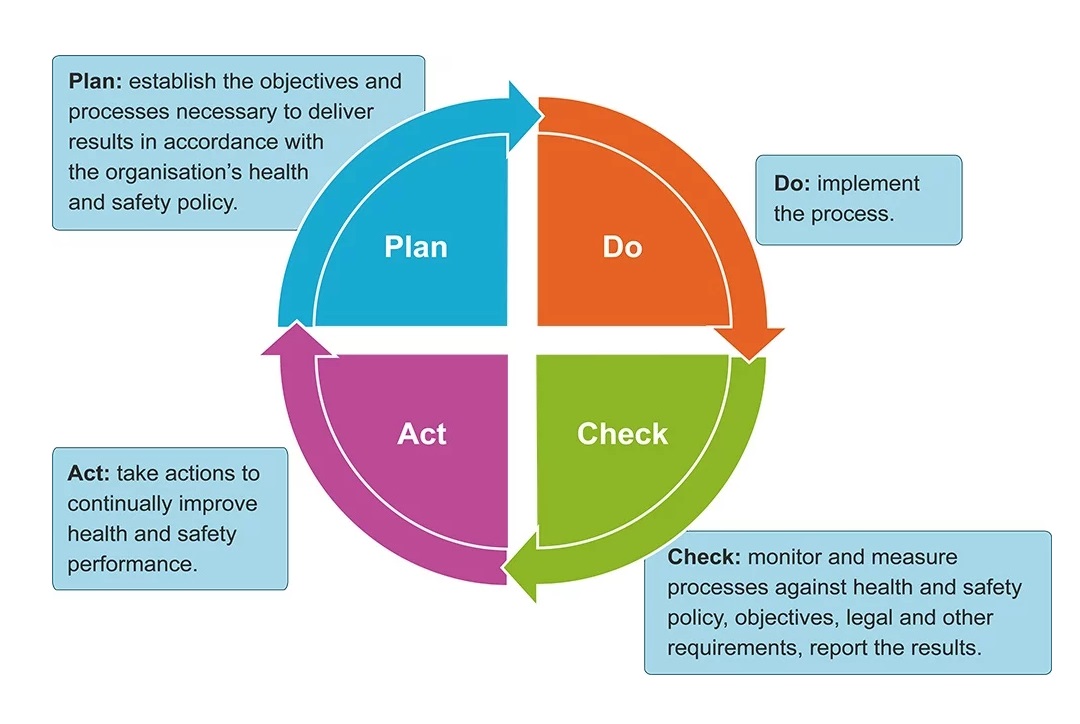
Plan-Do-Check-Act Framework (PDCA)
The widely accepted ISO Plan-Do-Check-Act Framework can get you started in integrating sustainability into your business continuity plan tailored to suit any area of business:
The PDCA framework
1. PLAN
Establish objectives and processes required to deliver the desired results. These may include the following-
Policy, purpose, and scope
Goals and objectives
Procedure and process documentation
Key roles and responsibilities
Risk mitigation plans including Environmental, Social and Governance
List of tasks required to keep operations flowing
Explanation of where to go during an emergency
Information on data backups and site backup
Operational and service delivery backup
Plan maintenance protocols
Coordination with local emergency personnel
Contact information of management personnel
Internal review process
Define continual improvement and management review criteria
2. DO
The “Do” phase allows the plan from the previous step to be done. Small changes are usually tested, and data is gathered to see how effective the change is. This is the main operational stage therefore I will discuss it in five subheadings as identified by Robin MeyerhoffBrand below:
Pick your team
Get the right team together and identify your goals. Be realistic about what you can sustain and how you should prioritize. It is unlikely that your organisation is able to continue business as usual right now. That’s why you need to (virtually) bring together the people who understand your core business competencies well enough to make judgment calls with limited information. Leadership direction must come from the most senior levels (CEO and/or Board of Directors). Then form a steering committee that includes senior representatives from operations, finance, human resources, information technology, and legal as well as input from the heads of your various product or service lines. If you don’t have a plan now, you probably don’t have a business continuity planner on your team. You should identify a member of this core team who can serve in that function, get trained and lead your process.
Establish the facts
Reliable data underpins both crisis planning and response. It’s essential that the crisis plan outlines how information will flow and that everyone has confidence in its veracity. Strong data also reinforces a central element of crisis planning — exploring different scenarios and how they could affect the business in the short, medium and long term. Previous studies have found that three-quarters of those with documented BCP post-crisis strongly recognize the importance of establishing facts accurately during the crisis. They are more likely to say that in the midst of the crisis, they did gather facts accurately and quickly — and those facts were used effectively to inform their response strategy.
Understand your risks
Identify the current or potential risks that can adversely affect your organisation. Obviously, this includes the current pandemic, and you should think about how you can continue to operate if 20 percent of your workforce is out sick or 90 percent is affected by the lockdown policy. But you should also dig deeper. For example, work from home opens you up to all kinds of cyber vulnerabilities and other technical challenges such as Occupational Health and Safety issues and employee loyalty. Market intelligence is also crucial at this stage to access market constraints, risks (and even opportunities) created by the pandemic in line with your area of expertise. Once you have a list of top risks, assess those risks to determine the potential impacts, both positive and negative to your organisation, enabling you to determine the most effective use of resources to reduce potential impacts.
Analyse the impact
Identify and prioritize your organisation’s key functions and processes to identify which ones will have the greatest impact if they aren’t available. For example, many of us are currently being forced to test how well we operate without access to certain facilities for a prolonged and ultimately unknown period of time. Others are now required to work remotely on projects with little or no training or supervision while a few environmental issues especially regarding waste disposal and power generation have also been identified. Once you’ve identified how the current scenario will impact your business, you need to analyse the findings to identify any gaps between the requirements for continuing acceptable service levels with minimal disruption and your current ability to deliver those requirements.
Devise a strategy
Use the analysis that you’ve just done to decide on a plan of action. You will need to come up with practical, cost-effective strategies to reduce the deficiencies you identified during the risk assessment and business impact analysis processes. You’ve identified what is at risk – social, environmental and economic, and how it will hurt your business. Now you can go through and brainstorm on how to minimize those risks with the information and resources you have at hand. Implement immediately to save cost and reduce downtime.
Remember that though corporate sustainability managers work to develop and implement sustainability strategies for organisations but more importantly, they work with all business units to analyse sustainability challenges and opportunities in the marketplace. This could be through localisation of processes, product design or change in operational process. Therefore, in addition to improving on organisation’s public image and meeting regulatory requirements, it is their duty to also help improve the bottom line by instituting practices that minimize waste and maximize efficiency.
3. CHECK: Test results and present recommendations
During the check phase, the data and results gathered from the ‘do phase’ are evaluated. Data is compared to the expected outcomes to see any similarities and differences. The testing process is also evaluated to see if there were any changes from the original test created during the planning phase. If the data is placed in a chart or dashboard, it can make it easier to see any trends if the PDCA cycle is conducted multiple times. This helps to see what changes work better than others, and if said changes can be improved as well. If the Business Continuity Plan is to recognise just one standard for instance ISO 26000 SR, then the seven core principles of SR need to be evaluated in details which include – Accountability, Transparency, Ethical behaviour, Respect for stakeholder interests, Respect for the rule of law, Respect for international norms of behaviour, Respect for human rights. Similarly, if two or more sustainability standards for instance ISO 45001 – OHS and ISO 14001 – EMS are to be implemented as part of the business continuity plan, the process is same but will include data collection and analysis based on these two standards. This is easily achieved using process and procedure documents as provided for during the planning stage. In case, you have difficulties, approach an experienced Sustainability Consultant with expertise in strategy implementation.
4. ACT: Improve on the framework
Records from the “do” and “check” phases help identify issues with the process. These issues may include problems, non-conformities, opportunities for improvement, inefficiencies and other issues that result in outcomes that are evidently less-than-optimal. Root causes of such issues are investigated, found and eliminated by modifying the process. Risk is re-evaluated. At the end of the actions in this phase, the process has better instructions, standards or goals. During a crisis situation as it is presently, this process must not take more than a couple of days. The business can get back to normal now. Planning for the next cycle can proceed with a better baseline. Work in the next do phase should not create recurrence of the identified issues; if it does, then the action was not effective.
Getting back to Normal – Business as usual, getting back to normal is the goal once you have gotten through the main parts of a disaster or downtime in your business. Disaster recovery is the part of your plan that allows for you to get back to a form of normalcy where you can again perform the tasks that run your business. This may take some time, considering the global nature of the pandemic. If you don’t have employees that were infected by the COVID-19 virus, your organisation should be able to get back to normal business shortly after the lockdown.
Today, we face the Herculean task of protecting the lives of hundreds of thousands of people, the health of millions and the livelihoods of billions. Nothing should detract us from winning this war. But as we fight, we should seize the chance too to create a new, more resilient, healthy, equal society that lives in equilibrium with nature. This is a more practical approach to our present-day realities.
Corporate behaviour is a microcosm of today’s economic system. As we have seen in past weeks in Nigeria, there has been some wonderful stories of corporate integrity, philanthropy, ingenuity and energy to help fight this pandemic. And there have also been some truly shocking stories of companies that have thrown loyal staff overboard at the first sight of trouble, while others have profited on our misfortune. However, most companies that will prosper in the next decade will be the ones that have taken the management-speak of “sustainability” and turned it into reality. Integrate sustainability principles into all their operations and relationships. They do the right things to their customers, employees, shareholders, host communities, the environment, etc. Above all, they are socially useful and relevant in all that they do. This is the future of business.
A quick one, Harmeet Kaur of CNN Business writes: “As the spread of the coronavirus is proving difficult to contain, so too is the misinformation surrounding it…One of the most recent, baseless conspiracy theories surrounding the virus is that 5G networks -… are fueling the global coronavirus pandemic. They are not…Unsophisticated algorithms amplified those voices and ushered unsubstantiated theories into the mainstream.”
Hmmmm…Okay!
With the fabled news revolving around the 5G networks, it is almost acceptable to say: “MAYBE WE ARE NOT READY FOR DIGITIZATION”.
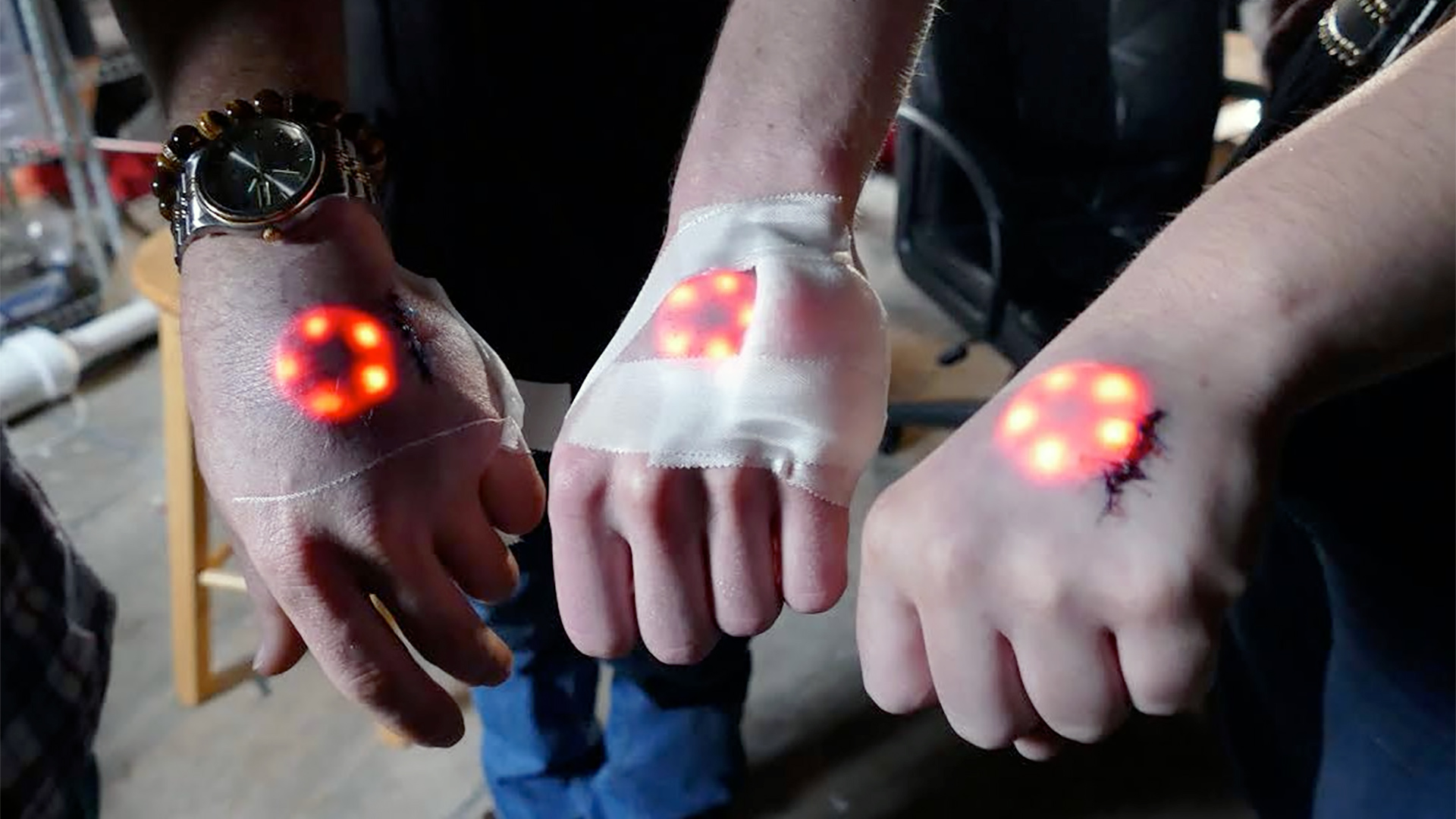
Recently, due to a video I viewed, I went to the internet to research subdermal transplant and I found an article written in 2016 that predicts a Phone Implant in our heads. Insane right? How on earth are we supposed to have a phone implant in our heads? Jokingly, I said, “how about you just create a technology that hacks our brains instead?”…Hmmmmm!
Still brooding on it, something occurred to me – Change is inevitable. When there is change people react; people forget to be logical. Surprisingly, Jack Canfield, an American Author and an Entrepreneur said almost the same thing however quite detailed;
Change is inevitable in life. You can either resist it and potentially get run over by it, or you can choose to cooperate with it, adapt to it, and learn how to benefit from it. When you embrace change you will begin to see it as an opportunity for growth
Since 2020 began, many of us have noticed the constant change, especially in our weather…LOL…#AKuHeatYii and increased data usage. Somehow, we are transiting into a more informed, more visualized and practical world. Things are clearly not the way we think they should be and I’ll say emphatically, WE NEED TO BE READY for what’s coming. Now, let’s talk about how to GET READY for this evolving world;
Digitalization is for you: First you need to know this is for you. No matter how shady or scary persons are interpreting it, understanding that there are opportunities embedded in this age for you is very important.
Build a positive mindset: Whether it is 5G Network myths or facts, building a positive environment at this time is of necessity. Having a mind that delights in optimistic change will enable your productivity and creativity when needed.
Grow your values: I know many of us have beautiful core values and all, however, some of us still struggle with accepting change easily. With all the fuss going about this digitalization, embracing values like spontaneity, courage, growth, curiosity and others will facilitate your active involvement in the digital world.
Learn: Although, learning is a choice but then an adage says never stop learning because life never stops teaching. So rather than grumble about what’s happening and gradually fizzle out as a result of ignorance, why don’t you learn? Learn and gather facts. Learn and meditate. Learn and develop ideas. Learn and be more productive. Start learning possible means on how to be relevant in the coming world.
Stay in faith: I’d say let’s consider this more keenly in line with growth and opportunities. Stay in faith as to what’s coming and how you’ll respond to it. Align your hearts on consequential matters deliberately not for spite but for wisdom. Activate a faith rule that says no matter what comes, I’ll get by.
Finally, I’d say “change will always bring inconvenience”. And like Bernard Shaw’s words, progress is impossible without change; and those who cannot change their minds cannot change anything. Therefore, see the opportunities.