DD
MM
YYYY

PAGES

DD
MM
YYYY

spot_img

PAGES

Home Blog Page 6445

COVID-19: Why Nigeria Should be More Concerned About Lassa Fever

0

As every country in the world is pulling every resource available to contain the COVID-19 pandemic, some are doing so at the expense of much bigger problems. Before the outbreak of coronavirus, Nigeria was battling Lassa fever, another viral disease of rodent origin that has been baring its deadly fangs on lives across states in the country.

As of January, when coronavirus was still a disease limited to the city of Wuhan, Lassa fever was on rampage in over 20 states in Nigeria. With 14.8% fatality ratio, there was a record of over 300 confirmed cases and over 60 deaths. The alarming figures kept the Nigerian Center for Disease Control (NCDC) on its feet until the COVID-19 showed up on African shores, breaking the concentration of the NCDC and resulted in redirection of focus.

The disease control center had outlined a practical public health response designed to keep the Lassa fever in check while efforts are being made to contain it.

Treating confirmed cases in designated centers across the country, following the World Health Organization (WHO) approved protocols, while effort is being made to quell the spread.

Surveillance activities in the affected states to enable case finding in Local government Areas: The surveillance is augmented with modern equipment to facilitate reliable track-record.

Five laboratories with the capacity to test for Lassa fever infection in serum samples were set up across the country. Healthcare workers were trained to keep an index of suspicion for the virus suspected cases.

Upon these protocols, the battle against Lassa fever was being waged. Not that anything has changed in the procedural directives, but the workforce to implement them has been significantly undermined as states prepare in anticipation of coronavirus. As a result, there has been less attention to Lassa fever from the public also, except for those who live in affected LGAs or those who have someone who is infected.

By February, there were 472 laboratory confirmed cases that resulted in 70 deaths. This result touched 26 out of 36 states of the federation and the Federal Capital Territory. While some states like Edo (167), Ondo (156) and Ebonyi (30) record higher cases, other states have been evenly getting their own shares of the endemic.

In the same month of February, there were 15 confirmed cases and one death among healthcare providers.

So far in March, there have been 443 suspected cases, 85 confirmed cases and 11 deaths recorded from 107 LGAs in 28 states and the FCT, according to the data published by NCDC. One of the cases involved a health worker in Edo State. The number of suspected cases so far in 2020 stood at 3,735 and counting, out of which, over 906 cases were confirmed.

The surge in the number of cases has been attributed to dry season and poor environmental hygiene that enable massive breeding among rodents.

The fatality rate for the current season of Lassa fever is 17.8%, though lower than the 23.3% reported the same period last year it is still higher than the 14.8% rate of coronavirus among those 80 years of age and above.

Between February and March, Nigeria has recorded only one coronavirus-related death so far, in Ekiti State. Within this space of time, Lassa fever has claimed over 70 lives.

The first case of Lassa fever was recorded in Nigeria in 1969, ever since then, it has become an unwanted guest who refused to leave. Compared with flu epidemics that usually come and go, Lassa fever is proving to be a permanent epidemic.

Dr. Anthony Fauci, director of the National institute of Allergy and Infectious Diseases said coronavirus like other flus, is seasonal and will go with time.

“Despite the morbidity and mortality with influenza, there’s a certainty… of seasonal flu. I can tell you all, guaranteed, that as we get into March and April, the flu cases are going to go down. You could predict pretty accurately what the range of the mortality is and the hospitalizations will be. The issue now with COVID-19 is that there’s a lot of unknowns,” Fauci said.

The city of Wuhan which held the highest number of coronavirus infections and deaths, on Thursday recorded no new infections, and the health facilities are being shut down for lack of patients.

Though COVID-19 has a global impact, it appears to be a lesser evil compared with Lassa fever. And the Nigerian governments have been urged to make its eradication a top priority.

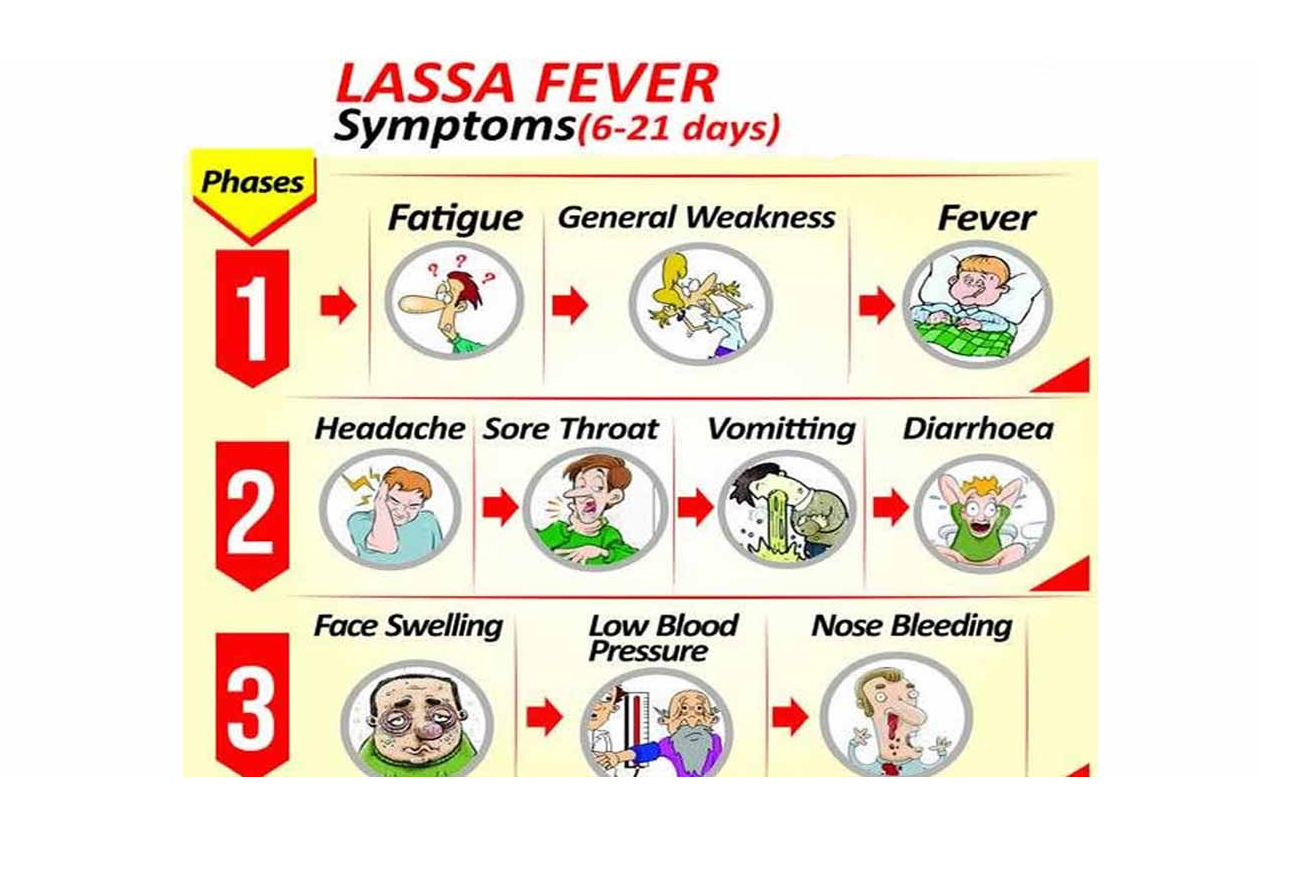
Lassa fever is an acute viral hemorrhagic illness caused by Lassa virus, a member of the arenavirus family of viruses. It is transmitted to humans from contacts with food or household items contaminated with rodent excreta. The disease is endemic in the rodent population in parts of West Africa.
Coronavirus Attacks Uber’s Business Model

1

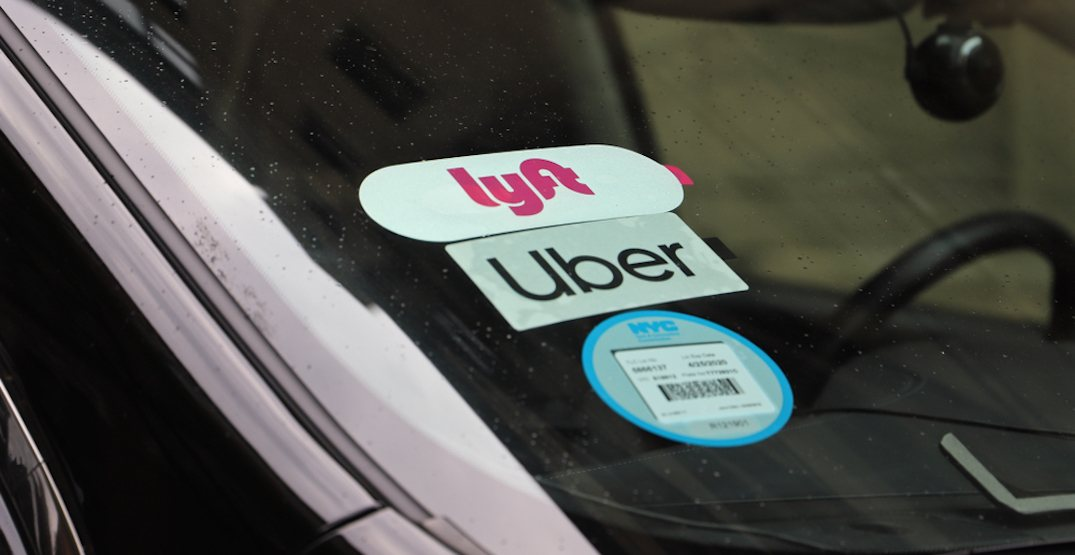
The economics of ride-hailing or ride-sharing looks great on paper: pay as you need and do not carry assets you are unlikely to fully utilize before they depreciate. Yes, do not buy a car but anytime you need to move around, hail one or share with someone that owns one. But what happens when there is no driver in the city, and you need to go to a pharmacy to pick a prescription? What happens even if there is one, but the driver is afraid that a contact with you could be risky to his life? And what happens  when governments put lockdown ordinances – but allow essential trips for grocery shopping, fueling, farming, healthcare delivery and such?

It becomes evident that in life, it is NOT only things you need that you have to own. Yes, there are moments you just have to own things even if you do not really need to own them because the day a particular asset is not available, you would look really stupid for all the days you have tried to avoid it!

As we get over this coronavirus, citizens of California, New York and some Italian cities will see companies like Uber, Lyft, and Bolt from different angles. Simply, owning a car is no more an economic decision but a family security one because when those “rented” drivers cannot  be available, at least, you can drive your family to the doctor, pharmacist or grocery. Oh yes, when hailing Uber becomes risky, you can jump into your own car to bring that prescription home.

Coronavirus will change our generation and how we make decisions.

Updated – 3/23/2020

Uber and Ola  have suspended all ride options in Delhi till March 31 and the Indian ride-hailing firm is restricting ride options across the country in a bid to slow the coronavirus pandemic.

The firms said the suspension of their services in India’s capital was in compliance with the local state government’s lockdown order that went into effect earlier Monday.

“In compliance with the government guidelines, we are temporarily suspending all Uber services in your city. This means that Uber rides services will not be available until further notice,” Uber told customers in New Delhi.

Nigeria Devalues The Naira

6

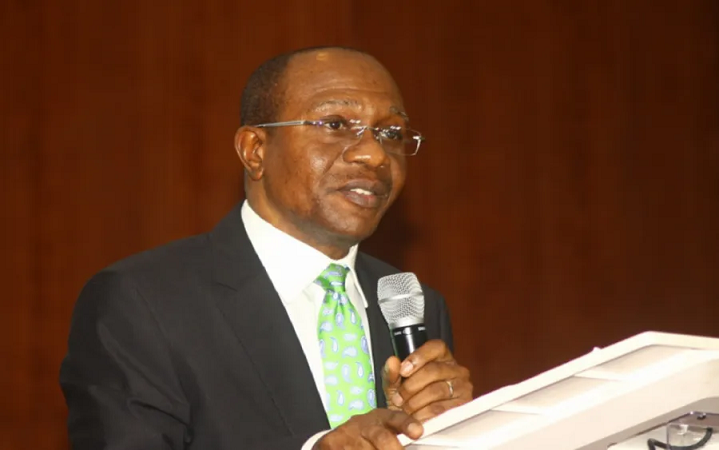
As I predicted multiple times, ignoring all the denials, the Central Bank of Nigeria has devalued the naira: “The apex bank on Friday sold dollars to deposit money banks at the rate of N380 to one dollar signaling the official return of a single exchange rate regime in the country’s foreign exchange market”. I do hope those who have been reading me took action. It is the only option available to the nation. What the CBN has done is the right call because in a national budget of $14 billion (effective, using my model) with more than $7 billion going to service debts, the only option for Nigeria is to sell the little dollars it has to have tons of naira to pay contractors and settle local bills, even though those recipients will not smile home happy. Going forward, this is what I expect to happen: the black market will move to N420 per dollar by the end of July 2020 despite any efforts the CBN would put to create a single exchange rate in the nation.

The much-vaunted devaluation of the Naira came into force on Friday despite the denial by the Central Bank of Nigeria (CBN) last week that same was not on the cards.

The apex bank on Friday sold dollars to deposit money banks at the rate of N380 to one dollar signaling the official return of a single exchange rate regime in the country’s foreign exchange market.

An official circular by the Director, Trade and Exchange department of the CBN, Ozoemena Nnaji, said the development is part of efforts by the apex bank to establish a uniform rate between the official and the parallel market rates for bureau de change operators.

The circular was on the disbursement of the proceeds of the International Money Transfer Operator (IMTO).

With the new rate, the CBN has effectively collapsed the multiple exchange rate policy used in determining the value of the Naira since June 2016.

The country will now have a single exchange rate for official transactions and bureau de change operators as well as for importers and exporters of goods and services, amongst others.

This is the highest official exchange rate between the dollar and naira in the last two years.

Henceforth, dollars sold to banks will be at the rate of N376 per dollar, while banks to CBN will be at N377 per dollar.

Also, the rate by CBN to Bureau de change operators will be N378 per dollar, while BDCs to end-users should not be more than N380 per dollar. and the volume of sales for each market is $20, 000 per BDC

Single exchange rate will not work in Nigeria because of the nature of Nigeria’s economy. Most of our  devaluations typically begin with that intent but since demand and supply cannot hit equilibrium optimally, there is always a dislocation on pricing parity. If more people are asking for USD than CBN can provide through our banks and official vehicles, the exchange rate cannot be constant (i.e. track official rate). People will begin to use black market at all costs to settle market obligations and save time which could be lost waiting for the official exchange rate from banks.

Simply, CBN has no power to maintain a single currency rate because it cannot control all the elements involved. We produce nothing in Nigeria except crude oil, and that product is already massively wounded at the moment. Just a few days ago, the apex bank boasted that it would not devalue naira as “the market fundamentals do not support Naira devaluation at this time.” (see below for press release)

It is key to understand that this does not affect naira velocity. Yes, inflation will scale up and the impact of the marginal positive impact of the minimum wage has been neutralized with this devaluation. You do not need to withdraw your money from the bank as it changes nothing: Naira is naira either in the bank or under the pillow. The key thing is recalibration as Nigeria enters a dark period of economic uncertainty.

This should not surprise any keen observer. I wrote two weeks ago thus: “Nigeria opened 2020 with $43.1 billion in its foreign reserve. Today, that number has dropped to $38.6 billion. Typically, CBN fights until it hits $30 billion, by them it releases the magic armour – devaluation. Devaluation is a crunch time call: we cannot continue defending the naira to the point where our “bank balance” goes to zero. Yes, a time will come when we will have to leave naira to lose value, necessary to keep balance in that bank account.”

Stallion Motors to Launch Hyundai-Kona, First All-Electric SUV in Nigeria Before Year-End, Amidst Government Opposition

10

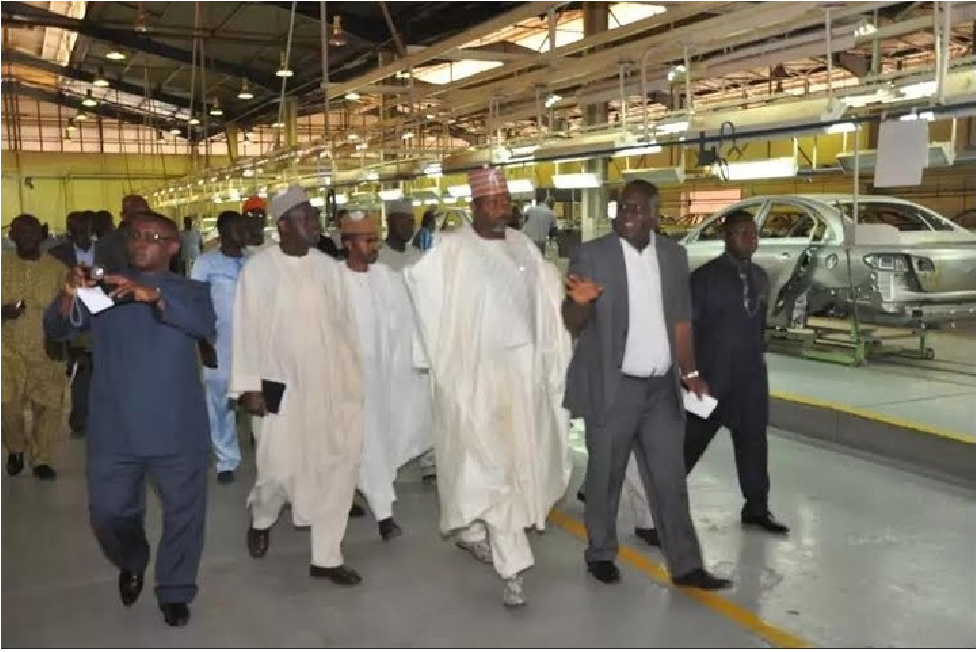
Stallion Motors, Nigeria’s auto assembler and a franchisee of 9 global brands which includes Hyundai is planning to delve into Electric Vehicles (EV) manufacturing in Nigeria. This is coming after Jets Motor Company raised $9 million for EV technology in Nigeria, which it plans to unveil soon in partnership with GIG Motors and some other companies.

Hyundai-Kona is regarded as the best electric car products in Europe by European motoring journalists, and the Vice Chairman Haresh Vaswani sees Nigerian market as a potential as the company tries to extend its fight for cleaner energy beyond Europe. Nigeria is notorious for its use of combustible vehicles and appears unconcerned as the rest of the world pushes for cleaner energy.

But that is about to change as the two companies appear ready to change the narrative by introducing electric vehicles into the Nigerian auto space as soon as possible.

“Well-meaning and concerned people globally are urgently making moves to save our dear planet. After operating successfully in Nigeria for over five decades, the least our company could give back to the country and by extension, the world is to be a leading pilot in steering the nation to the direction of clean energy use and reduction of emission.

“Versatile and powerful, the Hyundai Kona Electric will be the first All-Electric SUV in Nigeria. Its power packed performance will provide a thrilling driving experience with high acceleration over long distances. Driving range for Kona Electric is 482 km with an acceleration of (0-100kms) in 9.7 secs.

“The ease of charging is unmatched, one can even plug it in at home or at work and charge it for 9.35 hours for a full battery capacity. Hyundai Kona comes with five years of battery warranty and five years of vehicle warranty. Kona Electric will change the way people think about going electric. It would make history as first EV to be launched in Nigeria with local manufacturing,” Vaswani said.

While many vehicle manufacturing companies are indicating interest in introducing electric vehicles into Nigerian market, the greatest challenge has been the attitude of the Nigerian government toward the development.

On Tuesday, the House of Representatives warned the Federal Government to be wary of the dangers of electric vehicles, which they said it has the capability of disrupting the economy. The Lower Chamber of the National Assembly said the implications of electric vehicles should be critically evaluated since it could reduce the demand for crude oil as the trend has shown in many other countries.

The motion, titled ‘Economic Implications of the Production and Adoption of Electric Vehicles on Nigeria’ was moved by Hon. Ossy prestige and was unanimously adopted by the lawmakers.

“The House notes with dismay, the bleak future for Nigeria’s oil exports as its biggest oil buyers and other major Asian and European customers are poised to do away with petrol and diesel-powered vehicles from year 2025.

“The House is informed that India, China, France, the Netherlands and the United Kingdom that bought a total of 24.4 million barrels of crude oil from Nigeria in May 2019, almost half of the nation’s total exports for the month, are now pushing ahead with plans to stop the use of oil-powered vehicles as part of efforts to reduce pollution and carbon emissions, a development that could spell trouble for Nigeria’s oil exports in the coming decades,” Prestige said.

According to him, the more countries embrace the trend, the more difficult Nigeria will find it to sell its oil.

The stance of the House of Representatives on EVs reveals why the National Automotive Industry Development Plan (NAIDP) bill is yet to be signed into law. The auto policy bill has been dragging feet on the excuse that so many parts of it need to be rectified.

But the Federal Government pledged to support the automotive industry not minding if companies are producing combustible or electric vehicles. It demonstrated commitment to the pledge in 2019 by assigning the University of Nigeria, Nsukka, the University of Lagos, Usman Dan Fodio University and the Metallurgical Institute designs and tasked them to manufacture made-in Nigeria electric cars. The University of Nigeria Nsukka delivered an electric car made with 80% local content in less than a year, demonstrating the possibility of locally made EVs in Nigeria.

However, whilst it appears that the Federal Government is in full support of the automotive industry, the recent downturn in the oil market as a result of low demand and climate concerns seems to have instigated doubts in the minds of the lawmakers who have repeatedly opposed any bill that will promote electric vehicles.

But as it has been noted by ex-Senator, Ben Murray Bruce, who was forthright in pushing the rejected bill for electric vehicles in Nigeria; “the world will not wait on Nigeria to attain the cleaner energy goal, the way it’s going, Nigeria will be left behind, and will find it hard to catch up.”

Tekedia Mini-MBA Session Change: Pandemic Preparation – A Playbook for Business Continuity

0

Due to the Covid-19 pandemic, the Tekedia Mini-MBA is modifying its next week session. Our members have been sending emails with questions on readiness and continuity management during this paralysis. Accordingly, we are working with risk experts and professionals to provide guidance in the following areas:

  1. Developing a balanced remote work plan in case the Nigerian government orders non-essential companies to shut down in coming weeks.
  2. Developing a business continuity plan.
  3. Implementing crisis management best practices.
  4. Planning for the worst case scenario and making the tough decisions fast.

So, our next week’s session has been updated to “Pandemic Preparation: A Playbook for Business Continuity”. Members will use the Digital Board to ask questions (anonymous or otherwise) and our experts will provide guidance. We will also make some documents available to help companies plan and prepare. Tekedia Mini-MBA is a self-paced program; you can still join us by registering here.

The week Lab will focus on developing a Pandemic Preparation for your firm or where you work.